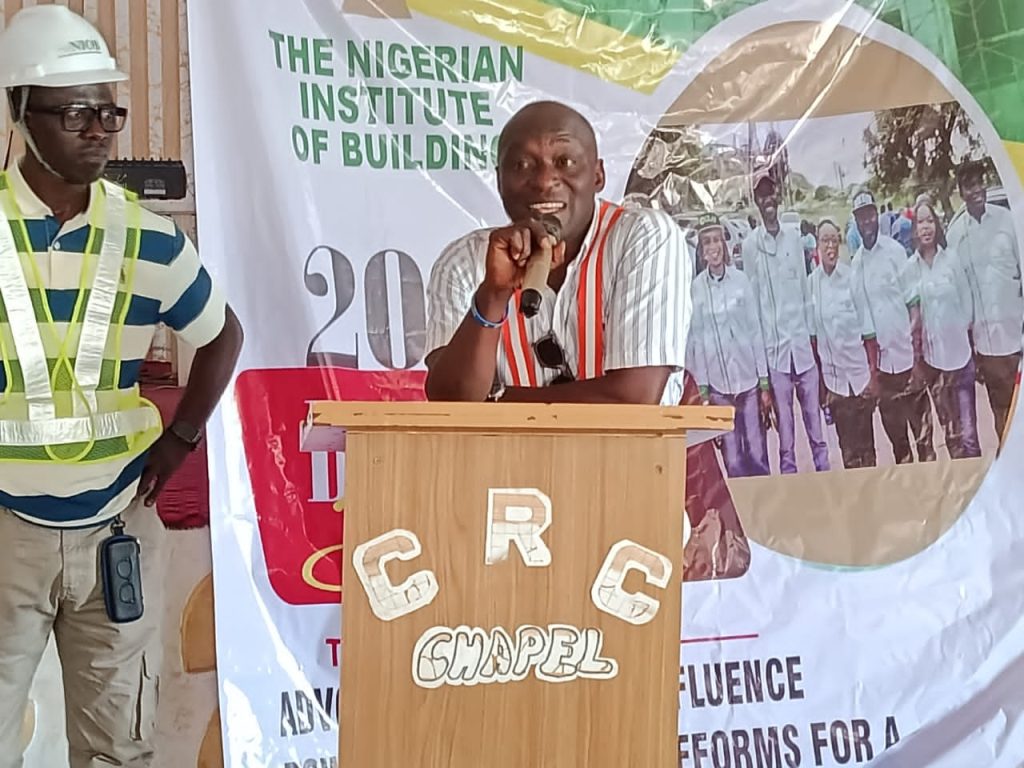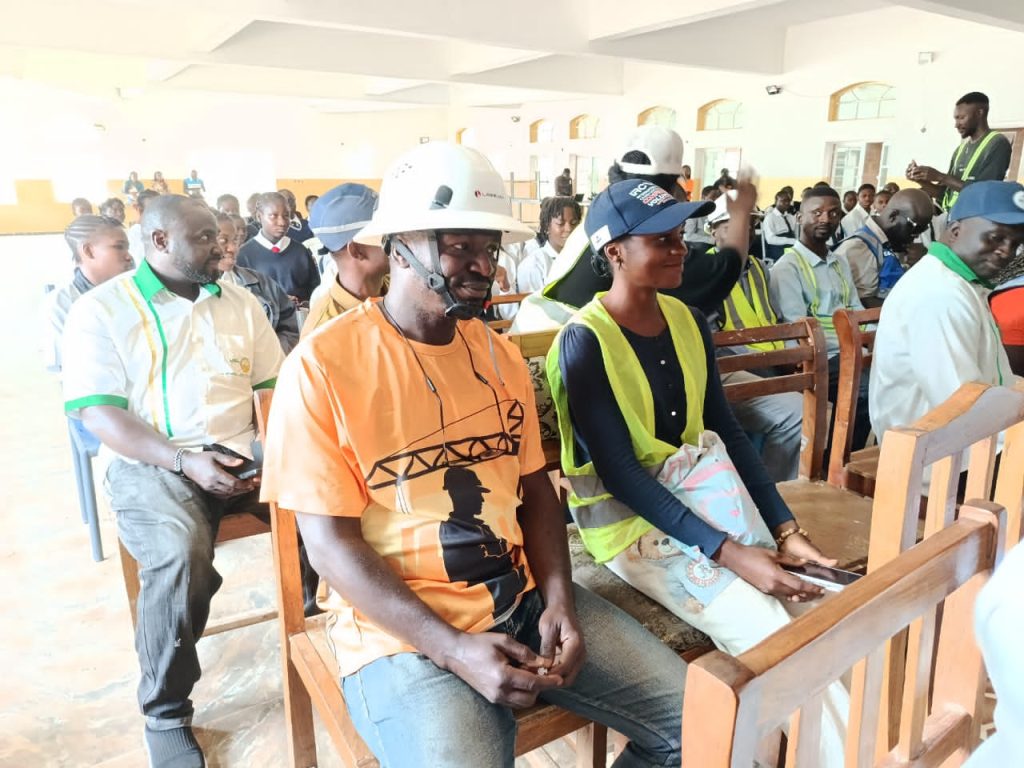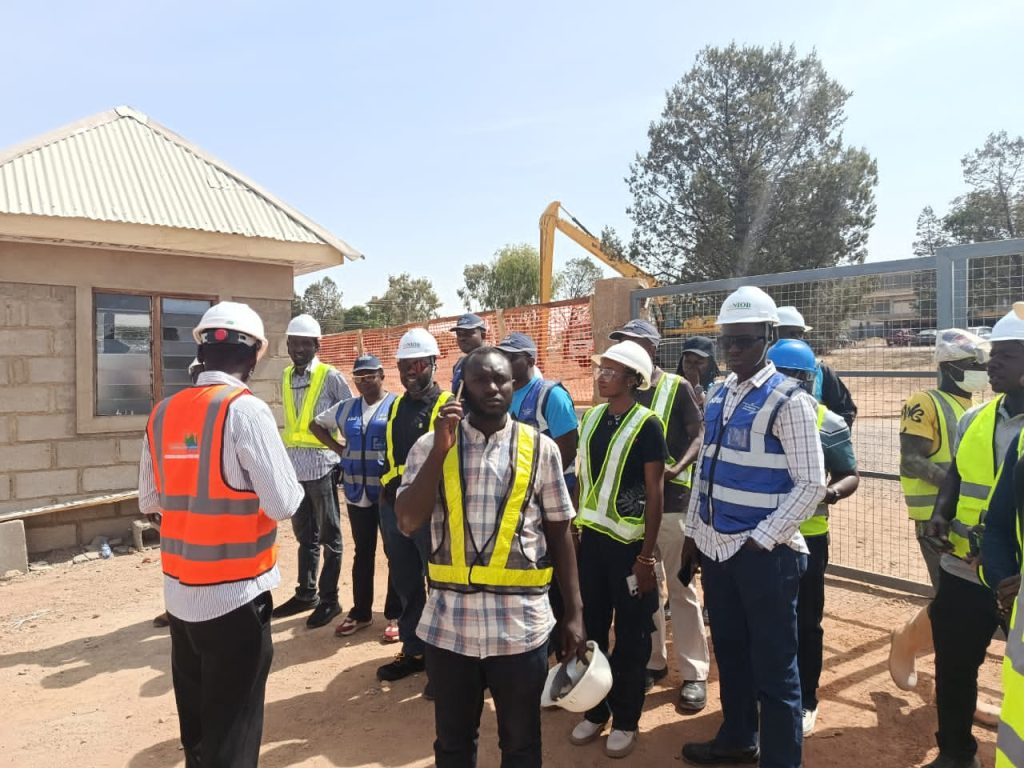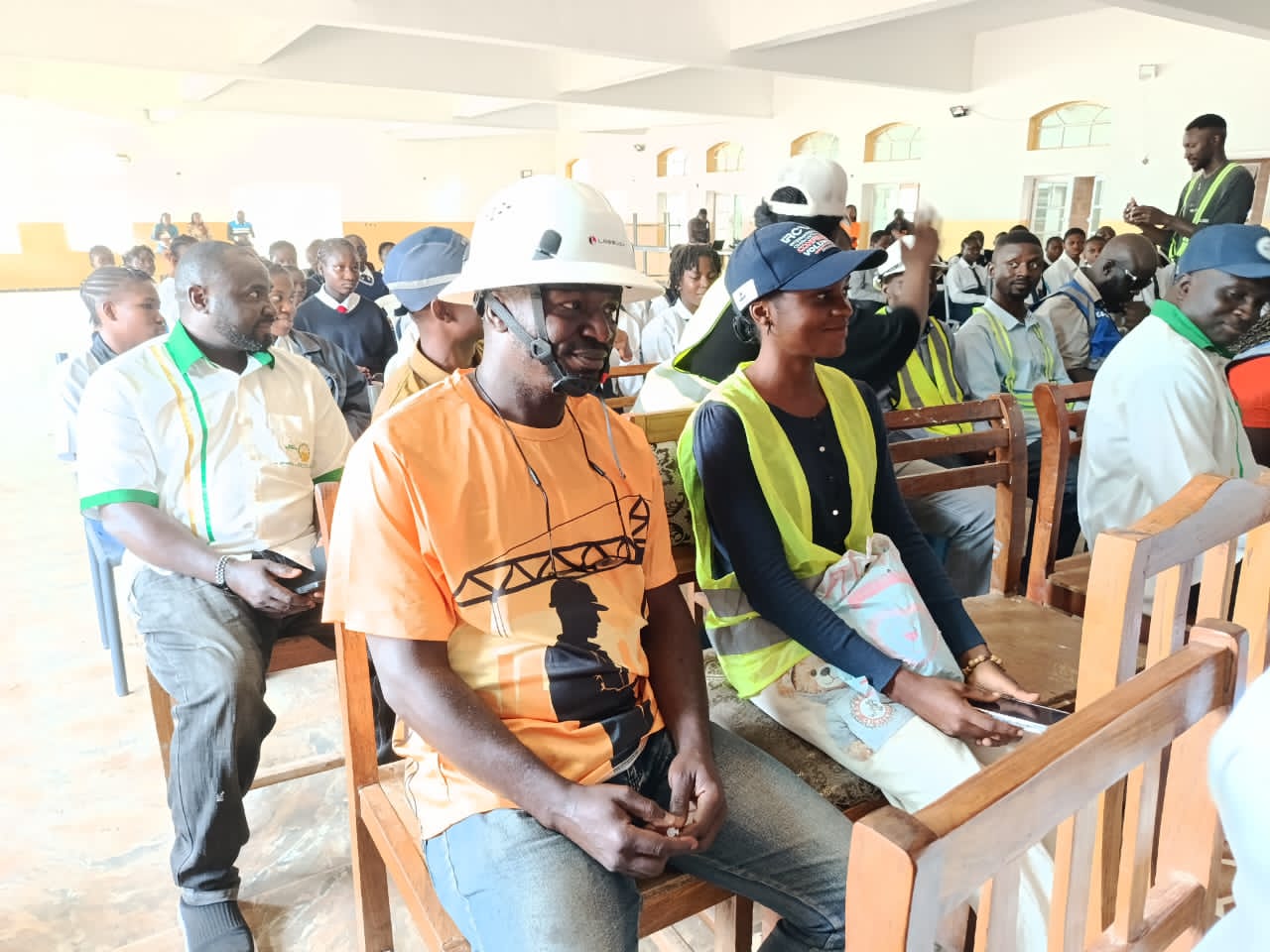
The Nigerian Institute of Building (NIOB) has called for stronger policy reforms and professional collaboration to improve safety and sustainability within Nigeria’s construction sector as it marked the 2026 Builders’ Day celebration.
The nationwide event provided an opportunity for construction professionals, policymakers, and stakeholders to reflect on the progress of the building profession and the challenges confronting the built environment.
Speaking during the celebration, the President of the institute, Bldr. Daniel Abimbola Kolade, said the annual event remains a critical platform for advancing professional standards and strengthening the role of builders in national development.
He explained that the theme of the 2026 celebration, “Advocacy and Policy Influence Towards Sustainable Reforms for a Resilient Built Environment,” highlights the urgent need for professionals to contribute actively to policy formulation and reforms within the construction industry.
Kolade noted that the sector continues to face pressing challenges such as building collapses, infrastructure deficits, rapid urbanisation, and the growing effects of climate change on cities and communities.
“The challenges confronting the construction industry today demand not only technical competence but also strategic advocacy by professionals to influence policies that promote safety, quality, and sustainability in construction practice,” he stated.
The NIOB President stressed that professional builders must play a greater role in shaping regulatory frameworks and ensuring strict compliance with building standards.
“Builders must be at the forefront of policy dialogue and regulatory reforms that strengthen building control mechanisms and improve compliance with established standards,” he said.
Kolade further emphasised the importance of sustainable reforms through stronger enforcement of building codes, adoption of innovative construction techniques, and the use of high-quality building materials.
“Sustainable development in the built environment requires a deliberate commitment to professionalism, innovation, and adherence to regulations that protect lives and property,” he added.
He also highlighted the importance of capacity development across the construction value chain, particularly the need to improve skills among artisans and technical workers in the industry.
“Investment in human capital through training and skills development remains essential for improving workmanship and ensuring the delivery of quality building projects,” Kolade explained.
The NIOB President therefore urged government institutions, private sector stakeholders, and professional bodies to strengthen collaboration in order to drive reforms that will promote a resilient and sustainable built environment across Nigeria.
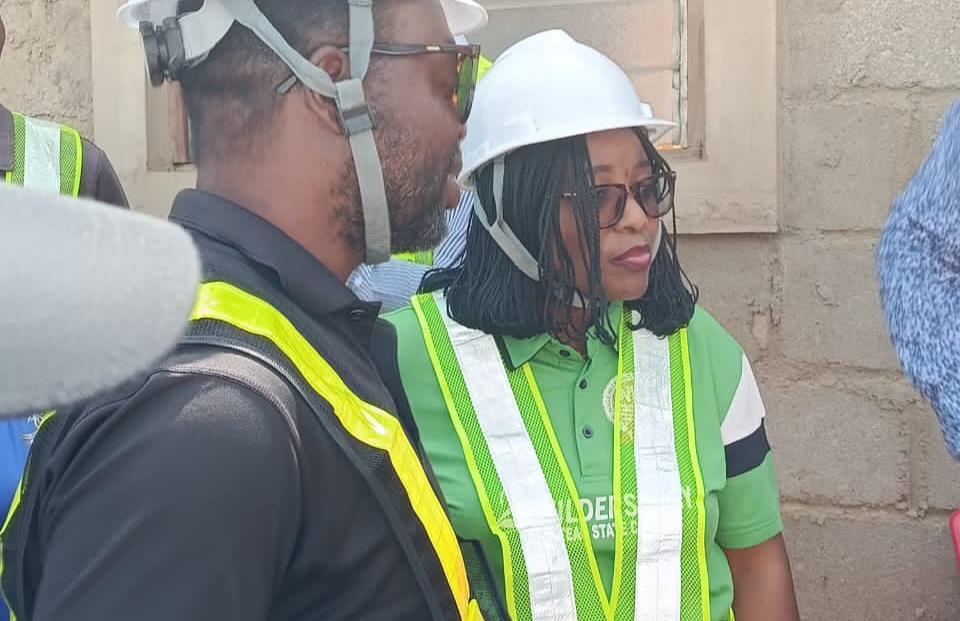
Earlier on, The Chairman of the Plateau State Chapter, Bldr. Grace Pam Wang, said the institute was using the Builders’ Week to sensitise the public on the role of builders in the construction industry.
“Builders are responsible for managing construction sites and ensuring that what is designed by other professionals is properly executed to deliver safe and durable structures,” she said.
She noted that the Builders’ Week celebration also serves as a platform for advocacy and public awareness on the role of builders in society, particularly within the construction sector.
“We are here to advocate and help the public understand what builders do in the community, especially in ensuring safe and quality building production,” Wang stated.