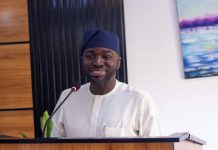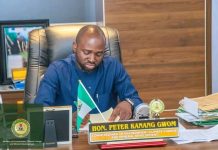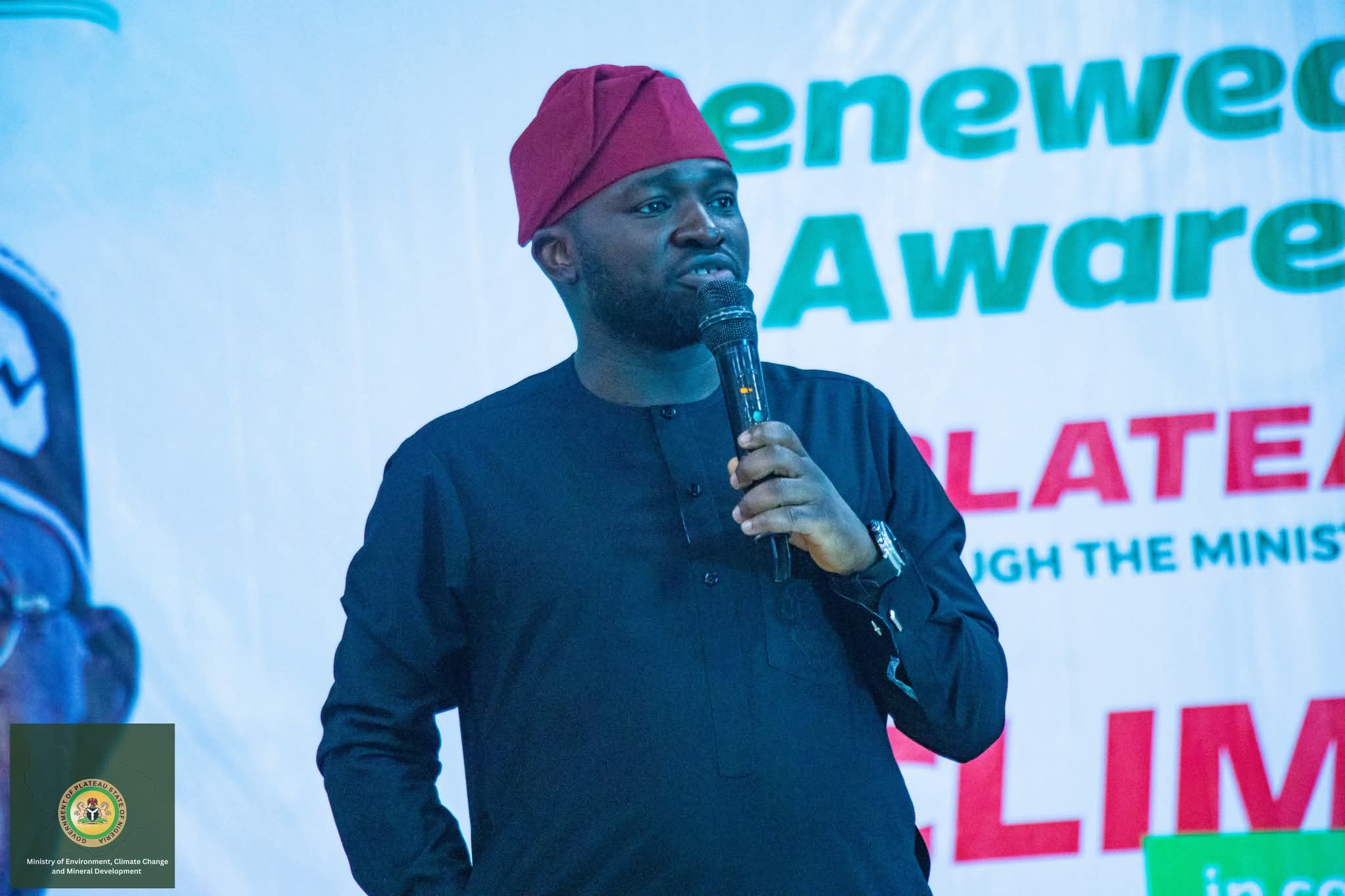
The Commissioner for Environment, Climate Change and Mineral Development, Hon. Peter Kanang Gwom, has declared that Plateau State is adopting a strategic and proactive approach to tackling climate change, rather than reacting to environmental disasters after they occur.
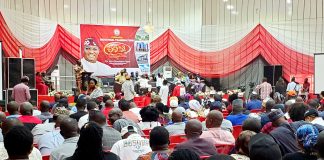
Speaking at the Climate Town Hall organized under the Presidency’s Renewed Hope Climate Change Awareness Tour (REHCCAT) in Jos, the commissioner said climate change has become an urgent reality affecting communities across the state.
“Climate change is no longer a future threat. It is a present reality reshaping lives and livelihoods across Plateau State through floods, erosion, erratic rainfall, land degradation, and biodiversity loss,” Gwom stated.
The commissioner explained that the administration of Governor Caleb Mutfwang has integrated climate governance into its development agenda through deliberate policies and institutional reforms aimed at building environmental resilience.
“Plateau has chosen strategy, not reaction, in addressing climate change. We are building structures and policies that will ensure long-term environmental sustainability and resilience,” he said.
Gwom highlighted key initiatives undertaken by the state government, including the establishment of the Plateau State Climate Assembly, the development of a Climate Change Policy and Action Plan, and the creation of a Climate Council to coordinate climate-related interventions.
He further disclosed that the government has implemented several environmental restoration projects designed to mitigate the impact of climate change while improving the livelihoods of residents.
“Our efforts extend beyond policy. We are investing in ecosystem restoration, reforestation, watershed protection, climate-smart agriculture, and biodiversity conservation to secure the future of our communities,” the commissioner noted.
According to him, more than 2,000 hectares of woodlots have already been established across Plateau’s three senatorial zones as part of efforts to combat deforestation and promote carbon sequestration.
The commissioner also revealed plans for the maiden Plateau Climate Week, which he said would attract investors, innovators, policymakers, and development partners to explore climate investment opportunities in the state.
“Plateau Climate Week will showcase our bankable green projects and position the state as Nigeria’s next frontier for climate investment and sustainable development,” he said.
While acknowledging the progress made so far, Gwom stressed that addressing climate change requires stronger partnerships and increased financial support from stakeholders at all levels.
“Environmental sustainability is capital intensive. We need sustained investments, stronger institutions, and real collaboration to protect our people, our environment, and our economy,” he added.
He called on the Federal Government, development partners, financial institutions, and the private sector to support Plateau State’s climate agenda, emphasizing that collective action remains the most effective pathway to achieving environmental sustainability and climate resilience.