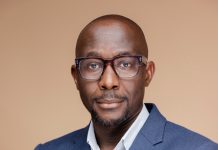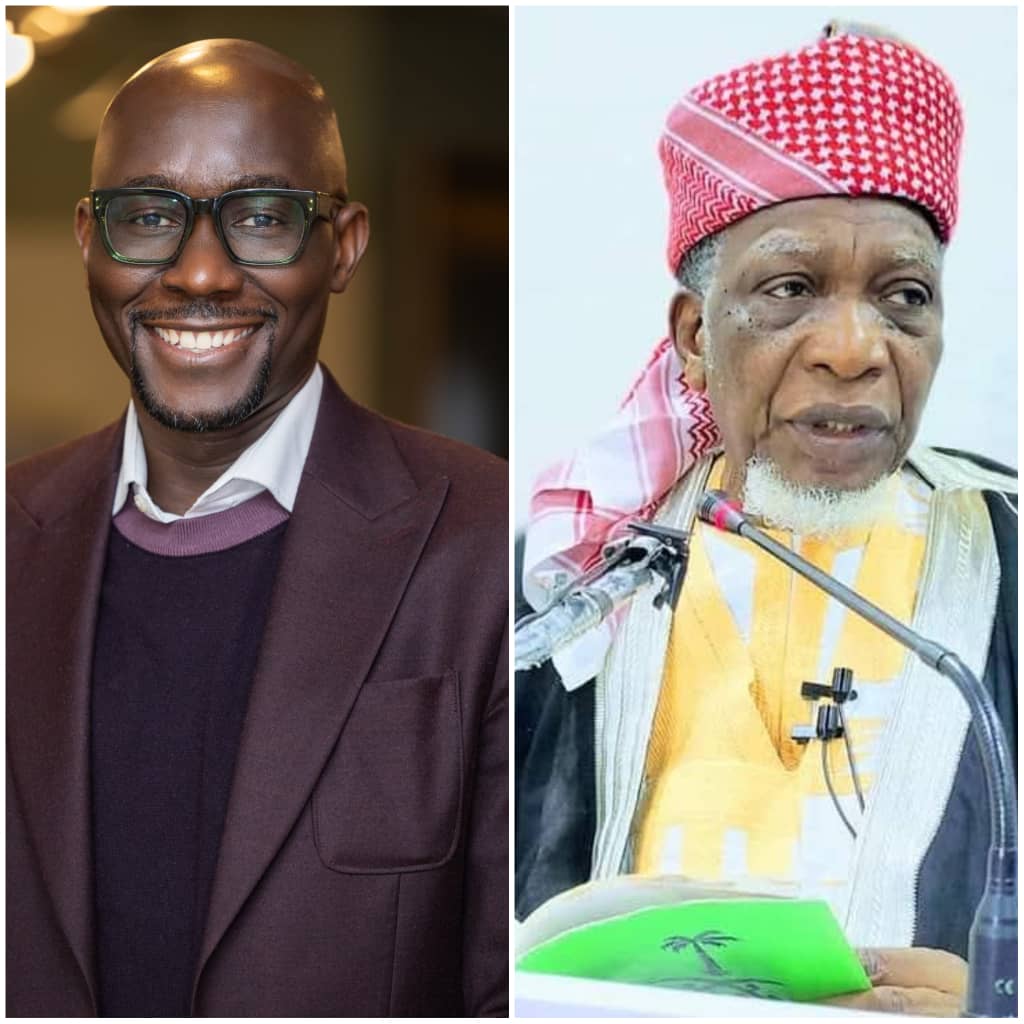
Dr. Barth Shepkong, National President of the Plateau State Association, USA, has warned Sheikh Yahaya Jingir and other religious leaders against promoting what he described as dangerous politics of religious supremacy.
Shepkong, a public policy expert and diaspora leader, gave the warning in an opinion article titled “Sheikh Yahaya Jingir and the Dangerous Politics of Religious Majoritarianism,” where he expressed concern over remarks attributed to the cleric regarding the Muslim-Muslim ticket and political support.
He said political power should not be presented as a contest between religious groups, stressing that democracy was designed to determine who governs rather than which religion prevails.
According to him, electoral victories should not be interpreted as evidence of the numerical or political superiority of one faith over another.
“A Muslim-majority vote does not make Nigeria a Muslim state. A Christian-majority vote would not make Nigeria a Christian state. Nigeria belongs equally to all Nigerians. That principle is non-negotiable,” Shepkong said.
He argued that Nigerians vote to address challenges such as insecurity, poverty, unemployment, corruption, inadequate infrastructure and the rising cost of living, rather than to establish the dominance of one religion.
The Plateau-born policy expert said the major concern was not support for a Muslim-Muslim ticket itself, noting that citizens had the right to hold different political opinions.
He, however, warned against turning political preferences into markers of religious identity and communal strength, saying such an approach could deepen divisions in an already diverse country.
“Once politics becomes a competition for religious supremacy, fellow citizens gradually become rivals, and rivals can eventually become enemies,” he stated.
Shepkong further cautioned influential religious leaders to recognise the responsibility that comes with their platforms, saying their words could either promote peaceful coexistence or deepen existing ethnic and religious fault lines.
He drew attention to Plateau State’s experience with ethno-religious violence, saying residents understood the consequences of allowing religious identity to become politically weaponised.
“We know what happens when religious identity becomes politically weaponized. We know what happens when citizens are encouraged to see one another not as neighbors, but as competitors in a struggle for dominance,” he said.
He also cited former Head of State, General Yakubu Gowon, and his emphasis on preserving Nigeria’s unity, arguing that the country’s diversity required leaders capable of building bridges across religious and ethnic divides.
Shepkong said the challenges confronting Nigerians were largely governance issues and affected citizens across religious and ethnic lines.
He therefore called for a renewed commitment to equal citizenship, stressing that every Nigerian should enjoy equal dignity, protection and opportunity under the law.
“Nigeria does not need religious majoritarianism. It does not need clerics measuring political success by the dominance of one faith community over another. What Nigeria needs is a renewed commitment to equal citizenship,” Shepkong said.
He urged religious leaders to use their influence to promote justice, accountability, peace, mutual respect and the common good rather than deepen divisions.
Shepkong stressed that his intervention was neither partisan nor sectarian, but driven by the need to prevent religion from becoming a political weapon.
He said the experience of Plateau State should serve as a reminder that societies are strongest when leaders promote coexistence and mutual understanding.