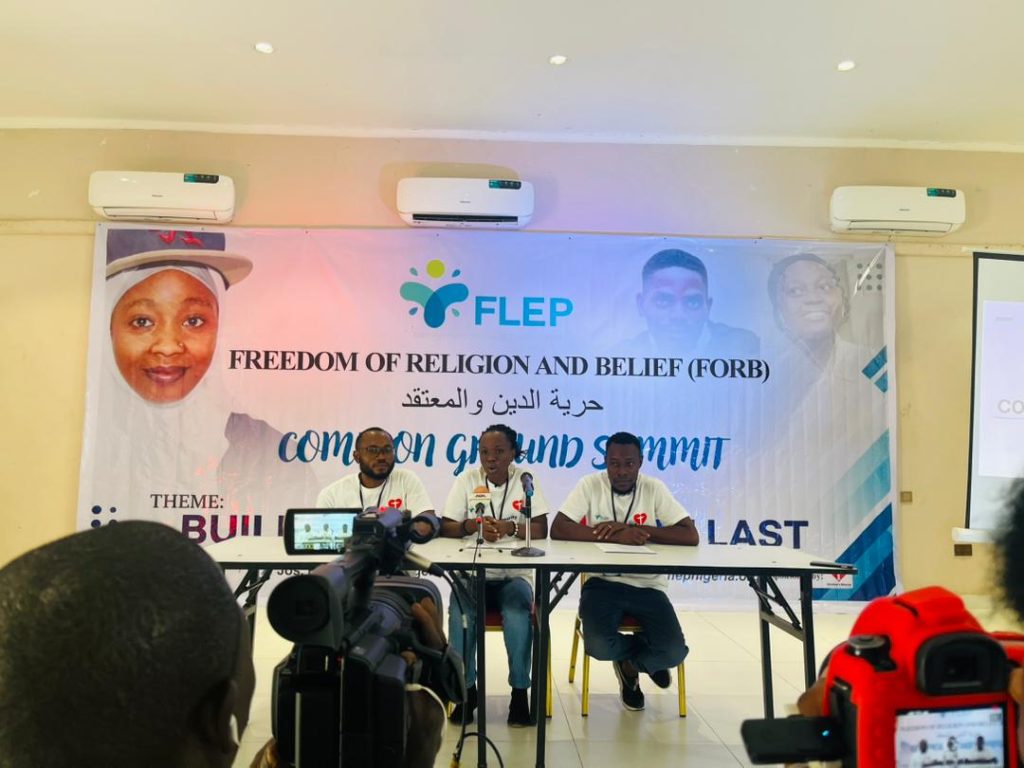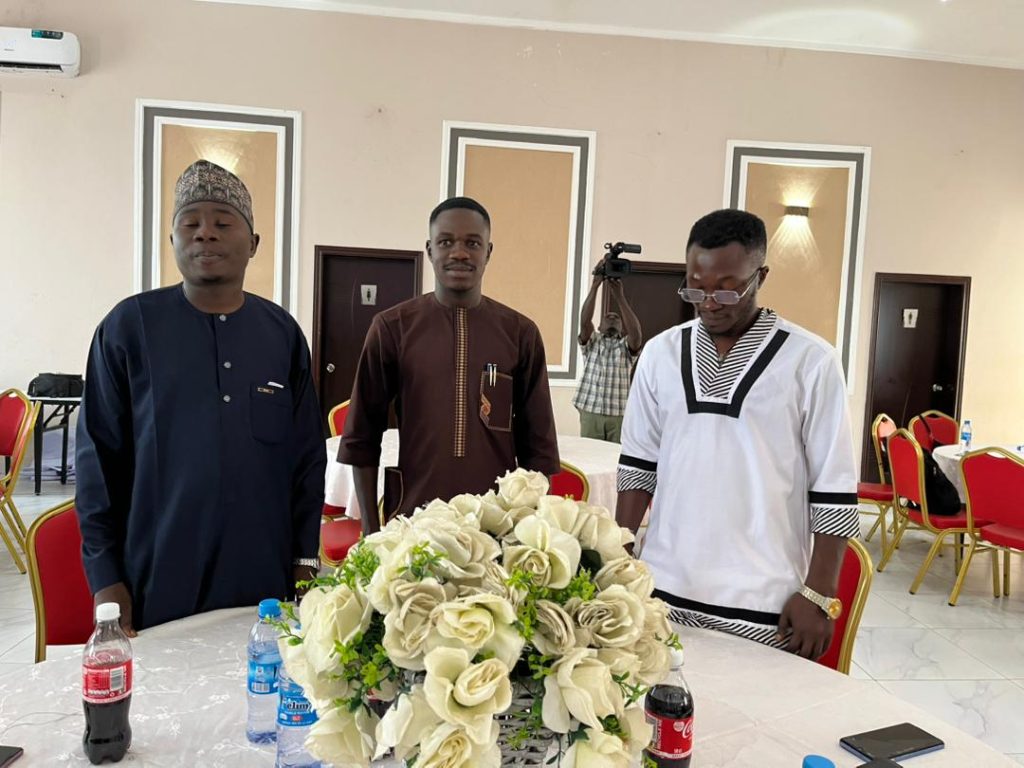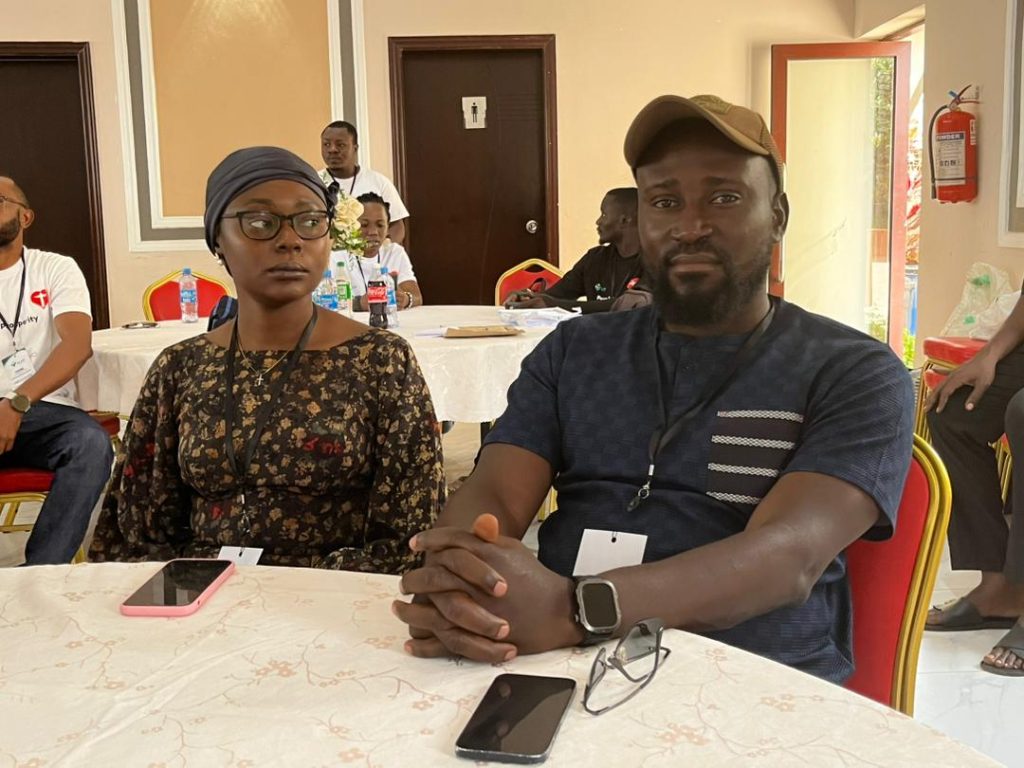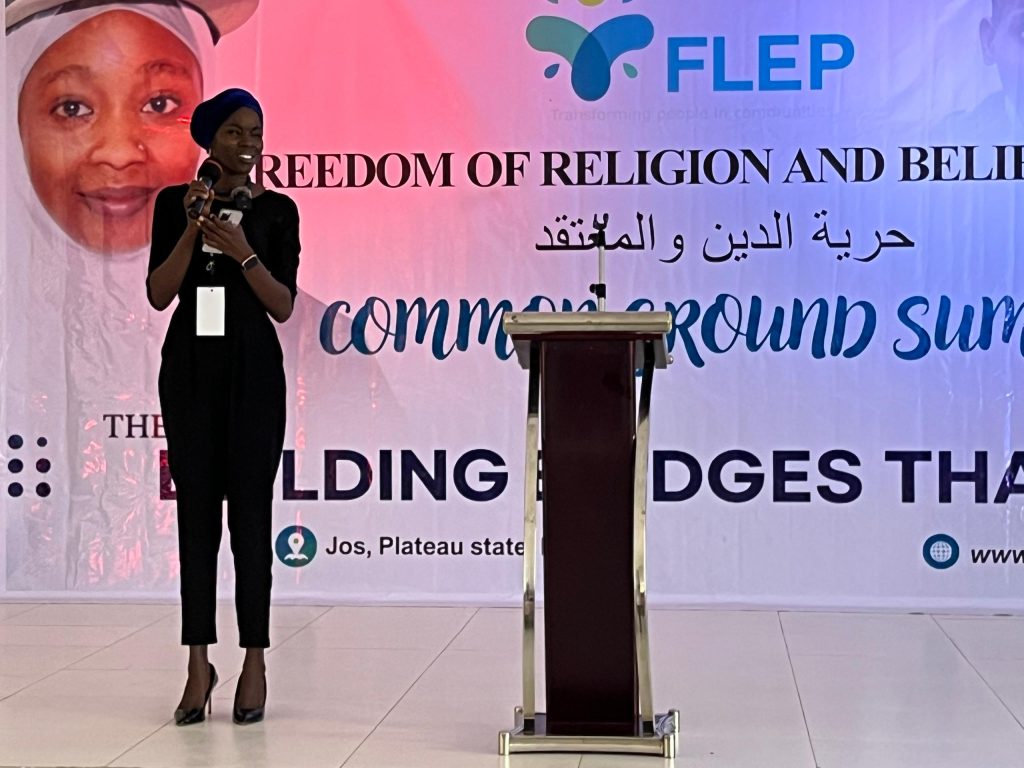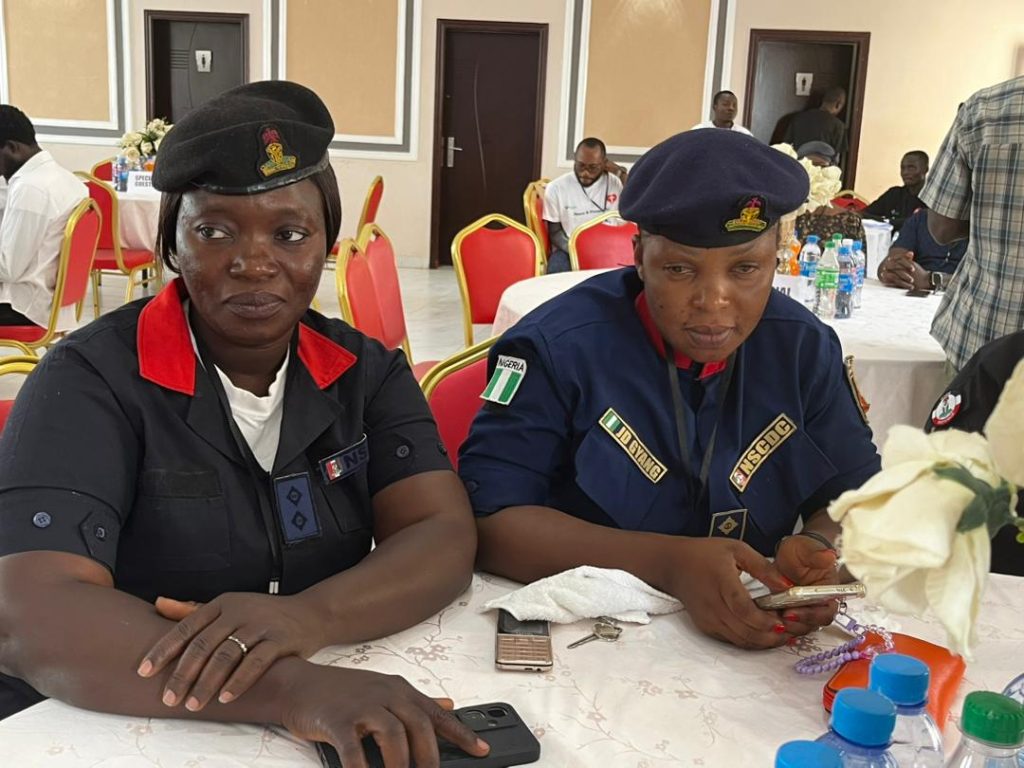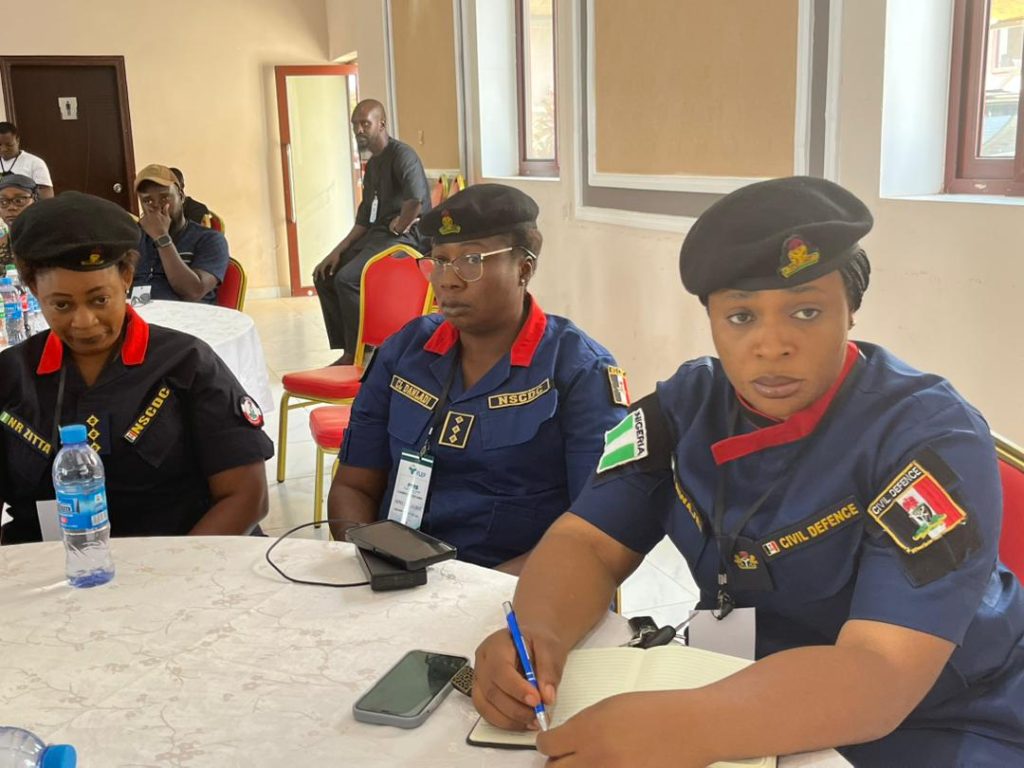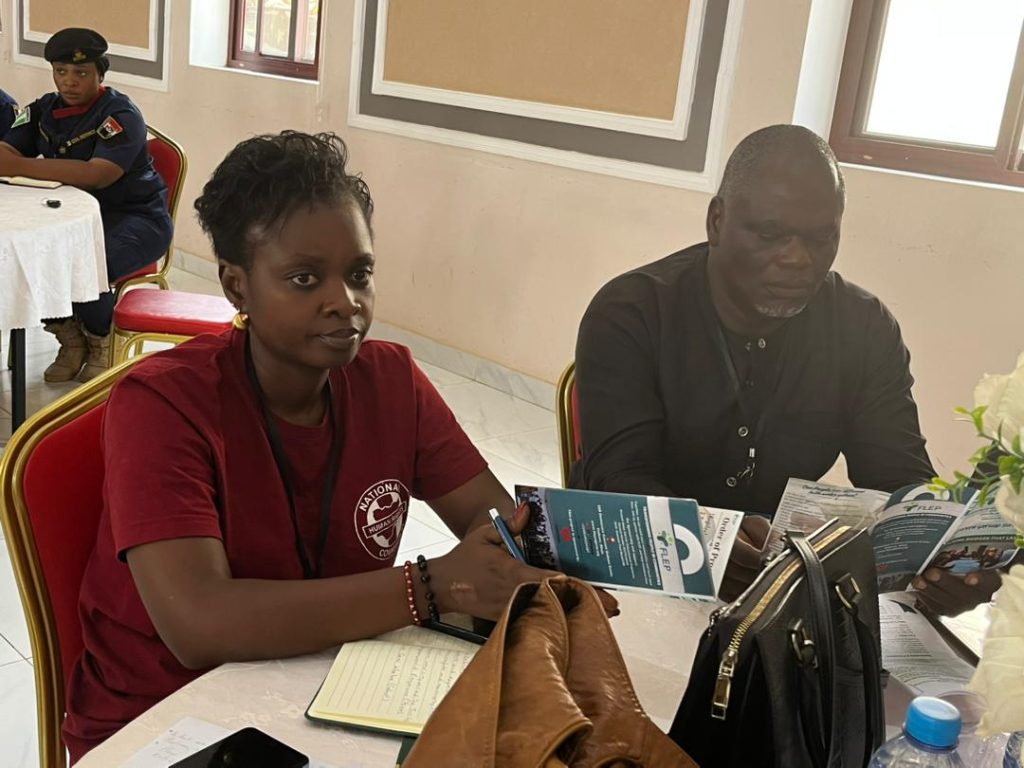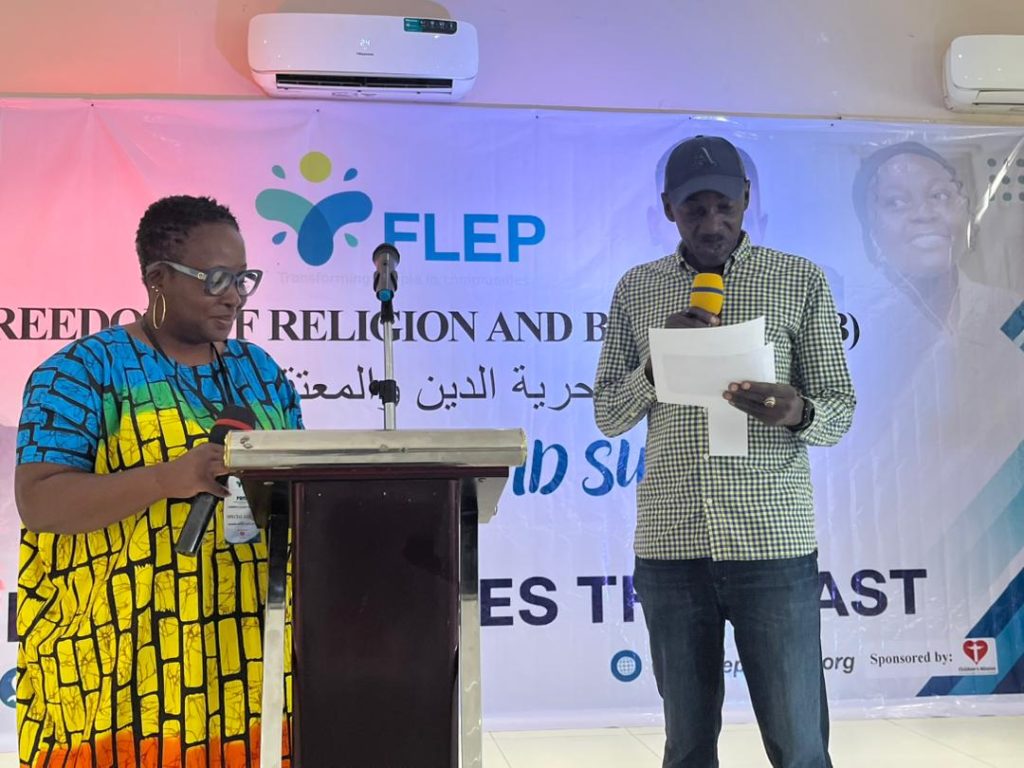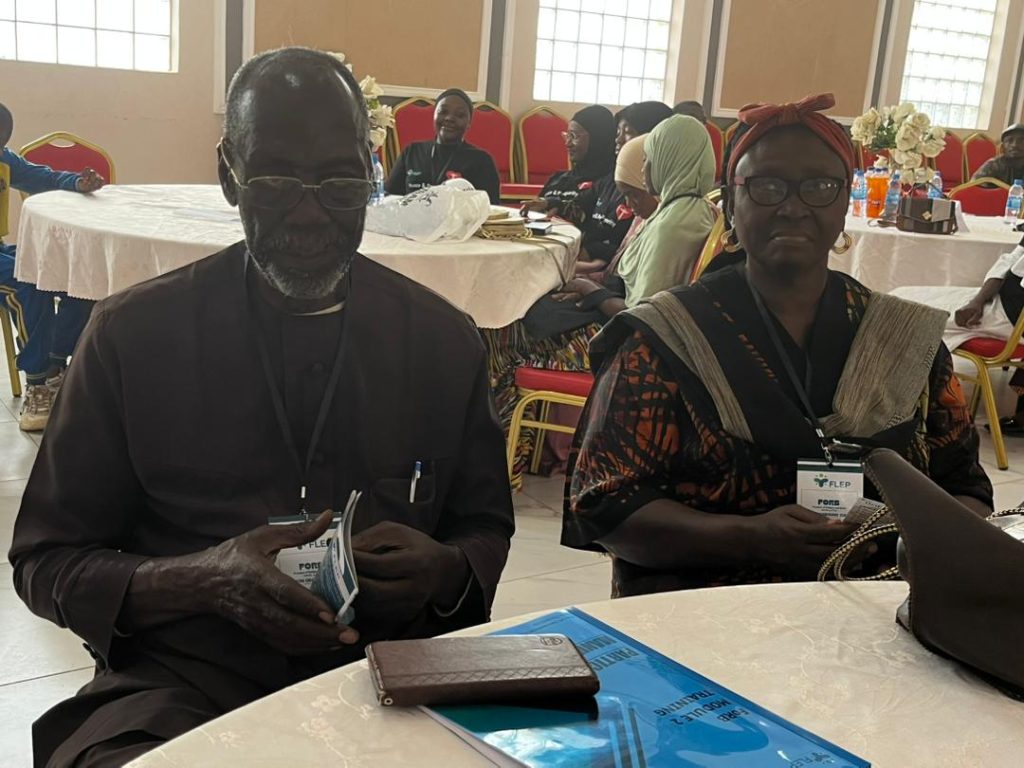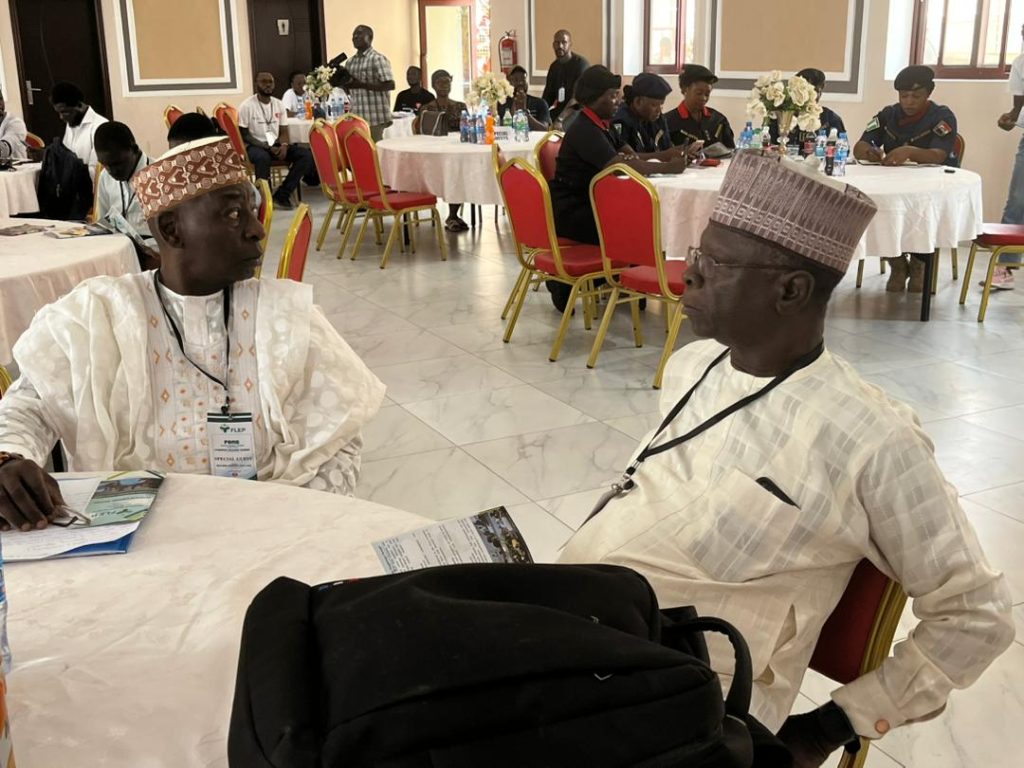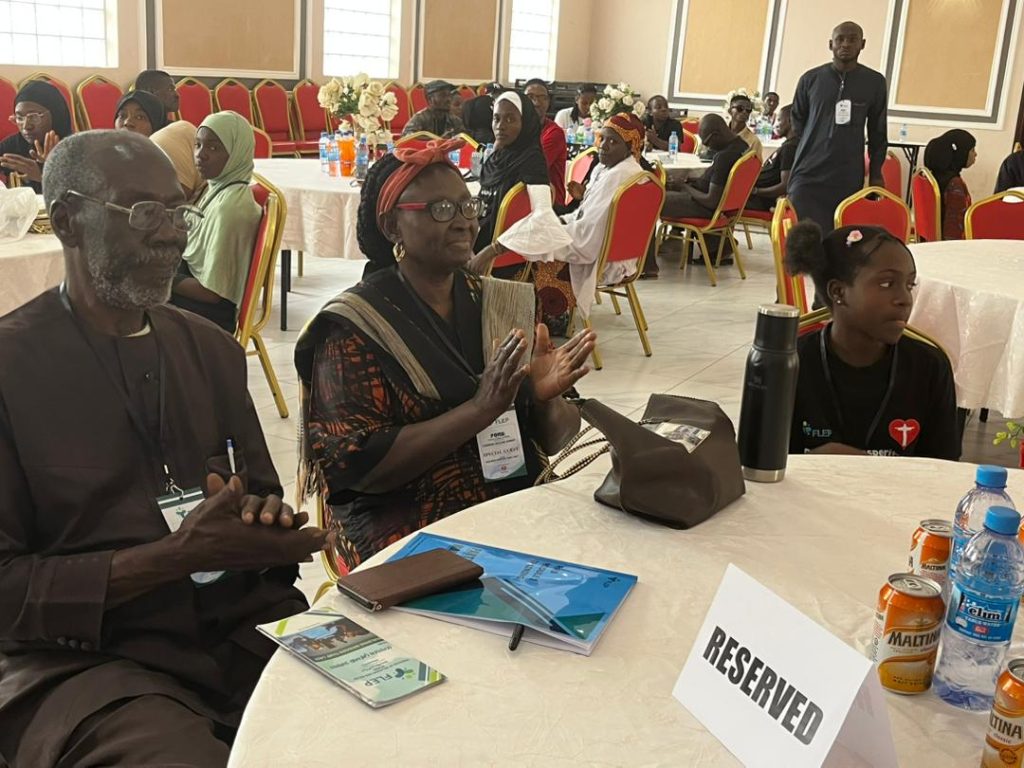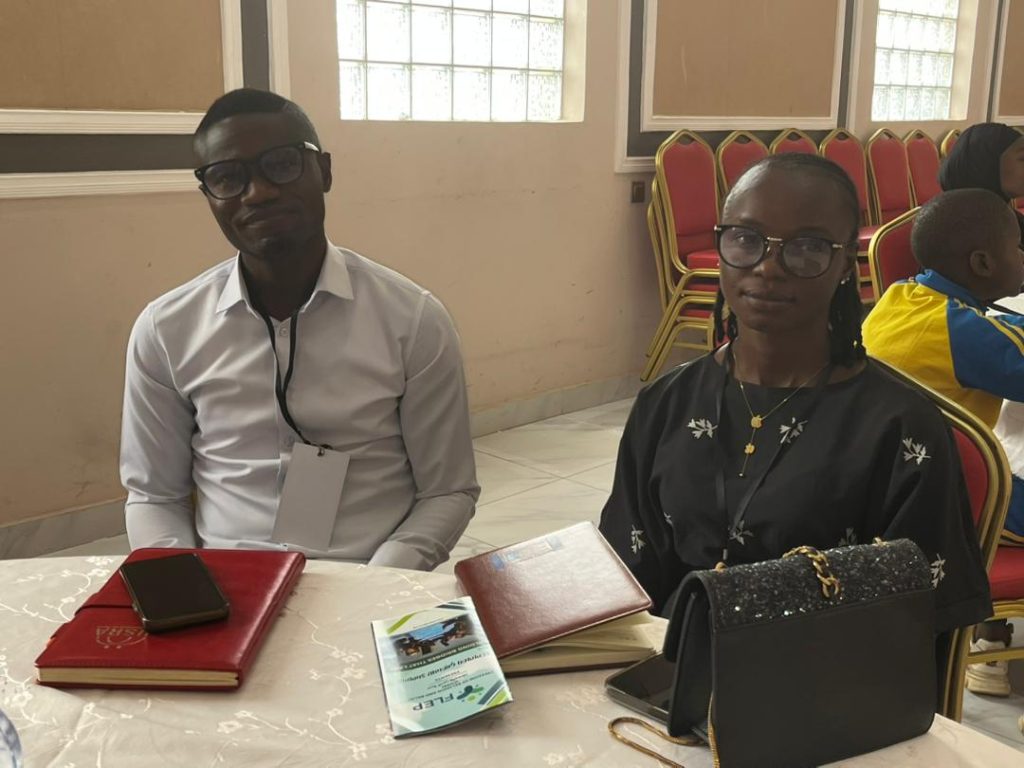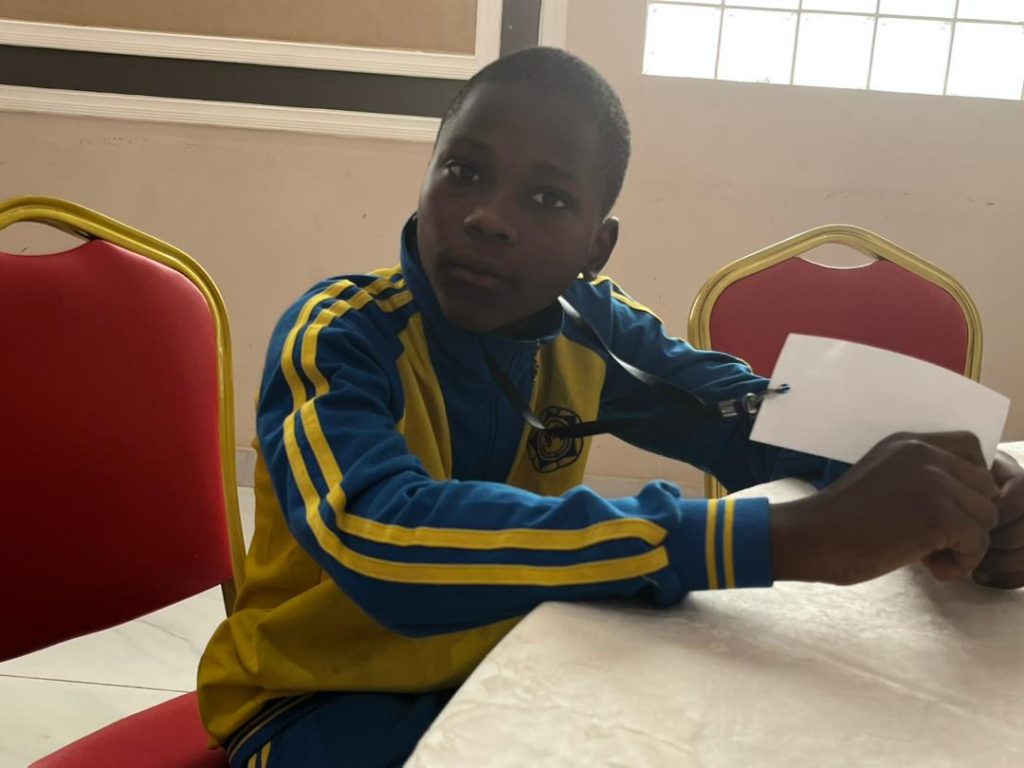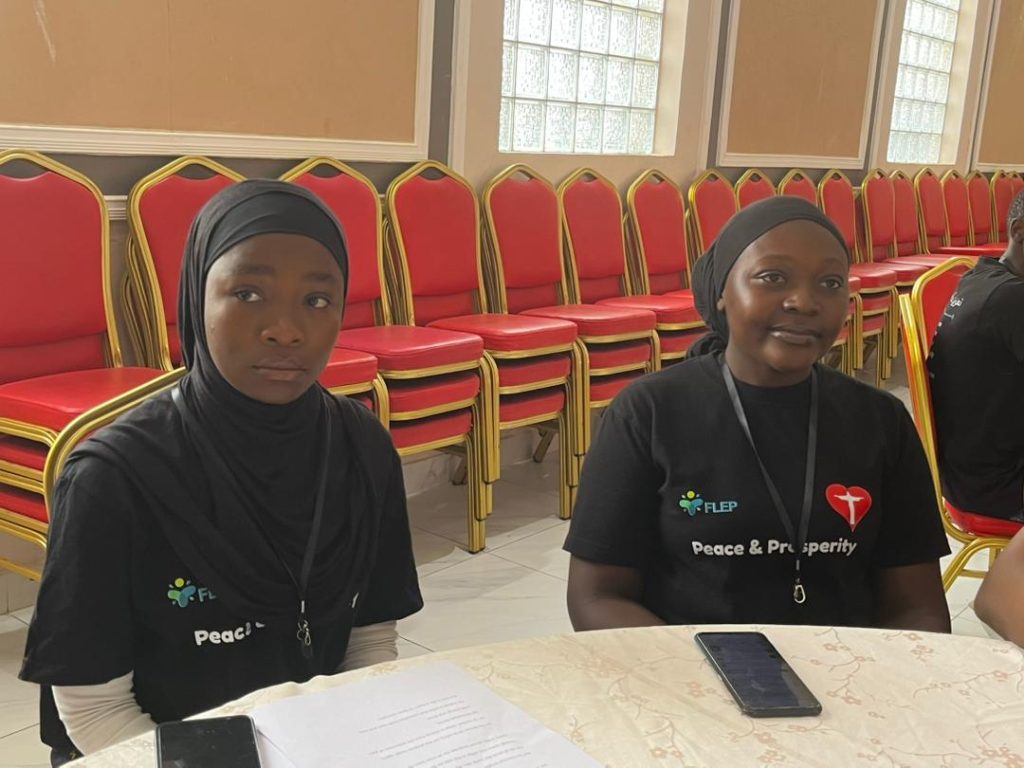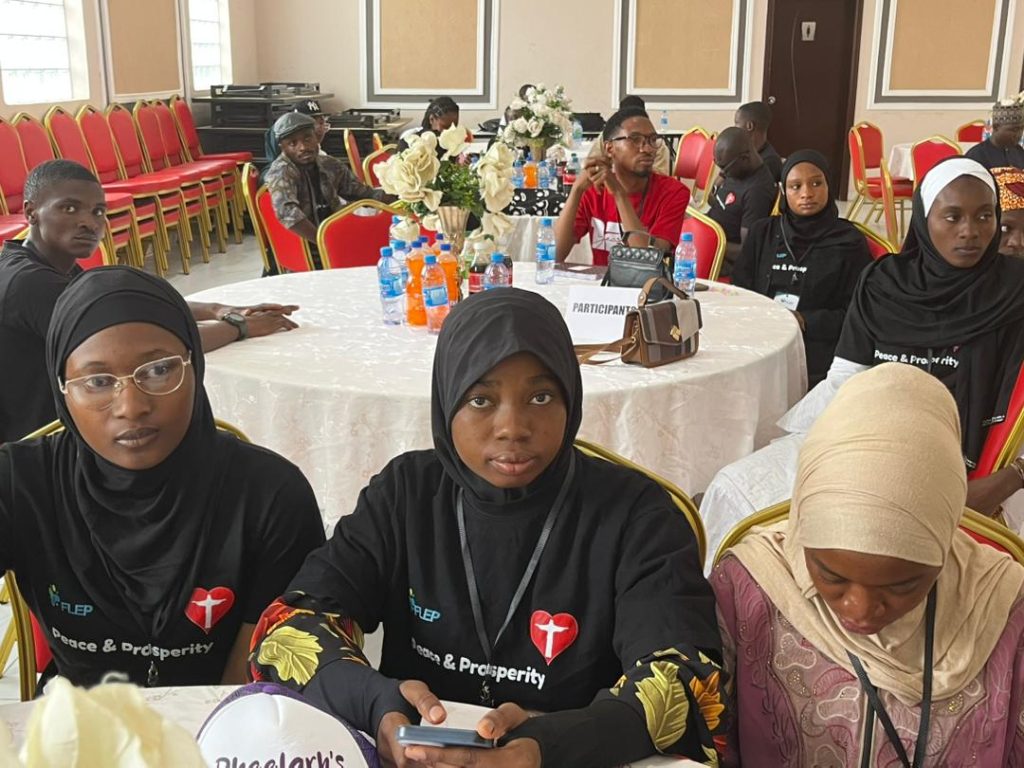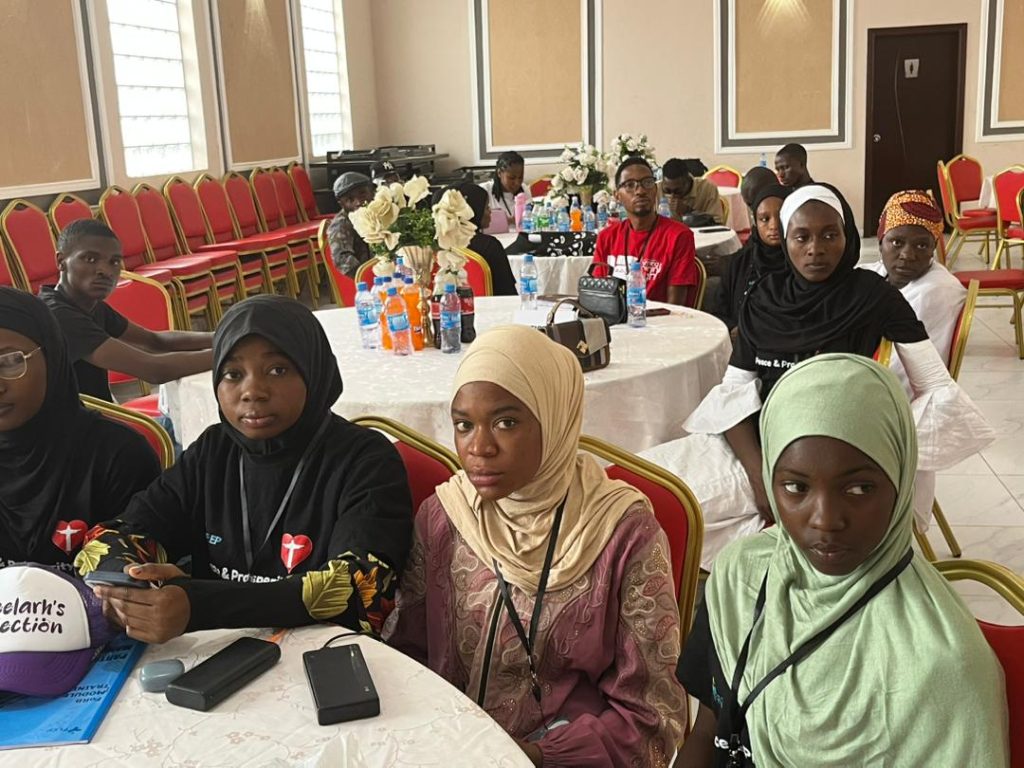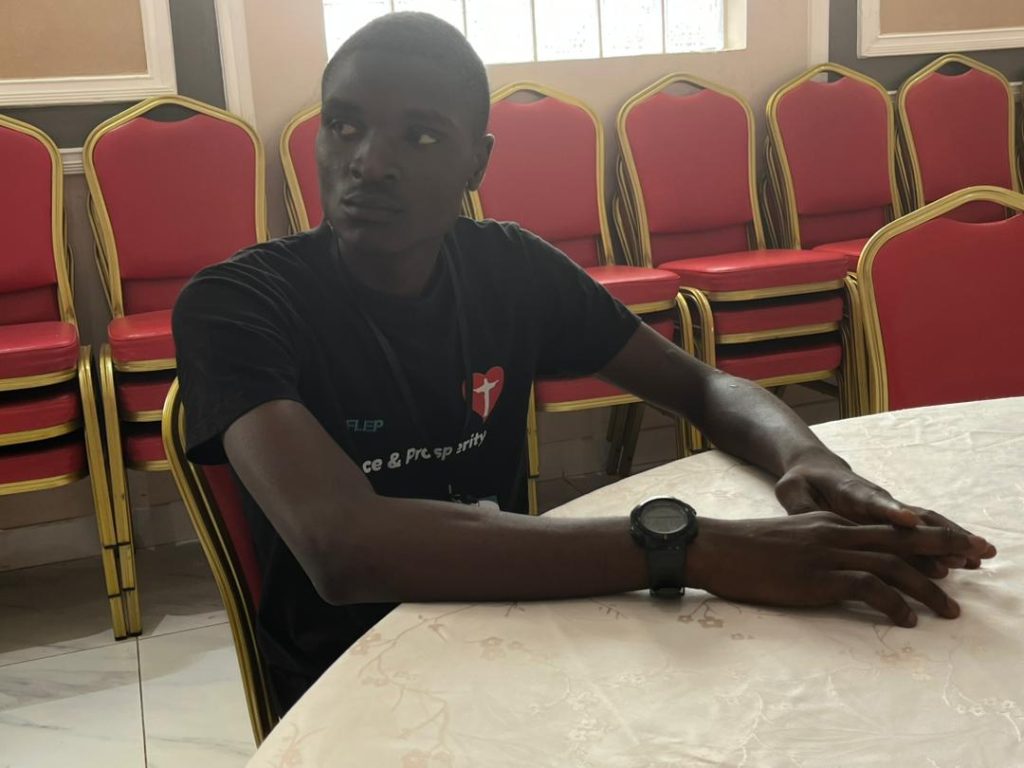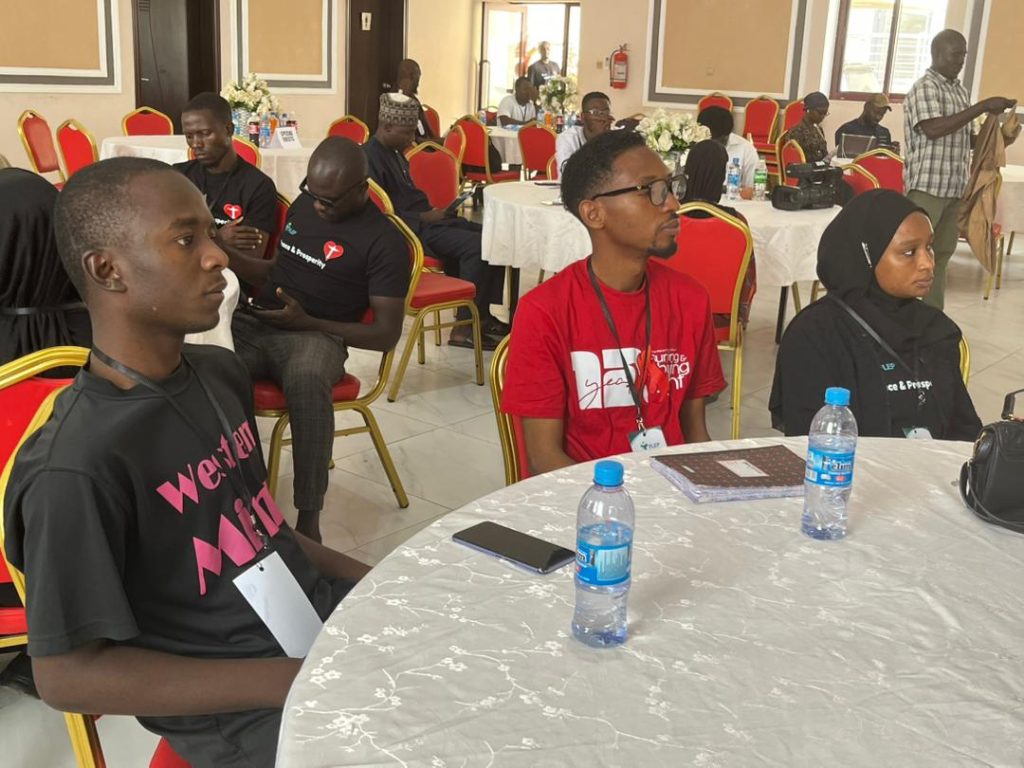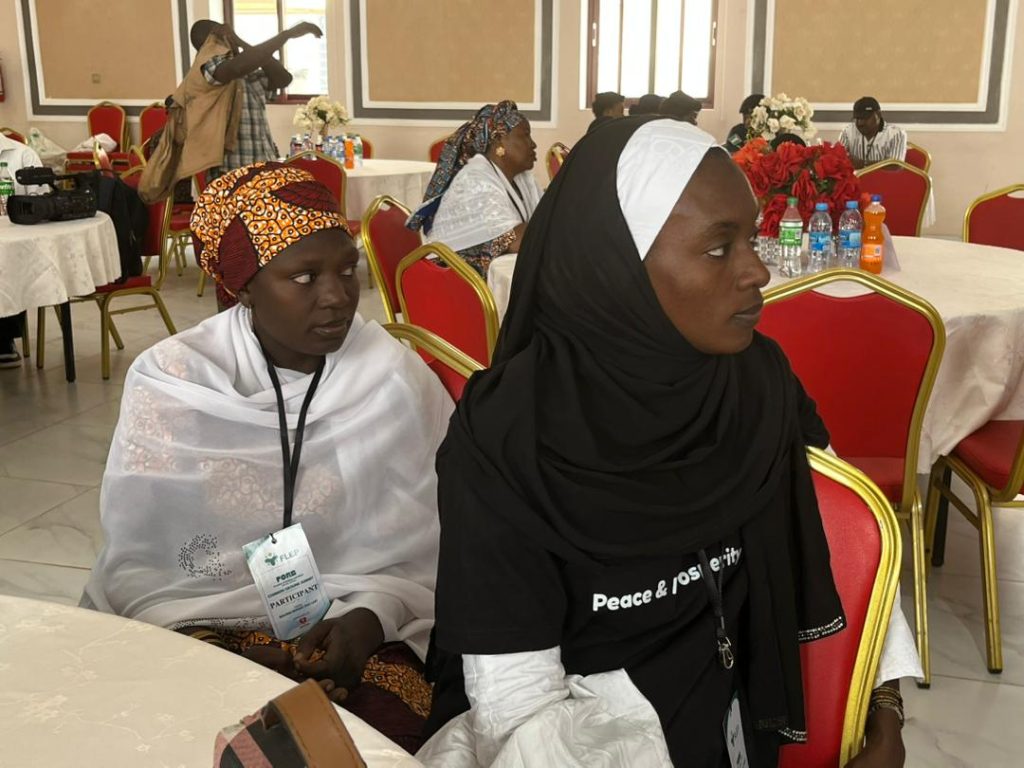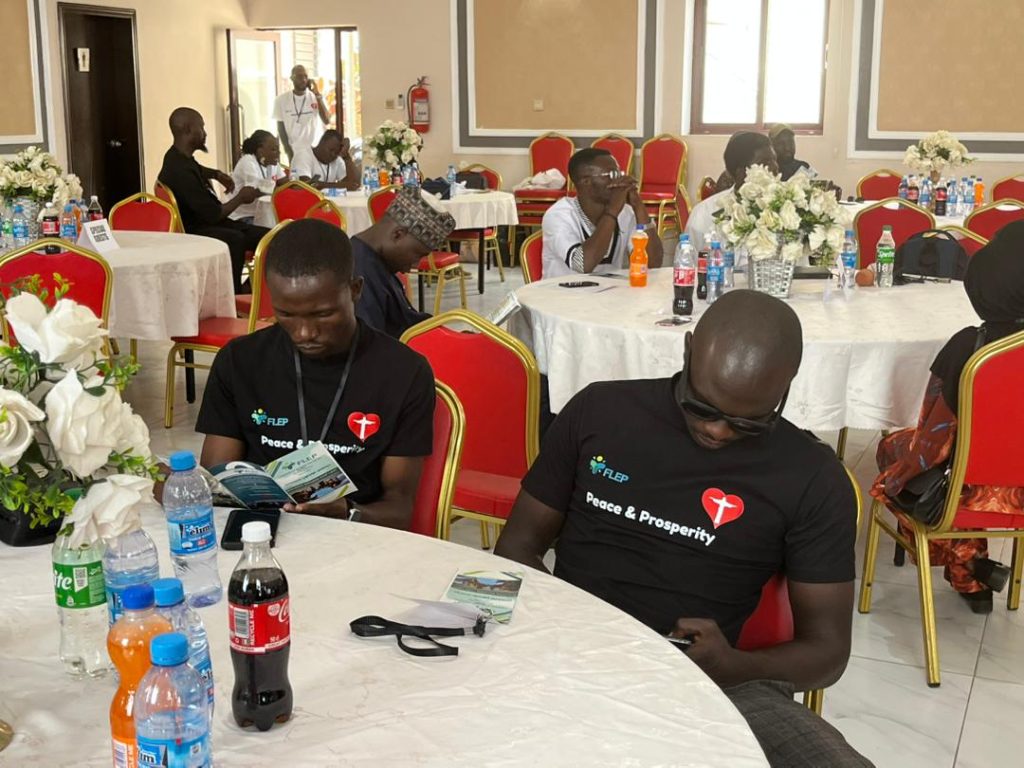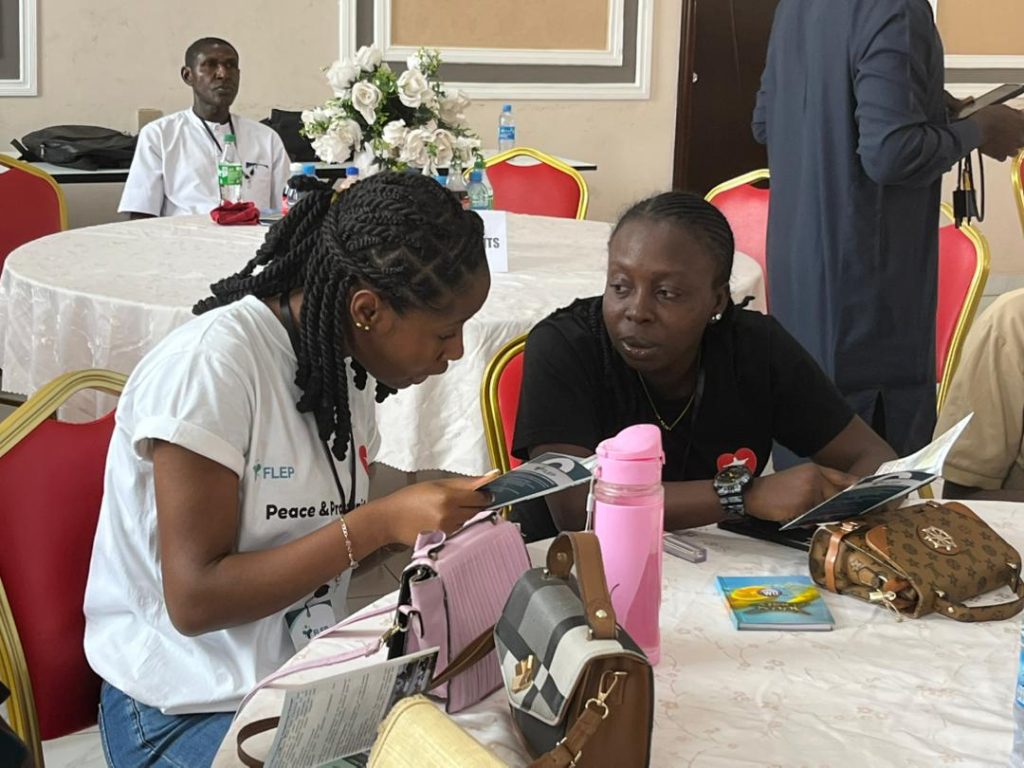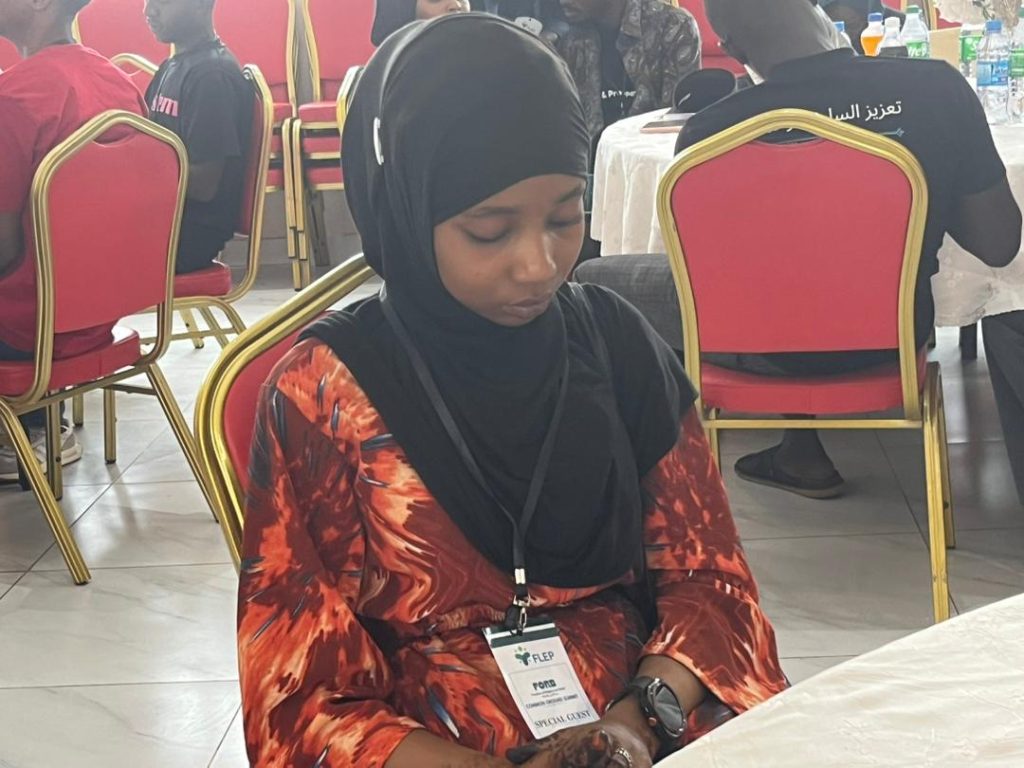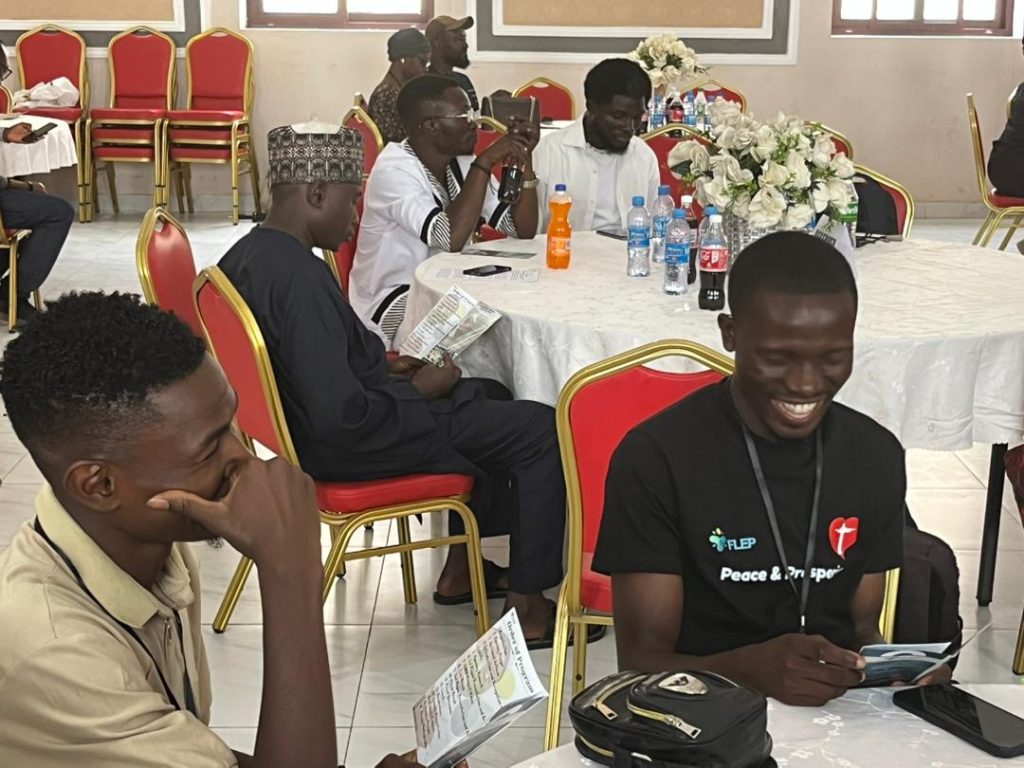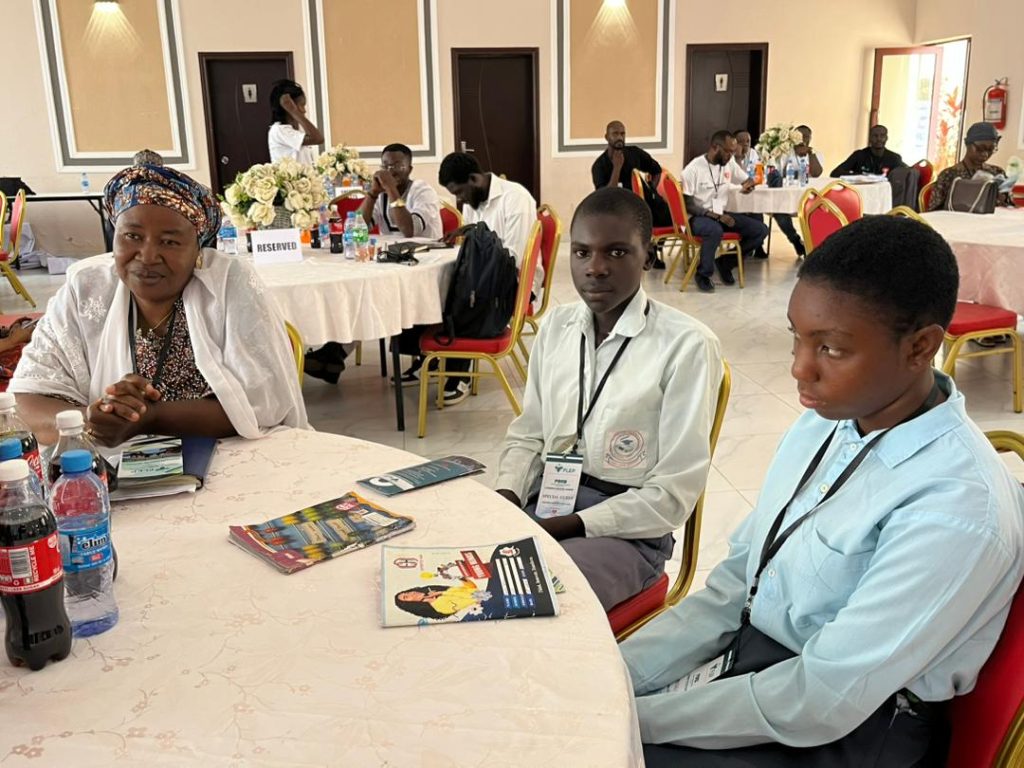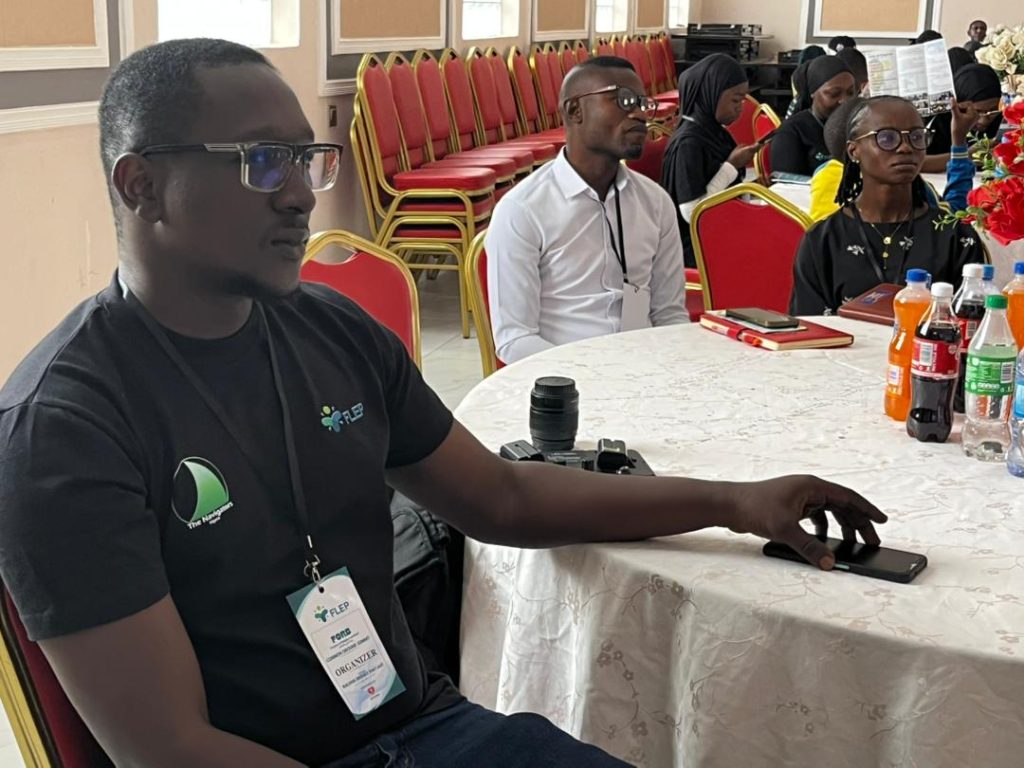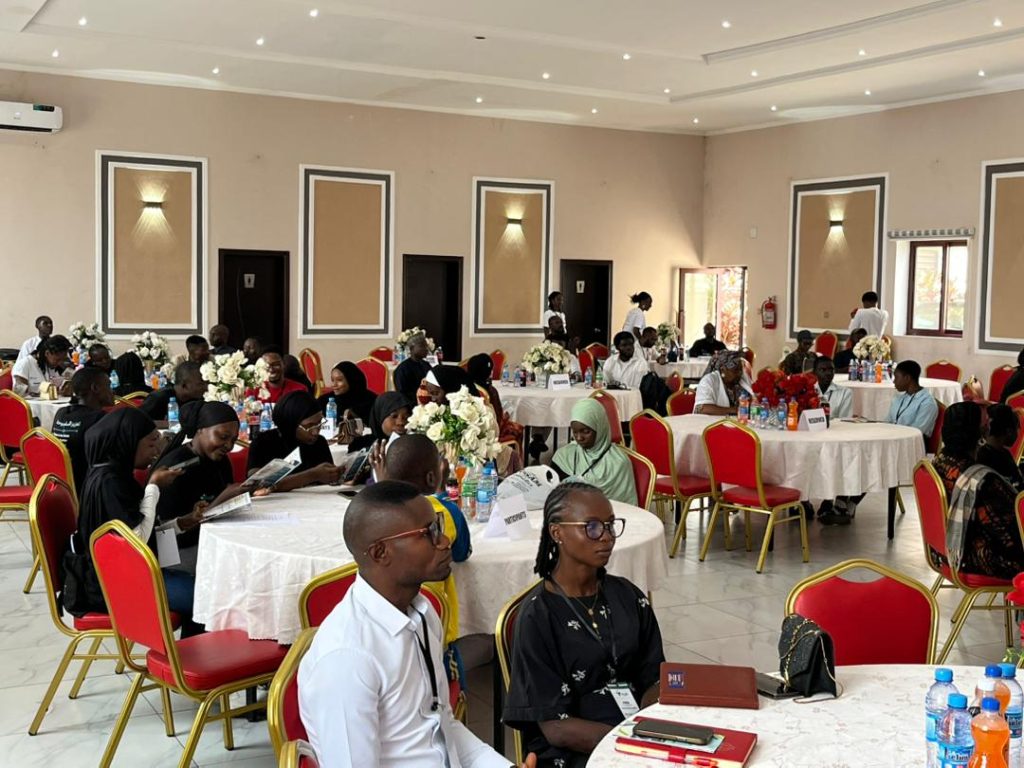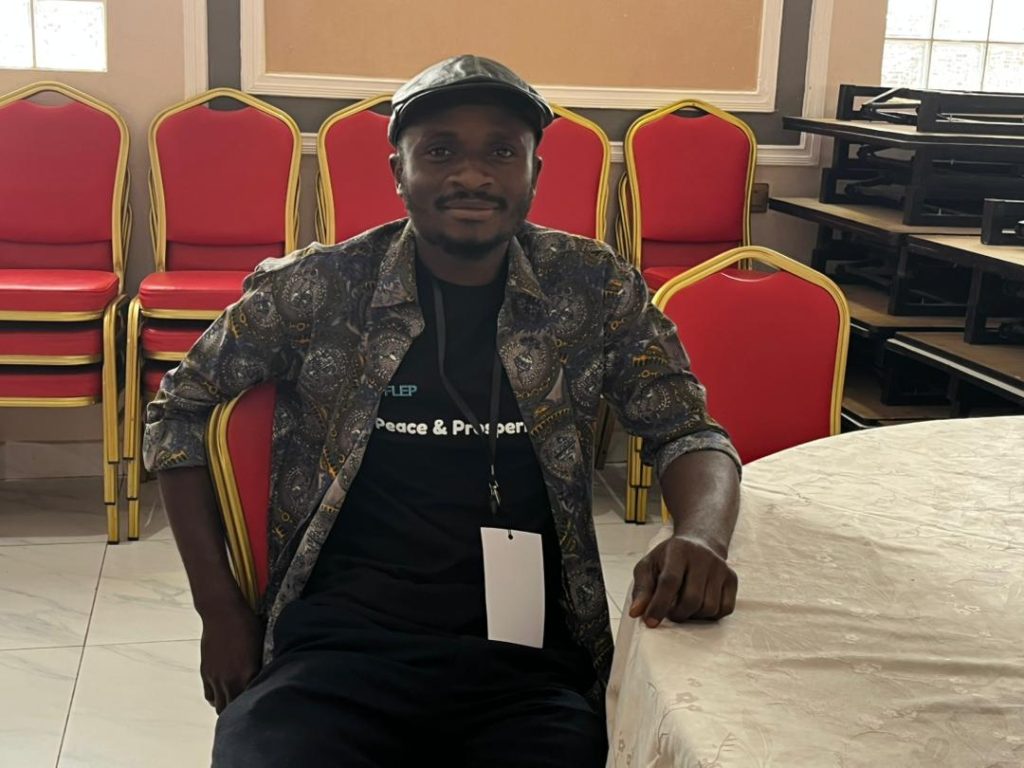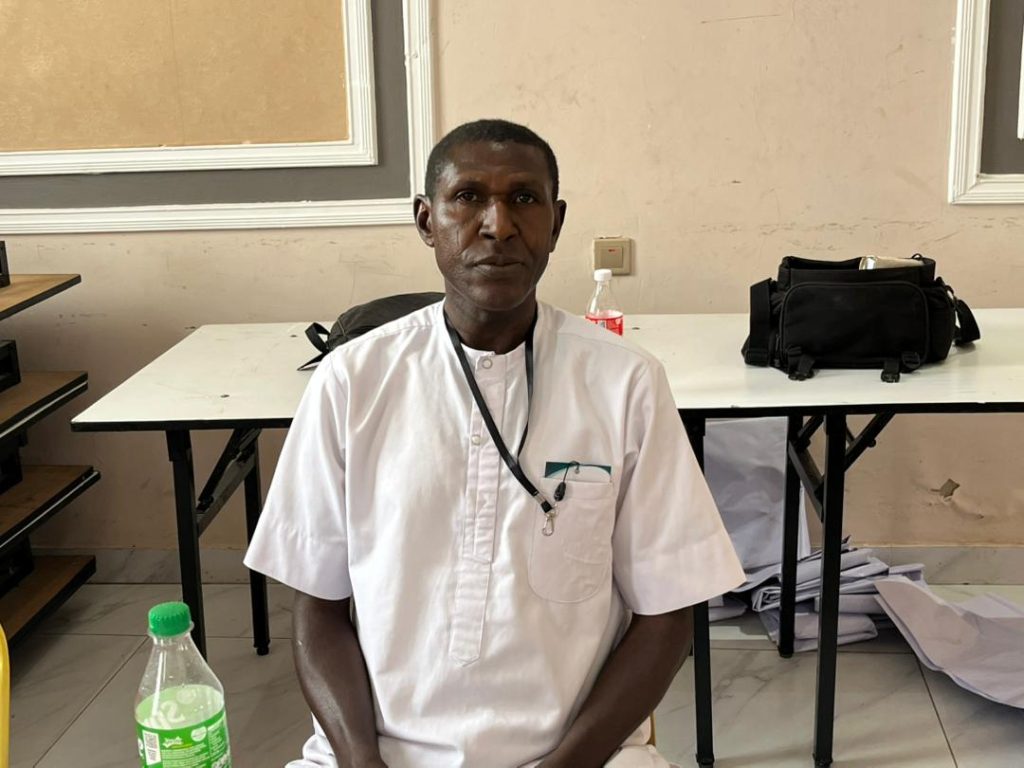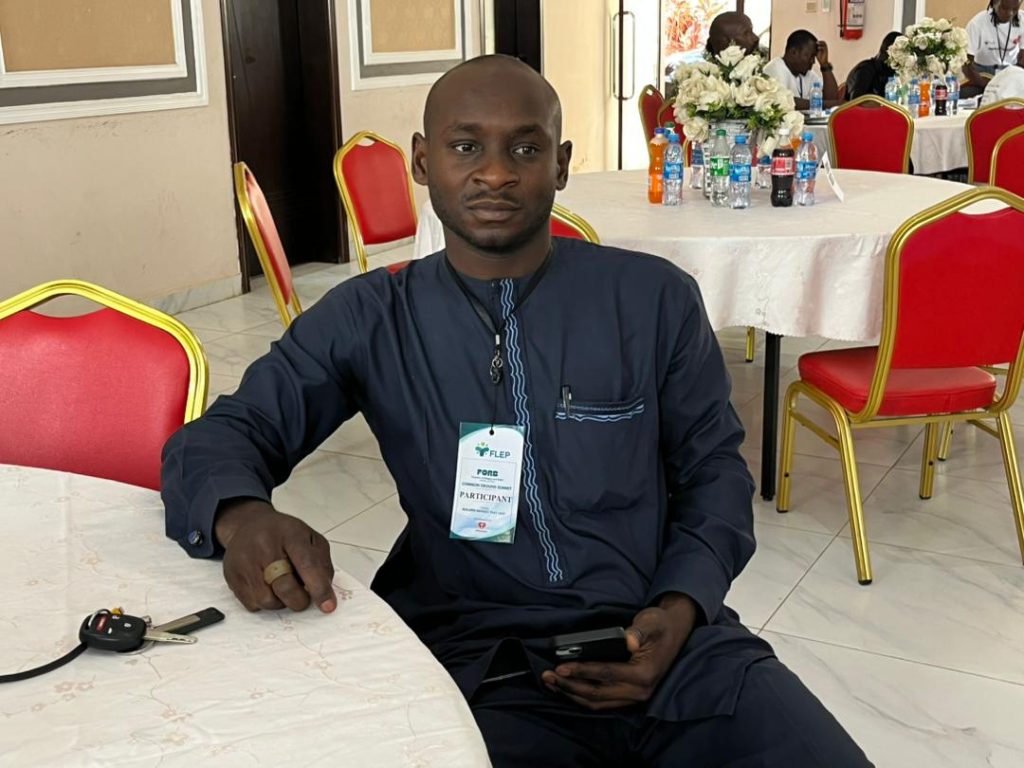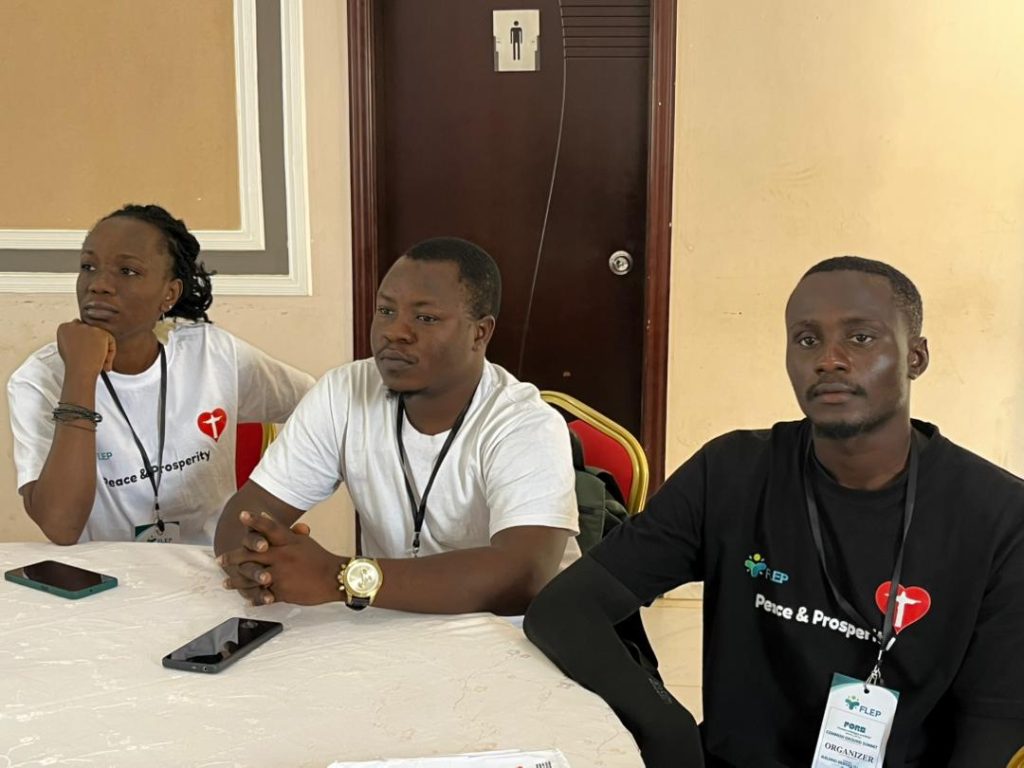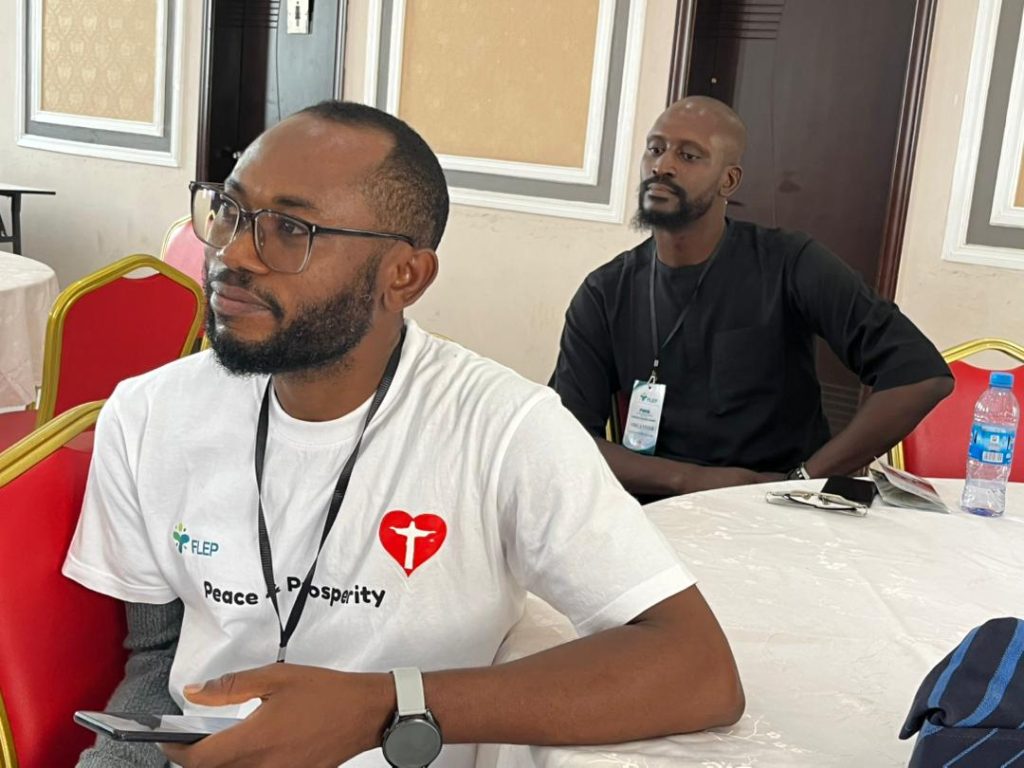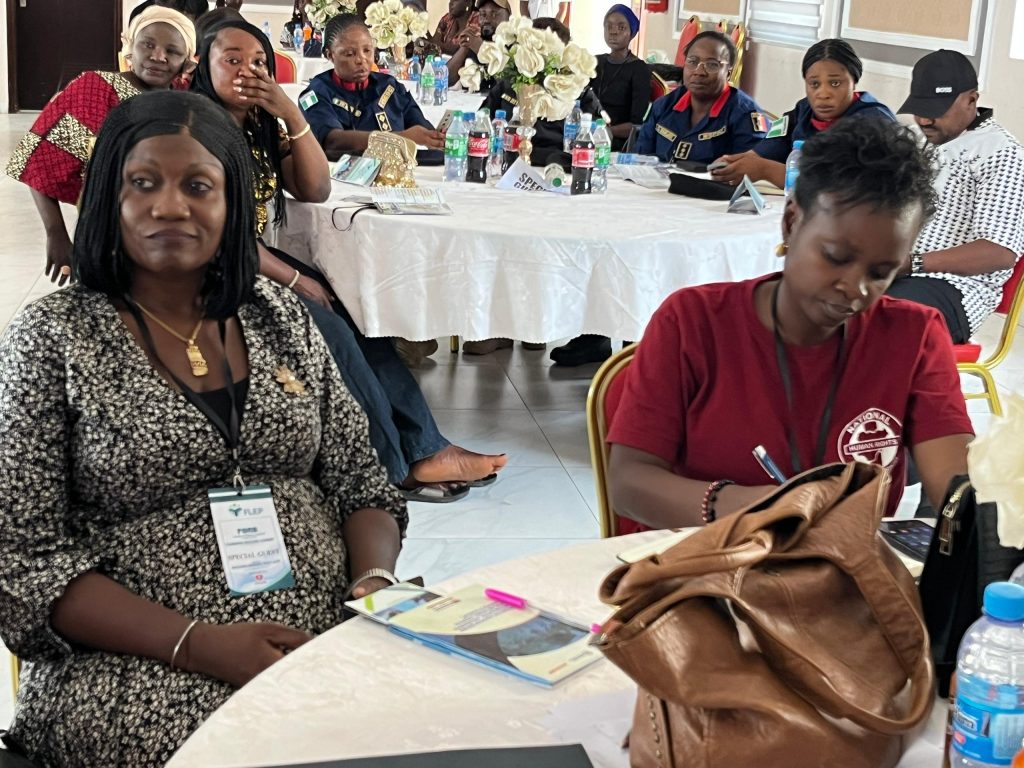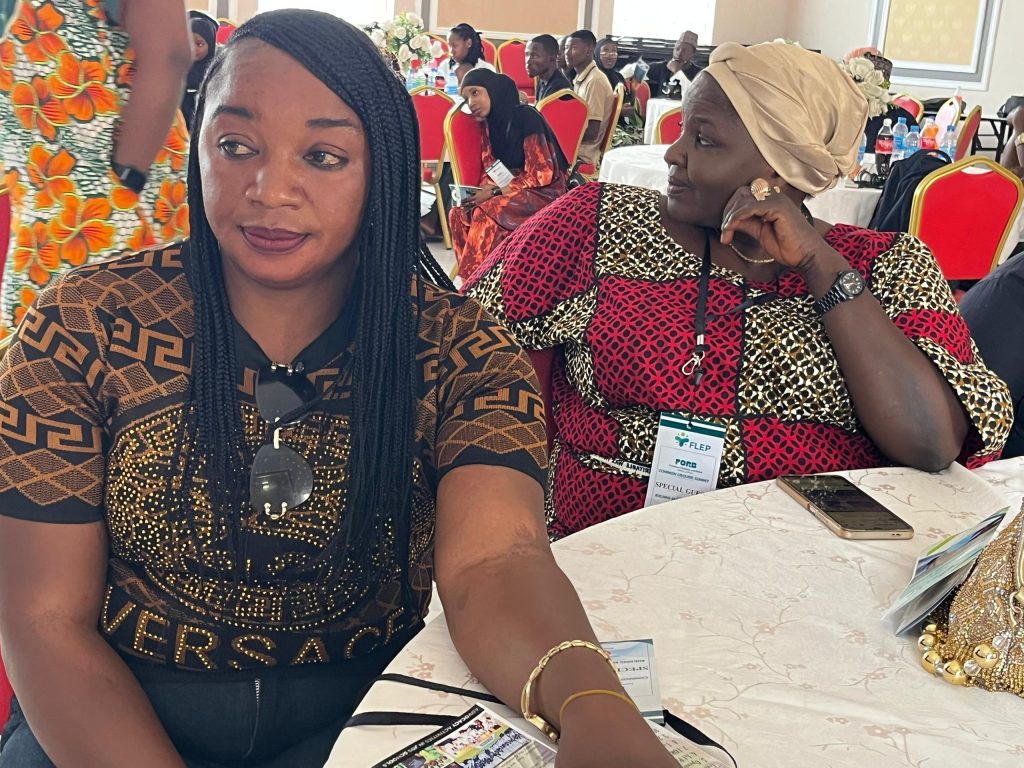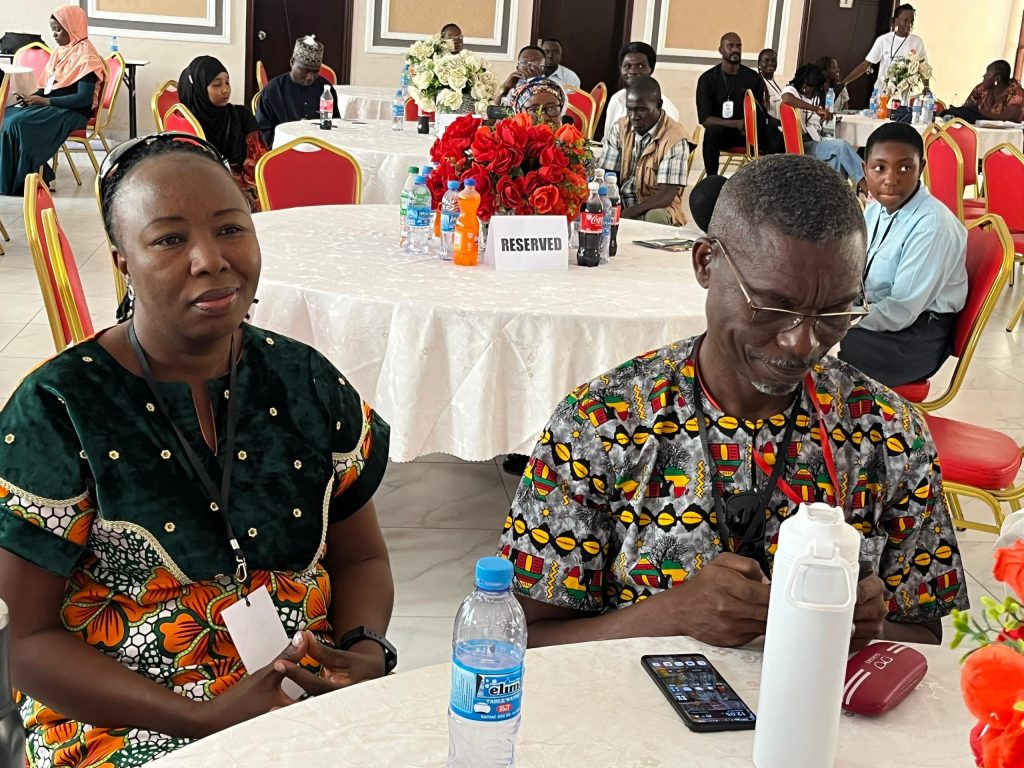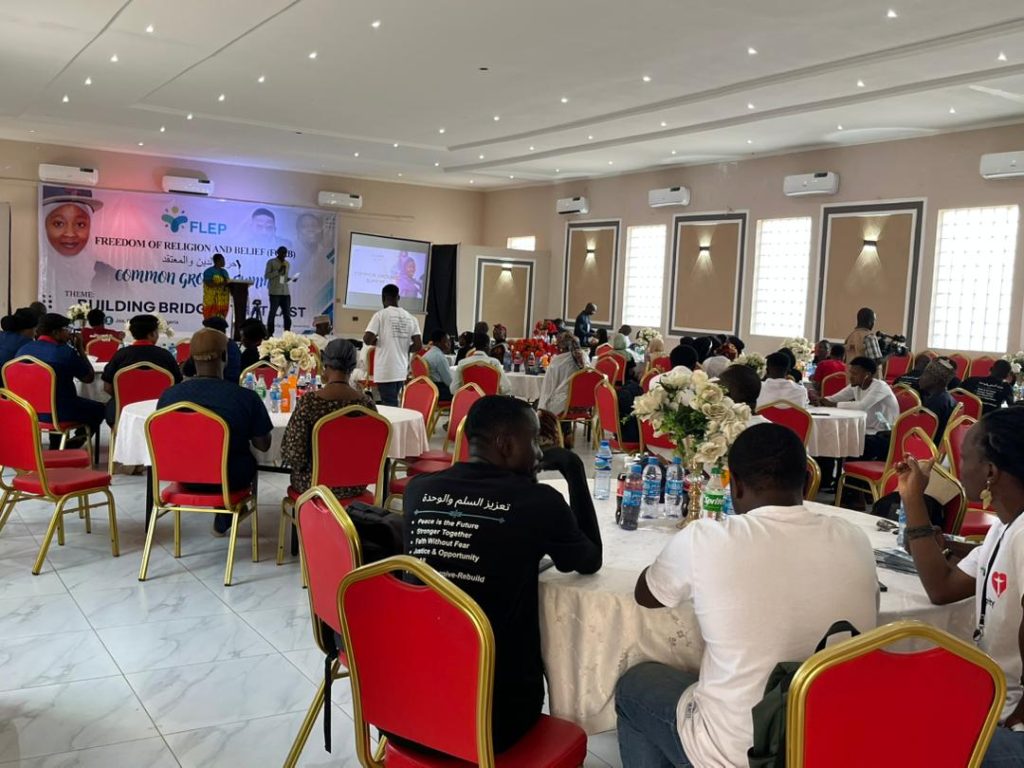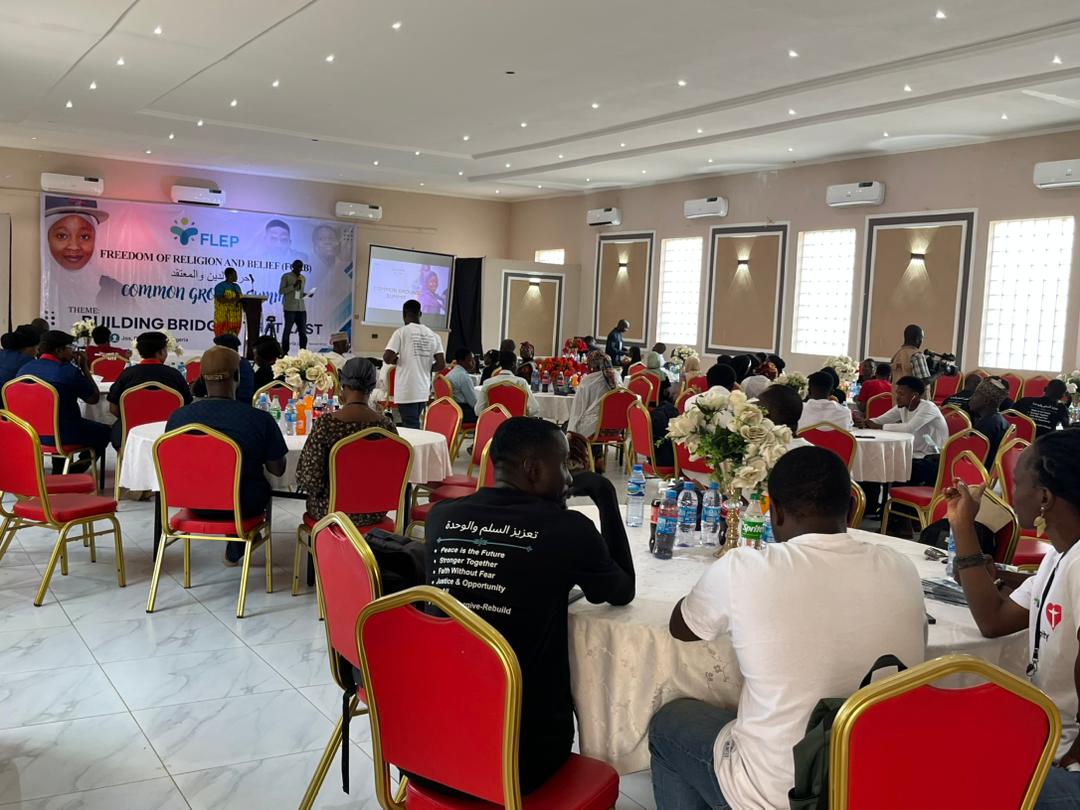
The Full Life Empowerment Programme (FLEP) concluded its Freedom of Religion and Belief (FoRB) project with a high-profile Common Ground Summit in Jos. The summit, themed “Building Bridges That Last,” brought together security agencies, stakeholders, civil society organisations, and peacebuilders.
Held at Fox Hotel, the event focused on promoting religious freedom and peaceful coexistence. Discussions emphasized strengthening unity, building trust, and fostering collaboration across diverse communities.
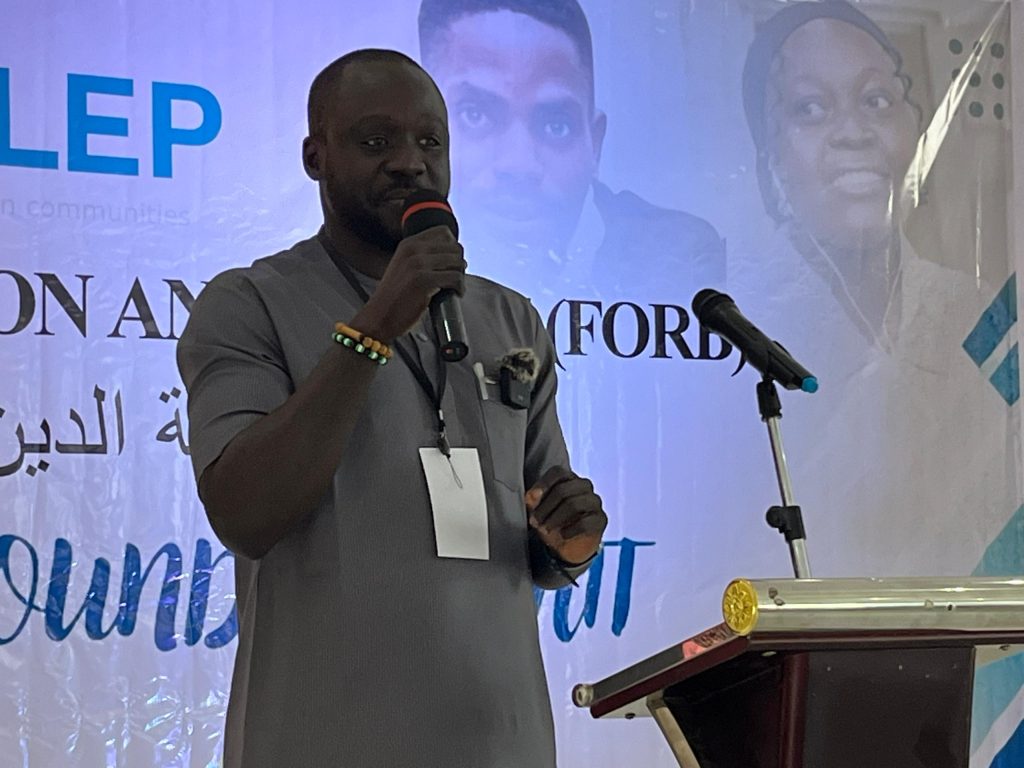
Jonathan Husseini, Leader of FLEP in Nigeria, in his opening remarks, expressed gratitude to participants and partners. He noted that the project had grown from a simple idea into a strong example of unity across faiths.
Husseini explained that participants overcame divisions to build relationships, share skills, and create opportunities. He added that the initiative went beyond economics, focusing on dignity, trust, and peace through collaboration.
He urged participants to sustain the relationships formed and to continue building a united and peaceful society, emphasizing the need for ongoing commitment beyond the project.
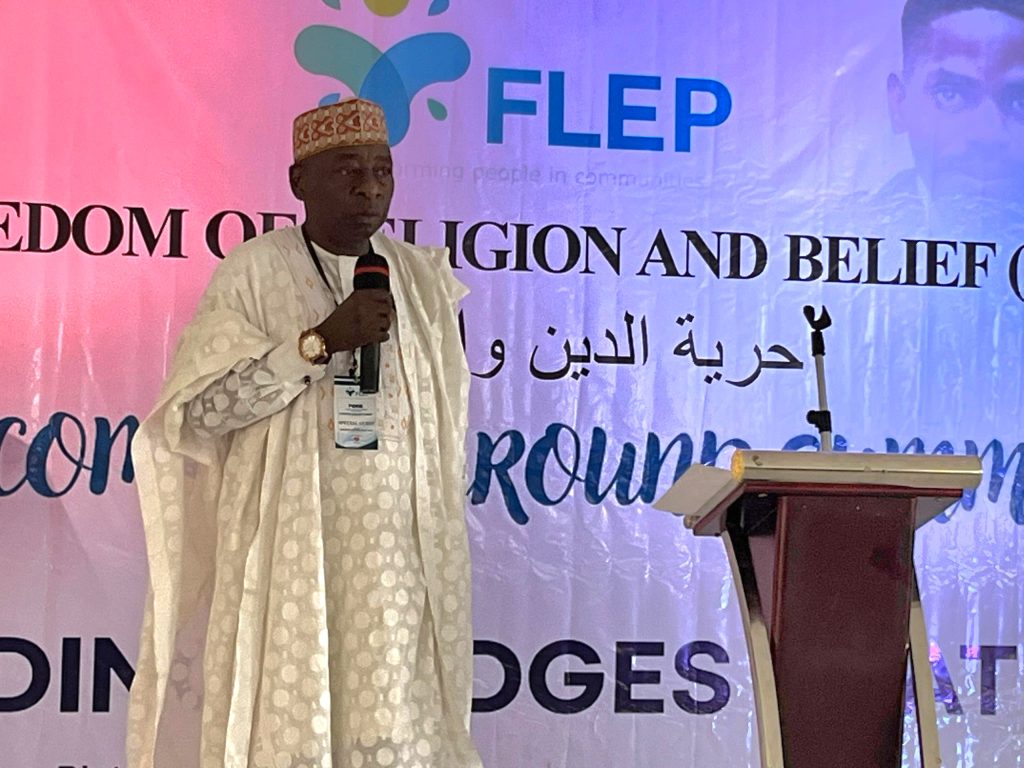
In his paper presentation, Alhaji Abubakar Sadiq, Chairman of Muslim Rights Concern (MURIC) in Plateau State, spoke on “Conflict Sensitivity in Professional and Community Settings.” He described conflict sensitivity as a practical mindset that fosters understanding and strong relationships.
Sadiq warned that careless language and assumptions could create division and harm. He encouraged participants to avoid stereotypes and promote unity by focusing on shared humanity.
The summit also featured a panel discussion on “Safeguarding Freedom of Belief for a Peaceful Plateau.” Panelists included Mr. David Cartier (Ministry of Education), ACC Caroline Bishop (NSCDC), Abdulbassit Adedeji (Hannef High School), and Mr. Daniel Babuga (DREP).
Moderated by Sheik Sani Nuhu and Pwalurin Yawa, the panel highlighted practical strategies for protecting religious freedom and encouraging peaceful coexistence in Plateau communities.
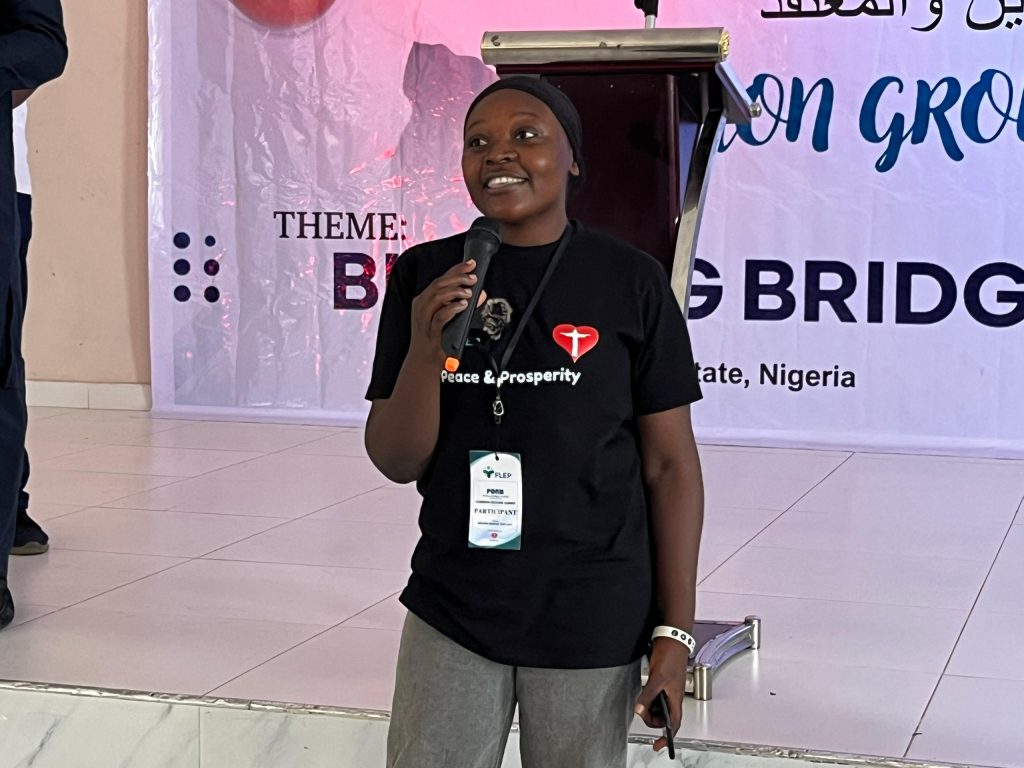
Participants shared testimonies of the project’s impact. Abigail Bila praised FLEP for teaching dialogue, respect for all beliefs, and peaceful coexistence. She noted that entrepreneurship training strengthened her business skills and personal growth.
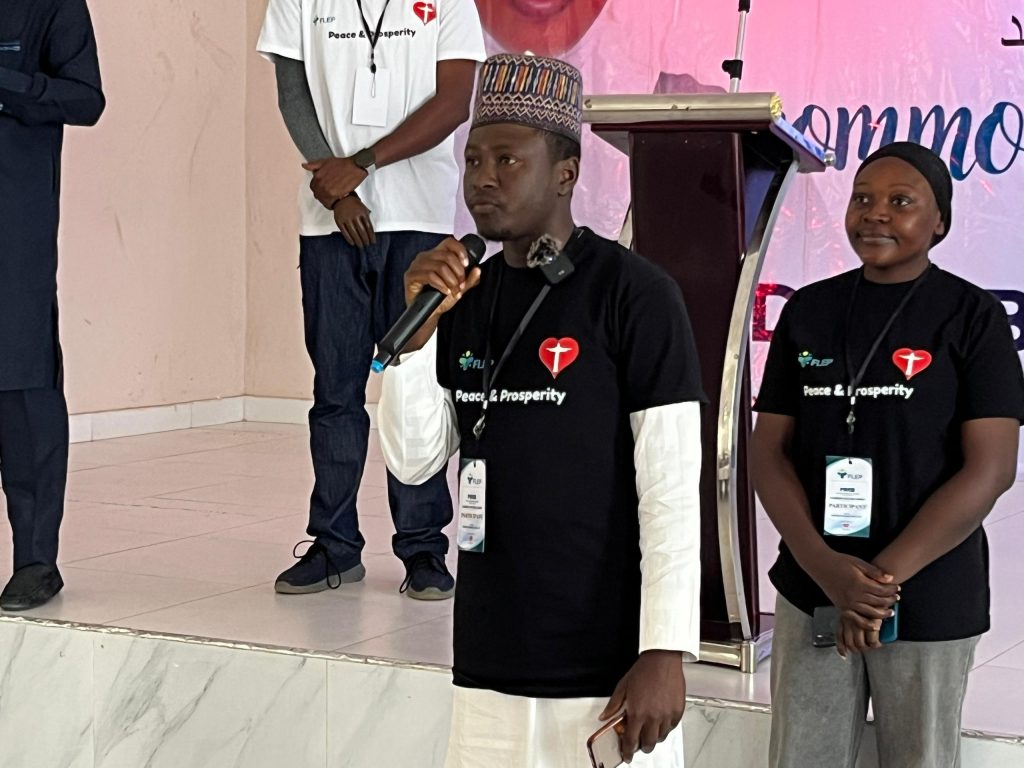
Usman Kamis Idris described the program as transformative, emphasizing that change begins with the mind and self-organization. He highlighted lessons on responsible leadership, mutual respect, inclusivity, and promoting FoRB across communities.
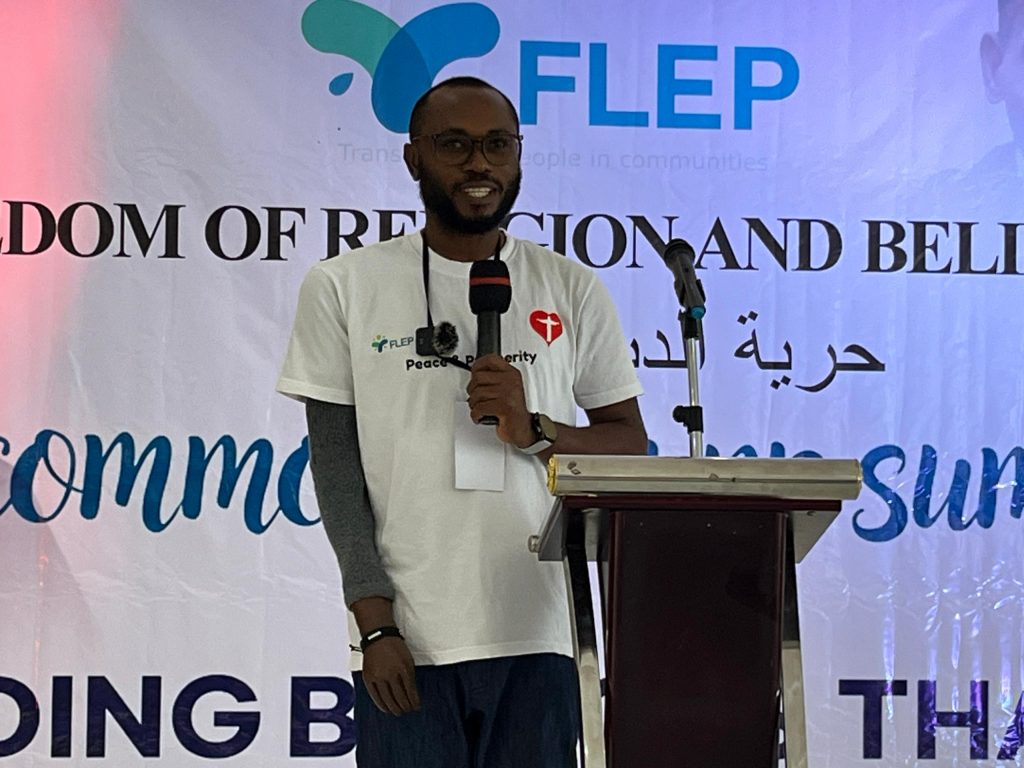
Project Manager Idoko Innocent issued a strong call for sustainability. He said the FLEP project had equipped young people and leaders with dialogue, understanding, and practical skills, guided by five core values: Faith without Fear, Respect, Forgive and Rebuild, Justice and Opportunity for All, Peace is the Future, and Stronger Together.
“In empowering young people both socially and economically, peace becomes a sustainable reality,” Innocent said. He urged partners, sponsors, and peace advocates to support and expand the initiative, stressing that continued collaboration is essential for building a society where peace leads to prosperity.