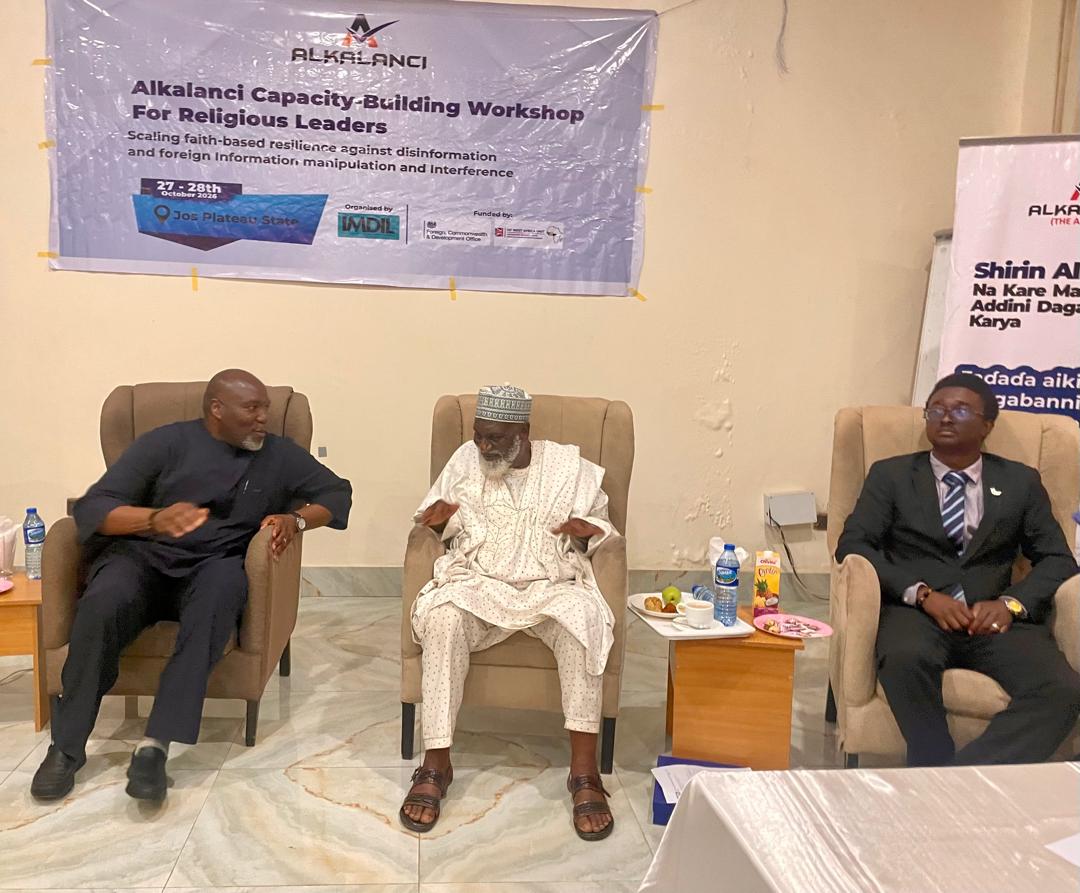
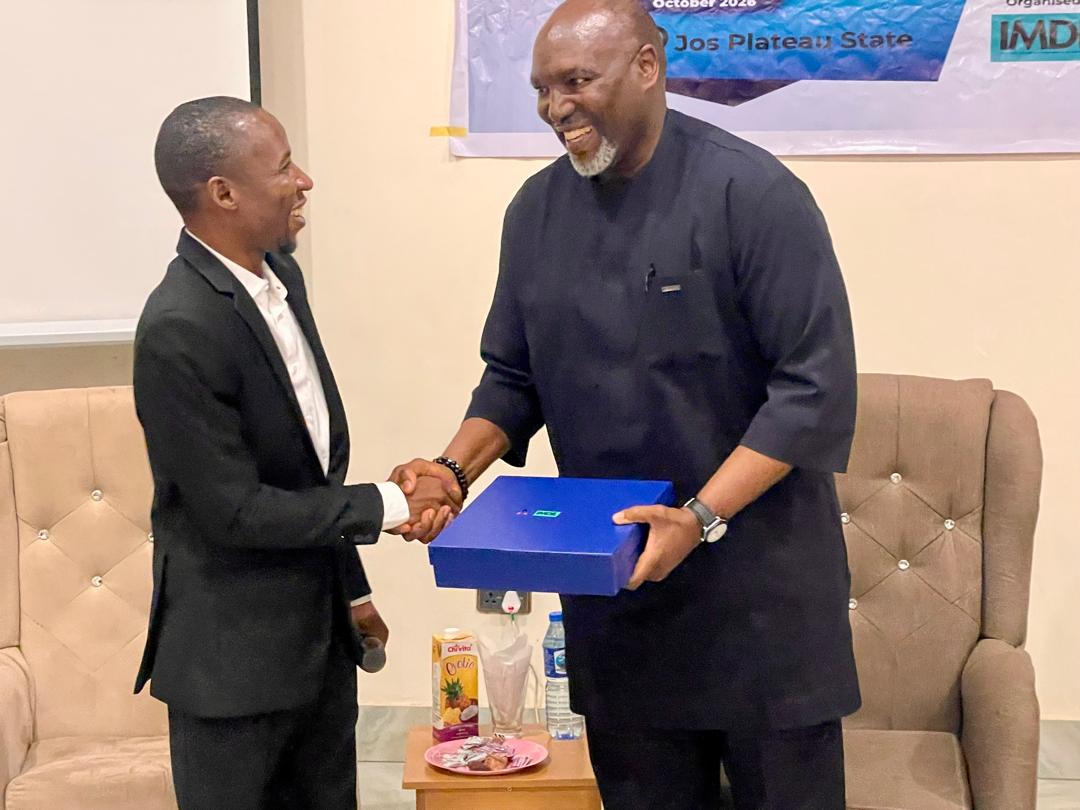
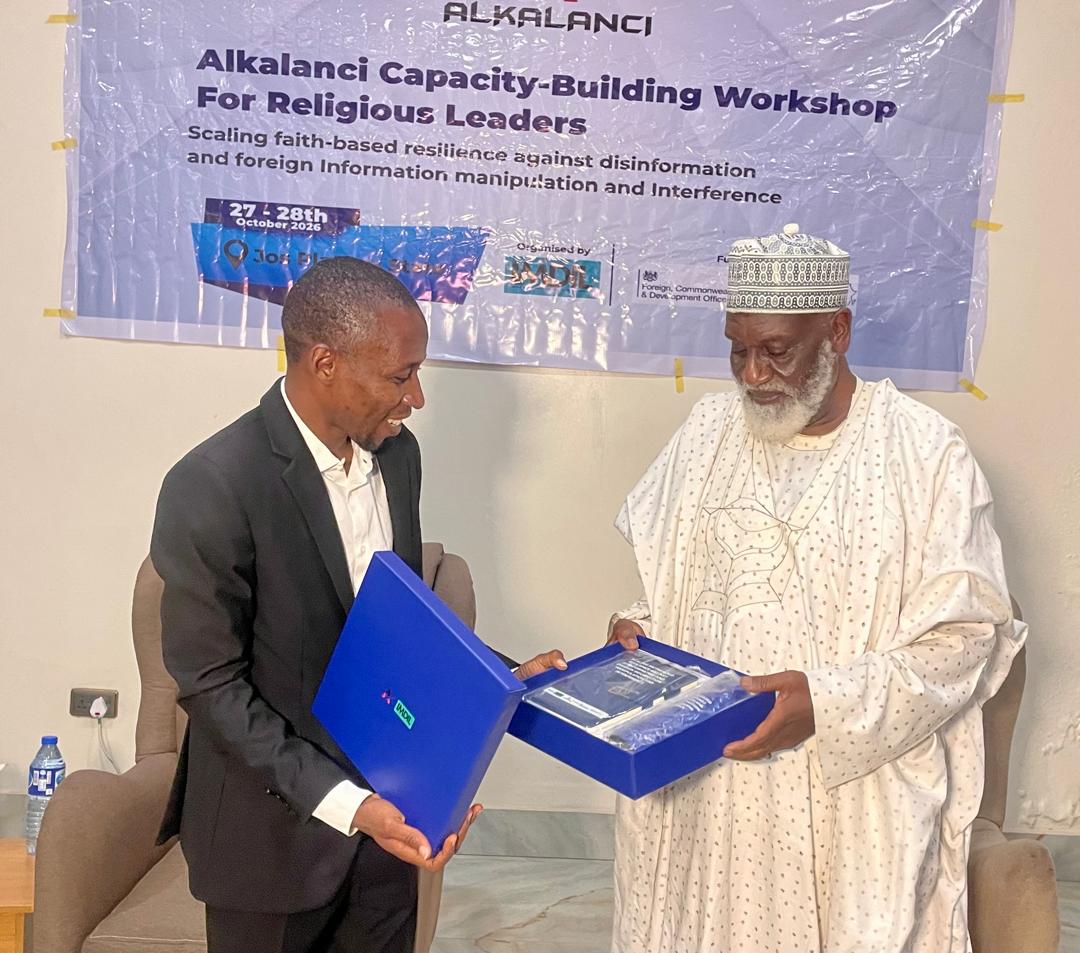
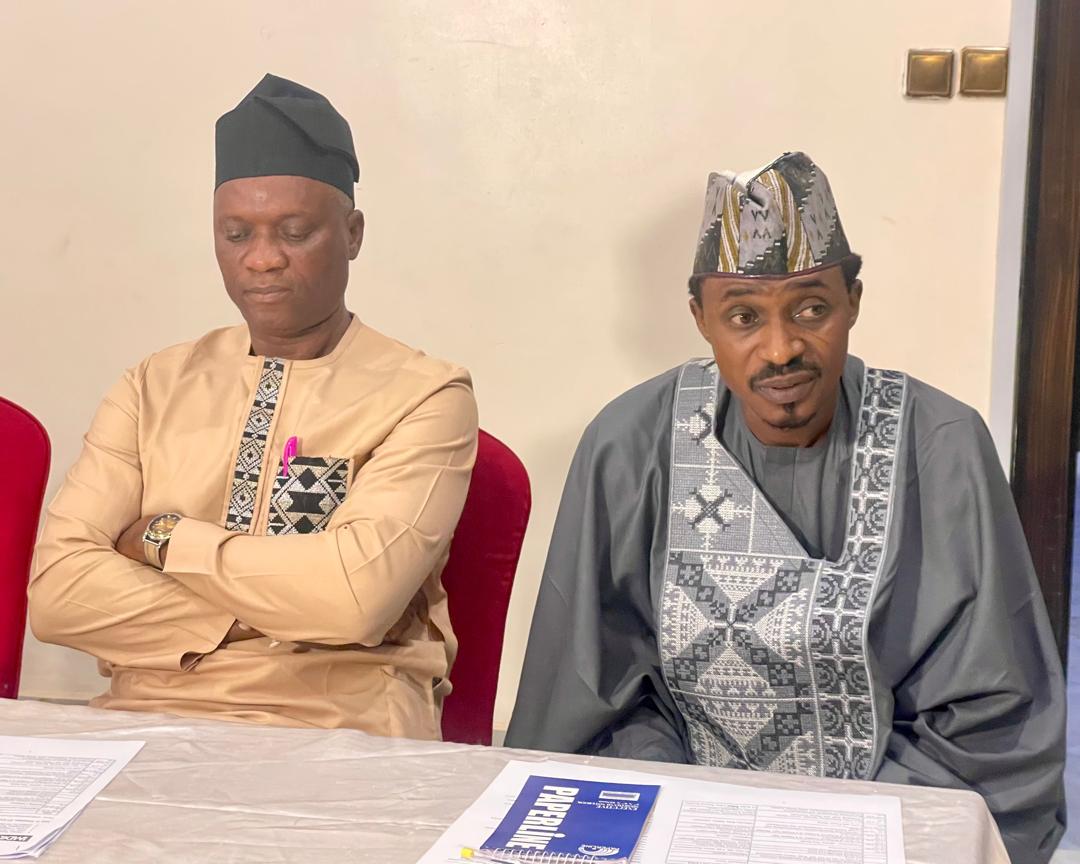
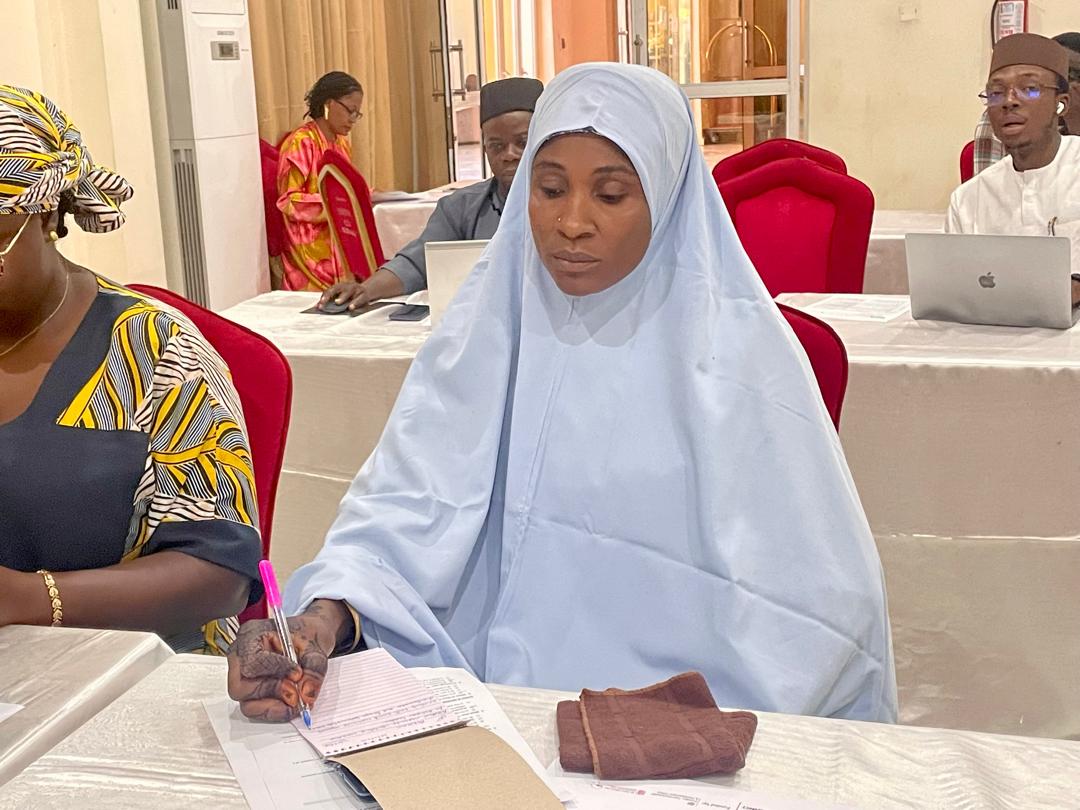
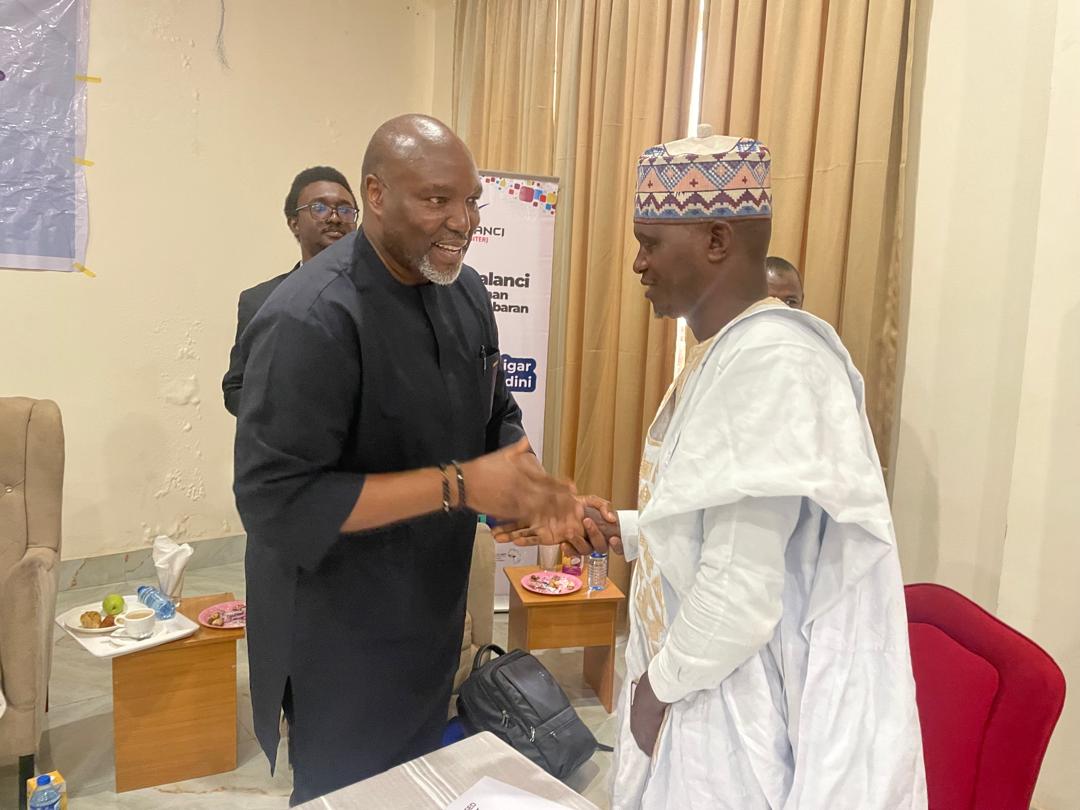
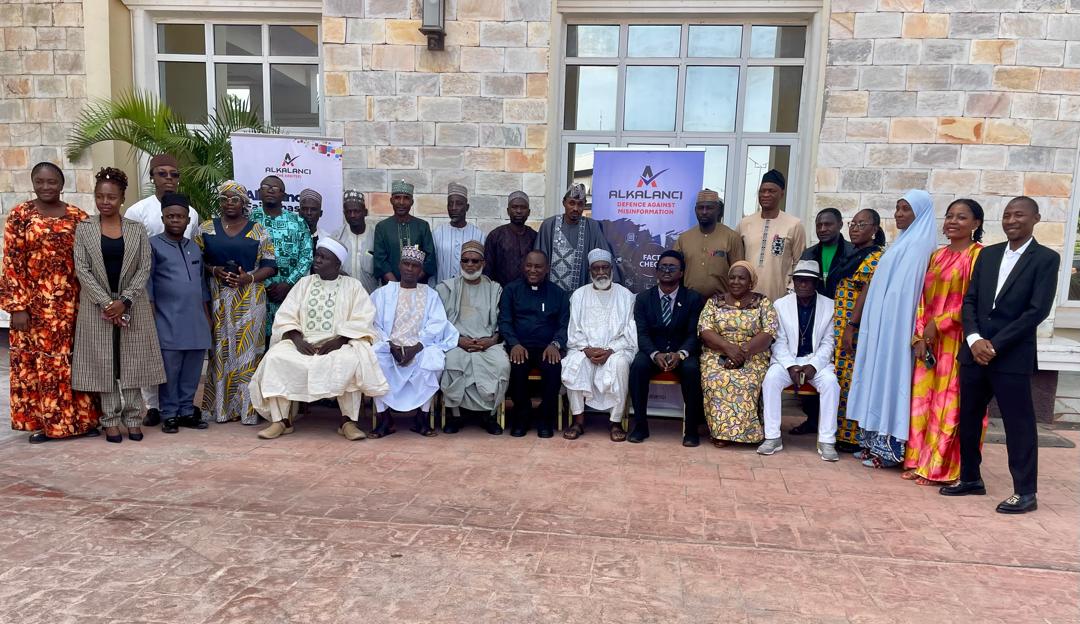
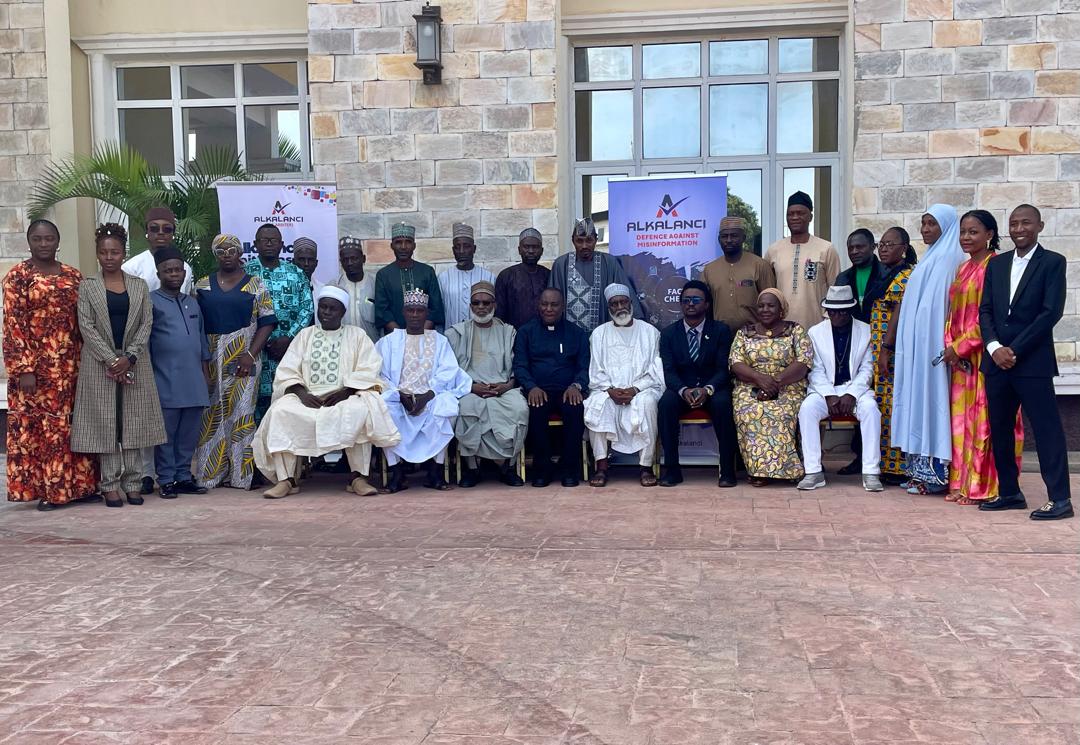
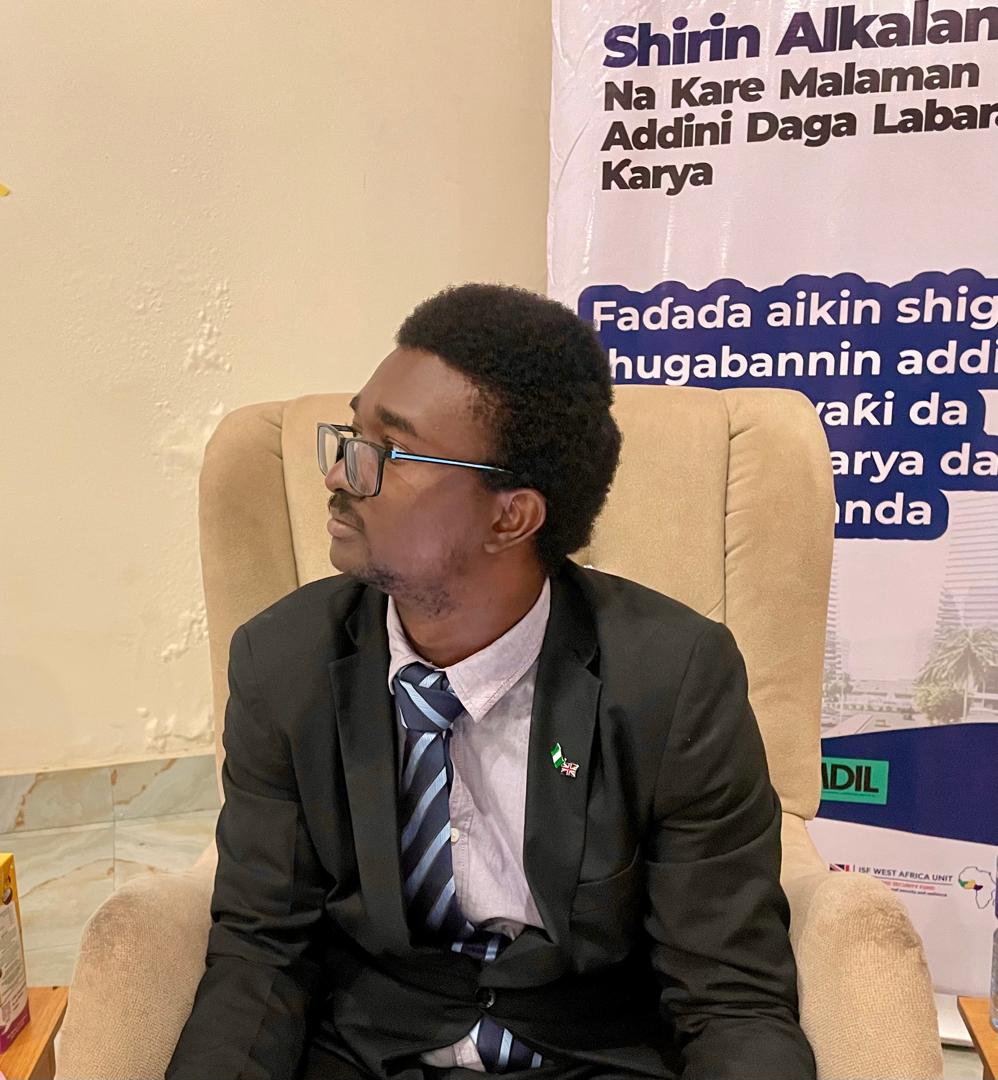
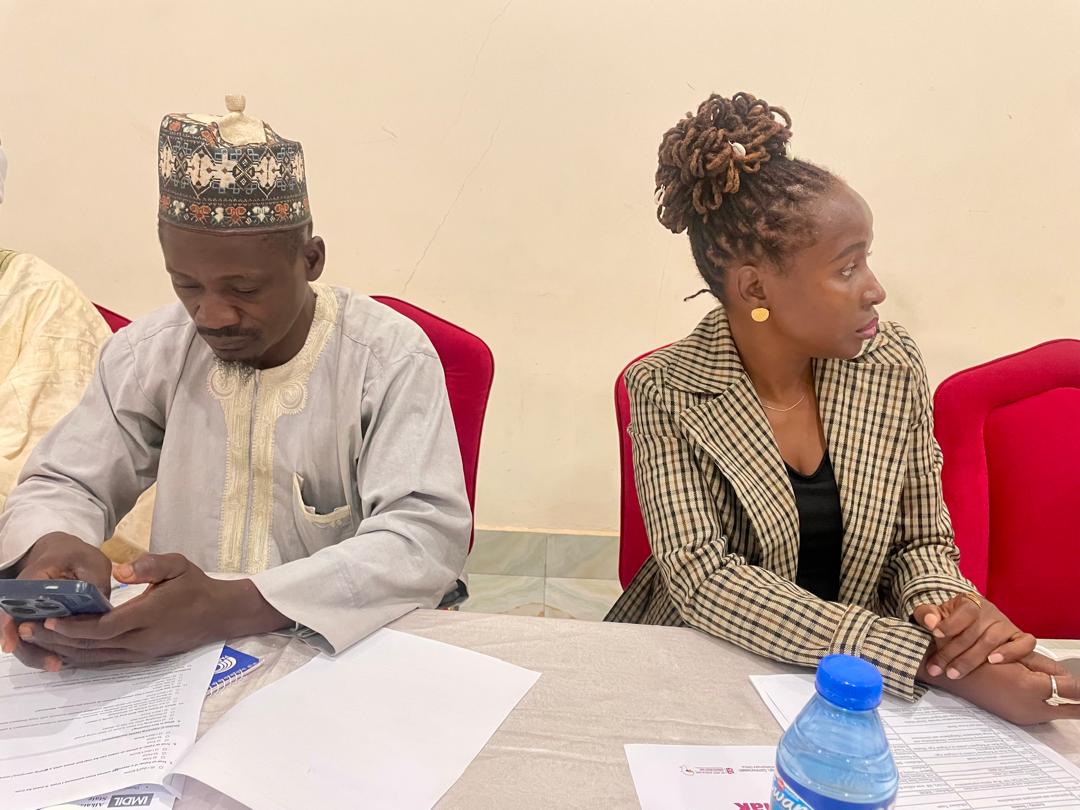
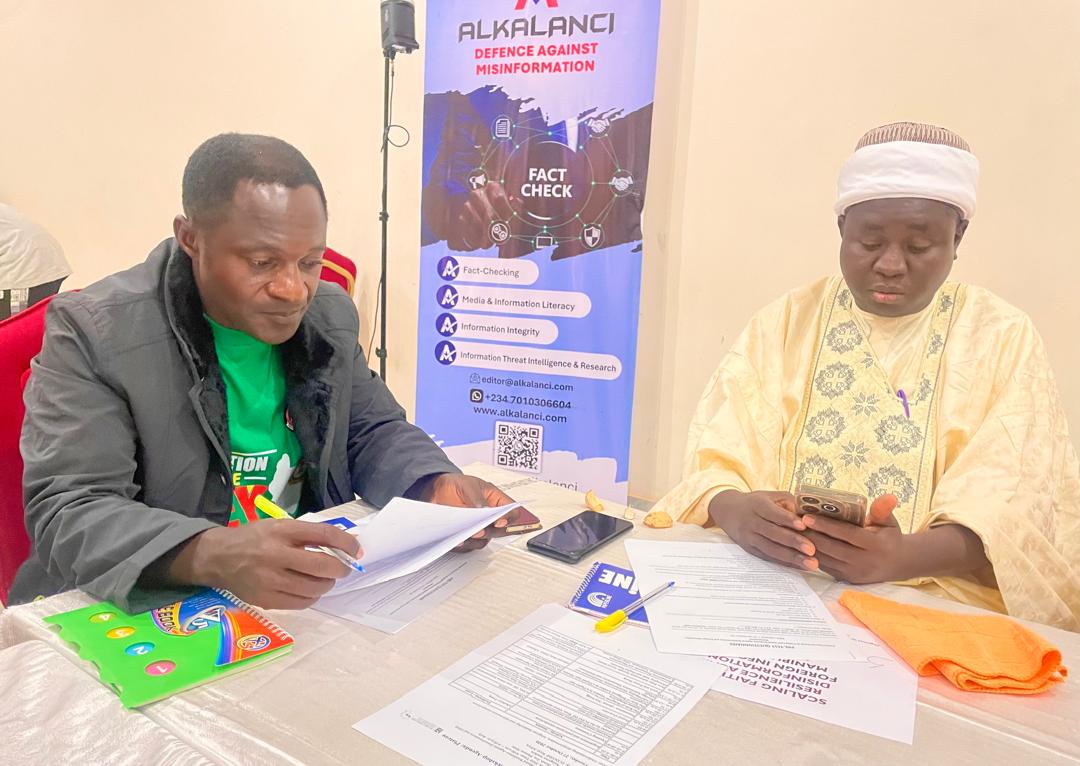
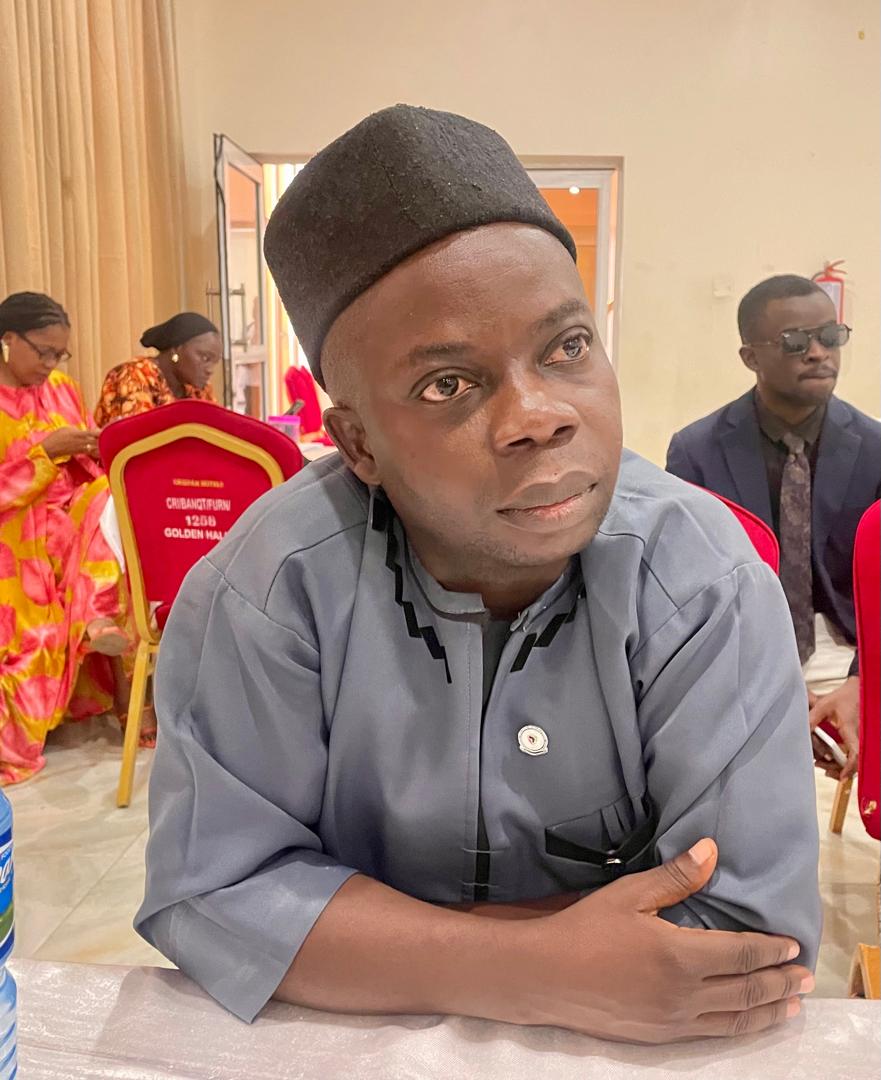
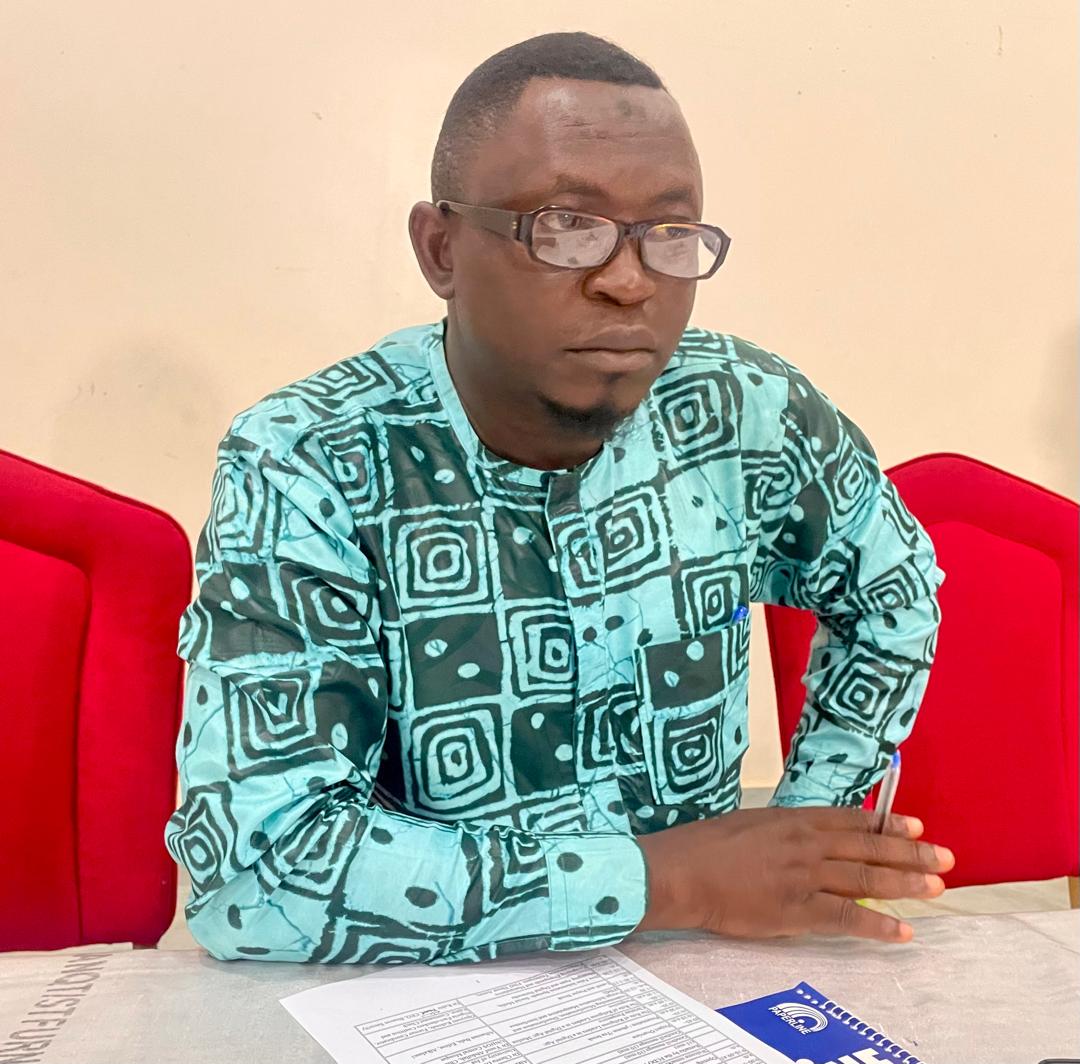
Alkalanci, a fact-checking and media literacy organisation, has moved to strengthen the capacity of religious leaders to combat misinformation, disinformation and Foreign Information Manipulation and Interference (FIMI) ahead of Nigeria’s 2027 general elections.
The initiative aims to prevent religious tensions, communal crises and electoral violence by equipping faith leaders with the skills to identify false information and promote responsible communication.
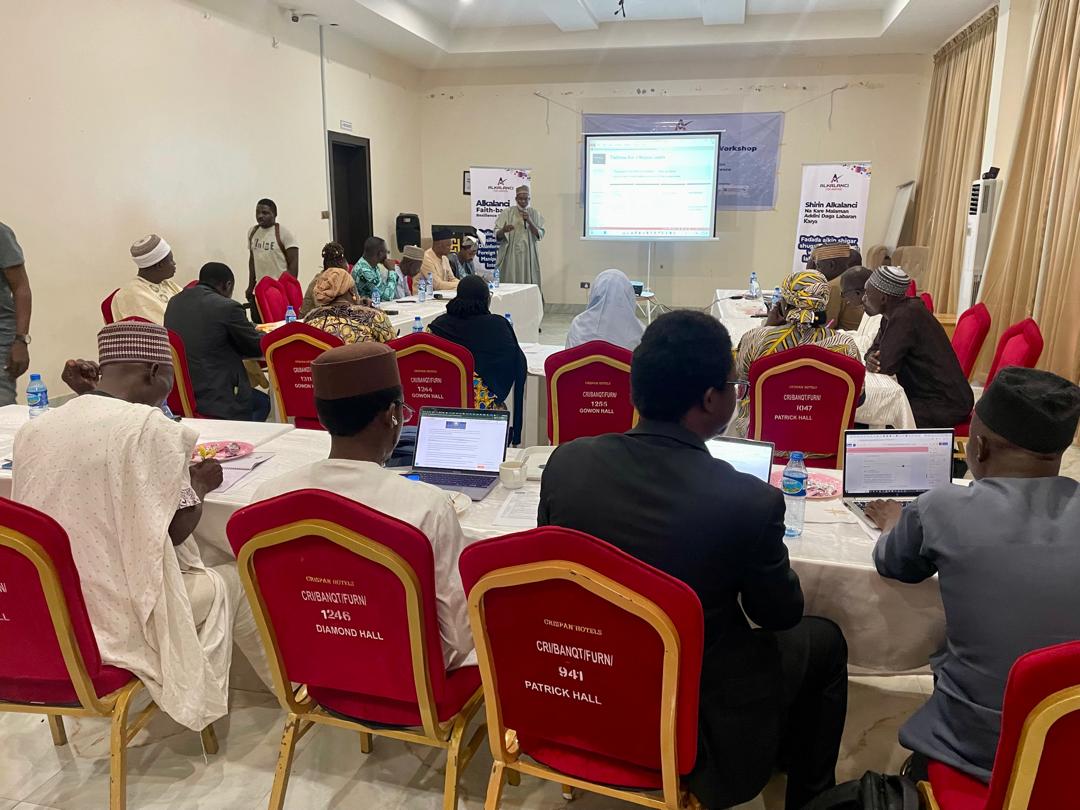
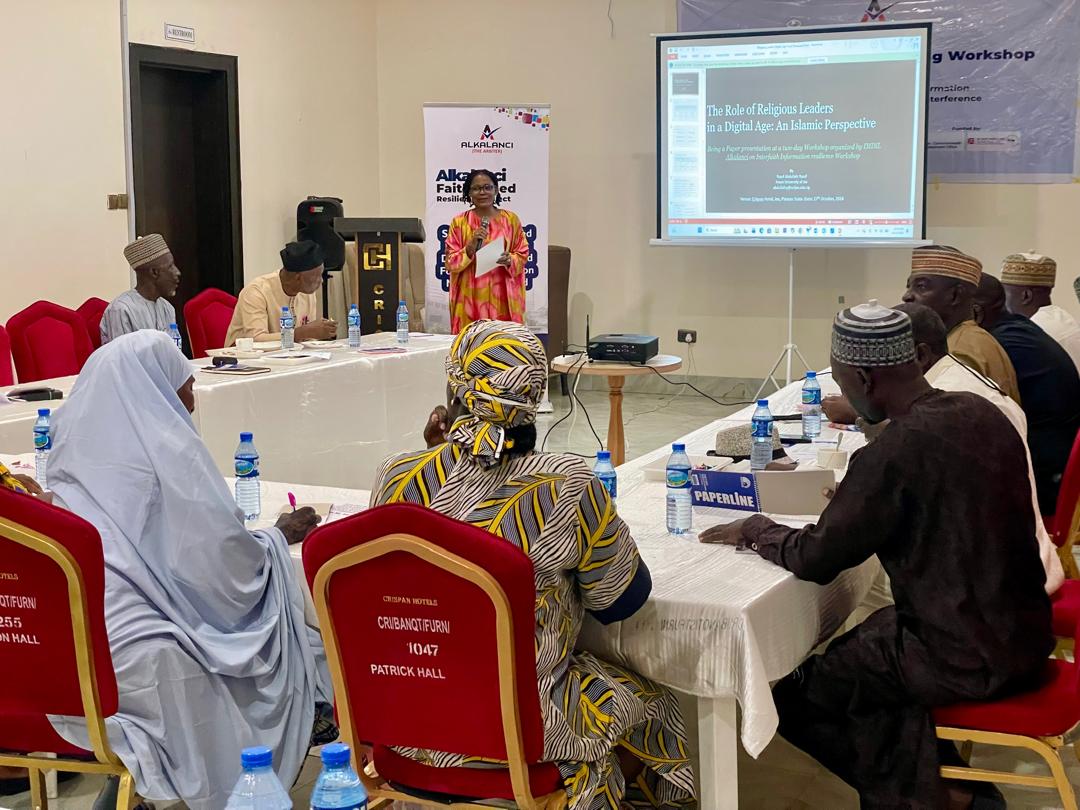
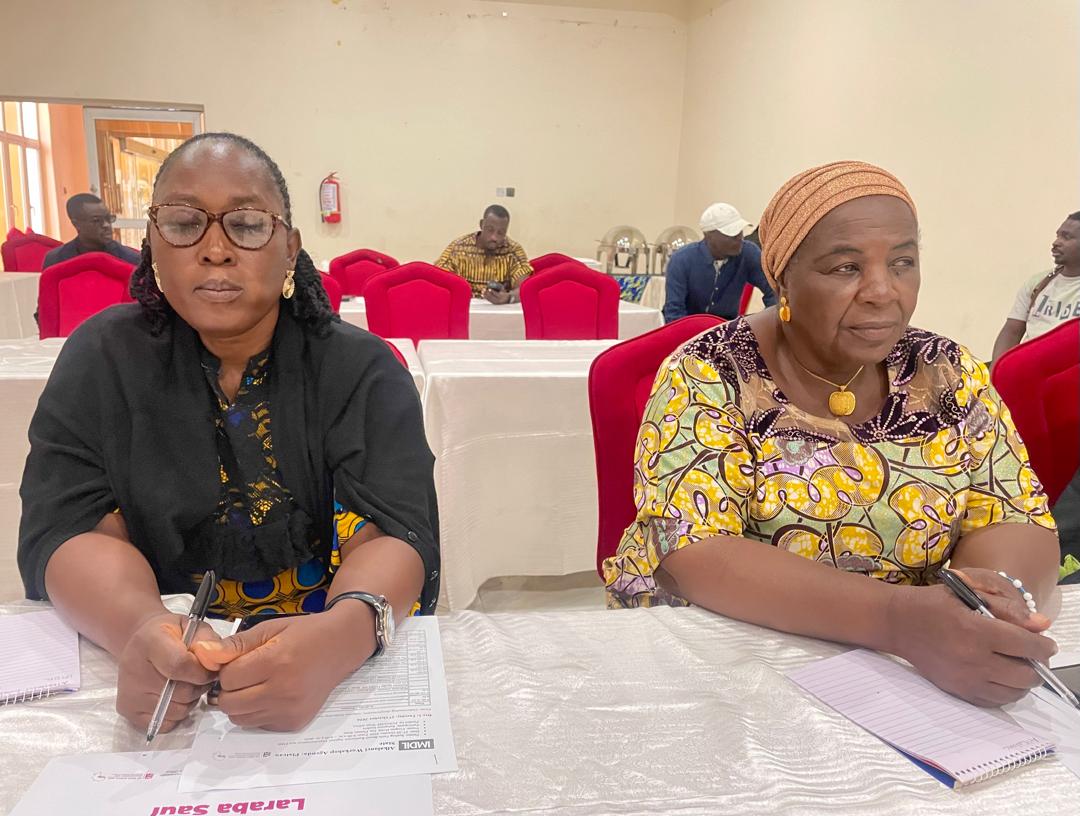
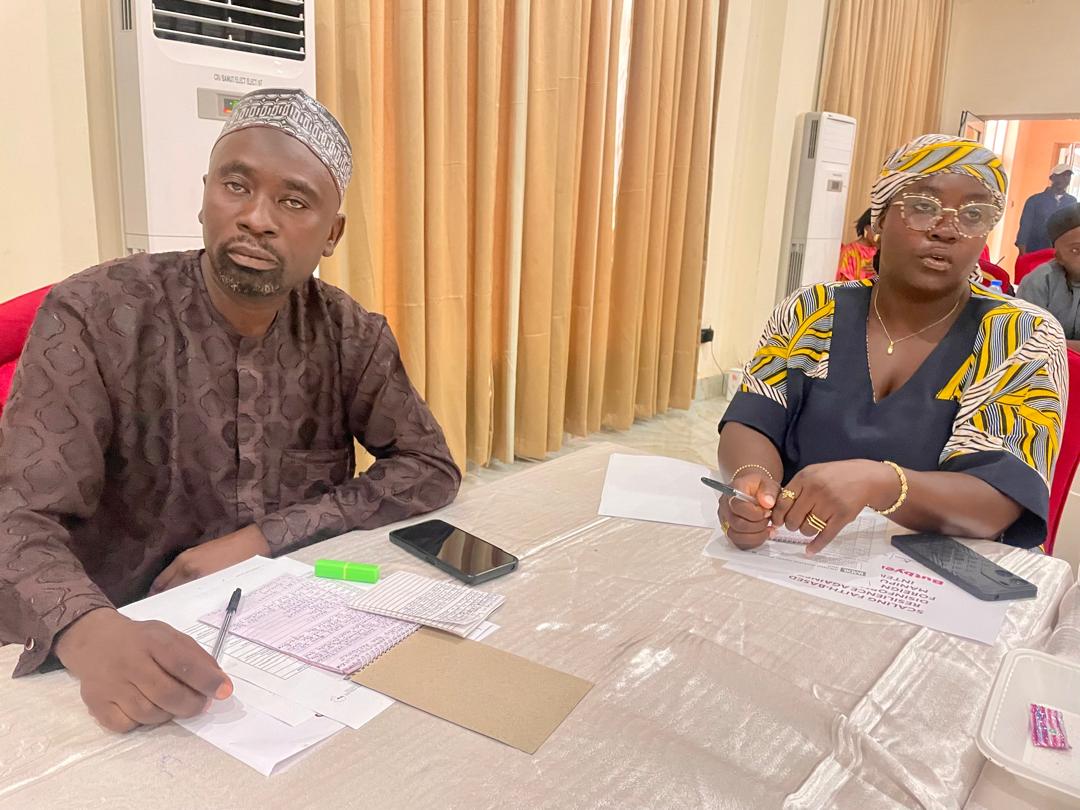
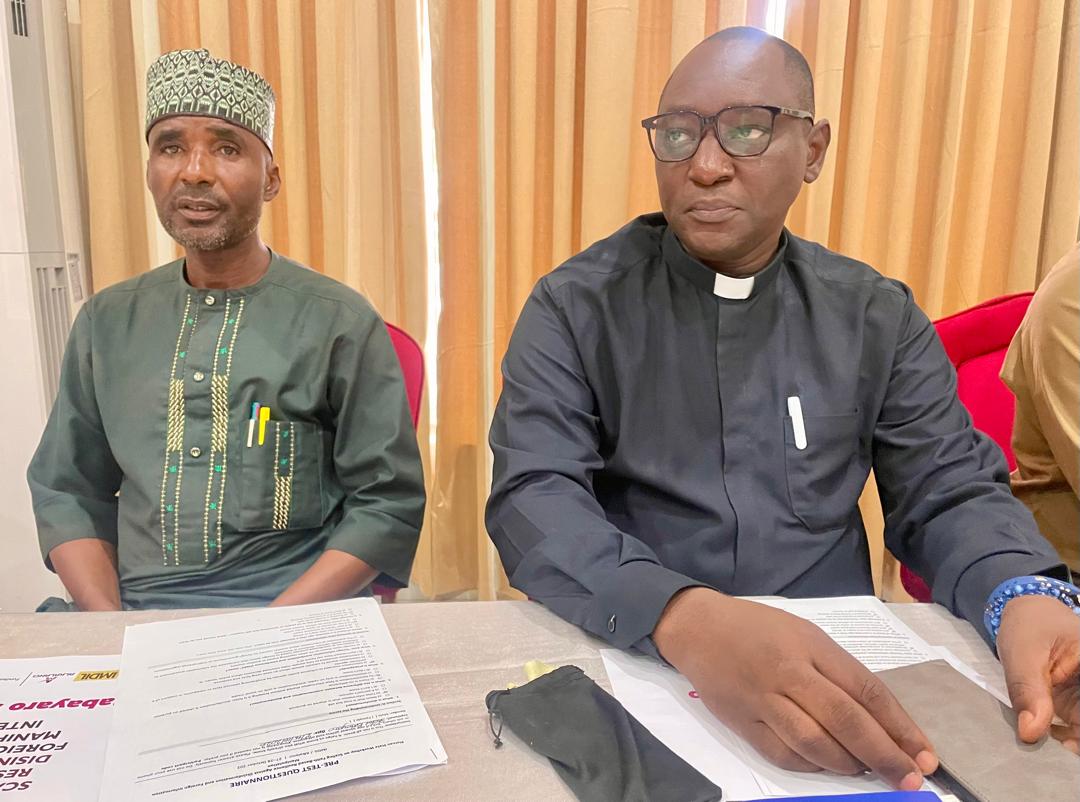
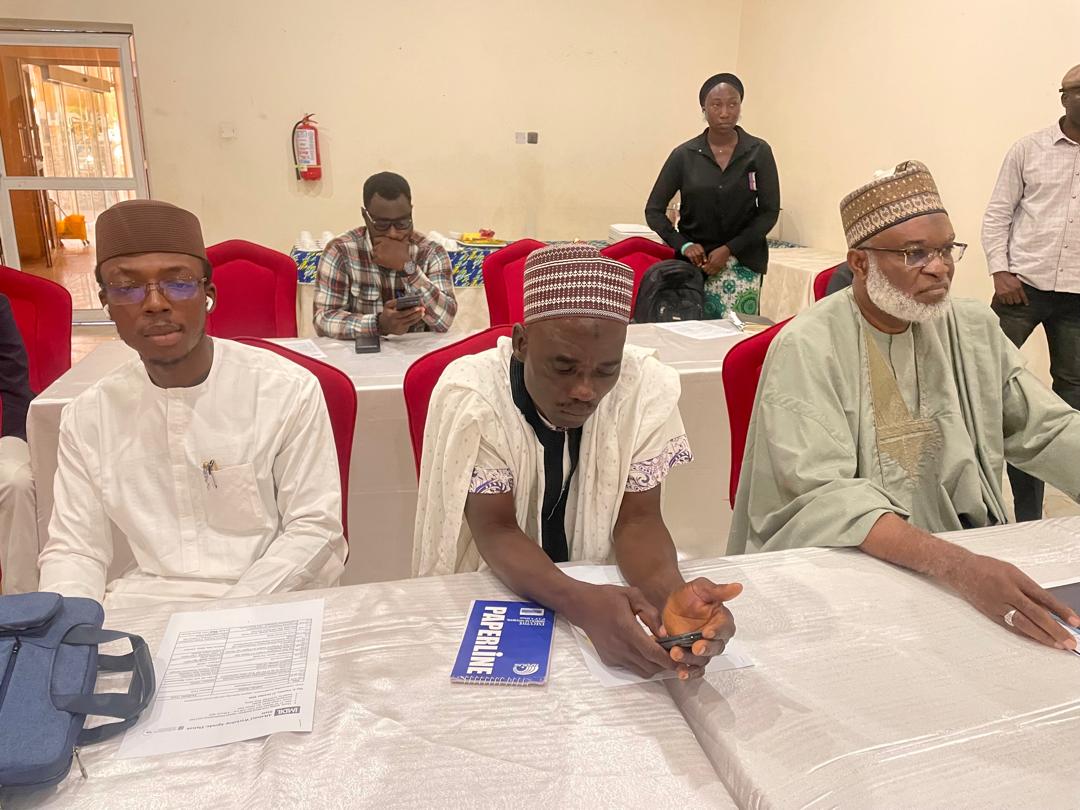
The effort is being pursued through a two-day workshop organised in collaboration with the Institute for Media and Digital Innovation (IMDIL) at Crispan Hotel, Jos, Plateau State.
The workshop, themed “Scaling Faith-Based Resilience Against Disinformation and FIMI,” commenced on October 27 and will conclude on October 28, 2026.
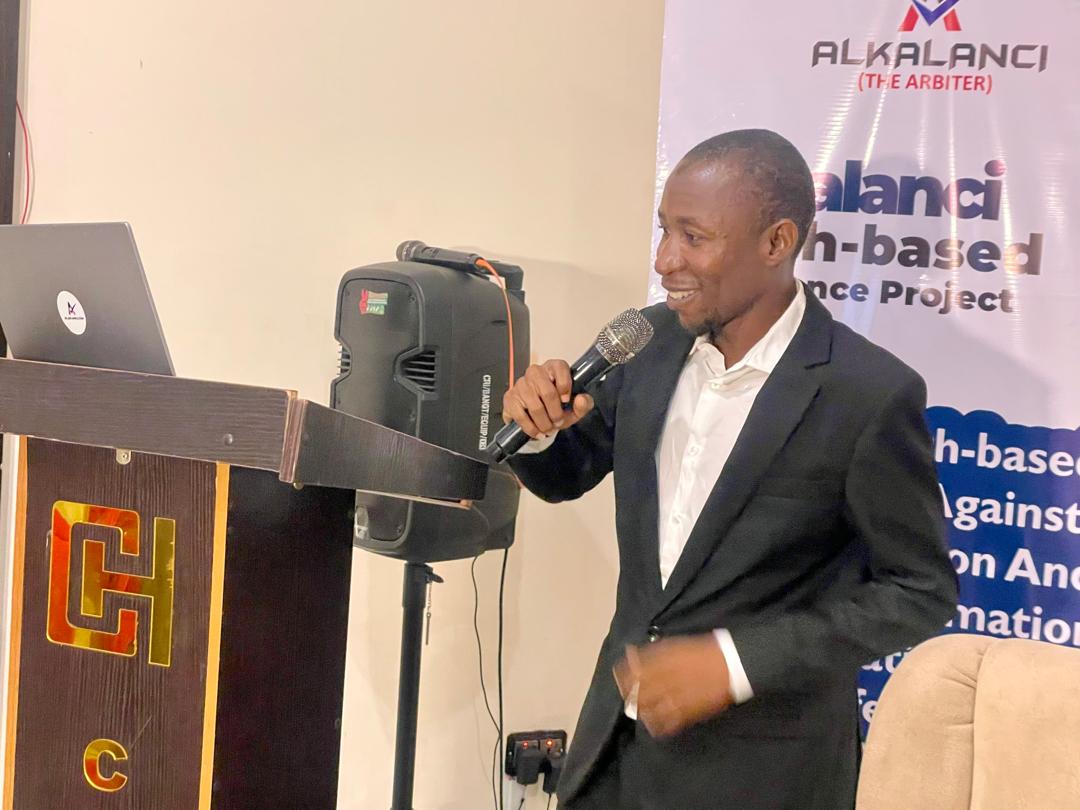
Speaking at the opening, Alhassan Bala, Editor of Alkalanci, warned that the growing use of artificial intelligence to generate fake images, videos and audio recordings posed a serious threat to public safety and Nigeria’s democratic process.
He said false information could be deliberately circulated to inflame religious tensions, provoke violence and cause the loss of lives and property.
Bala also warned that misleading political narratives ahead of the 2027 elections could discourage voter participation and undermine public confidence.
He urged religious leaders to verify information before sharing it with their congregations.
“When in doubt, do not share,” he advised, stressing the importance of verification before circulating information on social media.
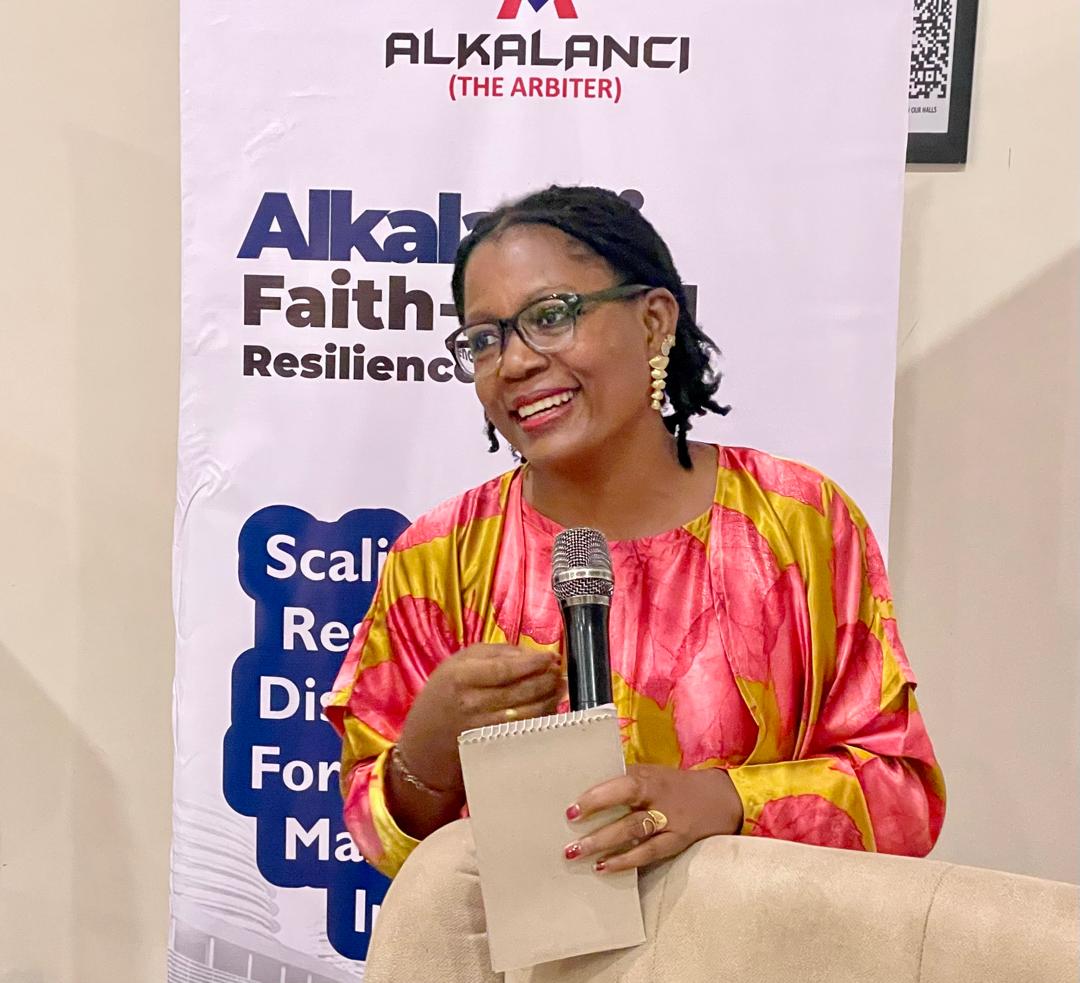
Presenting Overview about the Project, Bamas Victoria, Programme Manager at Alkalanci, said the organisation was working to strengthen community resilience against misinformation through practical training, public awareness and fact-checking exercises.
Victoria explained that the initiative brings together religious leaders, educators and other stakeholders to improve their understanding of information manipulation.
She said the programme also incorporates English and local languages to make fact-checking and media literacy accessible to diverse communities.
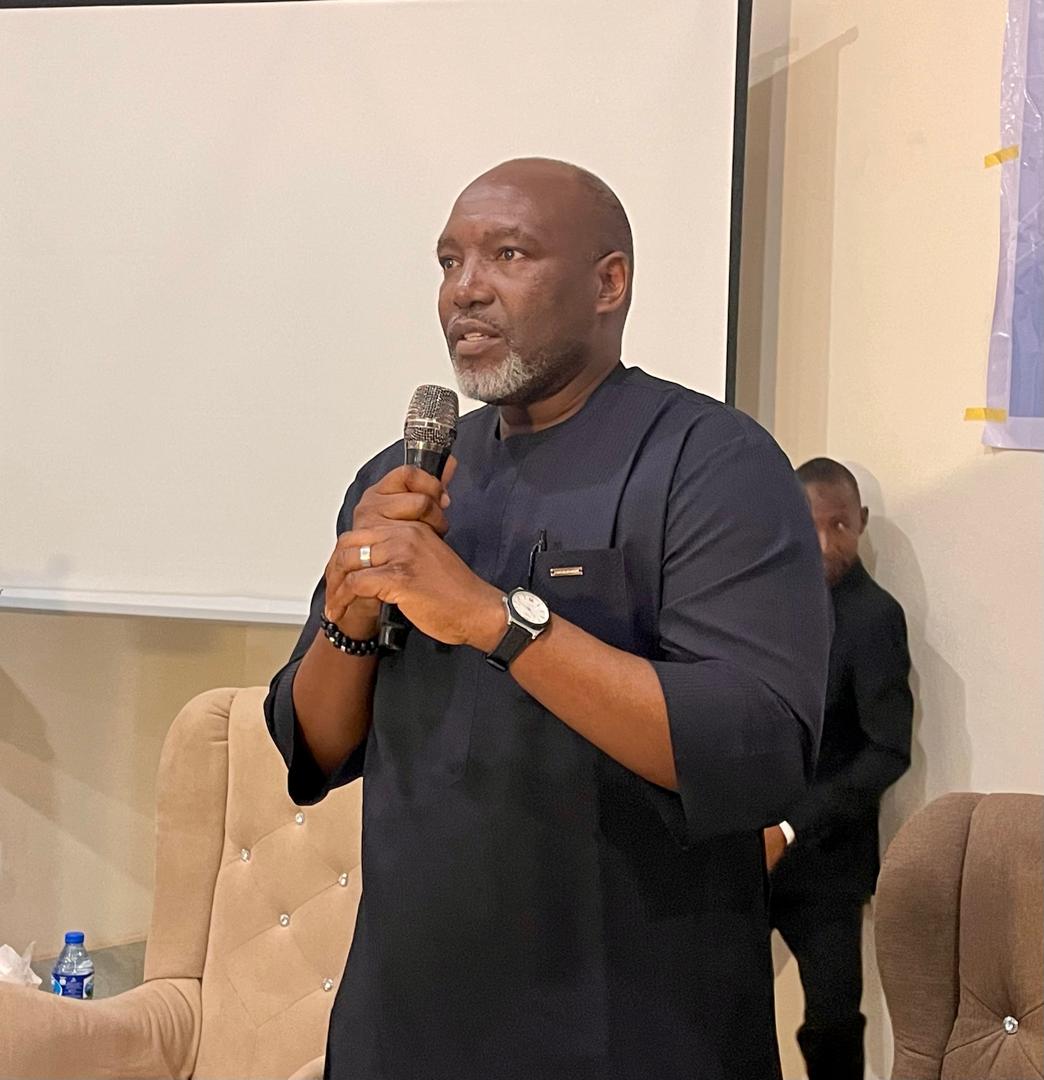
The Chairman of the Christian Association of Nigeria (CAN), Plateau State Chapter, Rev. Dr. Dunka Gomwalk, urged religious leaders to promote interfaith dialogue, peaceful coexistence and responsible information sharing.
Gomwalk warned that unverified social media posts and hasty public comments could fuel religious tensions and undermine peacebuilding efforts.
He encouraged religious leaders to teach their followers to investigate claims before sharing them, expressing hope that the workshop would produce practical strategies for promoting truth and lasting peace.
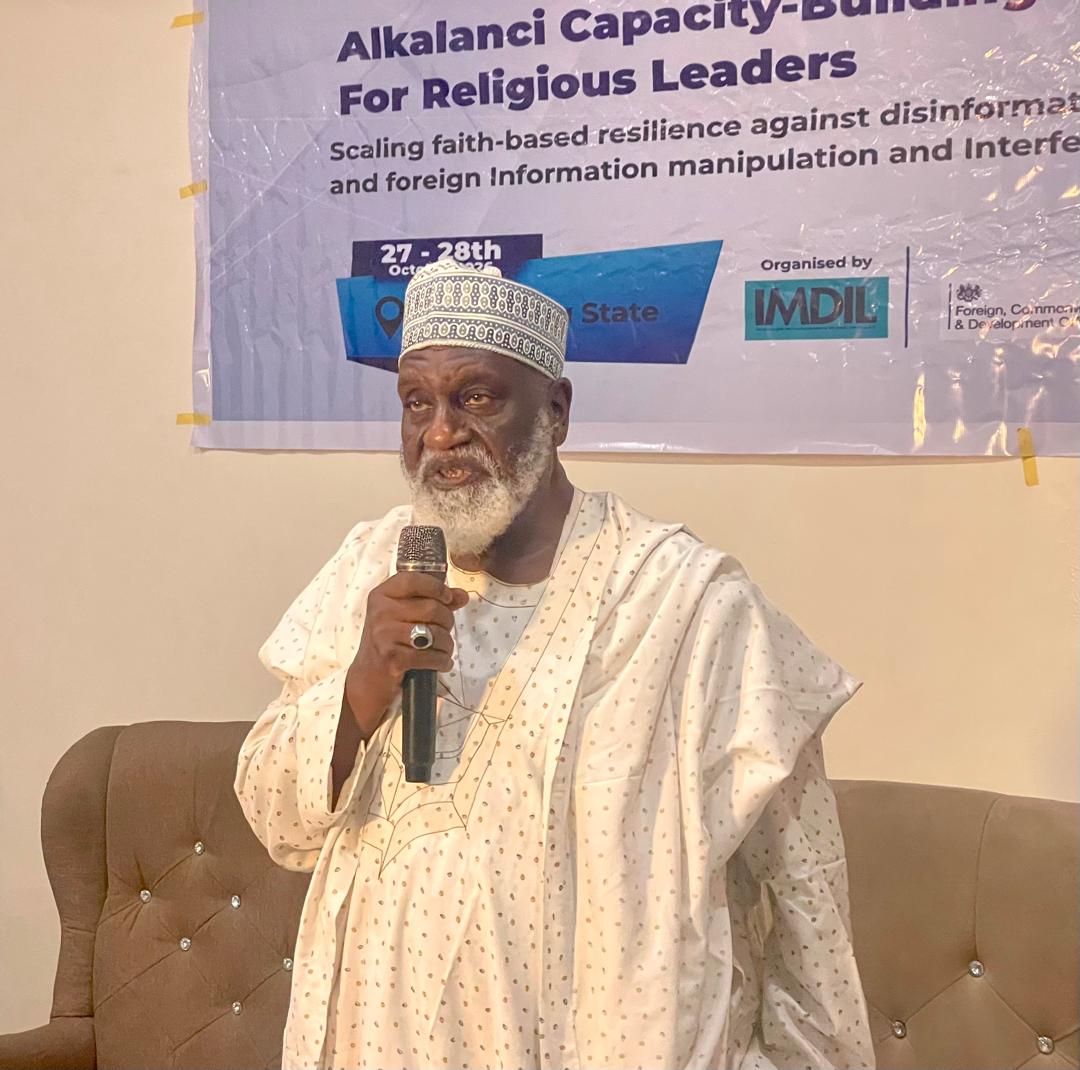
Similarly, Haruna Tanko, representing the Jama’atu Nasril Islam (JNI), cautioned against spreading false information for personal, religious or political interests.
Tanko said the deliberate circulation of falsehood could create fear, deepen divisions and trigger crises, particularly as political activities intensify ahead of the 2027 elections.
He called on Muslims and Christians to uphold the values of their respective faiths by promoting truthfulness, peaceful coexistence and responsible communication.
Tanko also stressed the need for accountable leadership and commitment to public service, while expressing concern over corruption and the declining quality of education in Nigeria.
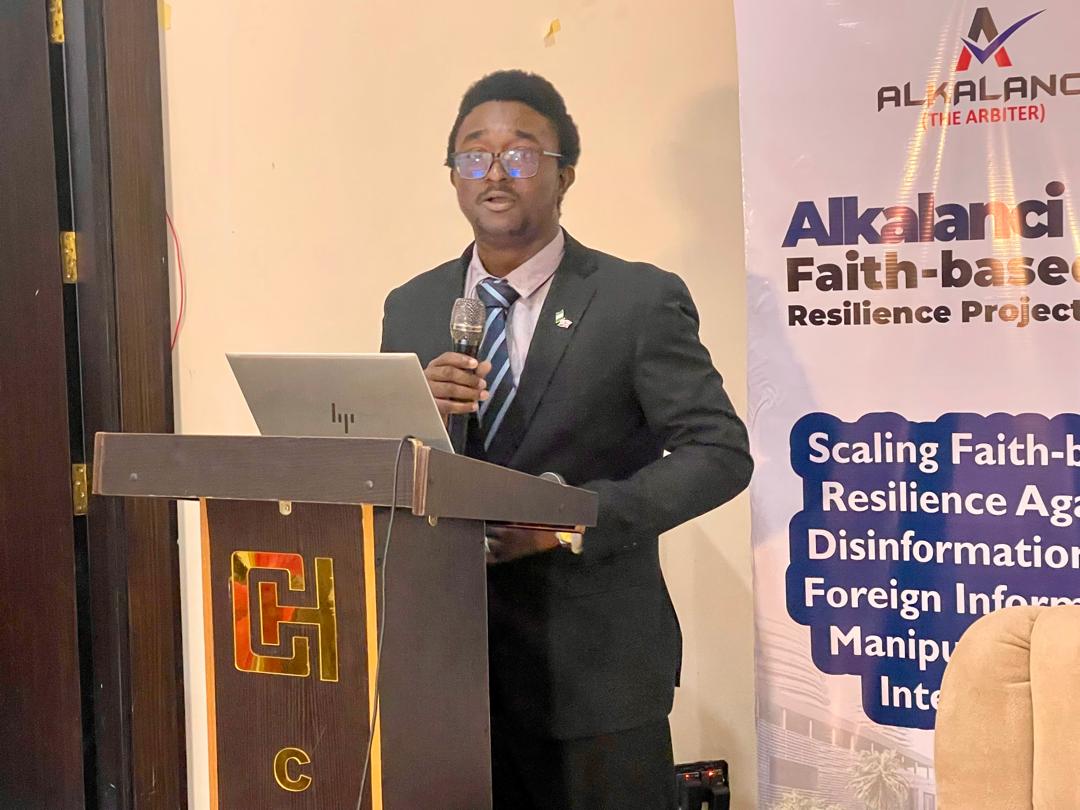
Meanwhile, Oriola Odetoye, Cyber and Hybrid Threats Programme Lead at the United Kingdom Foreign, Commonwealth and Development Office’s Integrated Security Fund (FCDO ISF) West Africa, reaffirmed the UK’s commitment to supporting Nigeria in tackling foreign information manipulation.
Odetoye said the initiative, implemented under the UK-Nigeria Security and Defence Partnership, seeks to strengthen Nigeria’s capacity to detect, respond to and counter information manipulation and other hybrid threats.
He described religious and community leaders as critical to the intervention because of their influence in either preventing or escalating tensions within their communities.
According to him, the programme will cover Plateau, Kano, Adamawa and Benue states, complementing federal-level efforts to address information-related security threats and promote peaceful coexistence.
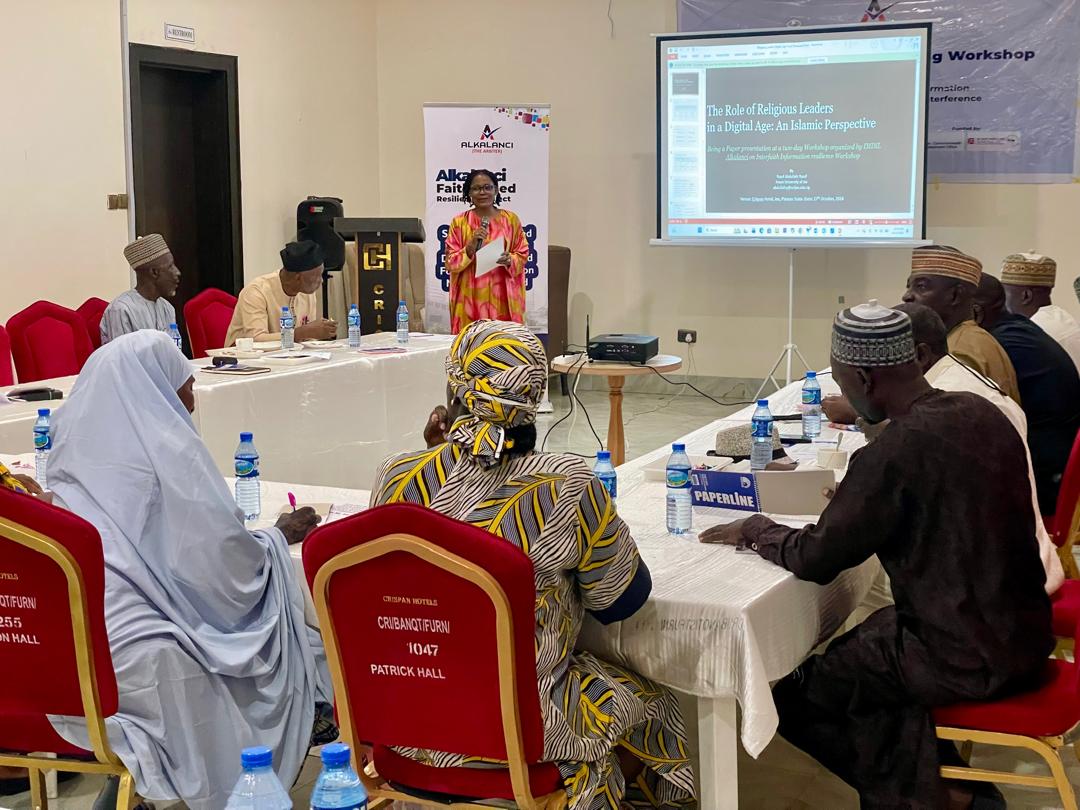
The first day of the workshop featured sessions on the roles of Christian and Muslim leaders in the digital age, how false information spreads through social media and messaging applications, and techniques for identifying propaganda and manipulative communication.
The organisers said the initiative aims to empower religious leaders to become trusted voices for truth, peace and responsible information sharing as Nigeria approaches another election cycle.