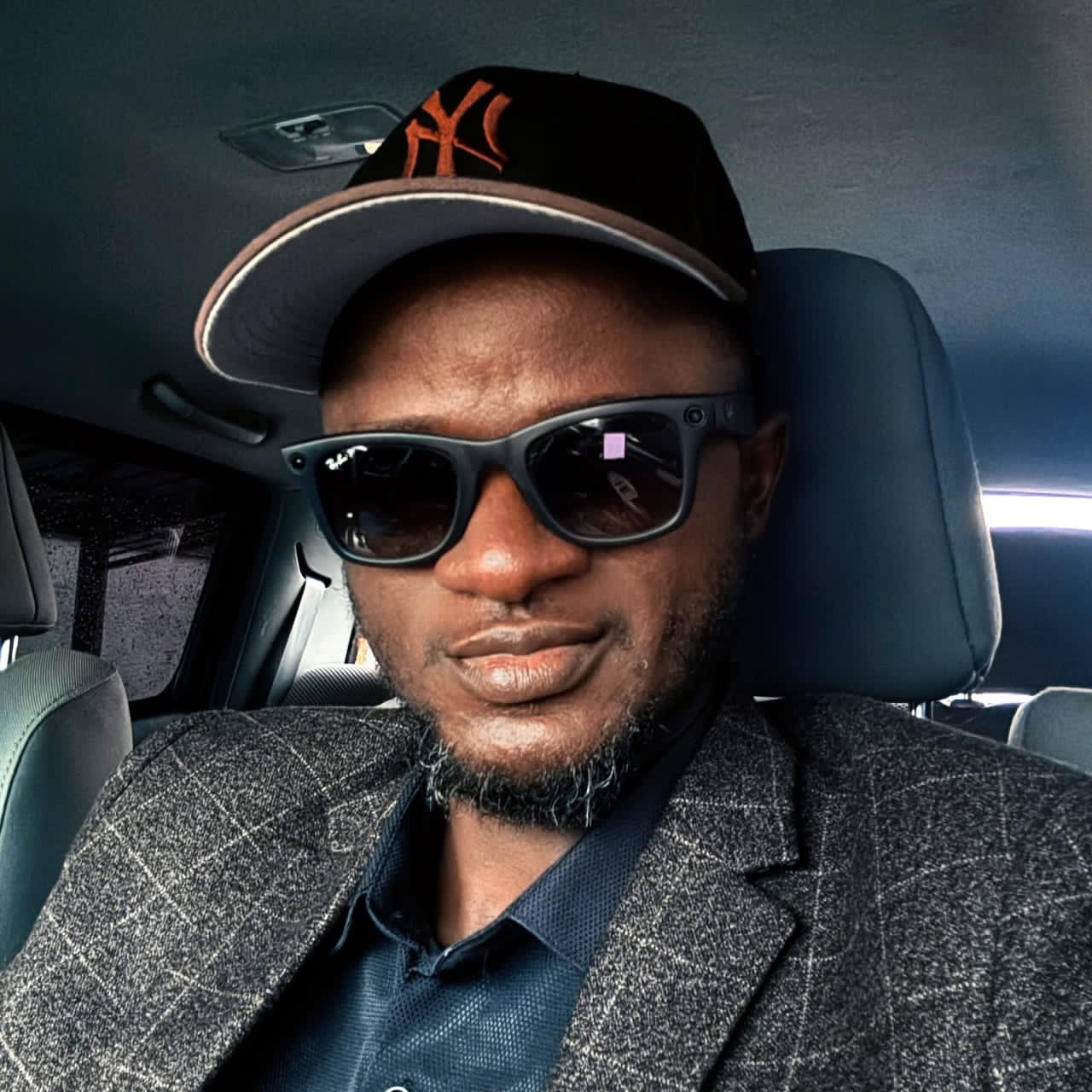
Activist and social media commentator Masara Kim Usman has raised concerns over the reporting style and commentary of security analyst Idris Aminu, popularly known as Zagazola Makama, accusing him of repeatedly presenting narratives that many communities in Plateau State consider misleading.
This follows a statement by security analyst Zagazola Makama reacting to developments in Barkin Ladi concerning activist Masara Kim Usman, titled “As Barkin Ladi youths turn against Masara Kim’s narratives, questions mount over Ratatis burial video,” amid ongoing debates over the interpretation of the Ratatis mass burial video in Plateau State.
In a statement shared on Facebook, Masara argued that his name had become a frequent subject of criticism by certain commentators, particularly Zagazola Makama, whom he accused of relying on broad assertions and selective narratives rather than transparent evidence.
According to him, recent interventions by Zagazola on Plateau security issues have generated concerns about fairness, consistency, and credibility among affected communities.
“Rather than offering careful analysis grounded in transparent evidence, his commentary often relies on sweeping assertions, loaded framing, and narratives that appear designed more to influence public perception than to clarify the facts.”
Masara also referenced a controversy surrounding photographs reportedly published by Zagazola in relation to a senior IS commander allegedly killed by the Nigerian military, arguing that questions raised about the images highlighted the need for stronger verification standards in conflict reporting.
He further cited the Palm Sunday killings in Angwan Rukuba, Jos North, where more than 35 people were reportedly killed, alleging that the incident was prematurely described as a clash between rival cult groups before sufficient facts had been publicly established.
The activist also revisited the controversy surrounding his video report of an attack on mourners in Nding Sesut, Barkin Ladi Local Government Area, where four persons reportedly lost their lives.
“In the face of those fatalities, dismissing the footage outright raises serious questions about the basis for that denial and about the standards being applied when local accounts of violence are challenged rather than investigated.”
Masara accused Zagazola of repeatedly characterising terrorist attacks in Plateau and other Middle Belt communities as farmer-herder clashes, arguing that such descriptions often fail to reflect the experiences and realities of affected residents.
He also questioned what he described as contradictions in recent commentaries that appear sympathetic to communities whose concerns and accounts had allegedly been dismissed in the past.
“What should not be allowed to happen, however, is for outside commentary to weaponise internal tensions in order to present Plateau people as confused, divided, or incapable of recognising what they have lived through.”
The activist maintained that accountability and scrutiny are necessary in conflict situations but insisted that such standards must apply equally to all parties, including security commentators and analysts.
“The public does not need more personality wars. It needs rigorous reporting, transparent methods, and a refusal to weaponise uncertainty against victims.”
Masara concluded by calling for fairness, factual reporting, and consistency in narratives surrounding insecurity in Plateau State, stressing that credibility in conflict reporting is earned through transparency, accuracy, and a willingness to subject all claims to public scrutiny.