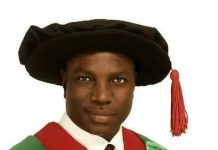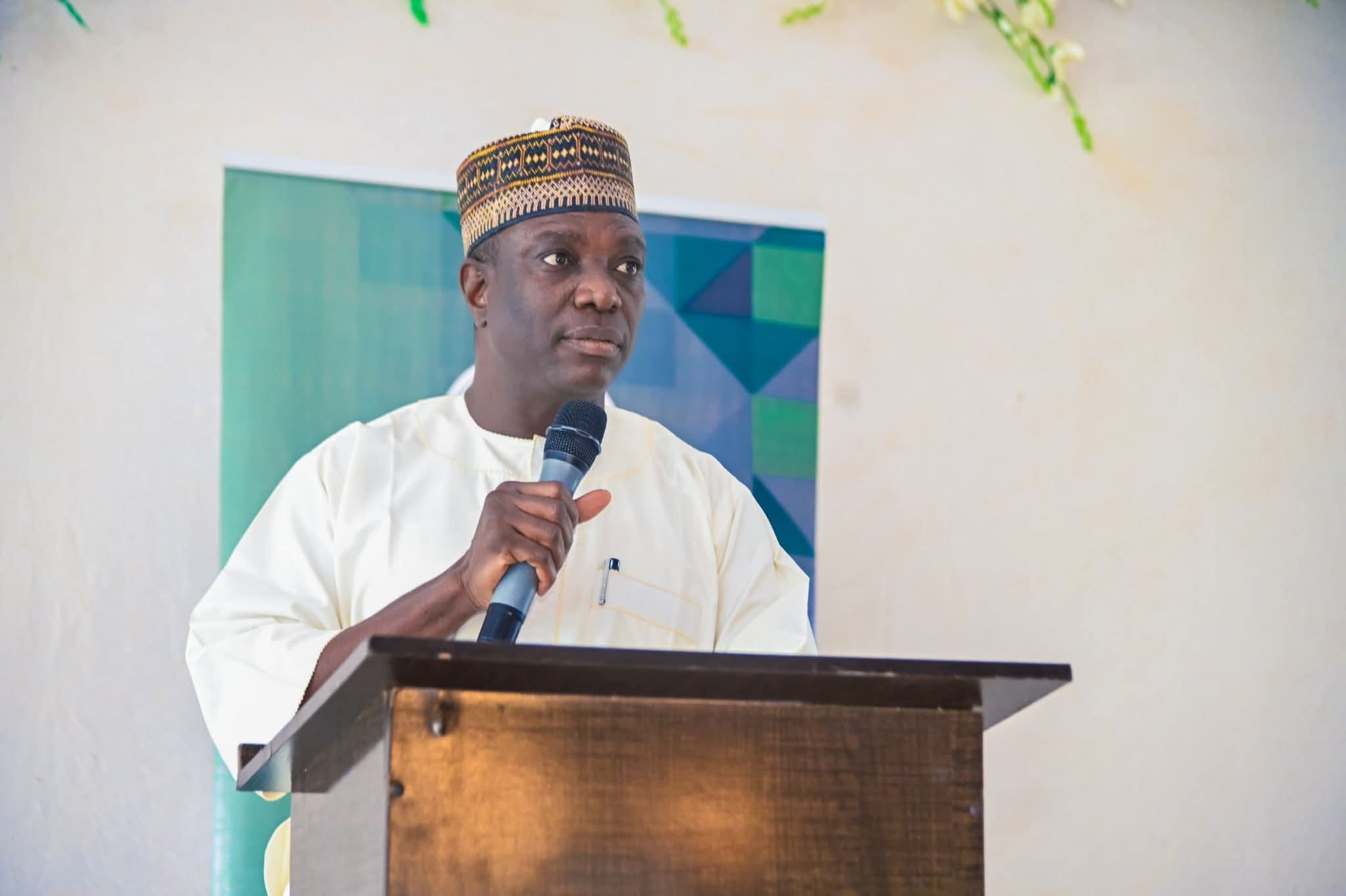
Prof. Chris Kwaja has stressed that justice must come before peace if Plateau State and Nigeria are to achieve lasting stability.
Speaking as the keynote speaker at the 10th anniversary of the Plateau State Peace Building Agency, he said many people talk about peace, but without justice, such peace is fragile and temporary.
He noted that victims of conflict, crime, and displacement often go unheard, and meaningful peace cannot exist unless their grievances are addressed through fair and effective judicial processes.
“Everyone is crying out for peace but no one is crying for justice. We often discuss peace without bringing up the role that the judiciary plays. We must bring up the judiciary to decide on peace because the decision of justice is very key.”
Prof. Kwaja emphasized that justice is more than punishing offenders, it is about creating confidence in the system so that citizens feel protected and valued. He said, “Security agencies must discharge their duties professionally, without bias toward religion, ethnicity, or political affiliation. Justice is meaningless if the deployment of security is uneven and selective.”
He highlighted the importance of independent judicial institutions, warning that politicization weakens trust and prevents victims from obtaining redress. “Institutions must operate independently. They are the primary guarantors of our safety and the credibility of our justice system,” he said.
The professor also stressed the need for local engagement in justice delivery. Communities should have access to courts and mechanisms that ensure fairness and address disputes quickly and transparently.
He praised the work of commissions, civic actors, and multi door courts in resolving family and community conflicts but said more must be done to ensure justice reaches every part of Plateau. “The judiciary and justice systems must operate efficiently to ensure victims of conflict and criminality believe they have a stake in Nigeria,” he added.
Prof. Kwaja warned that predictable funding and resources are critical for justice institutions. Without proper support, courts and legal agencies cannot function effectively, leaving communities vulnerable.
He argued that justice should not be limited to high-profile cases but must address everyday crimes and disputes, including human trafficking, land conflicts, and other societal injustices that undermine harmony.
“Justice must be accessible, impartial, and timely. Without it, peace initiatives will fail, and citizens will continue to feel marginalized and insecure,” Prof. Kwaja said.
He urged government, civil society, and local actors to work together to strengthen the judicial system, ensure accountability, and protect the rights of all citizens regardless of their background.
Prof. Kwaja said, “We cannot have meaningful peace without justice. Peace without justice is fragile and temporary. Justice must guide our policies, institutions, and actions if we are to secure lasting harmony in Plateau and Nigeria.”