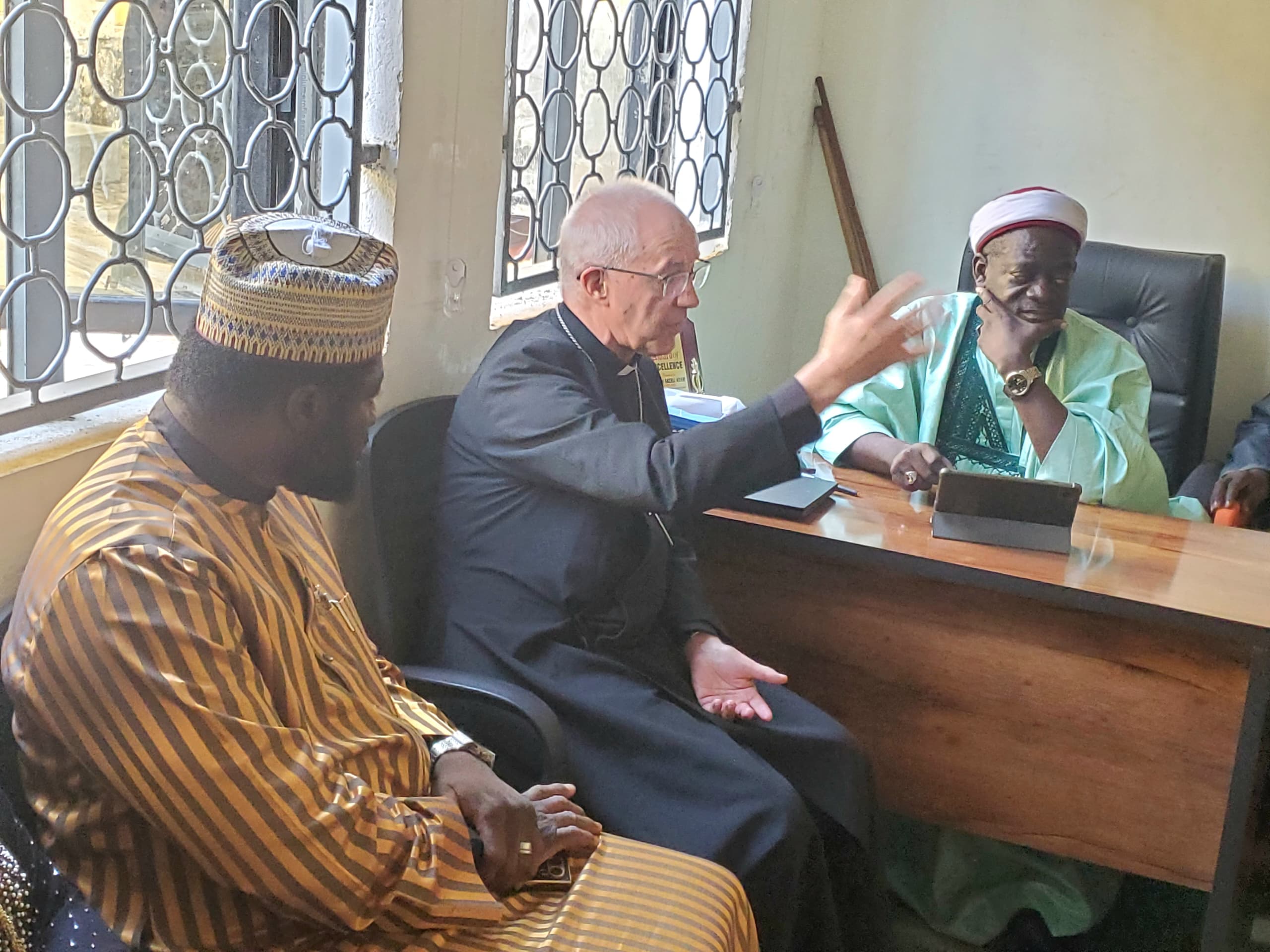
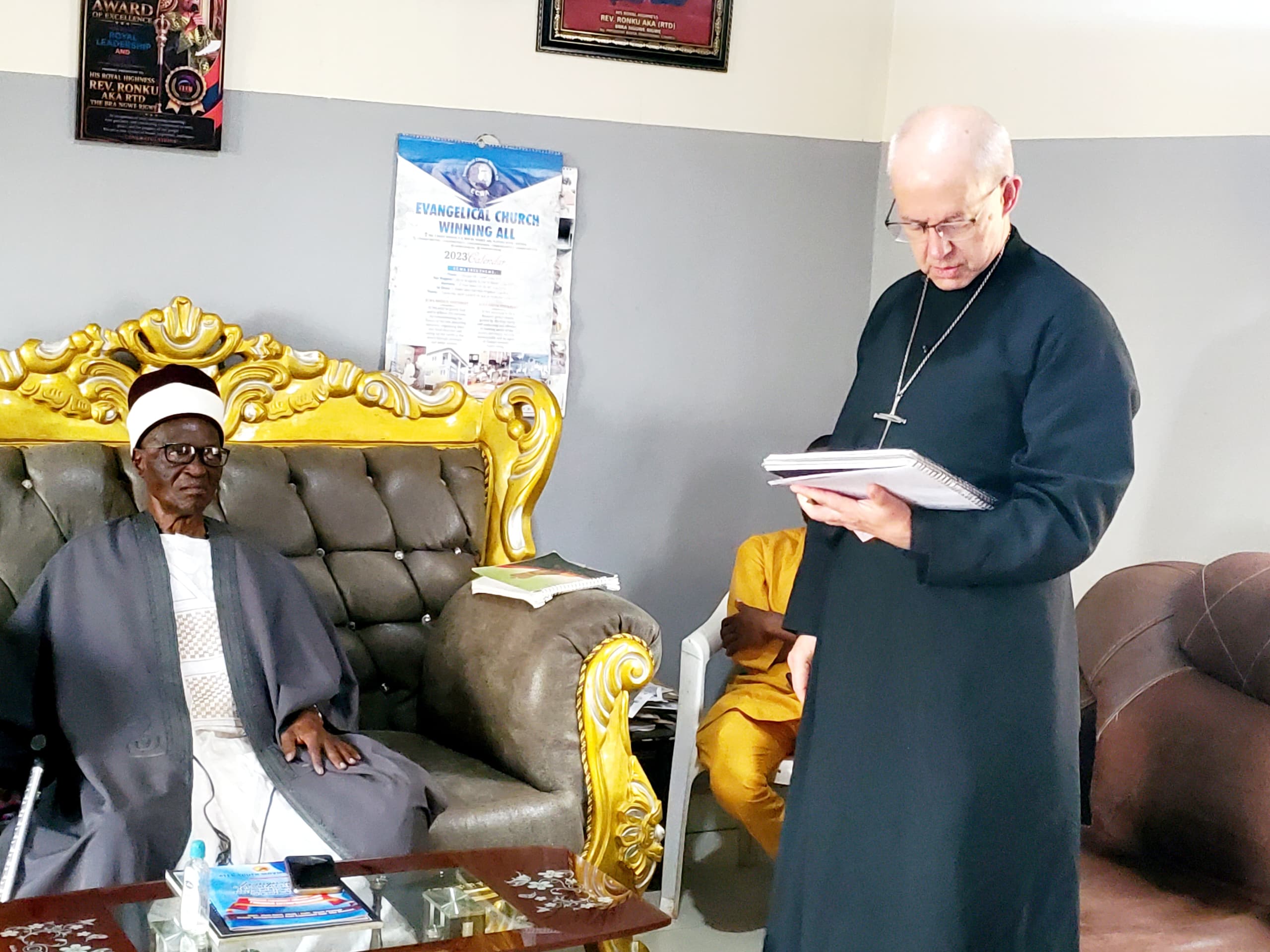
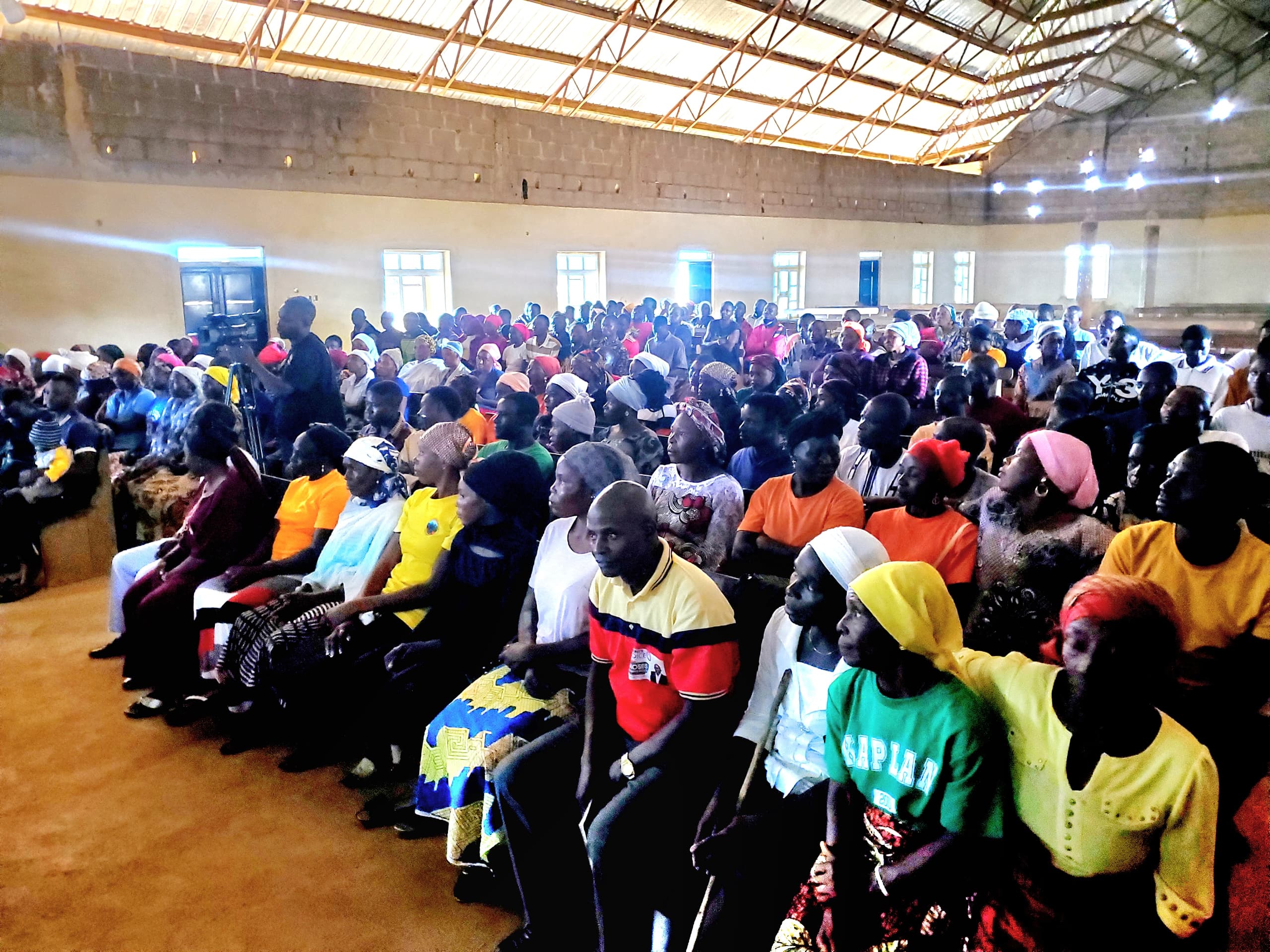
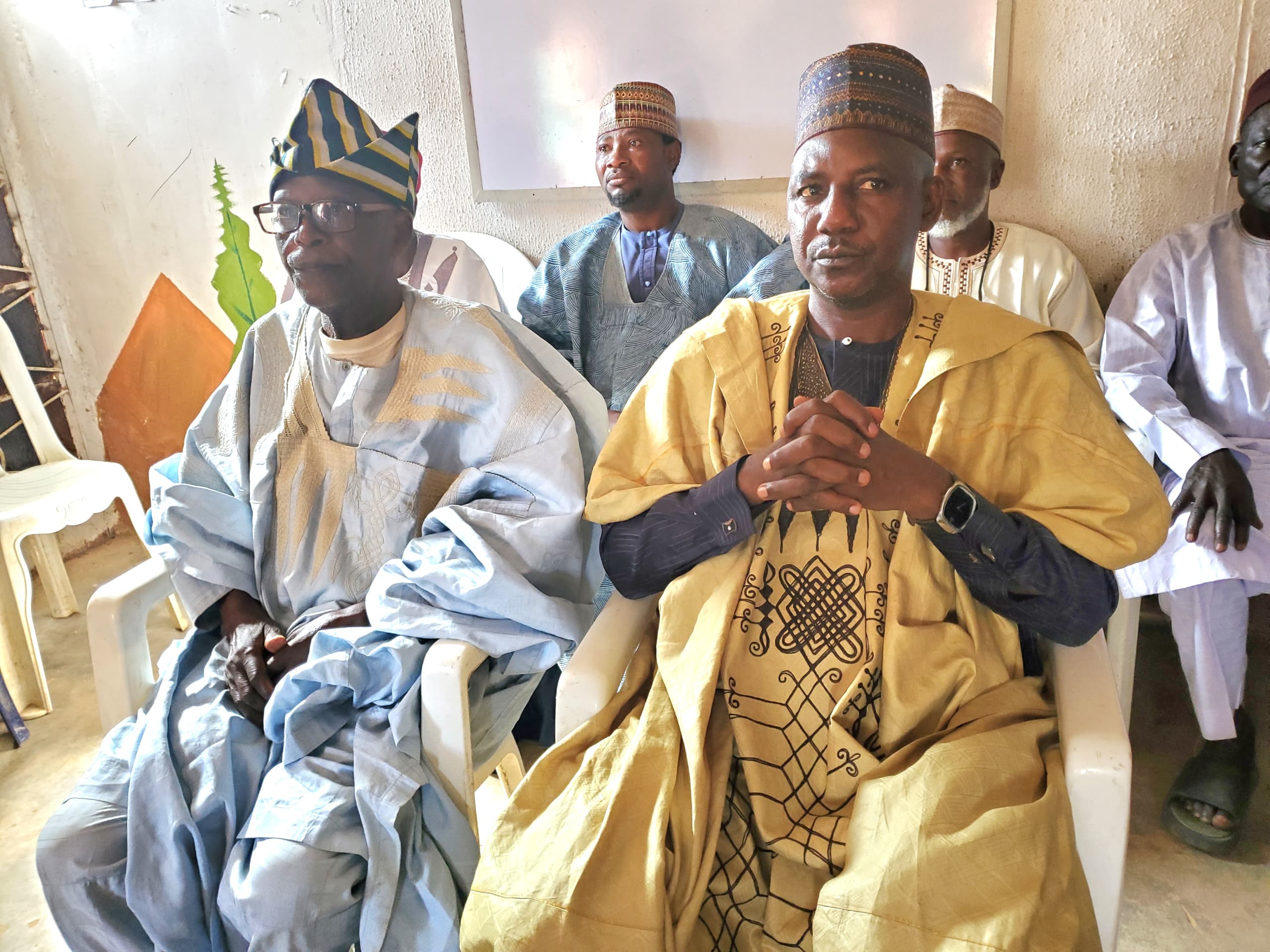
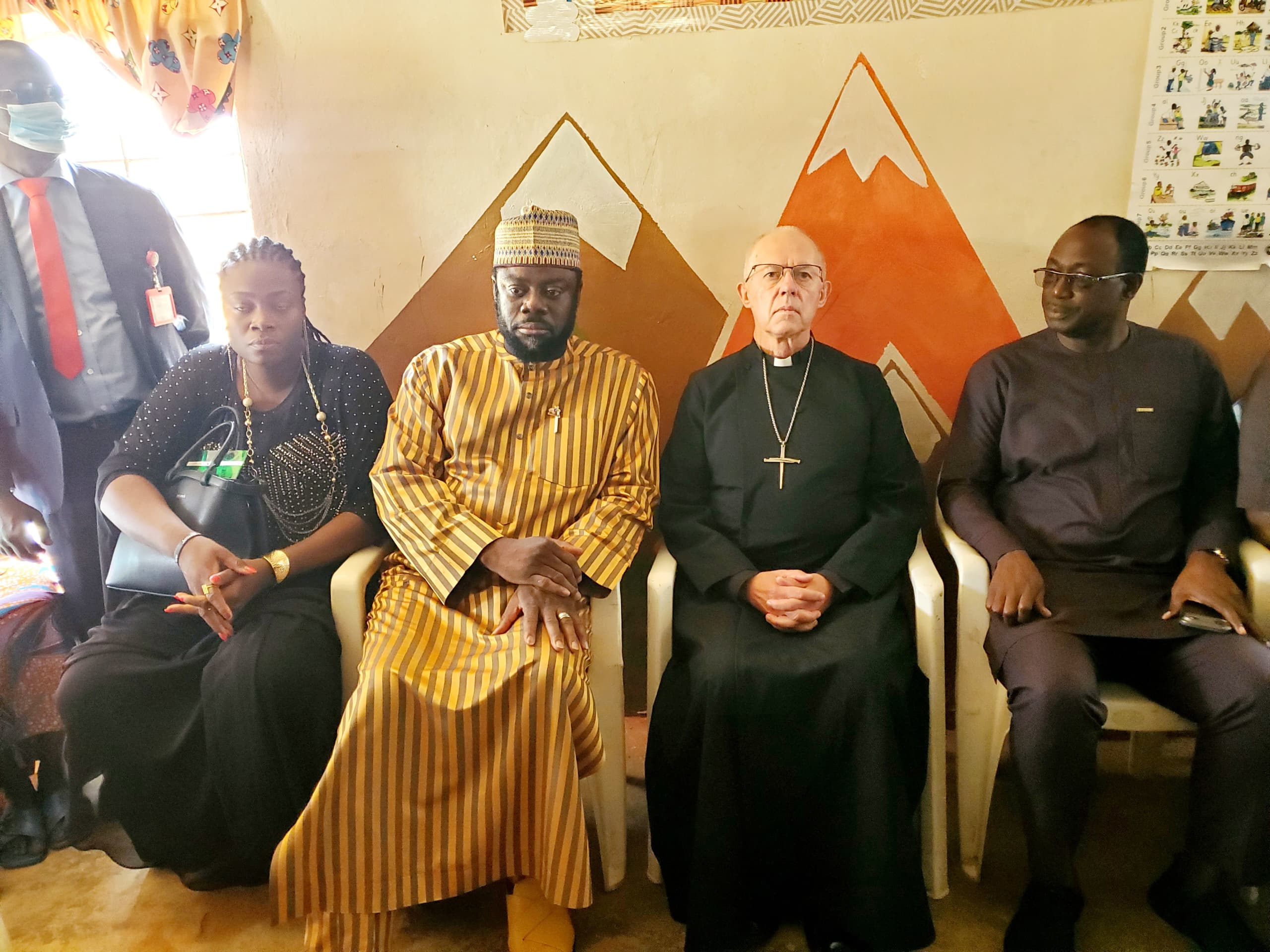
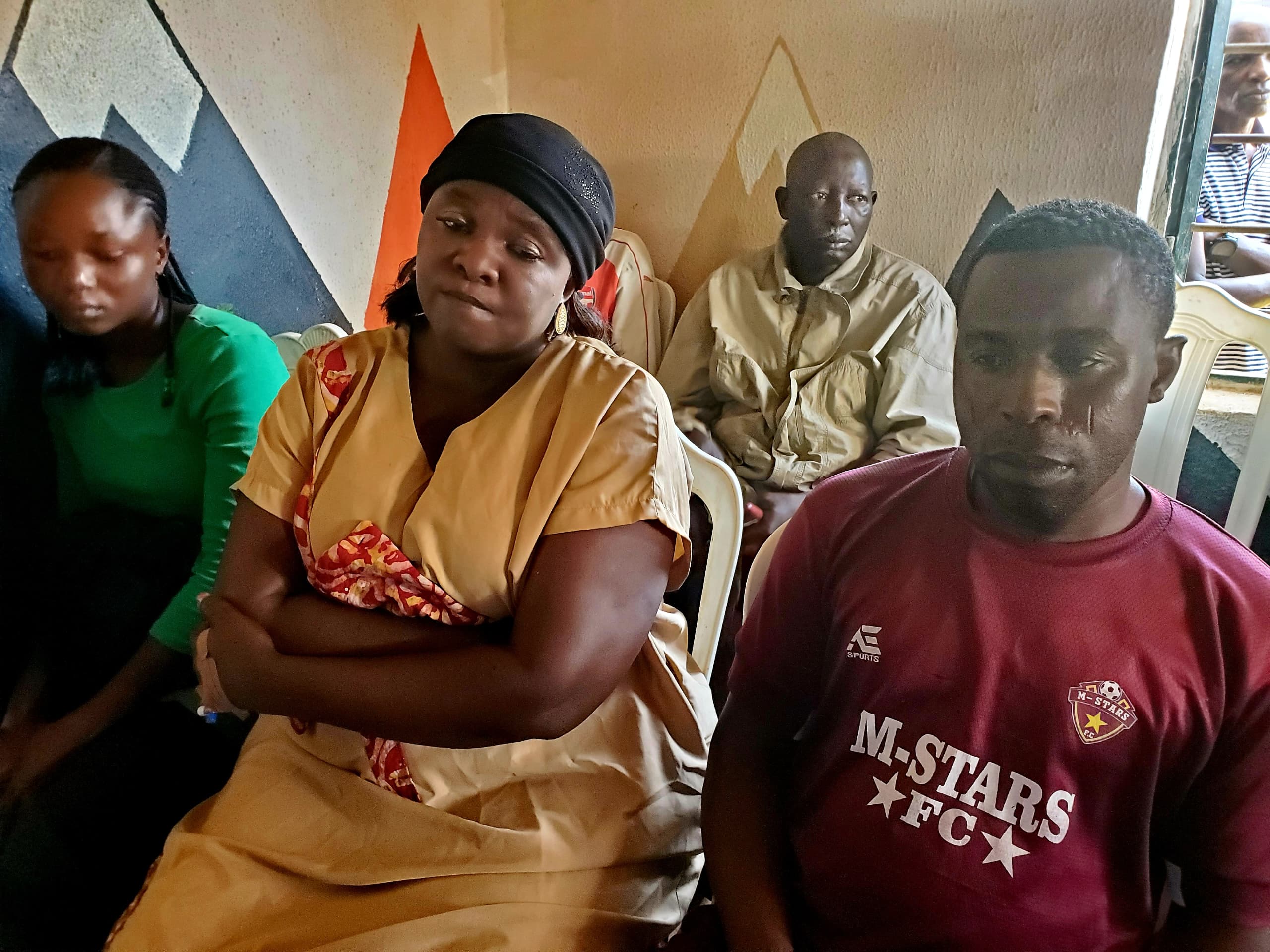
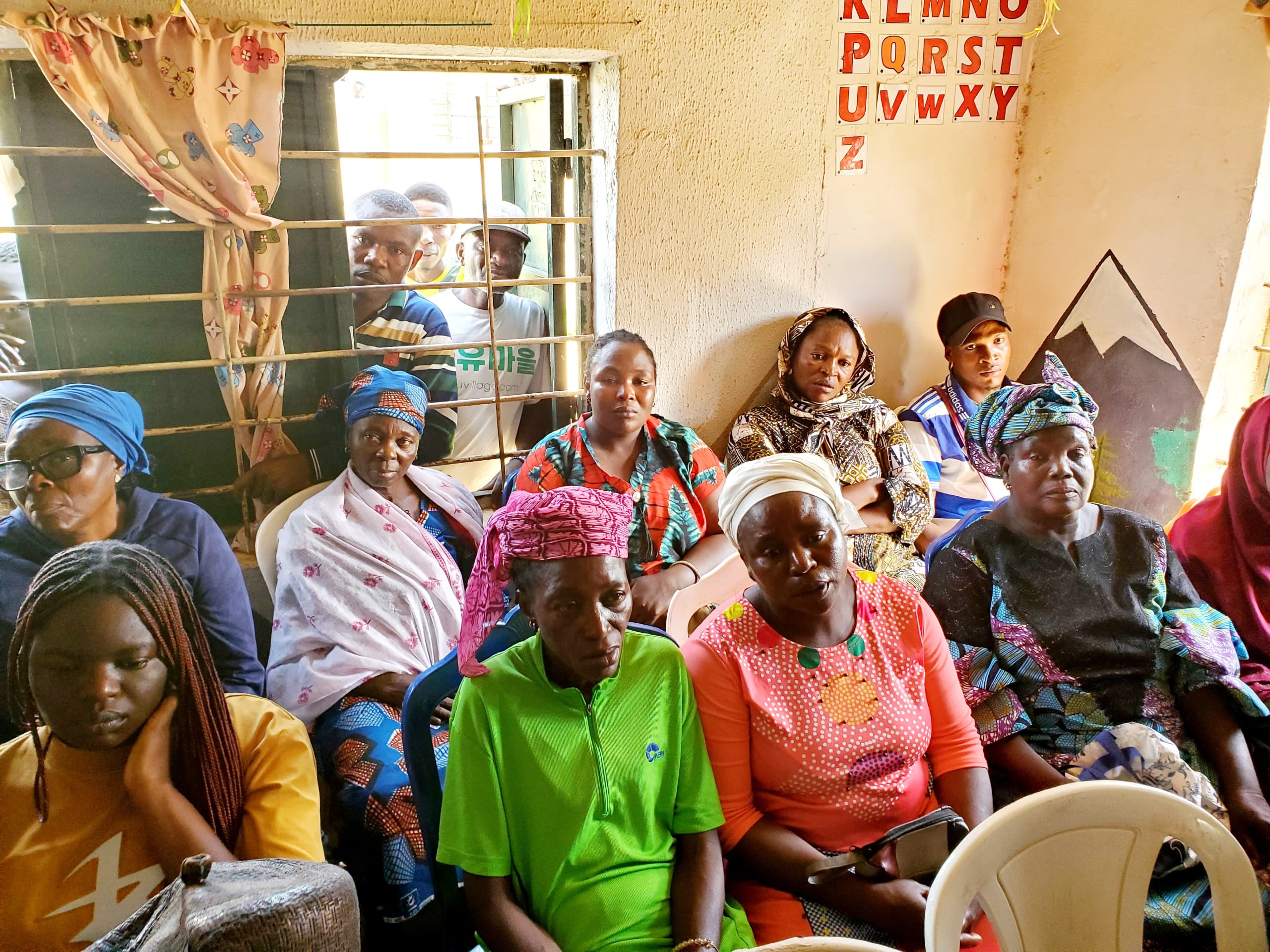
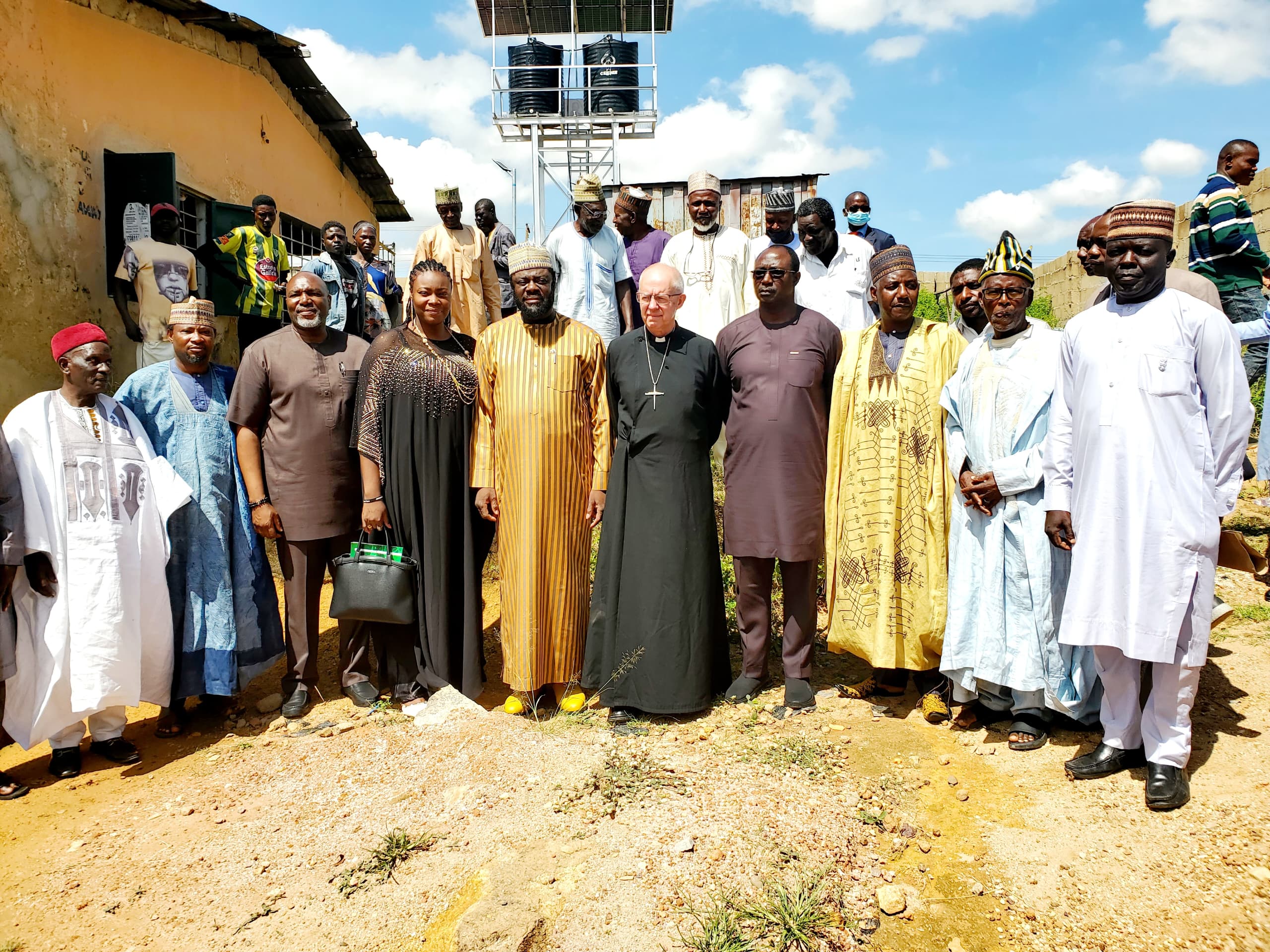
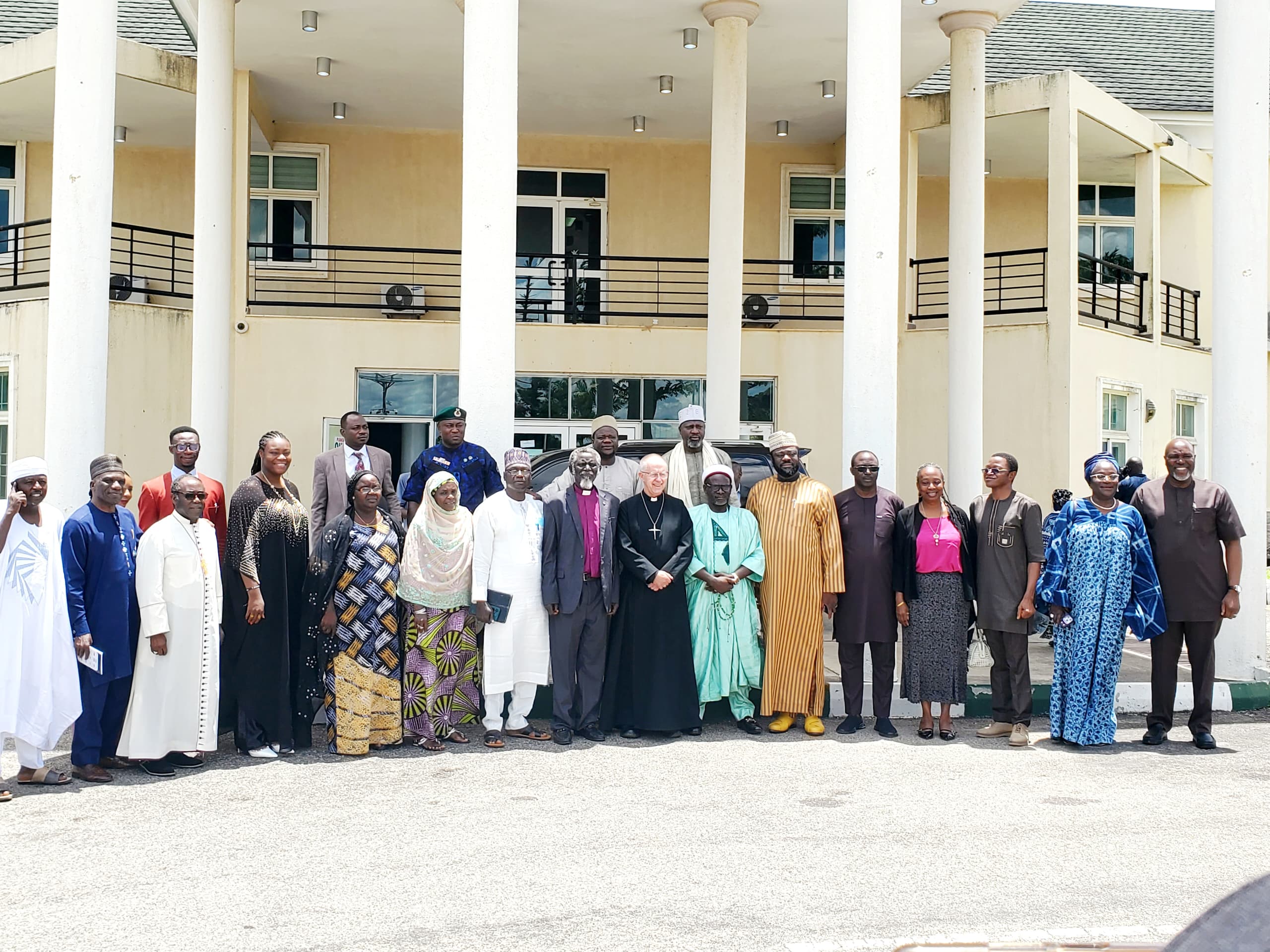
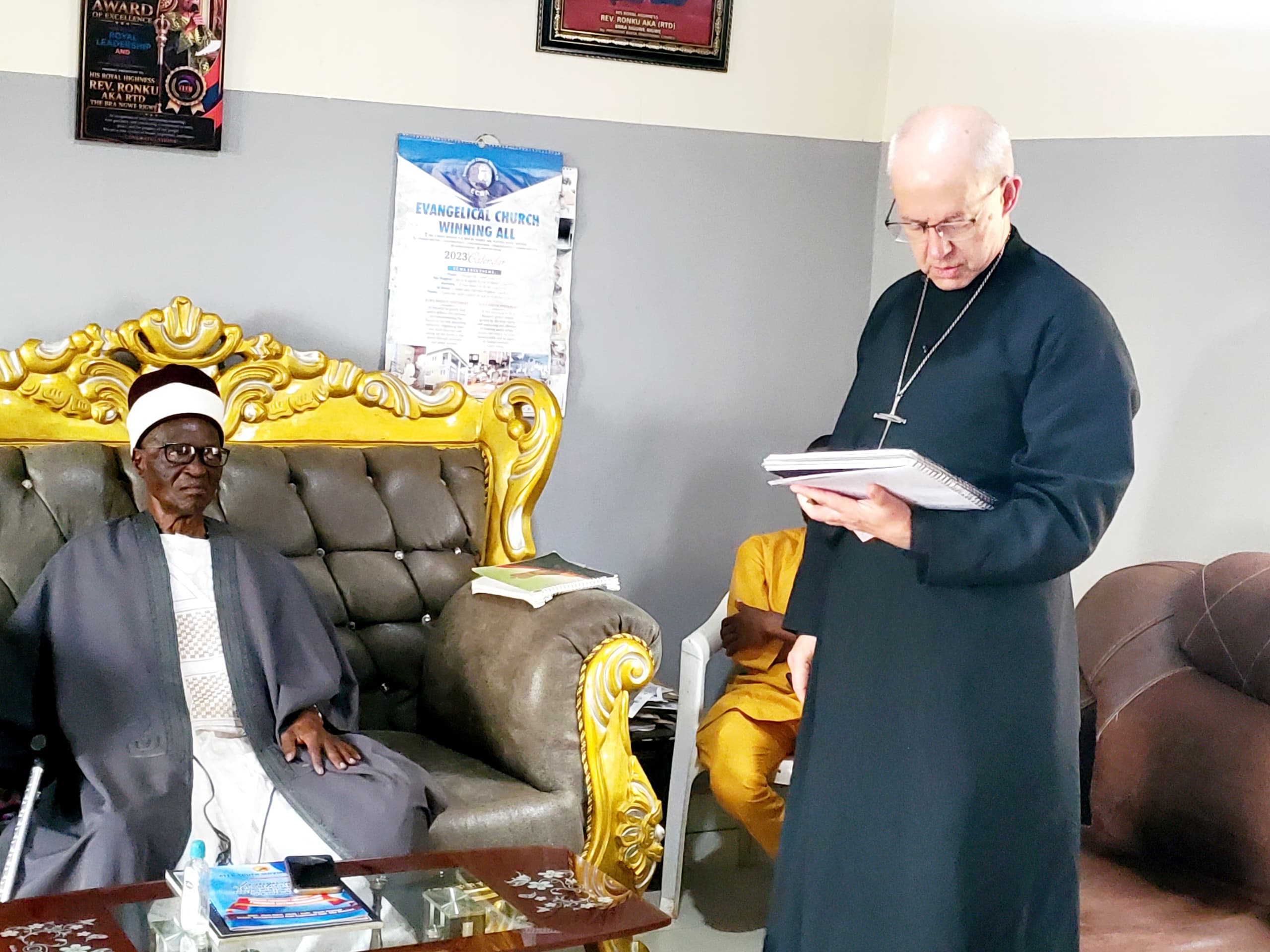
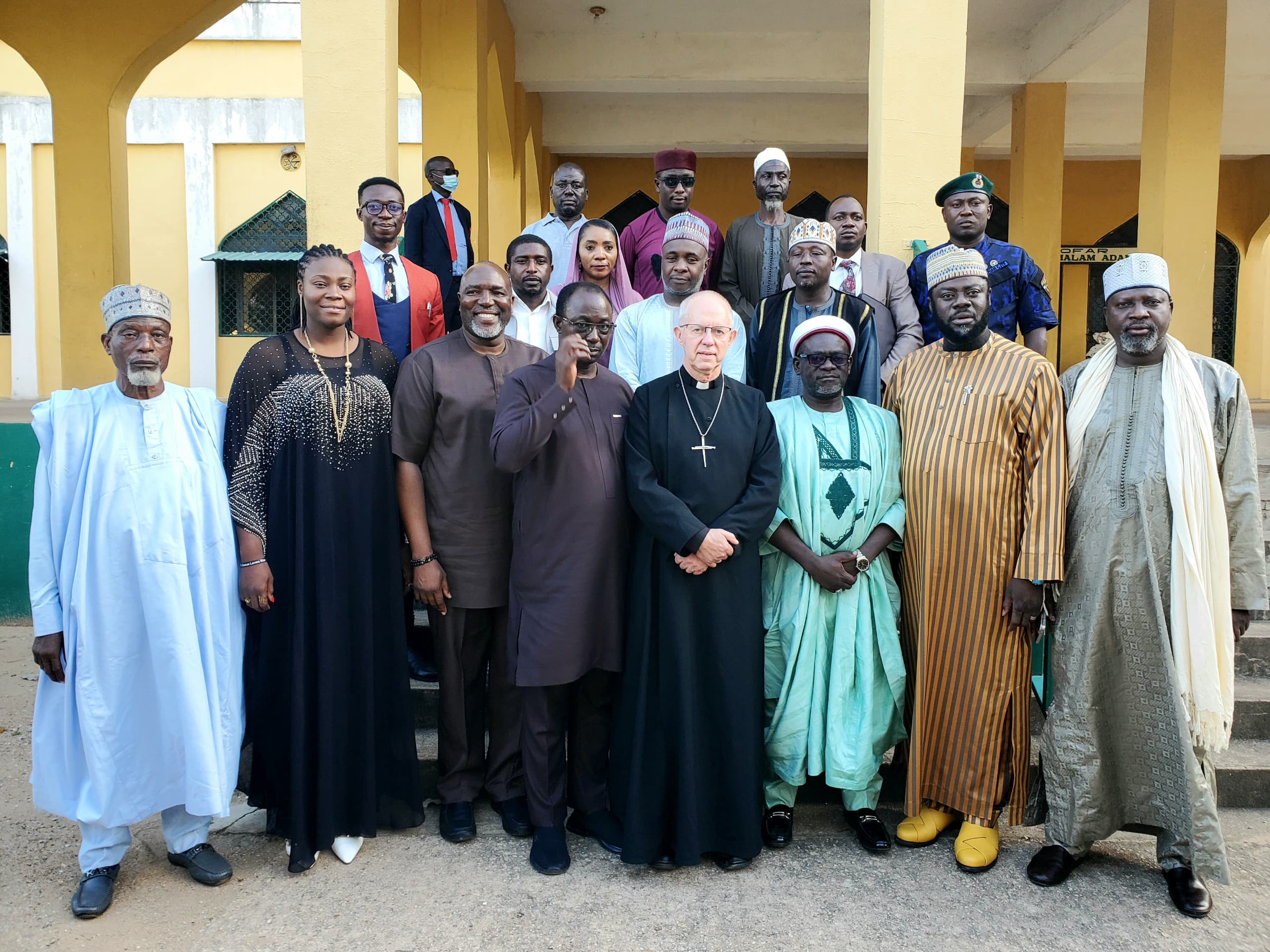
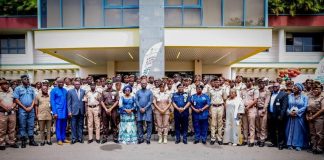
Former Archbishop of Canterbury, Bishop Justin Welby, has visited Plateau State to commiserate with families affected by recent attacks and killings and engage stakeholders on the underlying causes of persistent violence in the state.
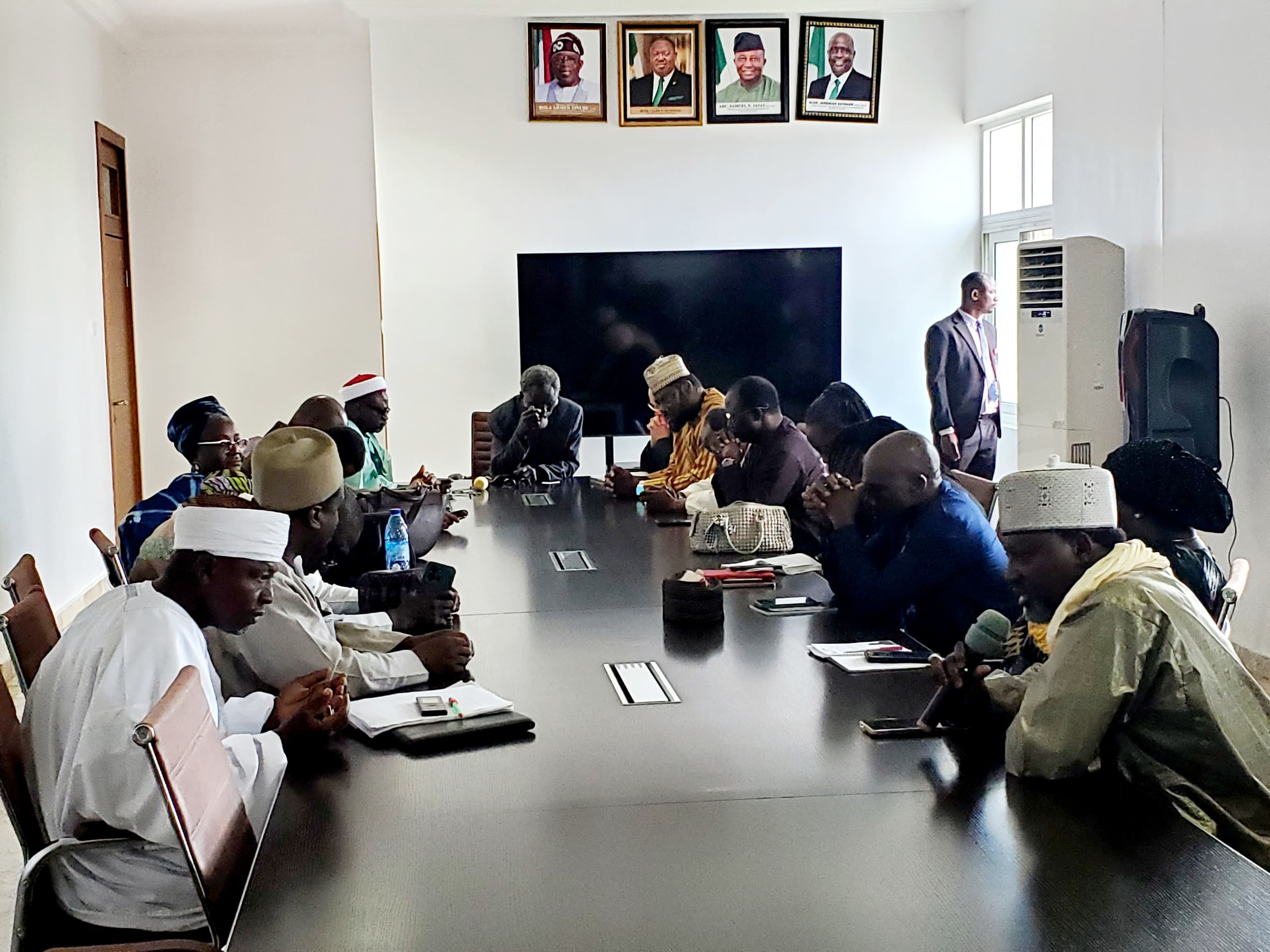
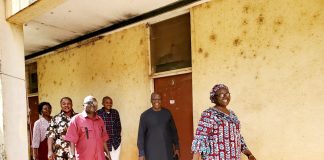
Welby visited communities including Angwan Rukuba and Te’egbe Miango, as well as the Jos Central Mosque, then met with members of the Plateau Peace Advisory Council at the Government House, Little Rayfield, Jos.
Welby was accompanied by the Founder of El-Buba Outreach Ministries International (EBOMI), Prophet Isa El-Buba; Rev. Steve Dangana; the Special Adviser on Religious Affairs to the Plateau State Governor; and the Chairman of the Christian Association of Nigeria (CAN) in Plateau State, Rev. Dr. Dunka Gomwalk.
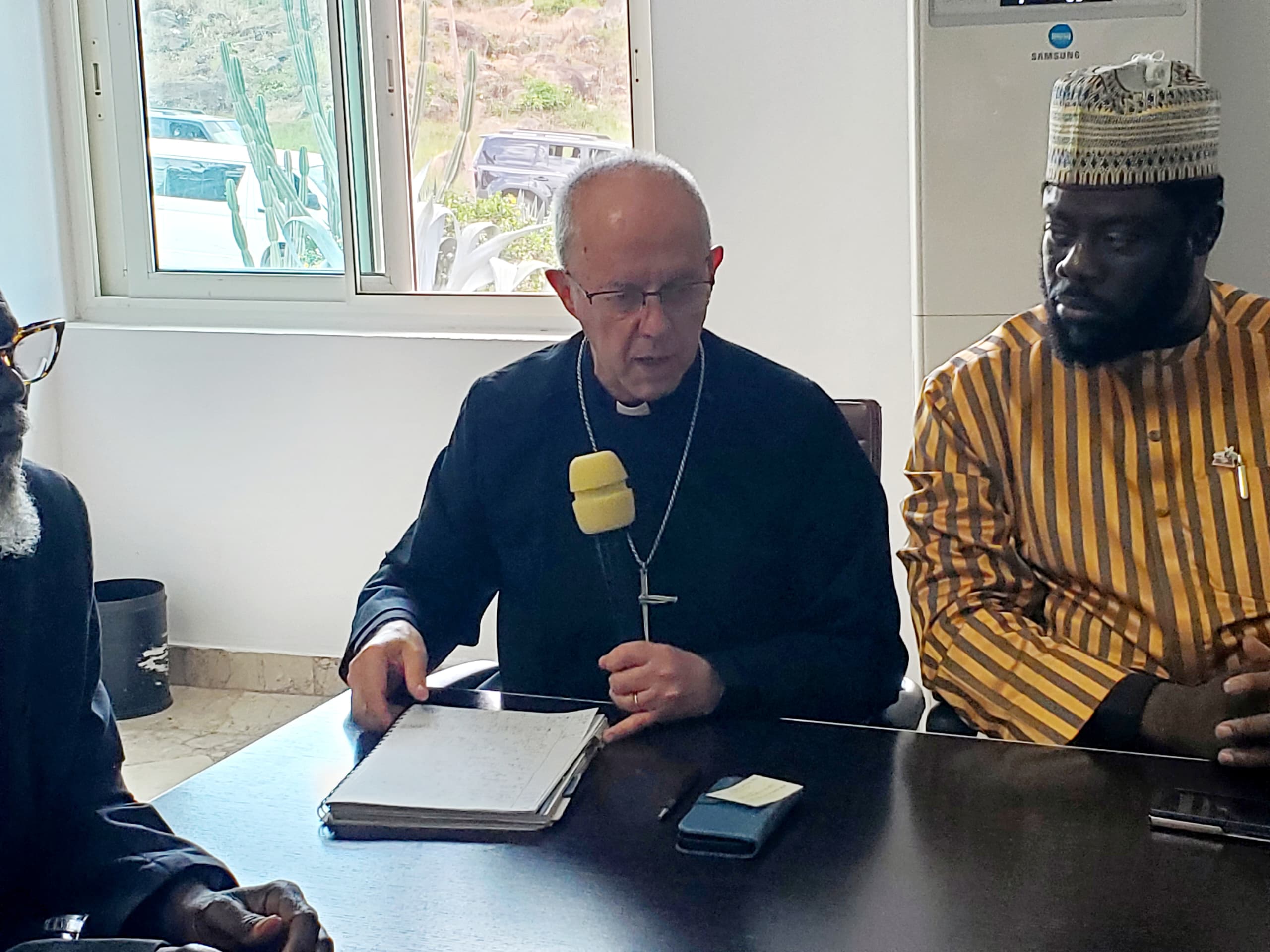
Speaking during the engagement, Welby said his role in the peacebuilding process was not to impose solutions on Nigeria, stressing that the country had the skills and capacity to address its conflicts.
“Nigeria has all the skills and brilliance it needs to make peace. And Nigeria will make its own solutions. It’s not for outsiders.”
He said outsiders could only serve as catalysts by helping stakeholders examine the situation from different perspectives while supporting locally driven efforts to address the causes of conflict.
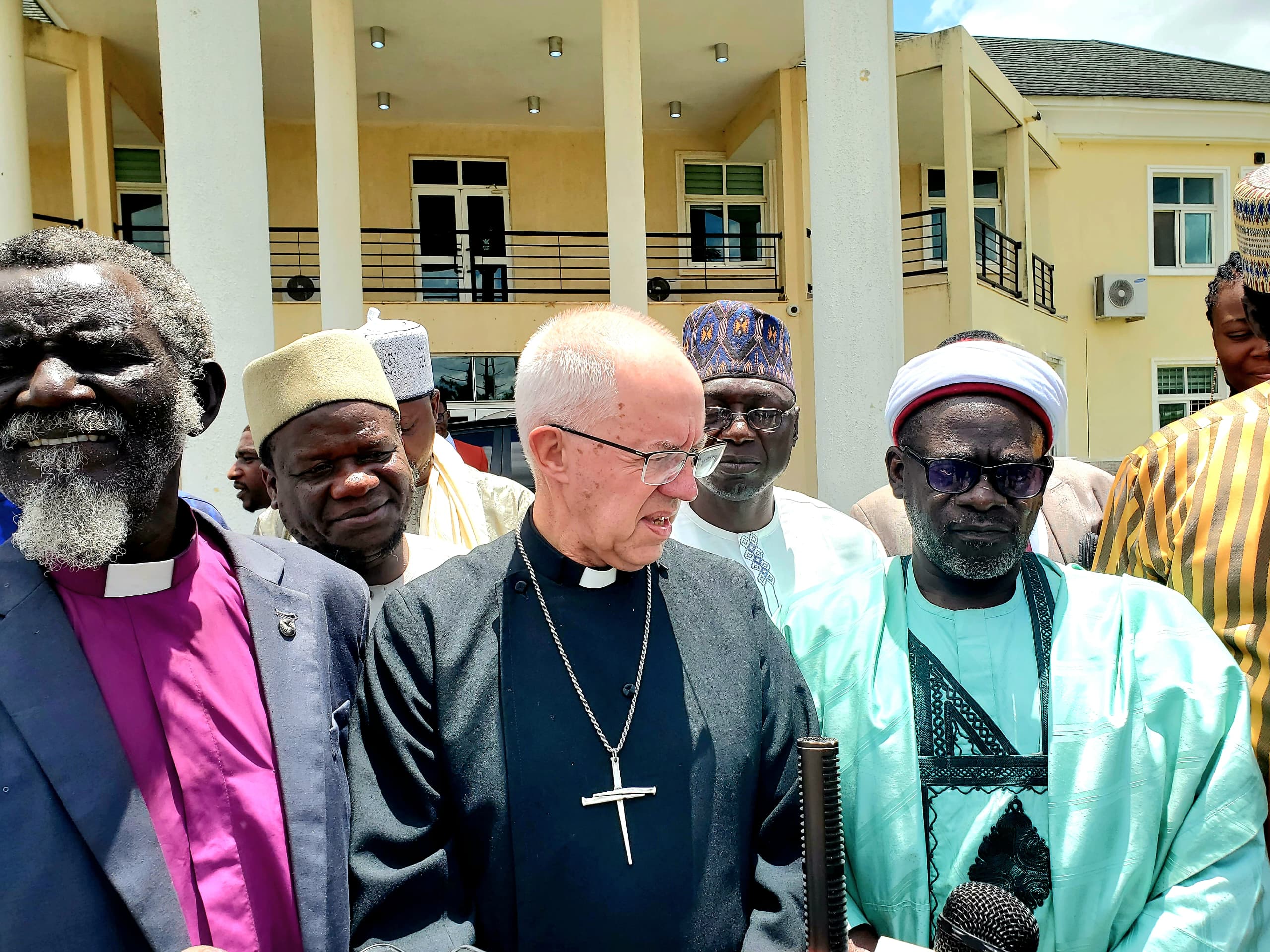
Welby explained that his current peacebuilding engagement followed an invitation from Sheikh Bin Bayer, a Muslim scholar and founder of a global peace foundation, to contribute to peacebuilding and mediation efforts in Nigeria.
He said the initiative would focus on practical areas including research, early warning mechanisms, community security and educating young people to prevent future recruitment into violent groups.
“Every single area of conflict has its own distinct character. And the worst thing you can do is take a solution from one place and apply it in another place. You can take lessons and principles, but not methods.”
Welby added that his visit was also aimed at listening to people affected by violence, stressing that their experiences and voices must remain central to decisions and peacebuilding efforts.
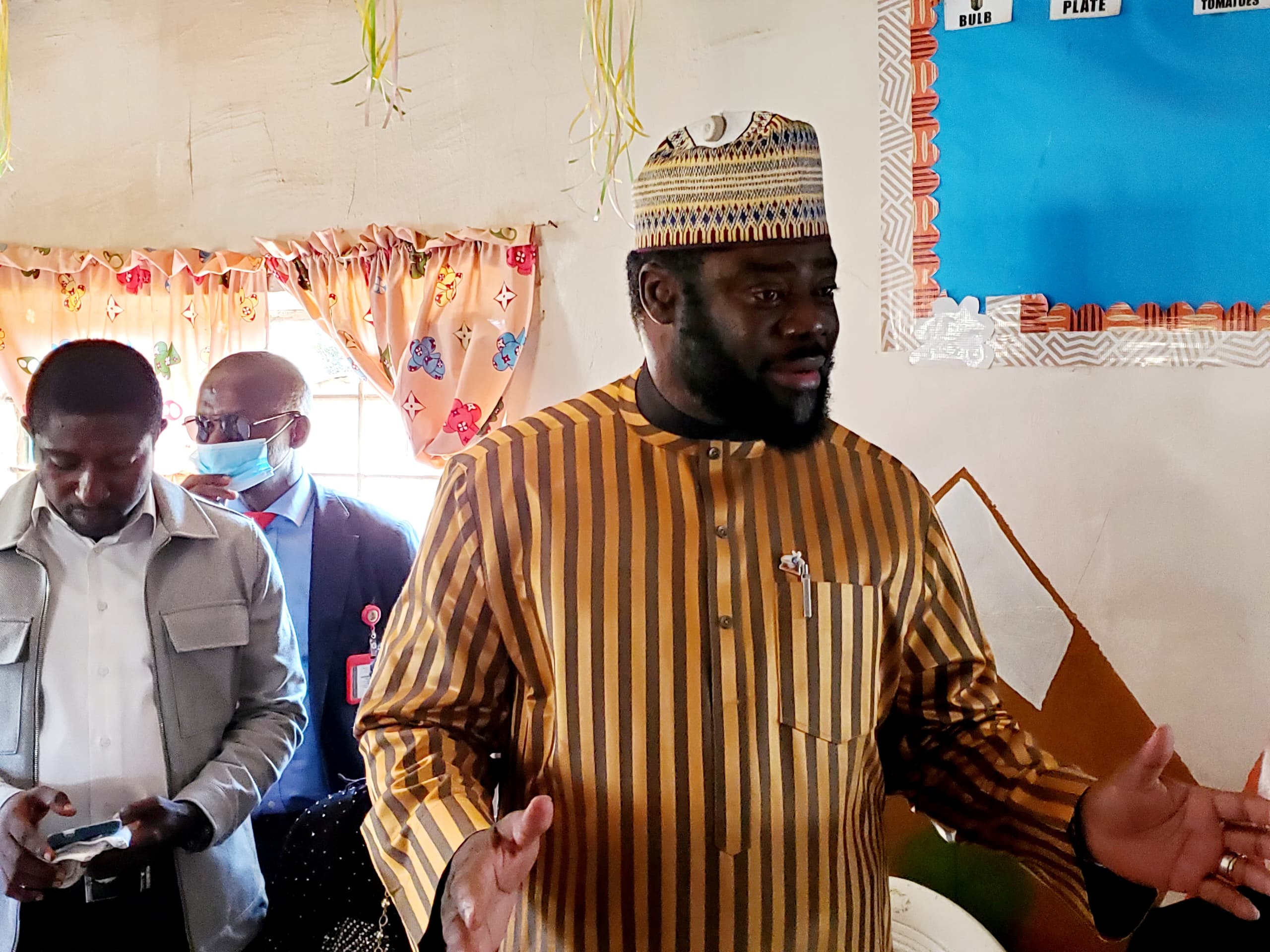
Prophet Isa El-Buba, Founder of Evangelical Bible Outreach Ministry International (EBOMI), called for stronger cooperation between Christians and Muslims in confronting violence, stressing that the loss of any human life represents a loss to the entire nation.
He said people across Northern Nigeria were bearing the consequences of persistent attacks, urging religious leaders and communities to work together to protect their people.
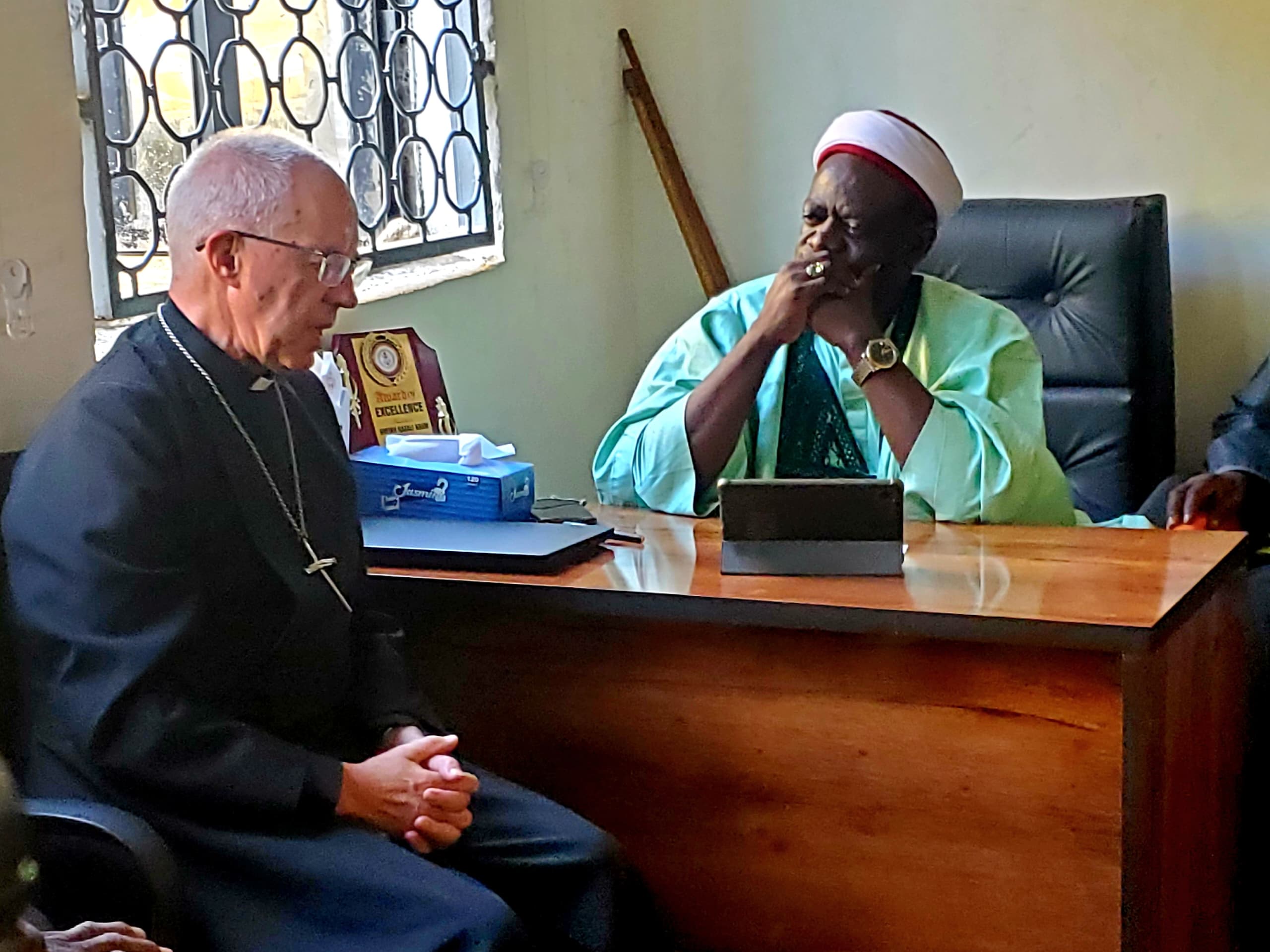
Chief Imam of Jos Central Mosque, Sheikh Ghazali Adam, called for peacebuilding efforts to reach the grassroots, particularly young people whom he identified as key actors in recurring conflicts.
He urged Christian and Muslim leaders to engage youth leaders directly, strengthen interfaith relationships and challenge stereotypes through regular interaction between communities.
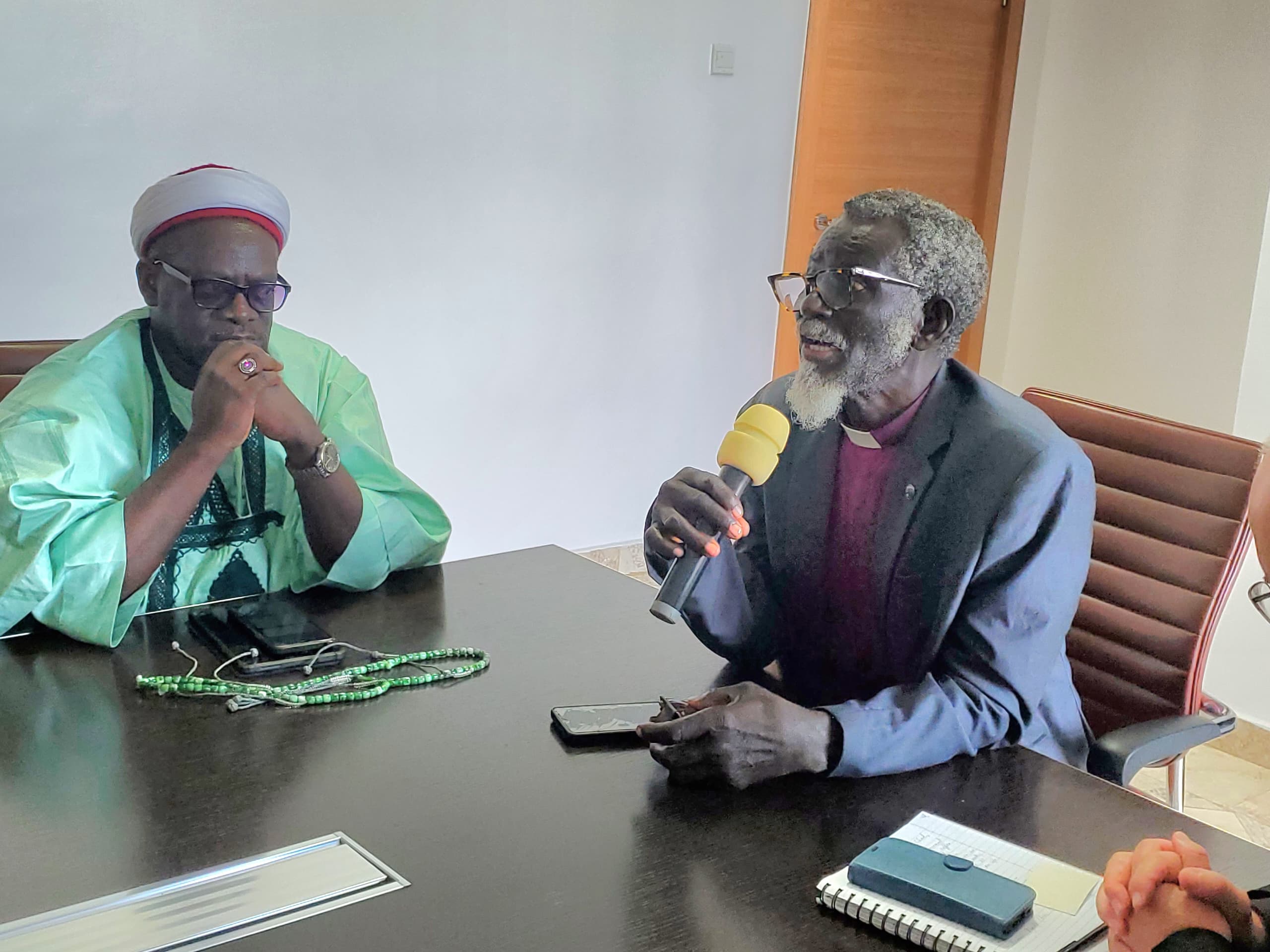
Chairman of the Plateau Peace Advisory Council, Rev. Pandam Yamsat, called for sustained dialogue between Christian and Muslim leaders, stressing that peace on the Plateau could be achieved through genuine cooperation.
He urged religious leaders to openly share and examine their proposed solutions, saying areas of disagreement could be addressed through continued dialogue and mutual understanding.
Director-General of the Plateau State Peace Building Agency, Dr Julie Sanda, said the Plateau Peace Advisory Council had prioritised direct engagement with communities affected by conflict rather than limiting its activities to meetings.
She said members had visited affected communities to listen to residents, offer comfort and work with them to prevent reprisals, while strengthening partnerships in interfaith dialogue and peacebuilding.
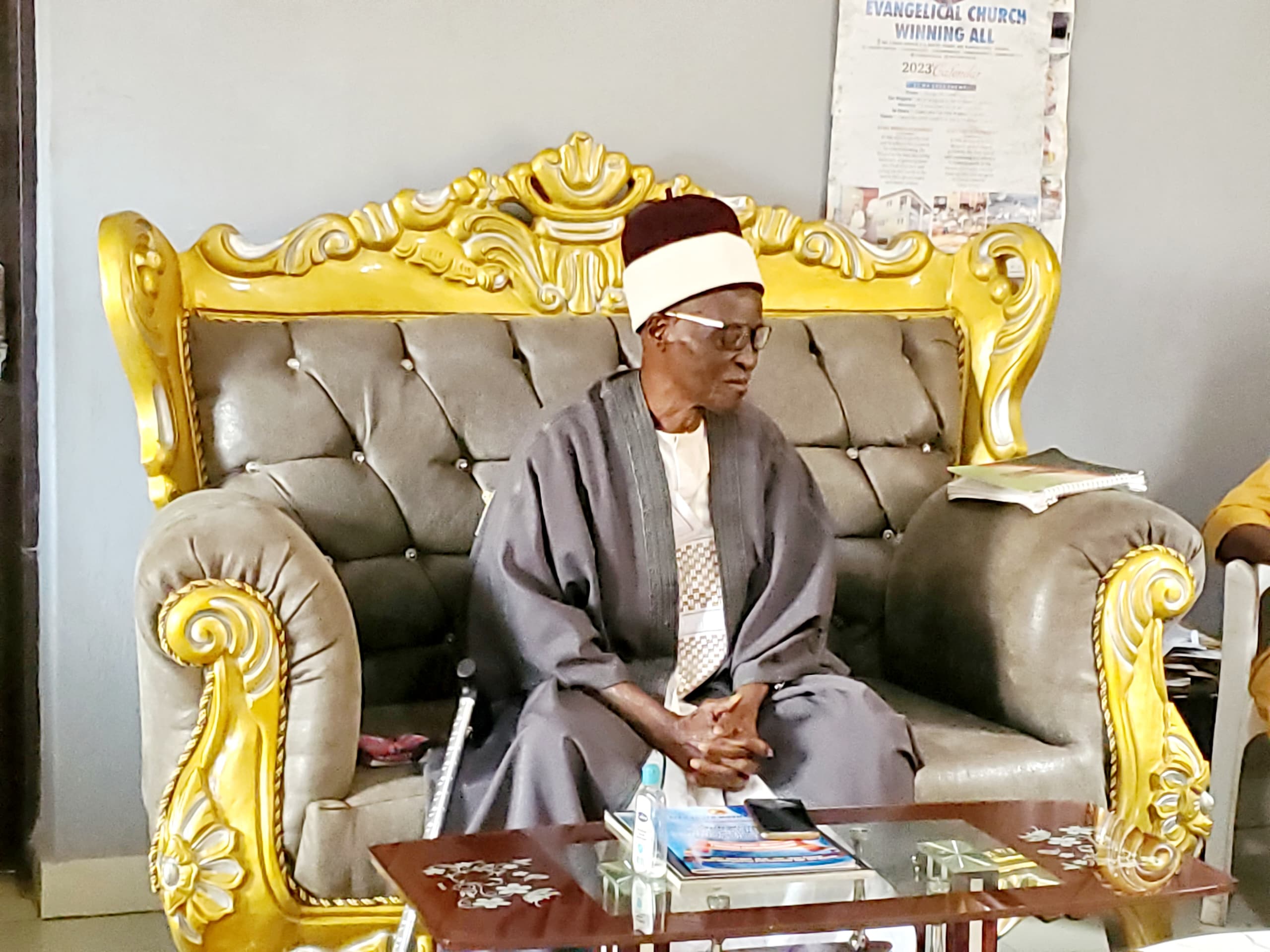
Chairman of the Irigwe Joint Traditional Council, HRH Rev. Ronku Aka (Rtd), called for sustained prayers and forgiveness as part of efforts to restore peace in Plateau State.
He urged communities affected by attacks to resist bitterness and continue praying for peace, stressing that meaningful development and progress would remain difficult without peace.