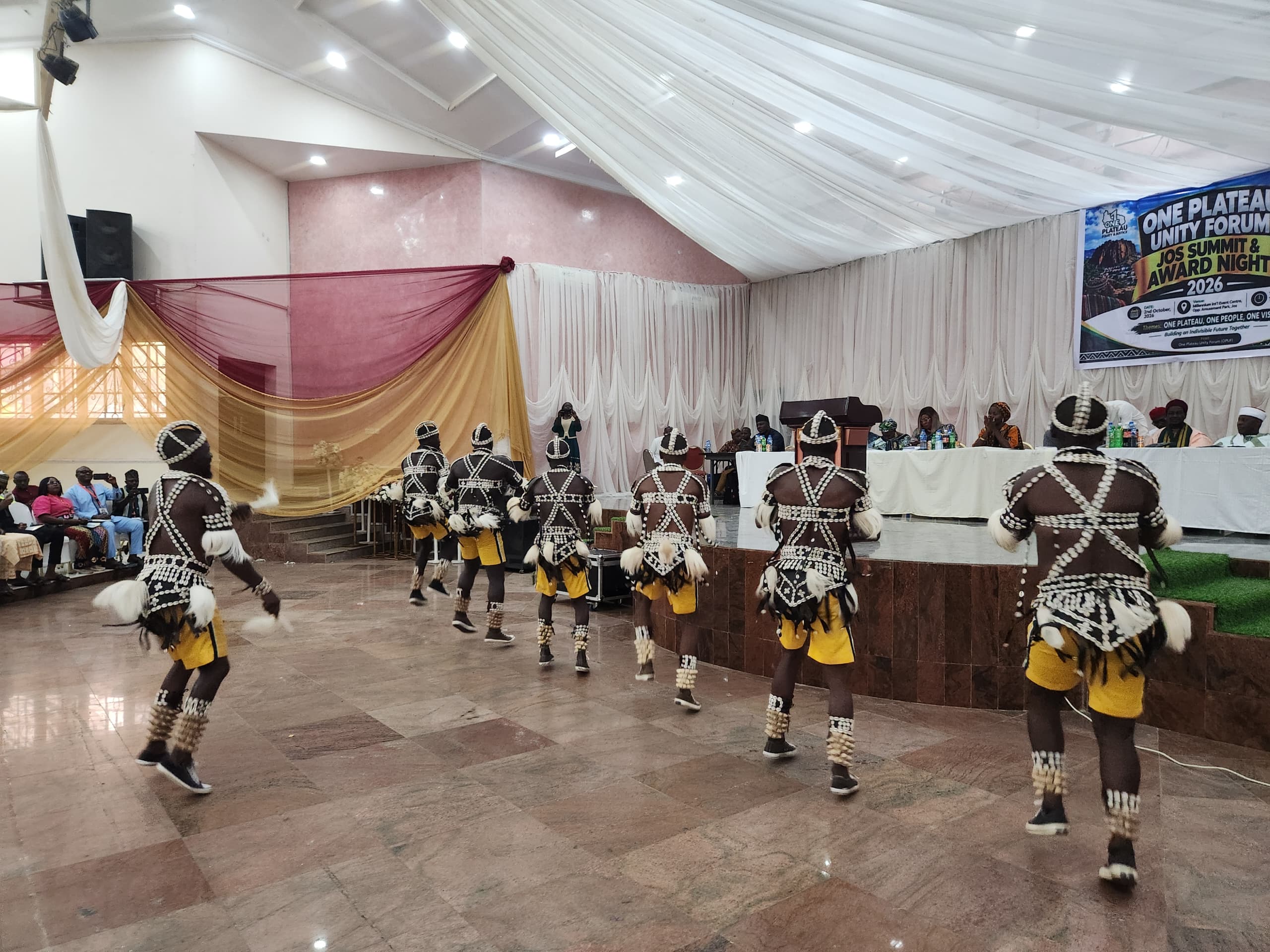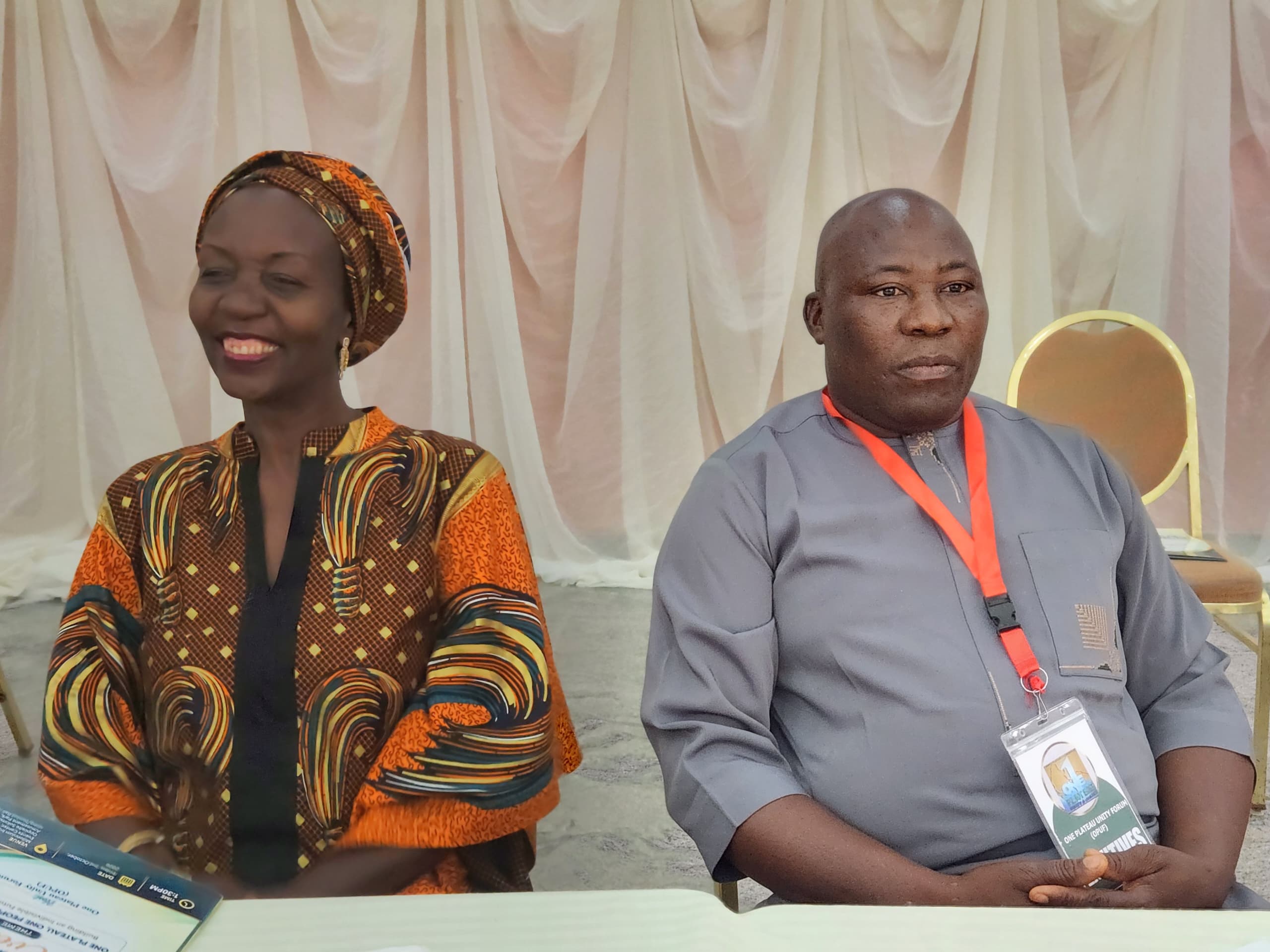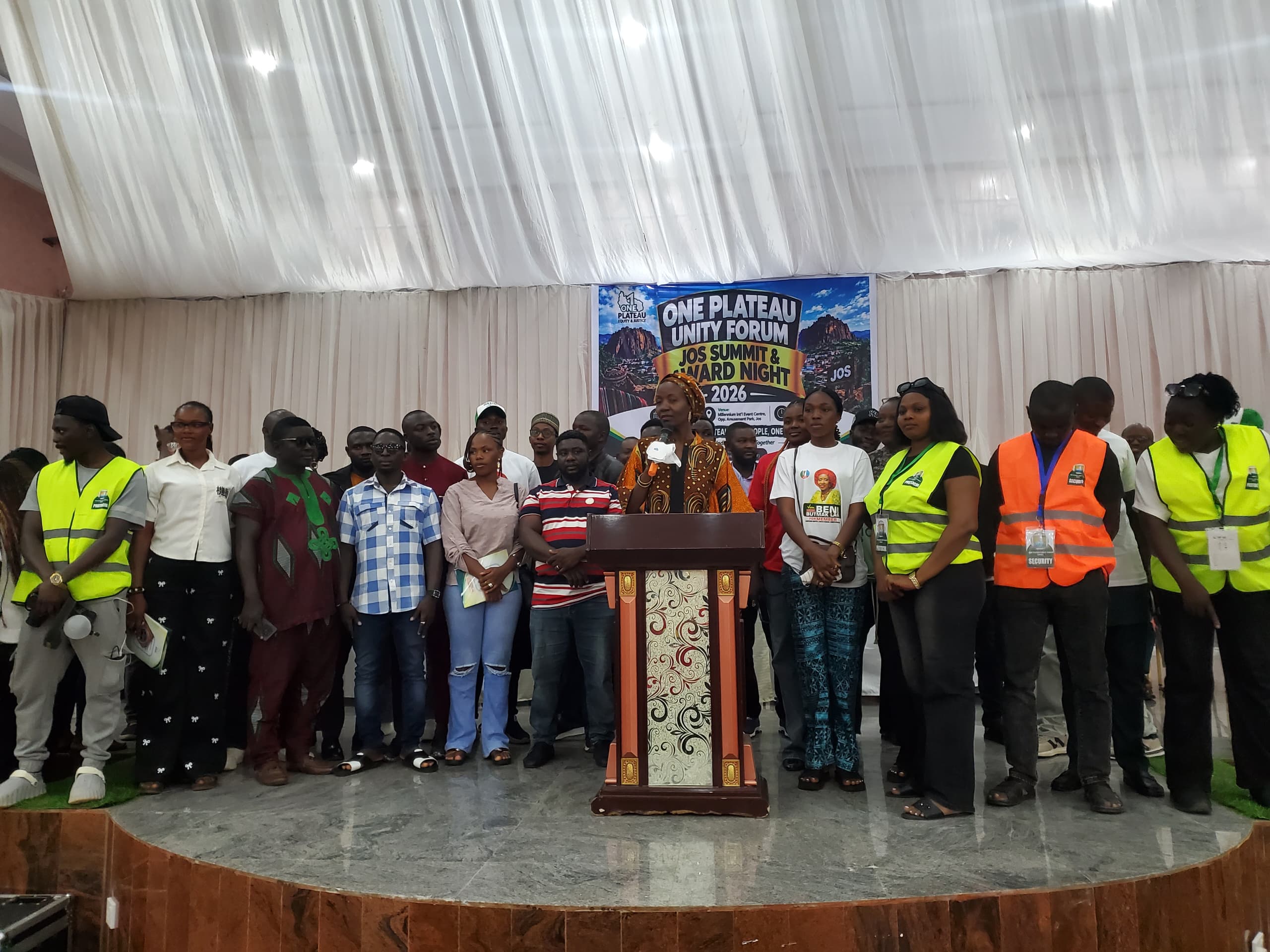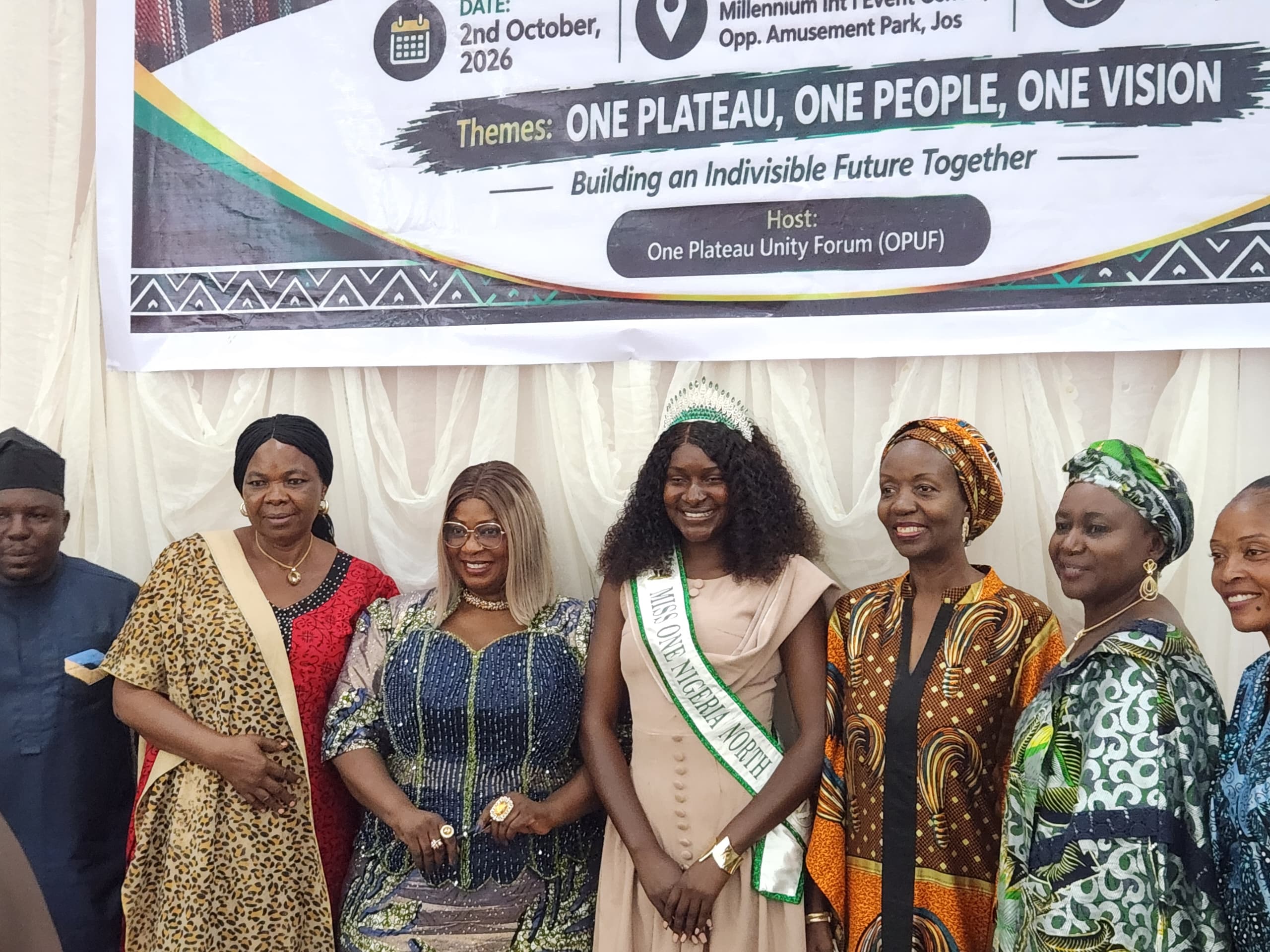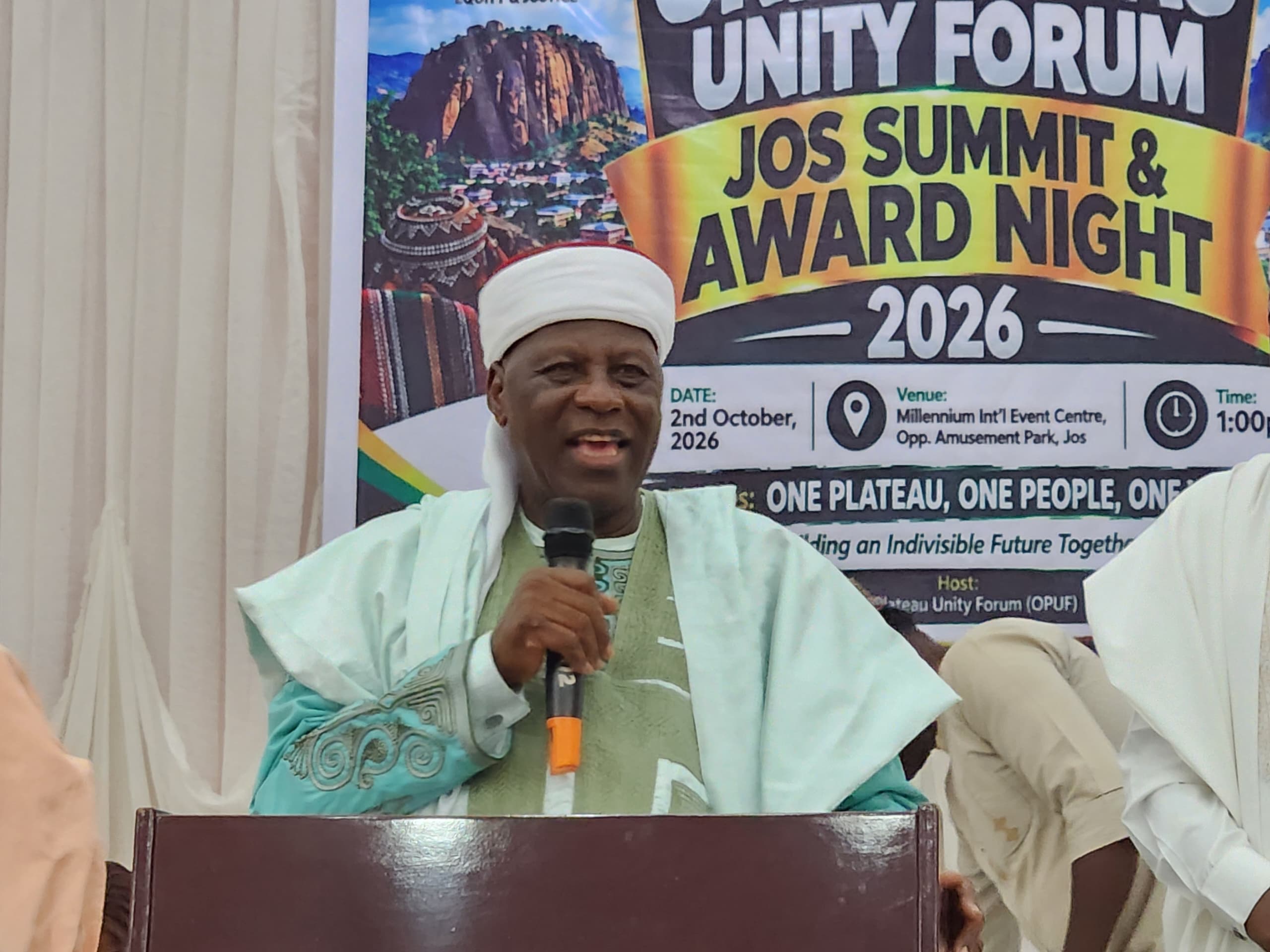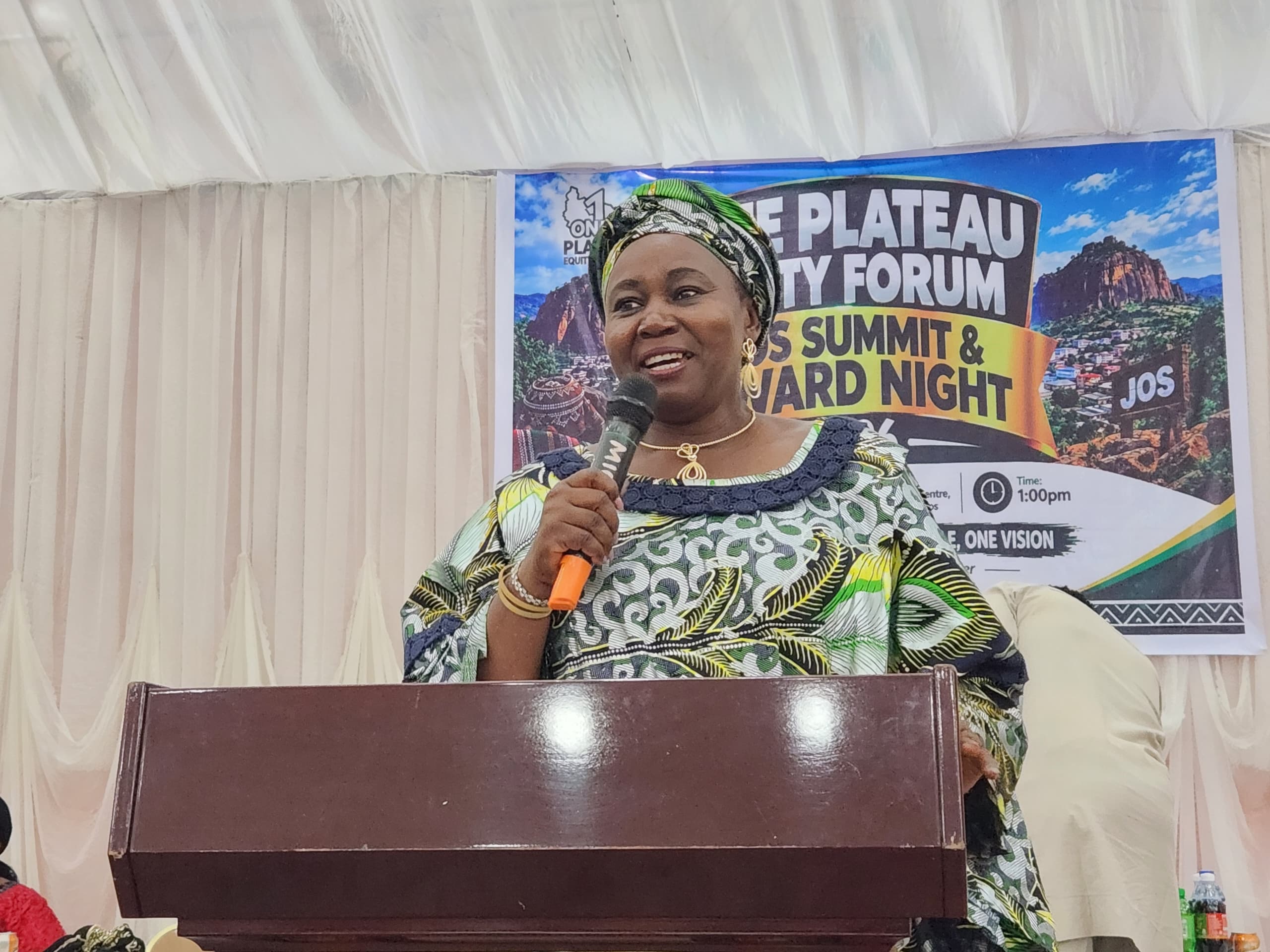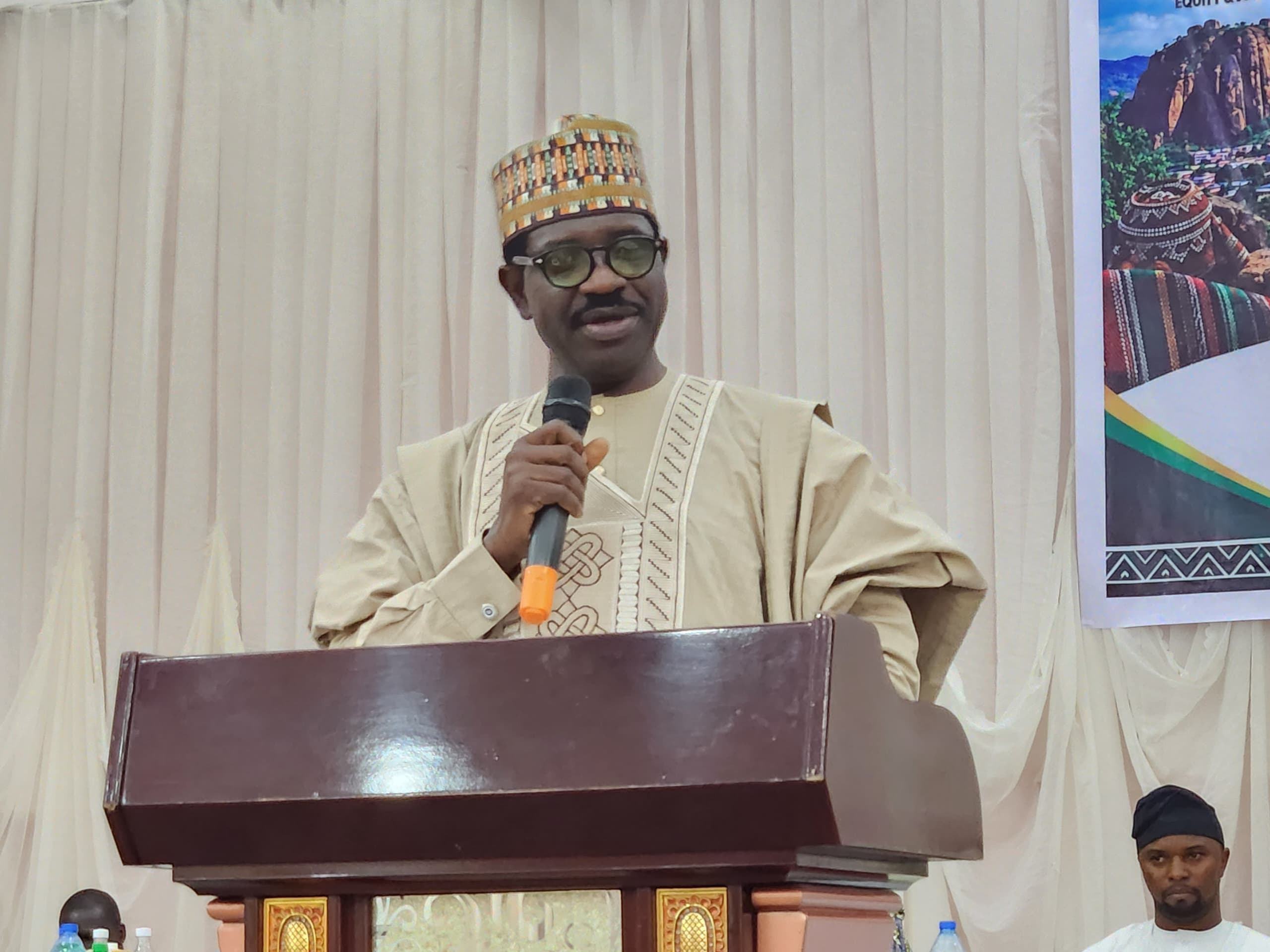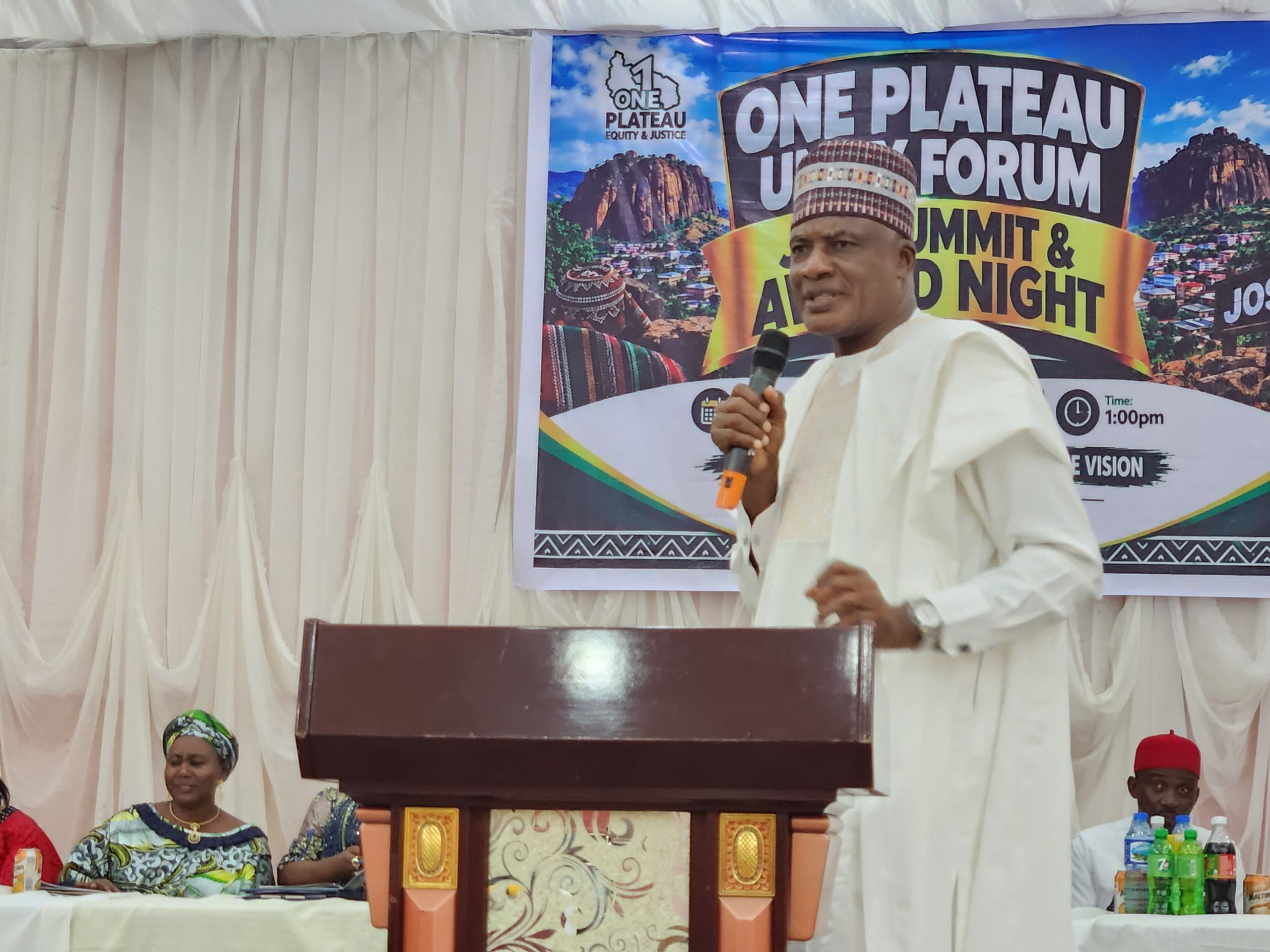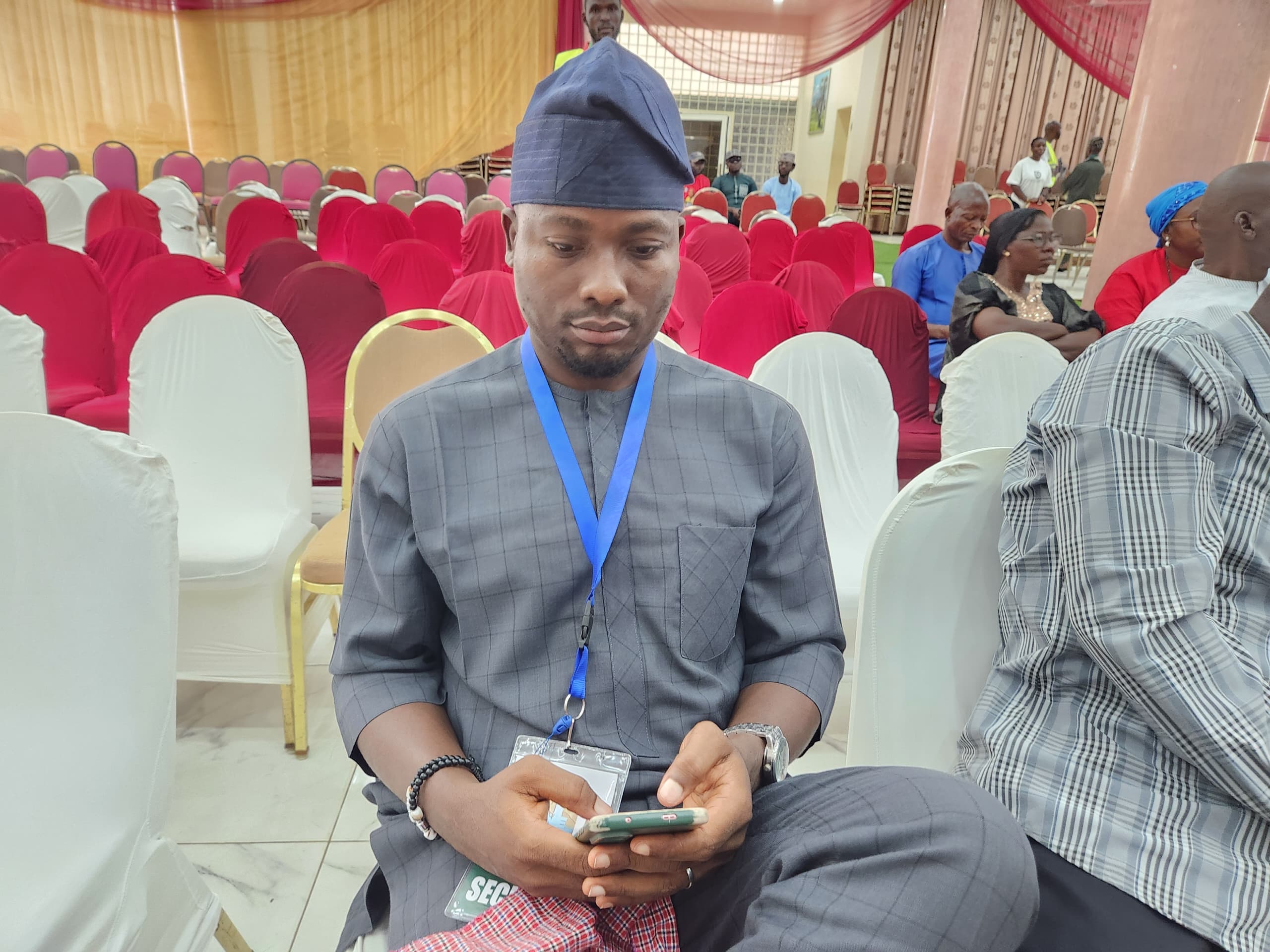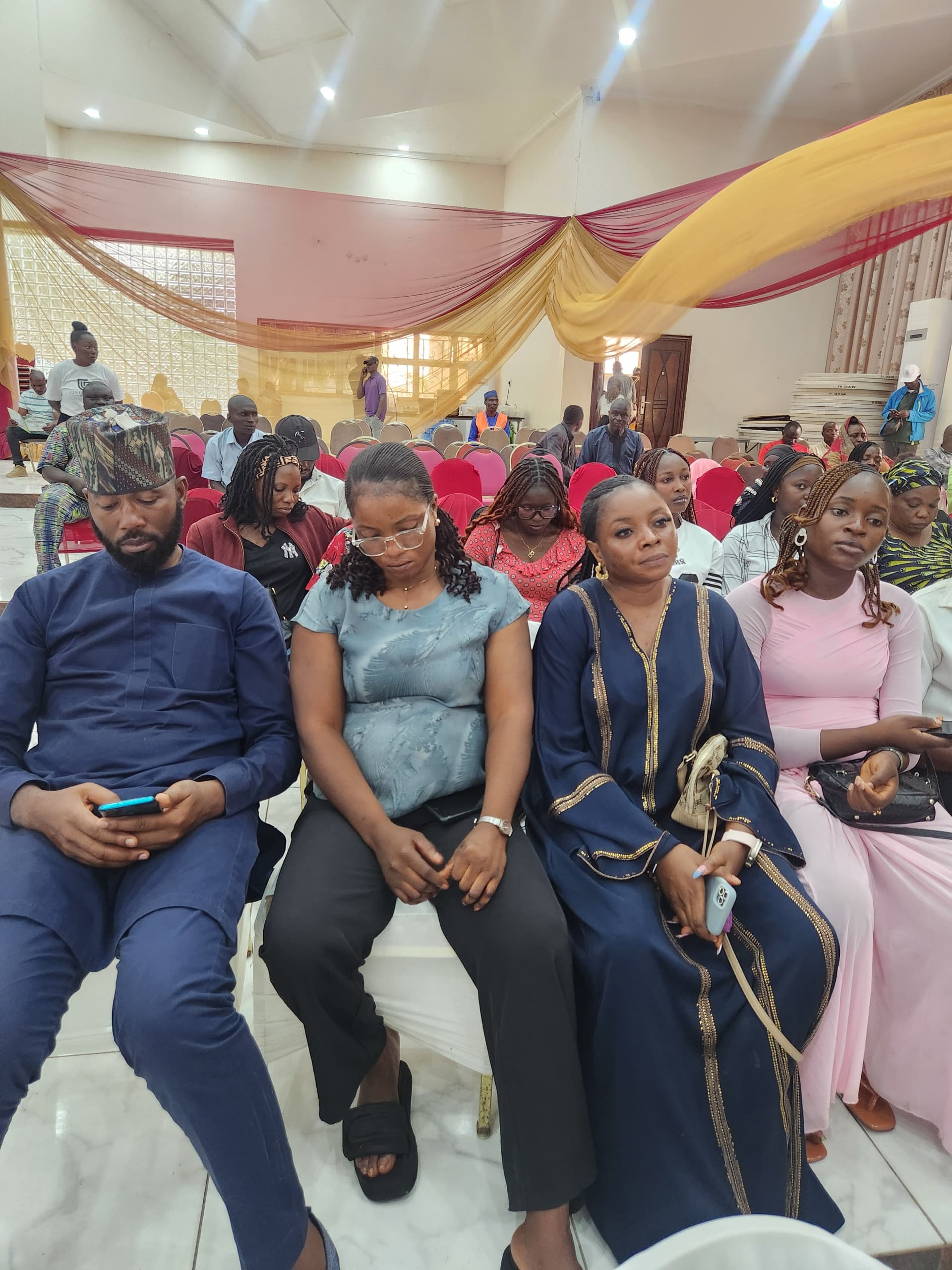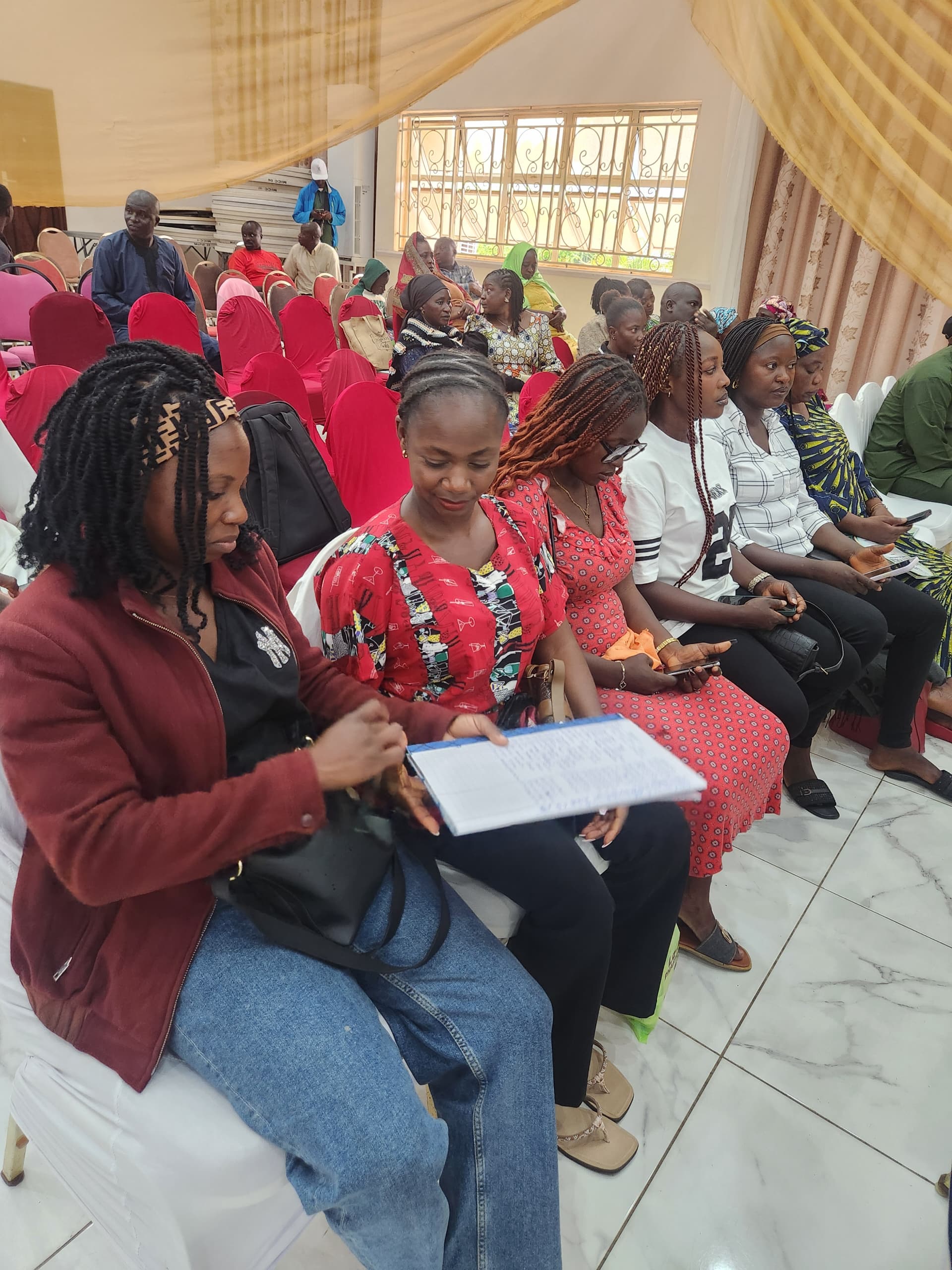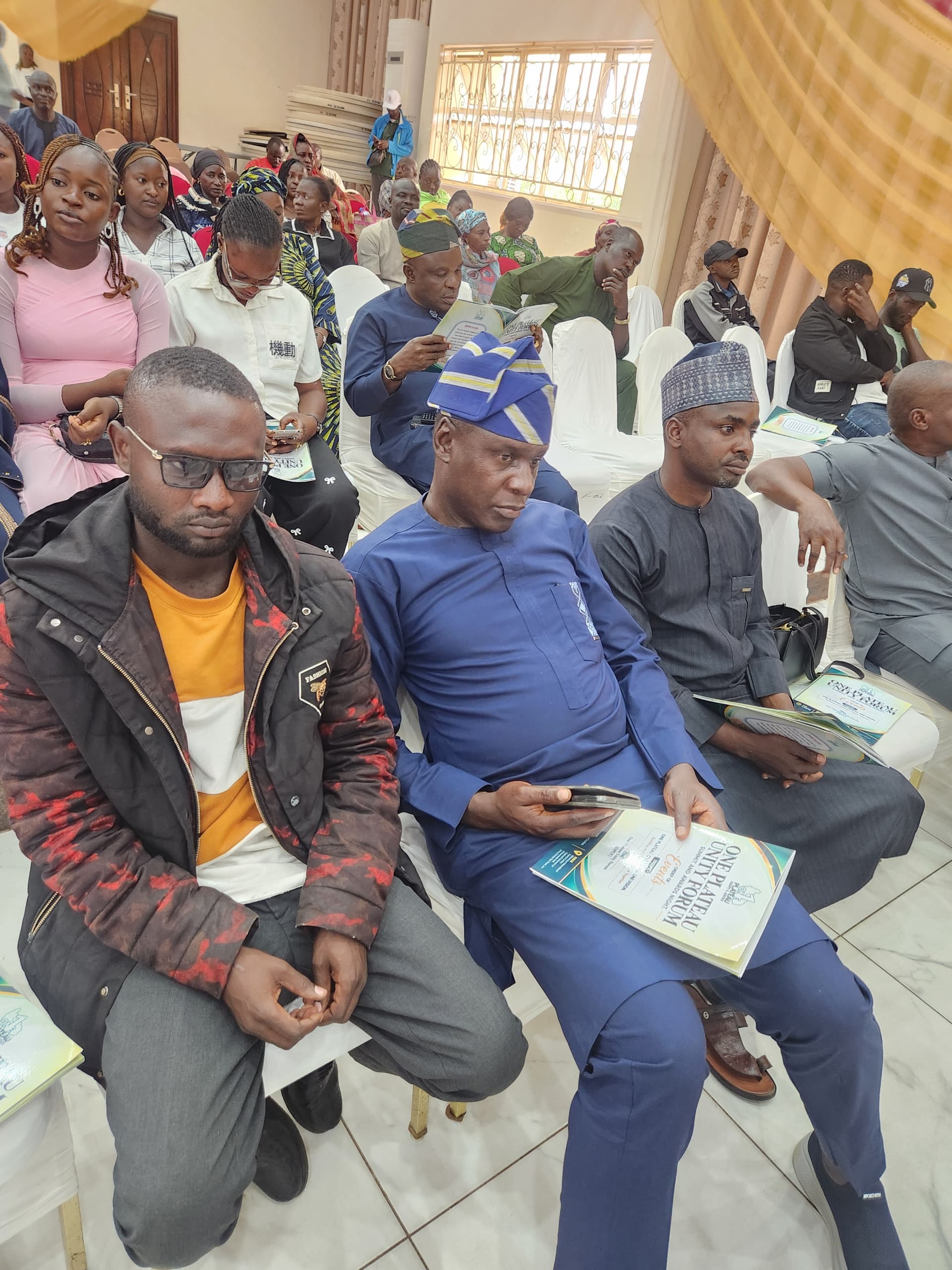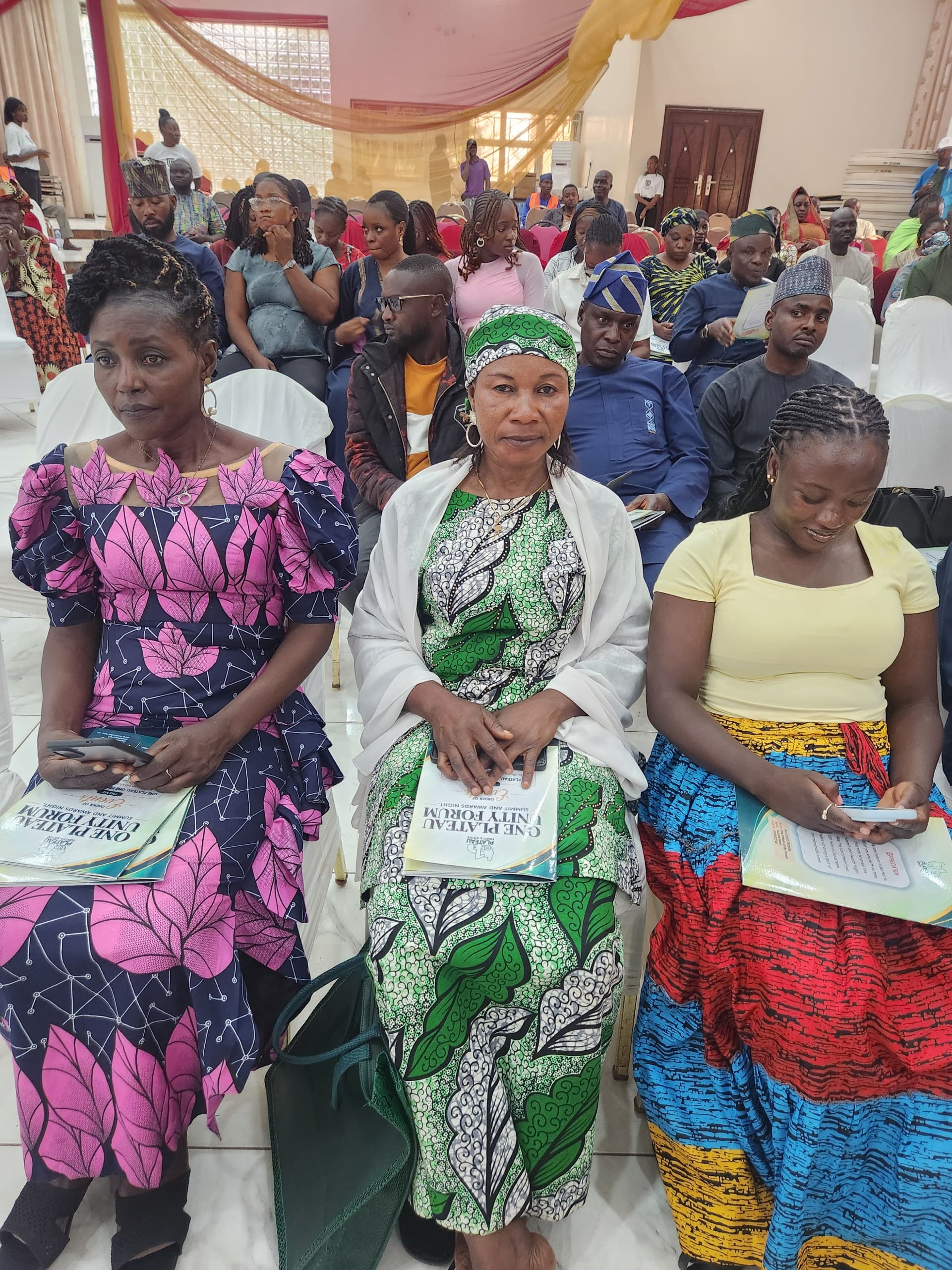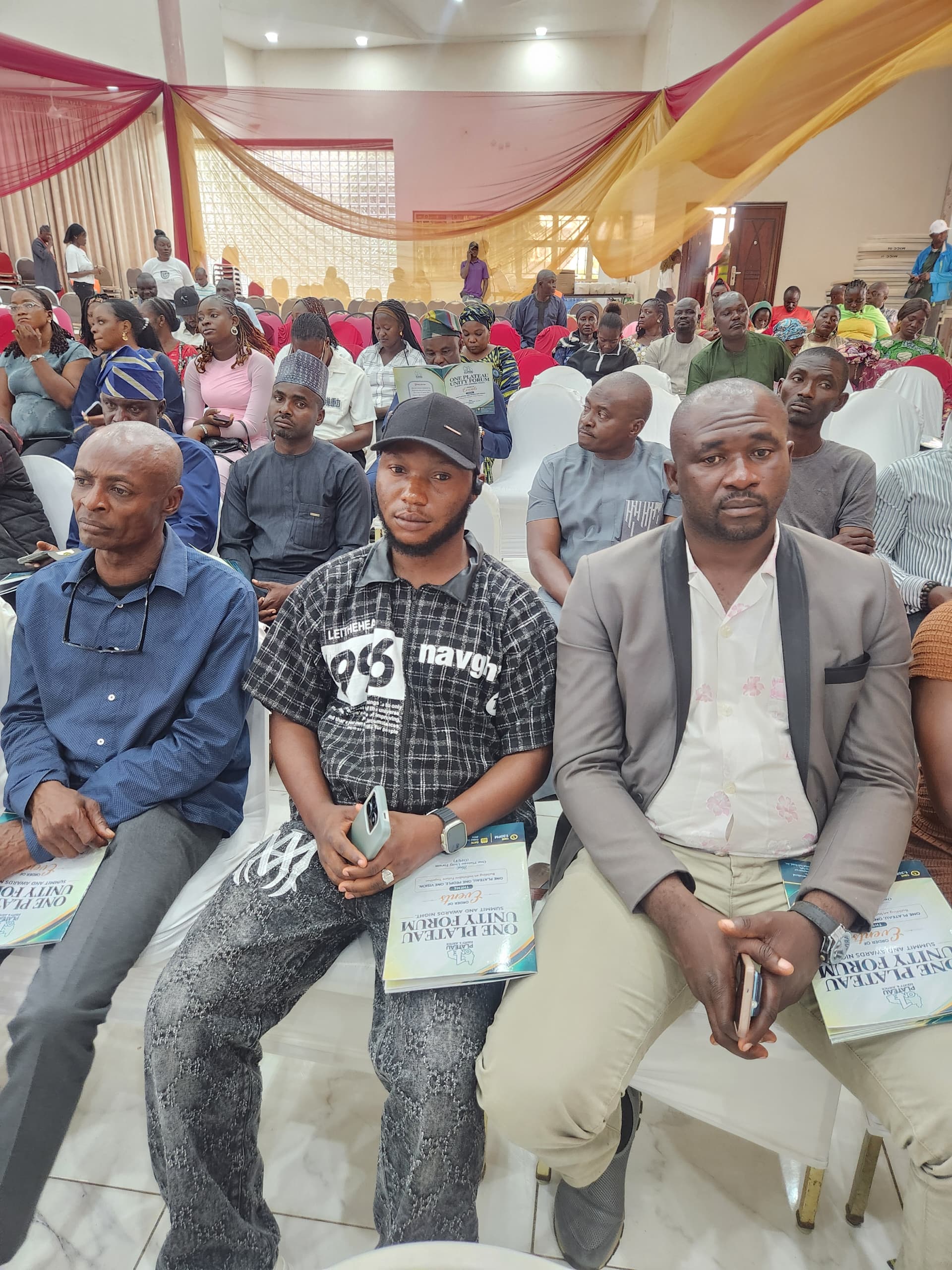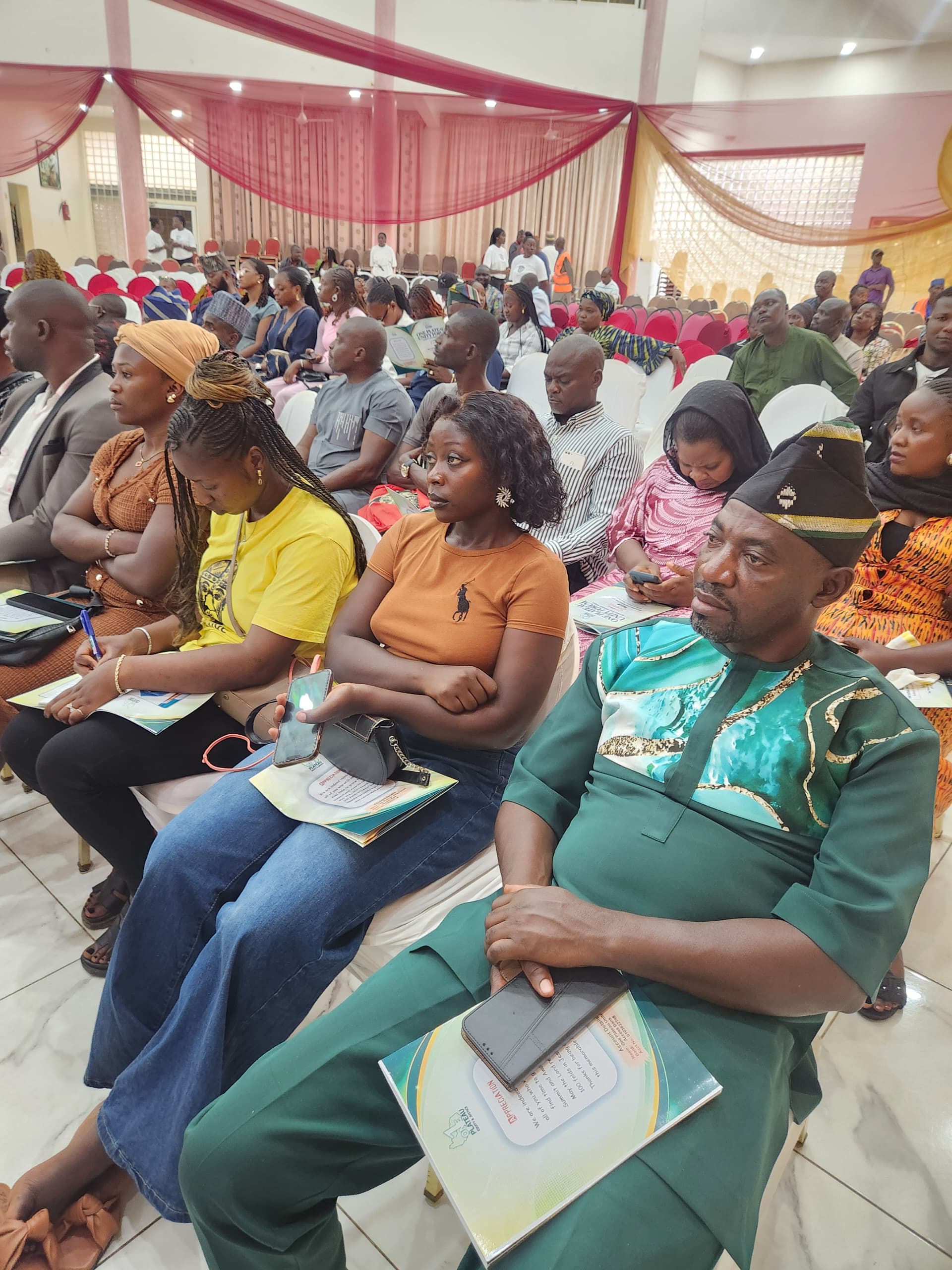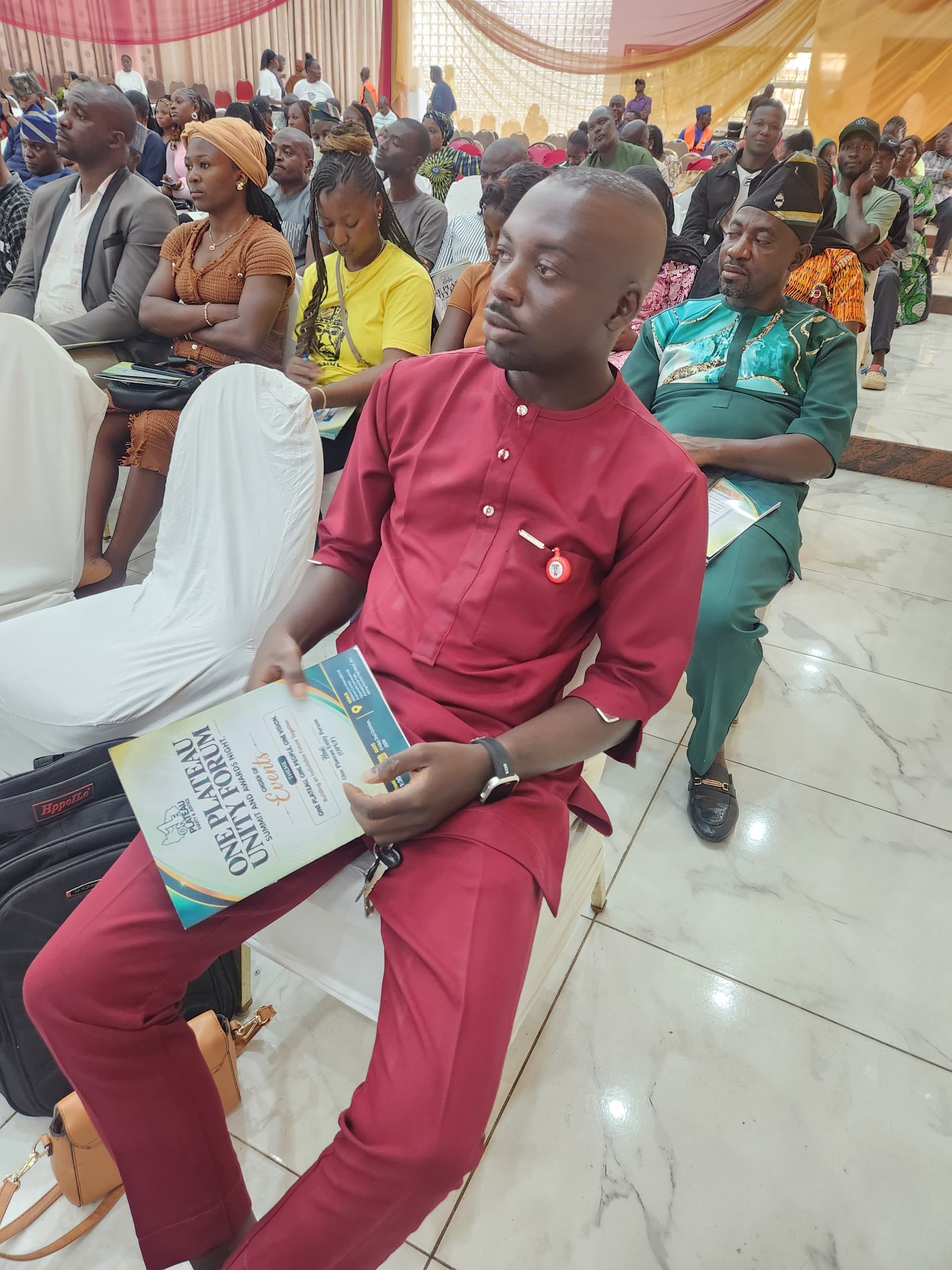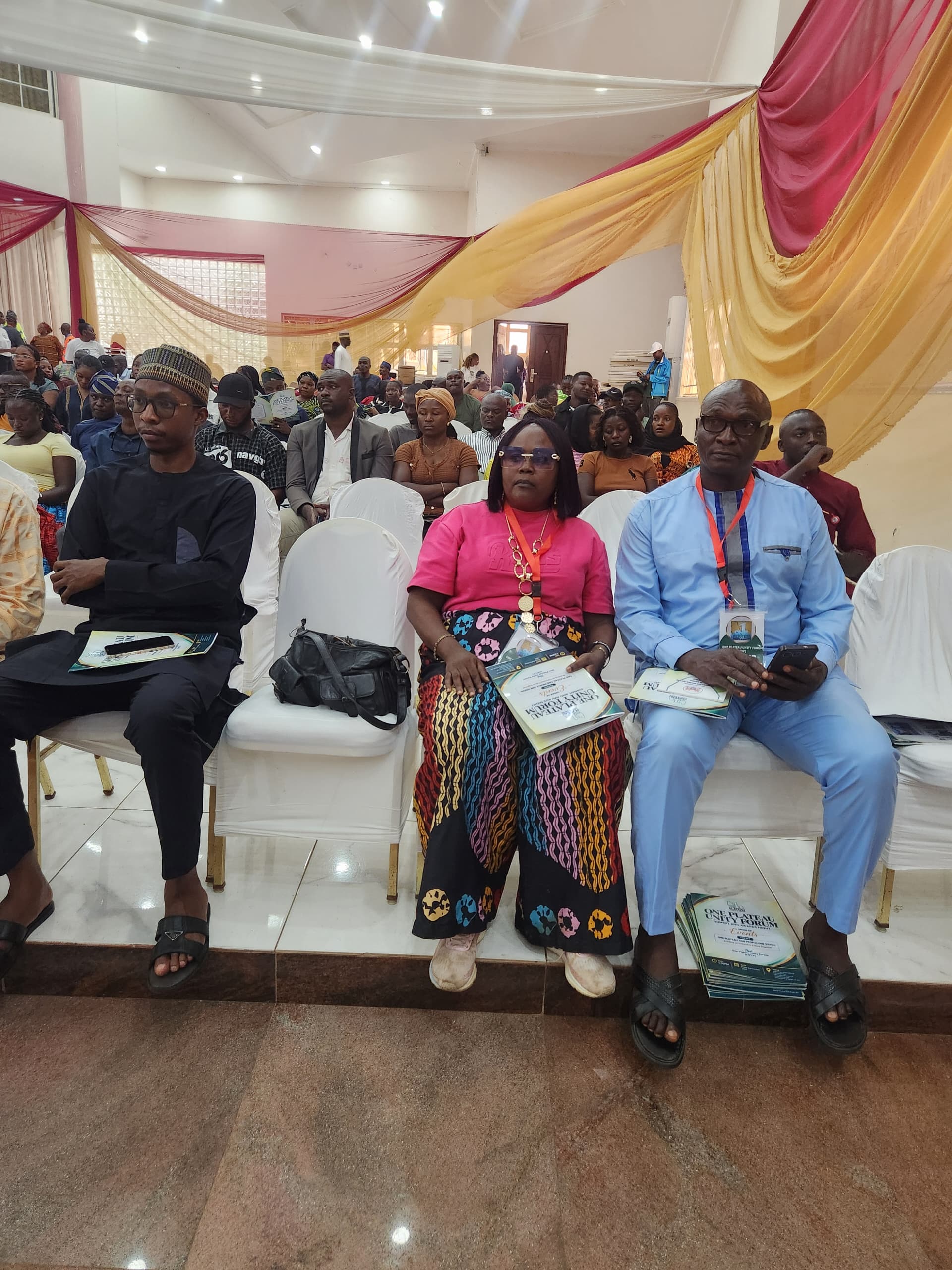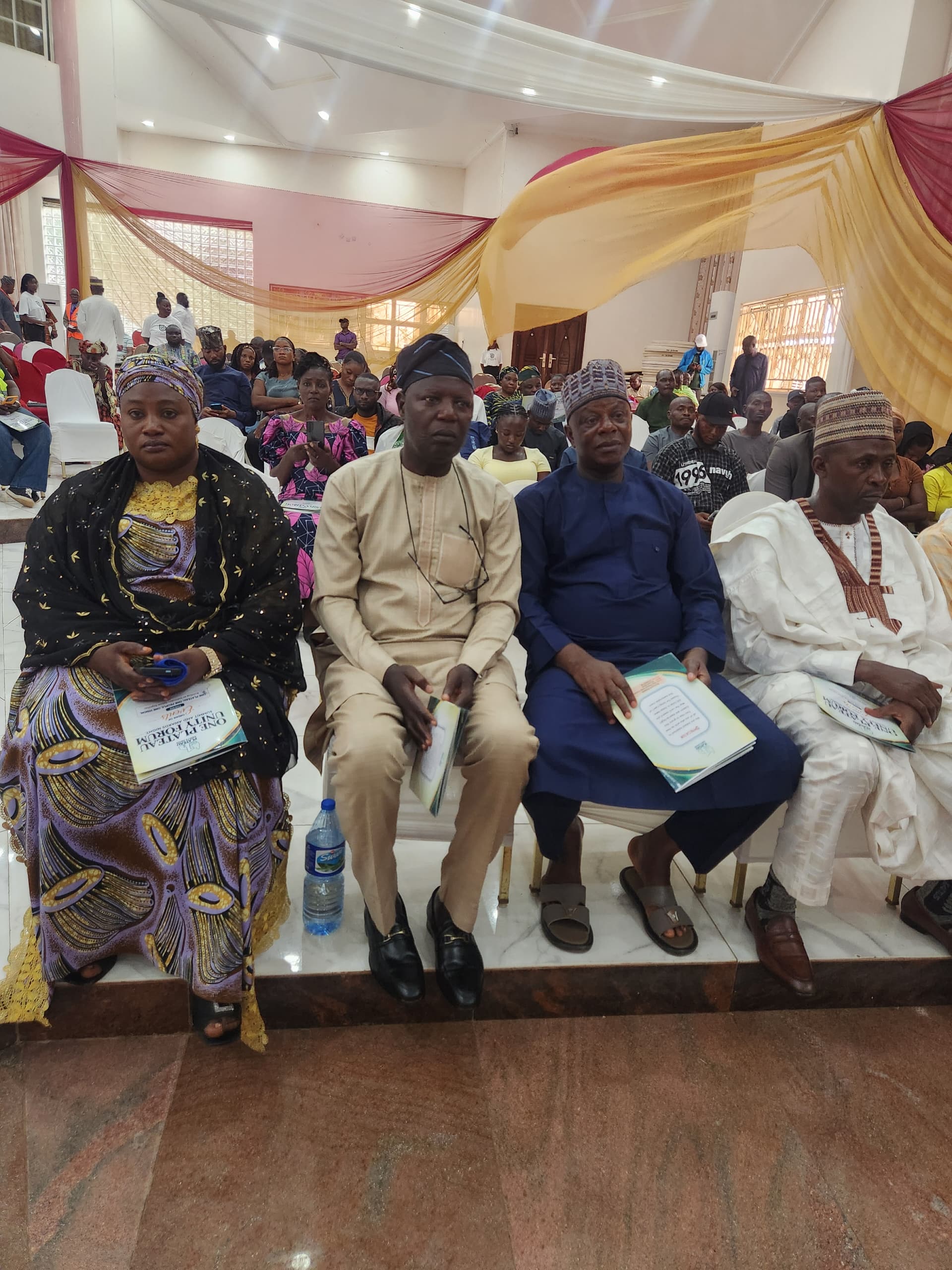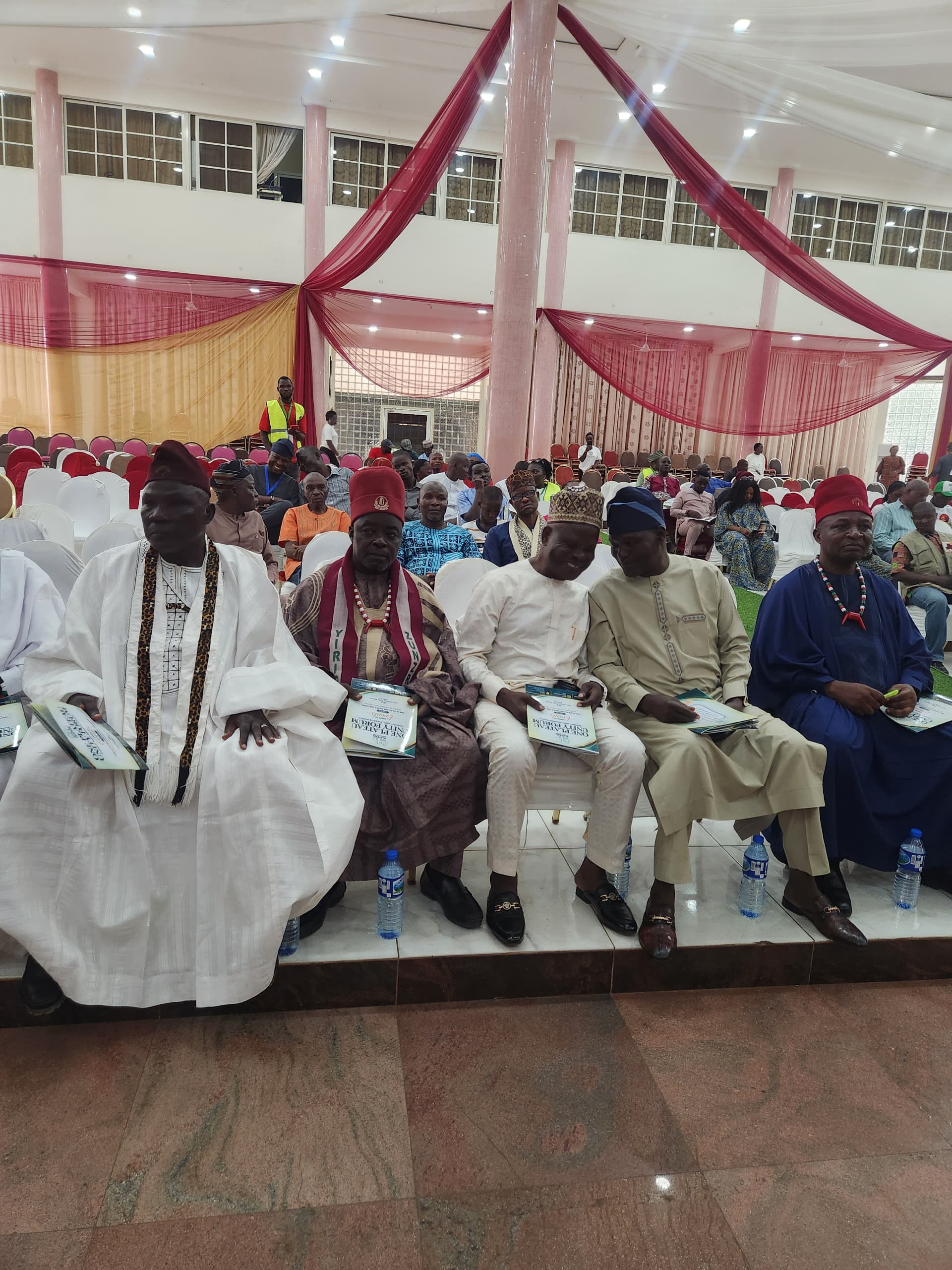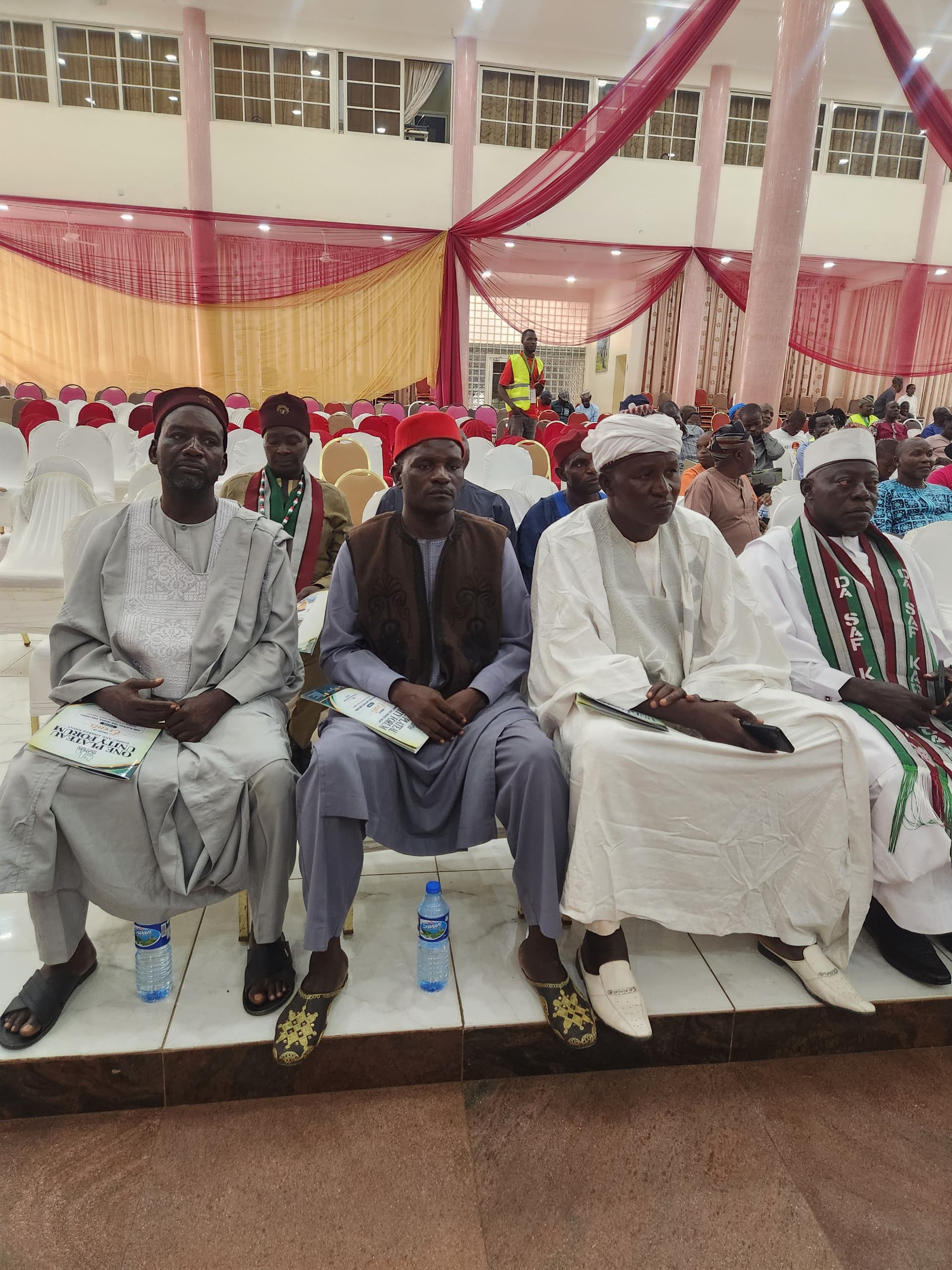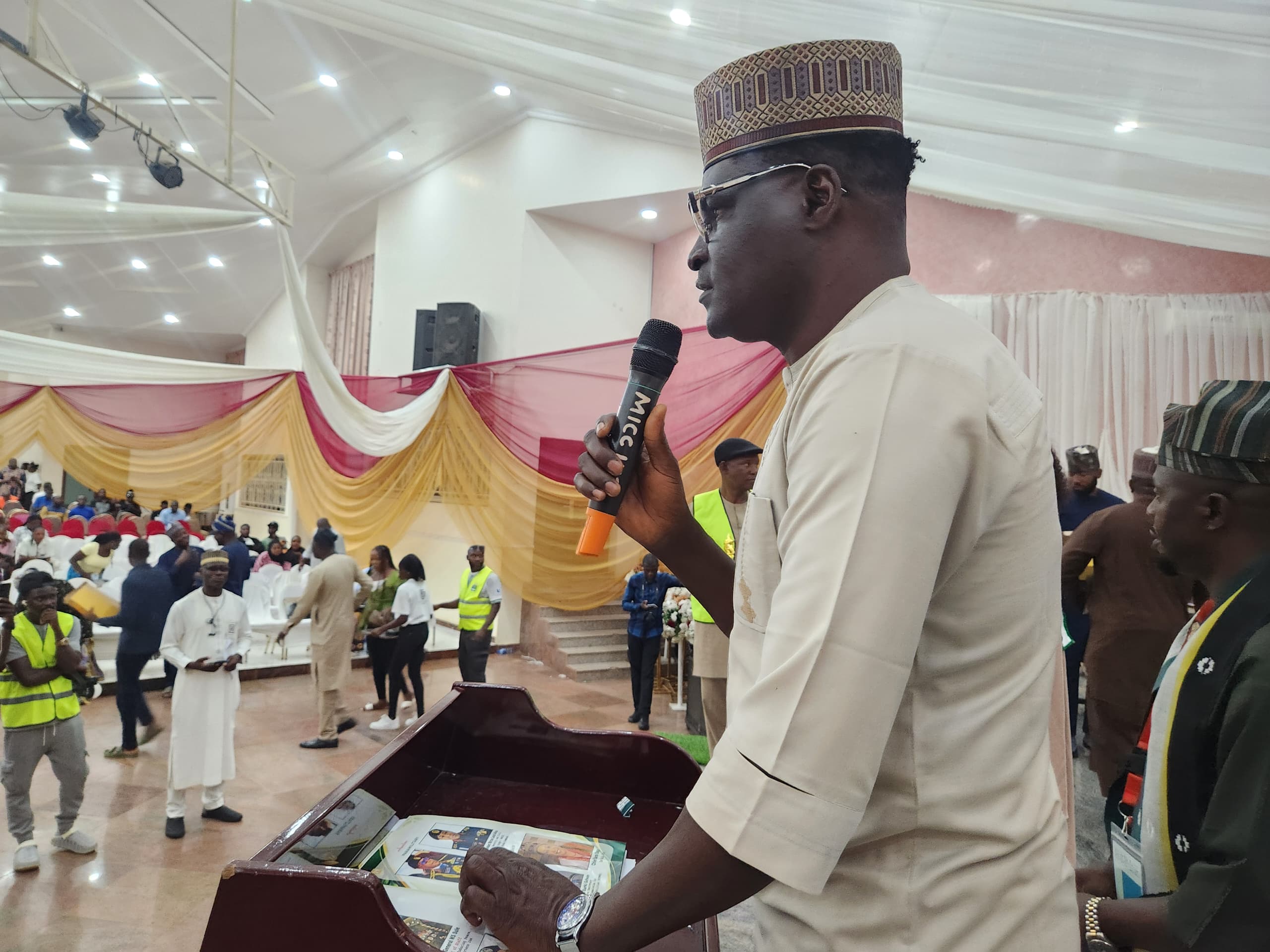
The One Plateau Unity Forum has called for greater unity, reconciliation and collective action among the people of Plateau State, saying the state’s diversity must be harnessed as a strength for peace and development.
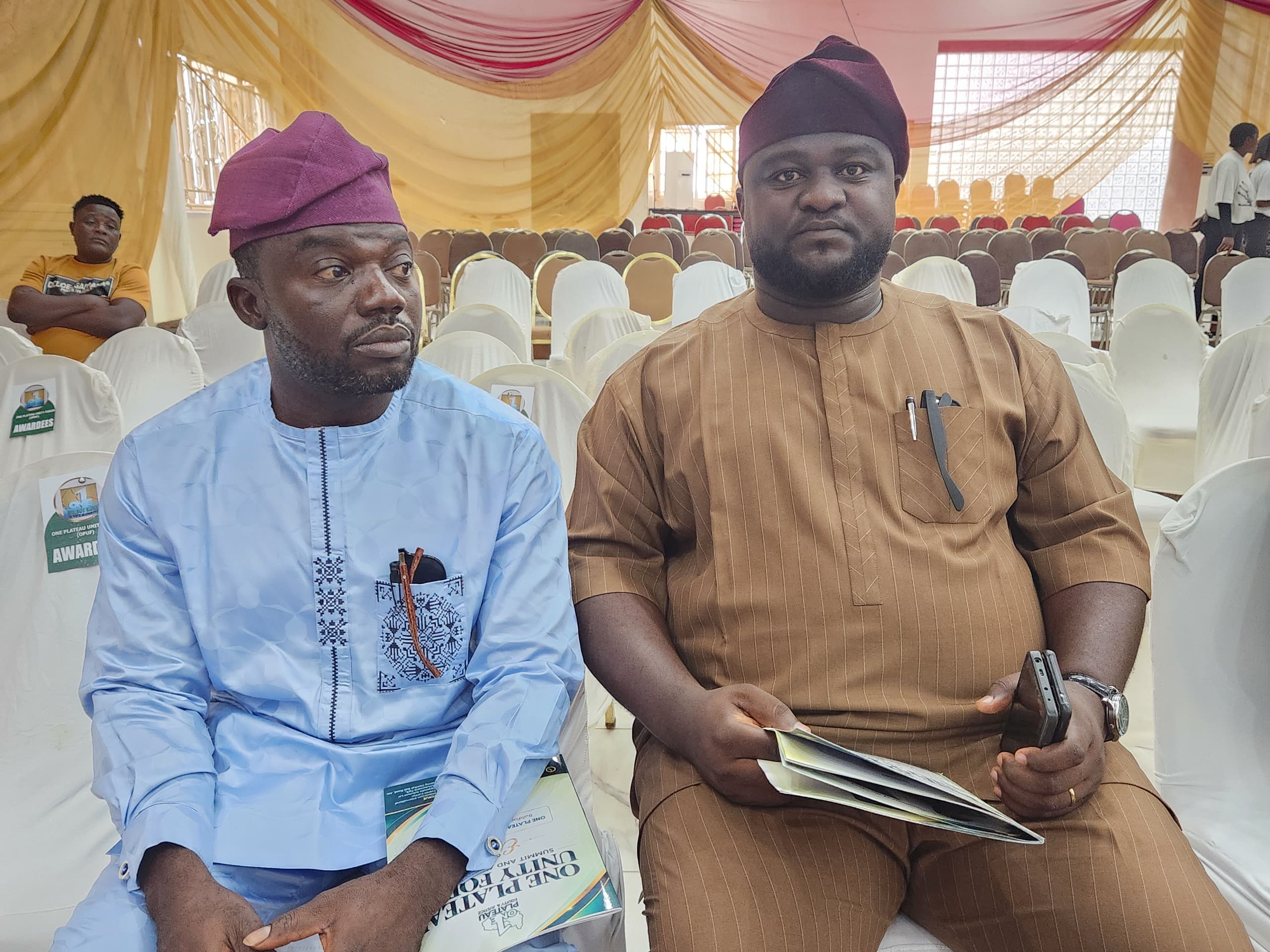
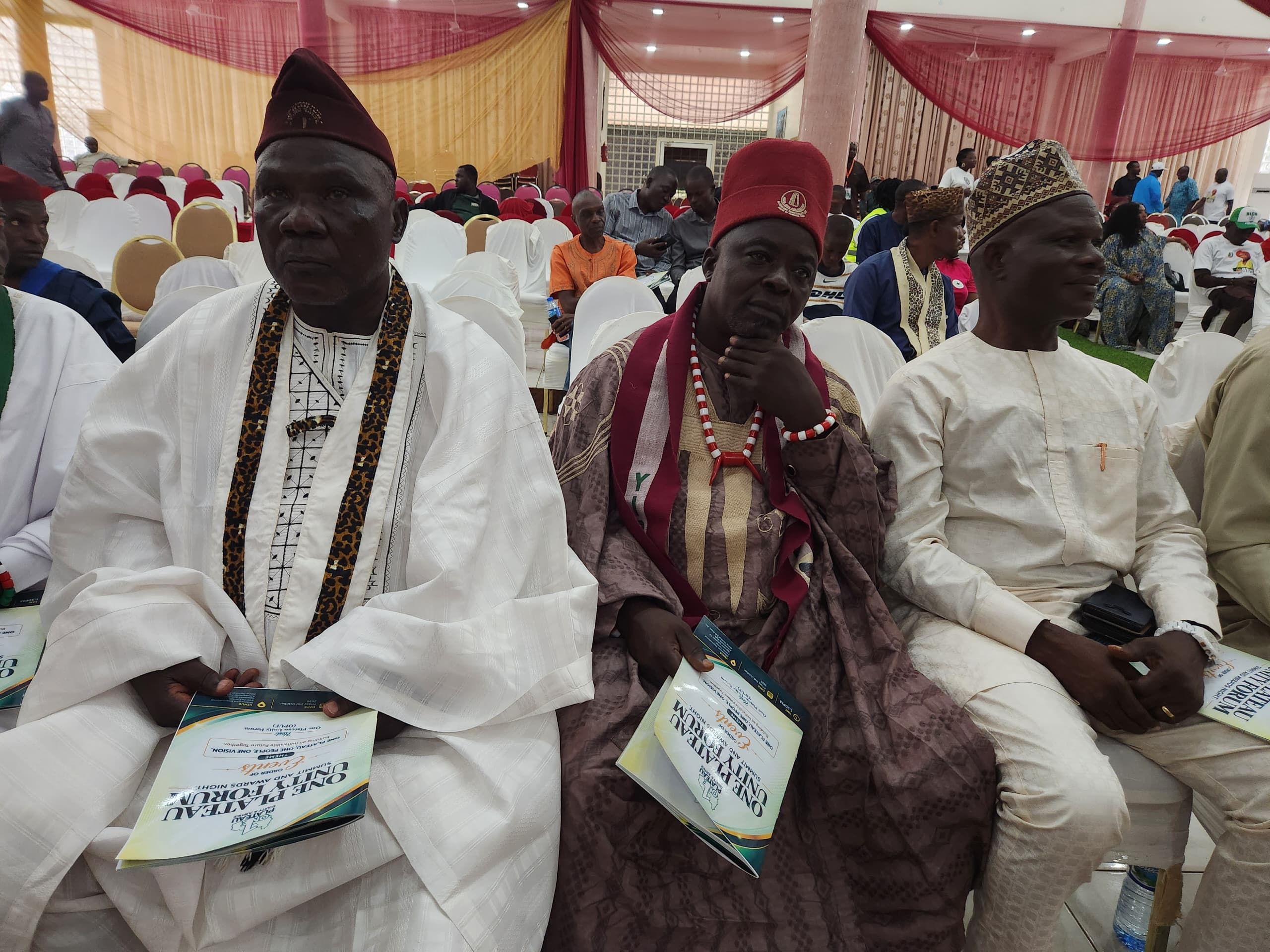
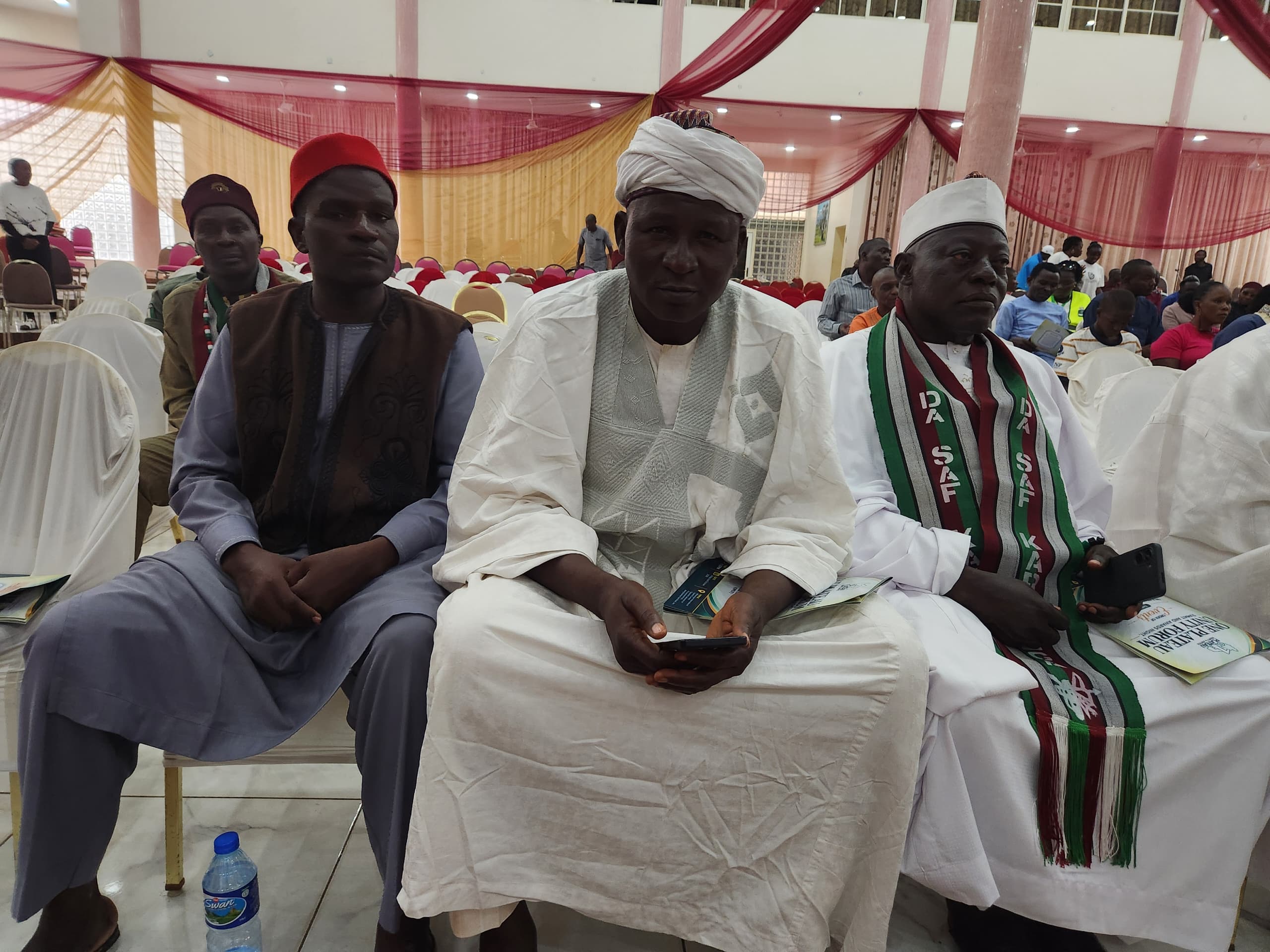
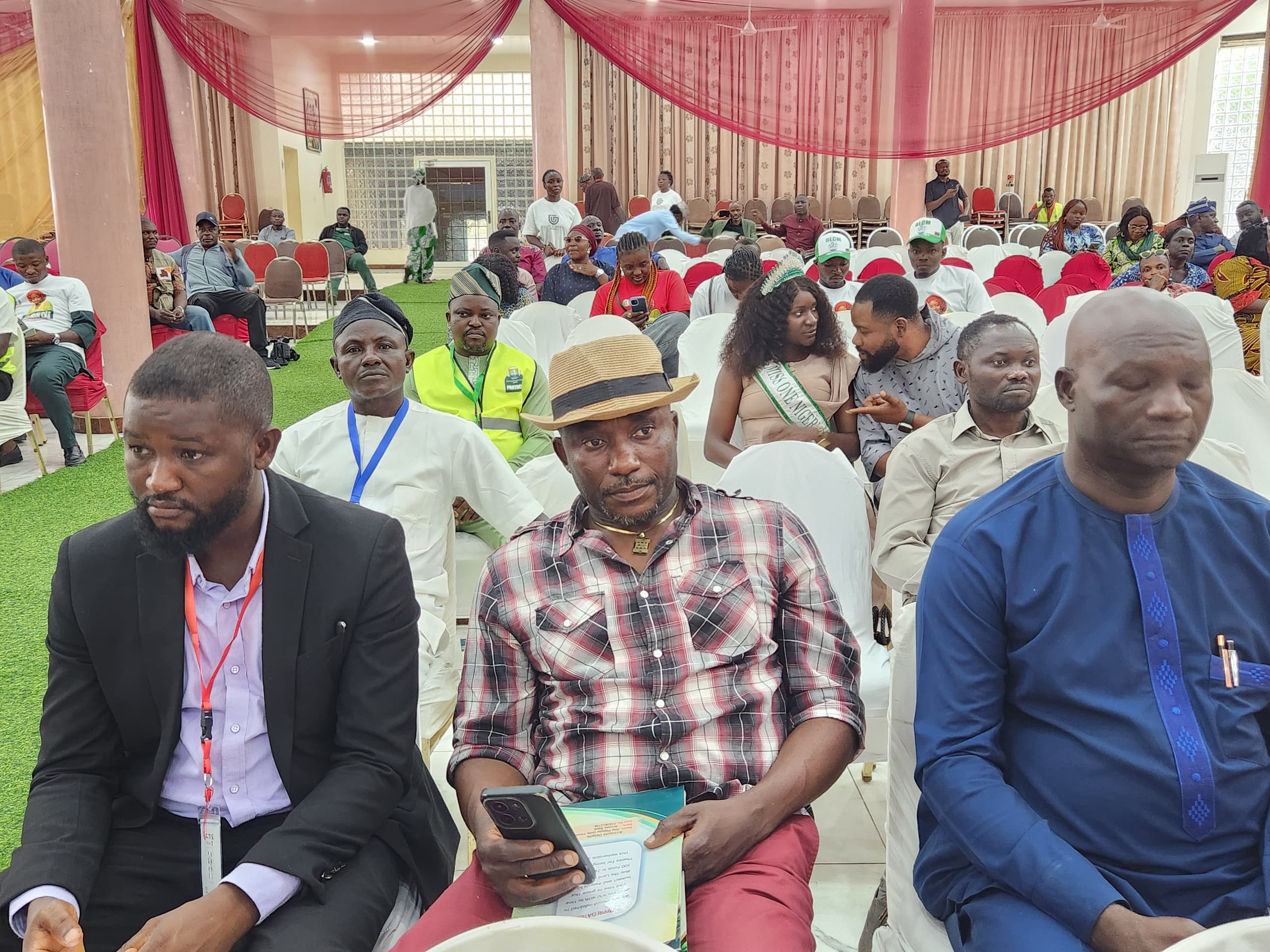
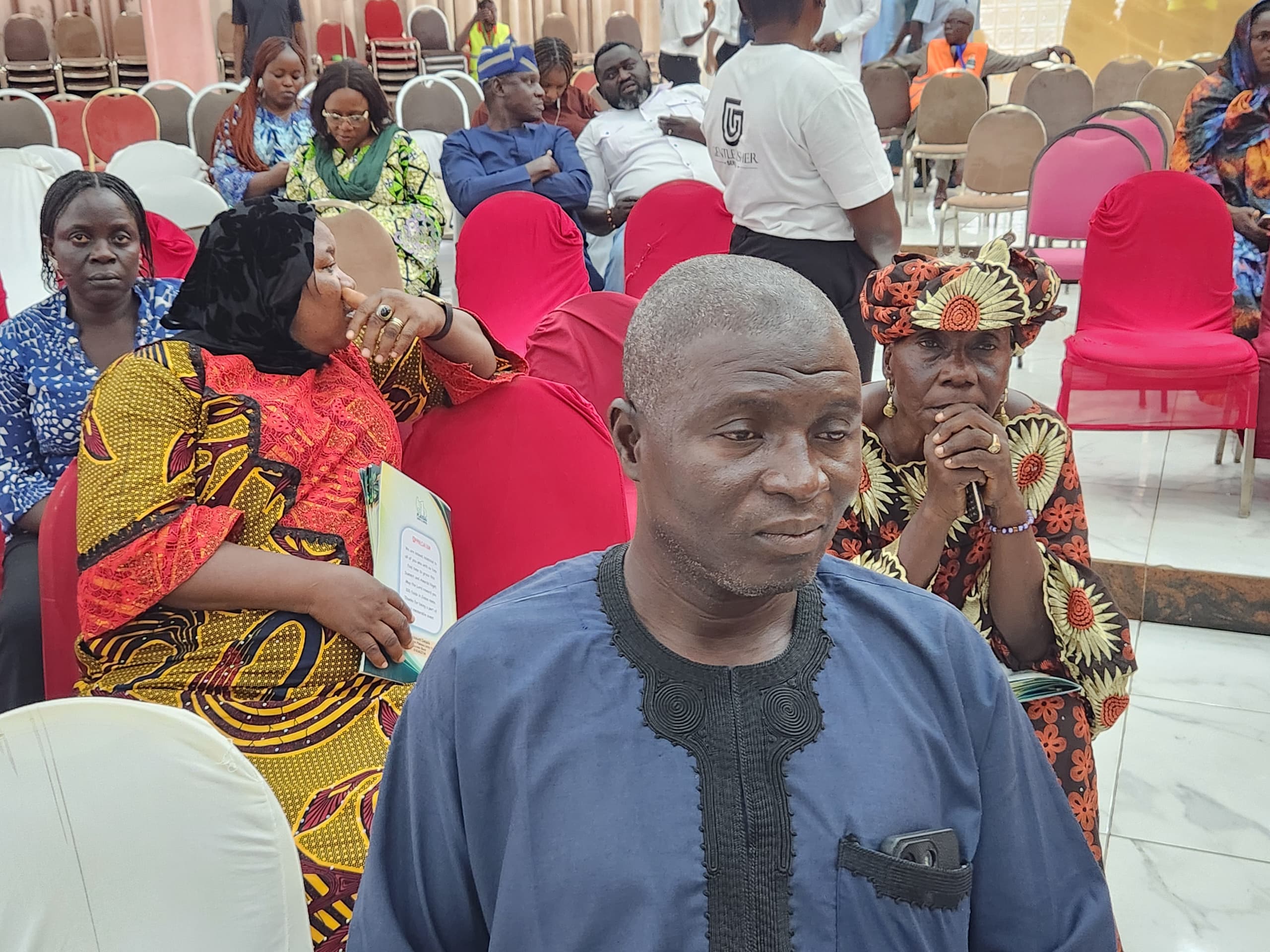
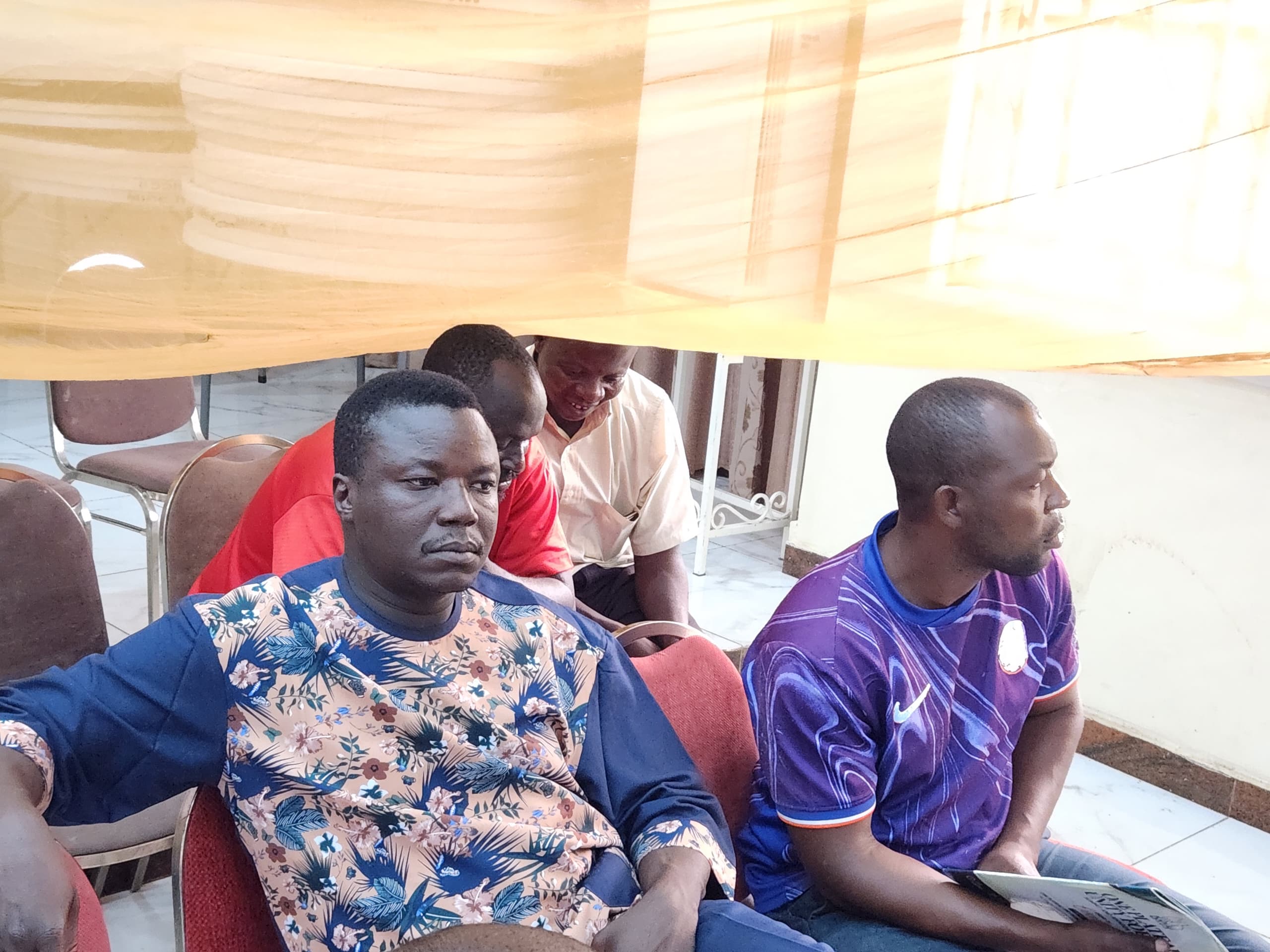
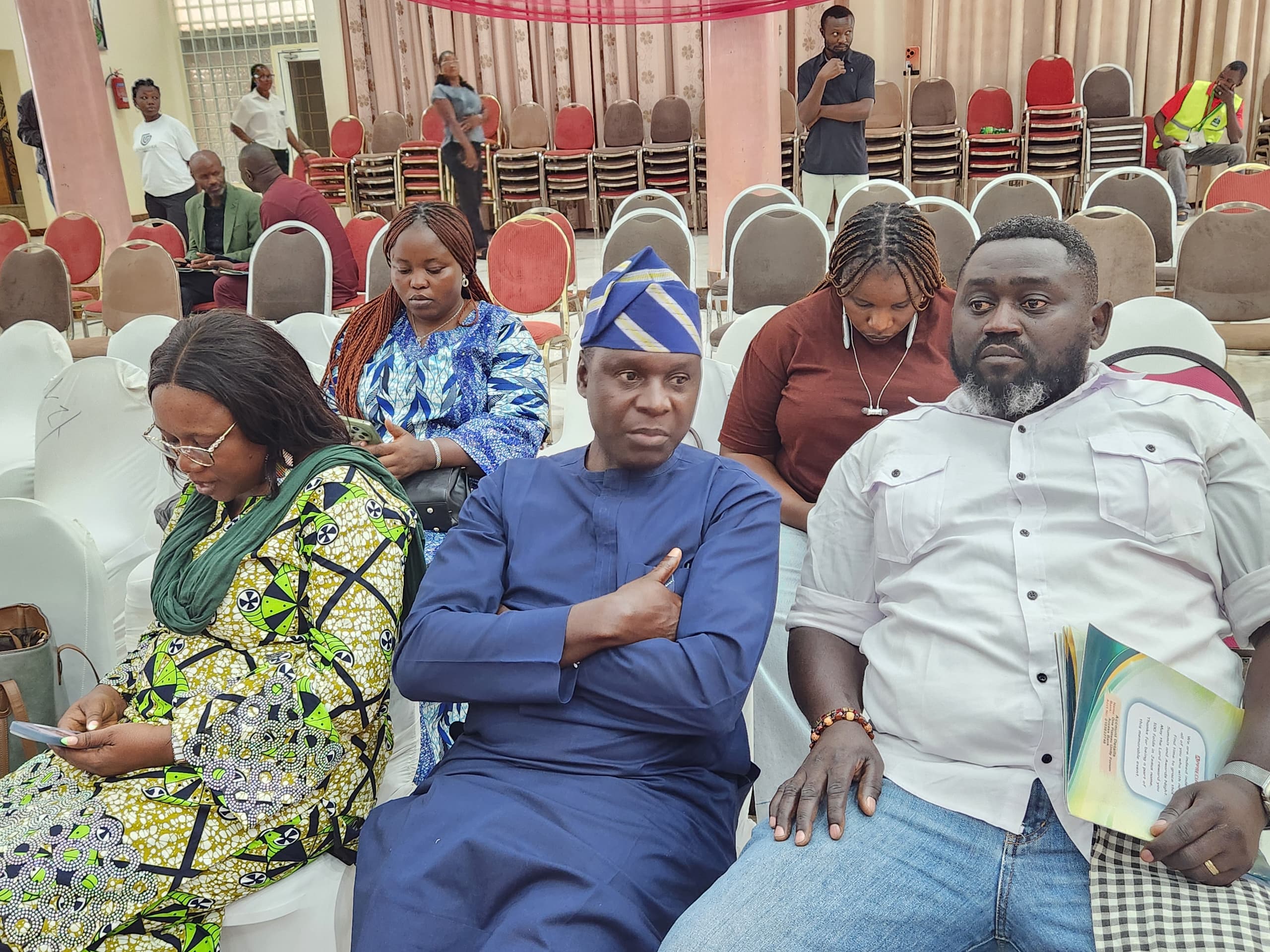
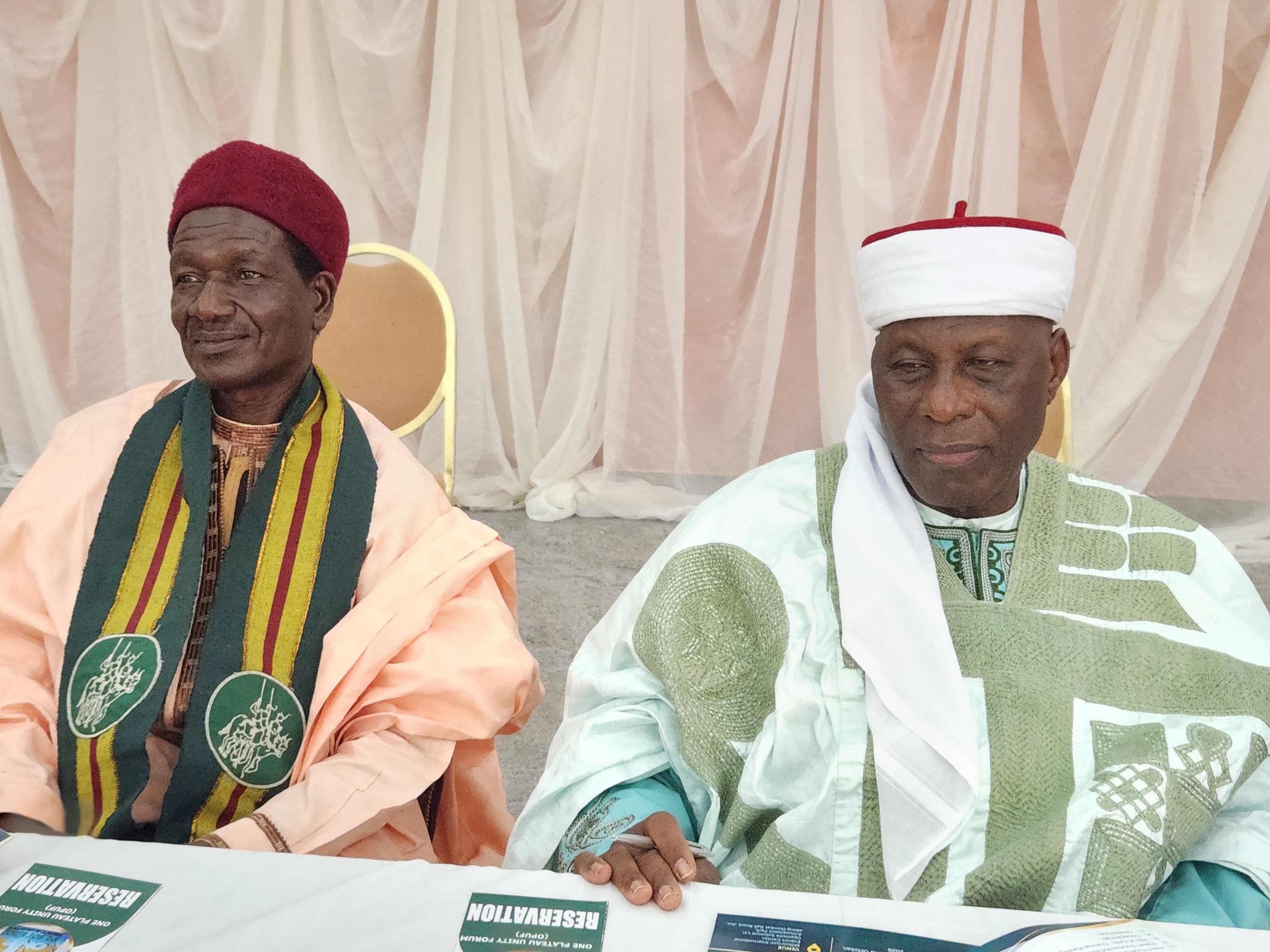
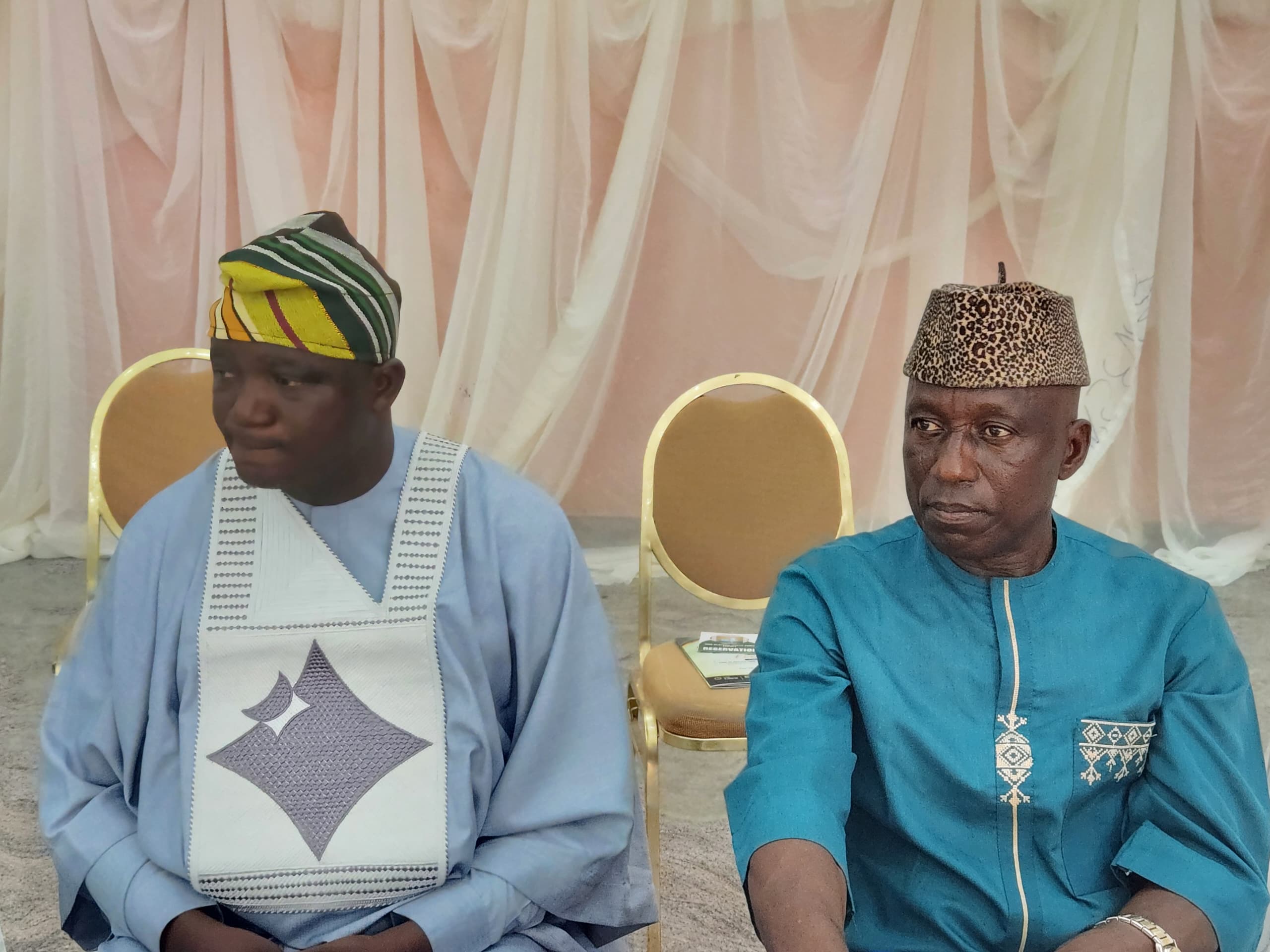
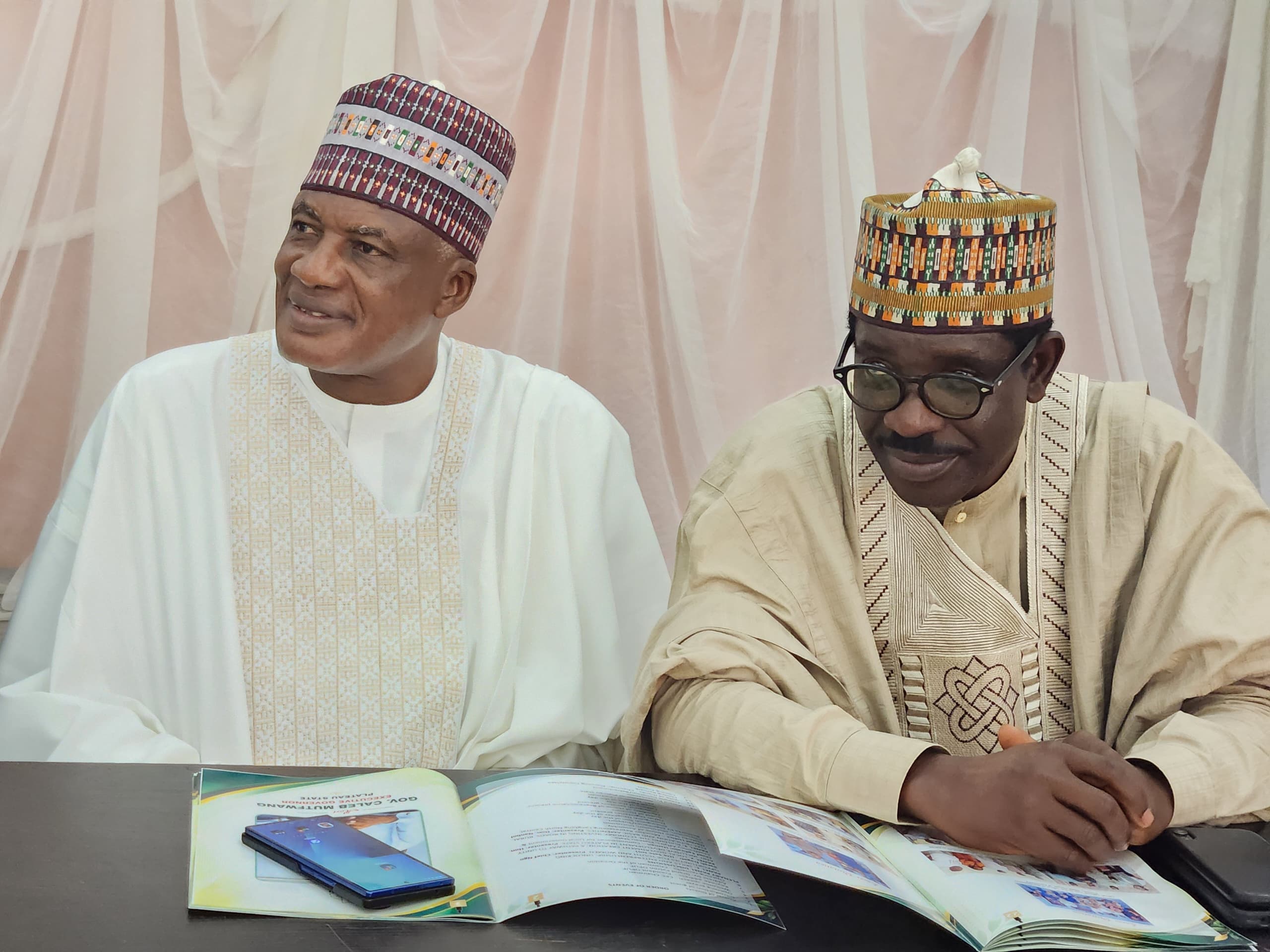
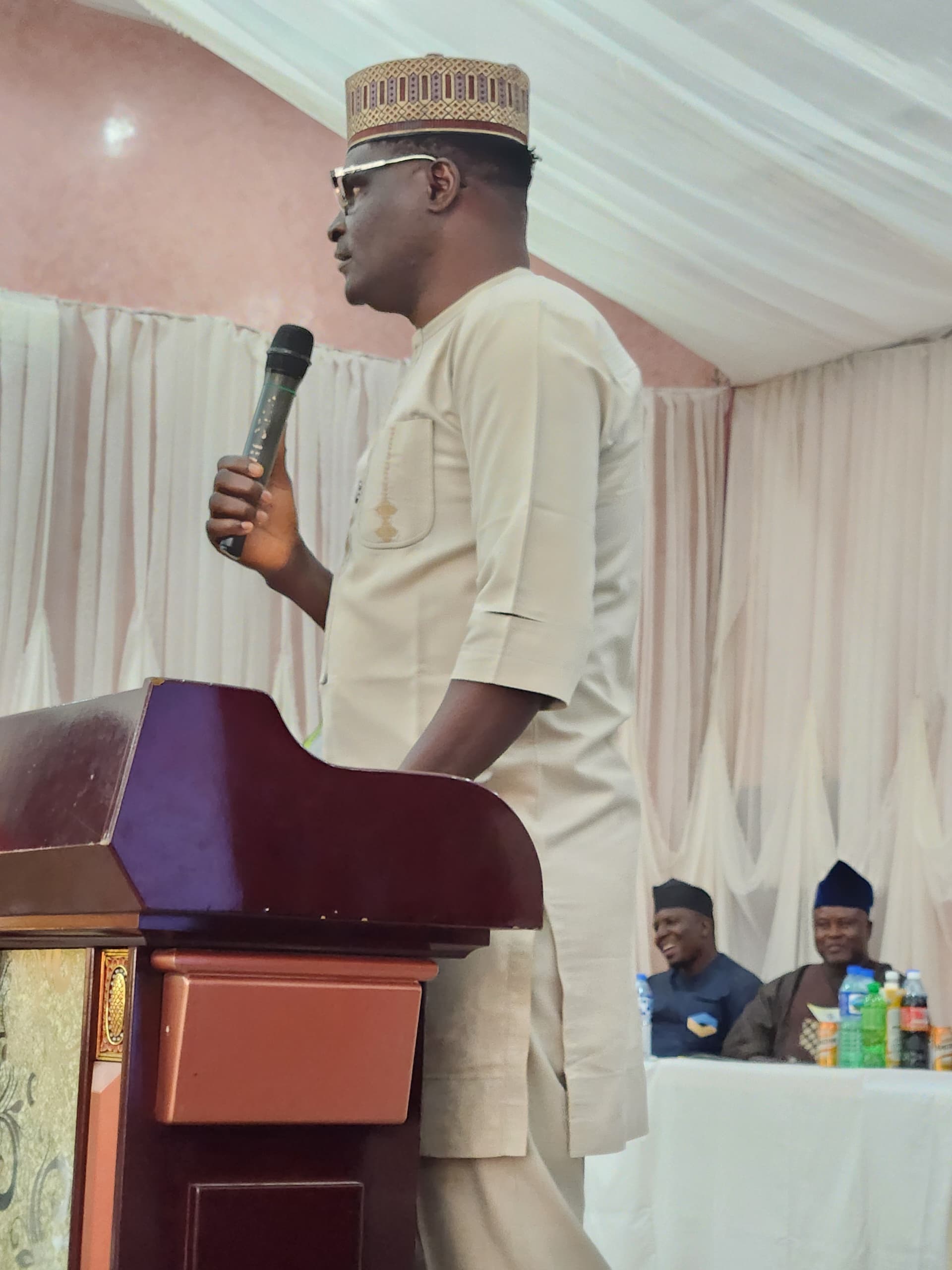
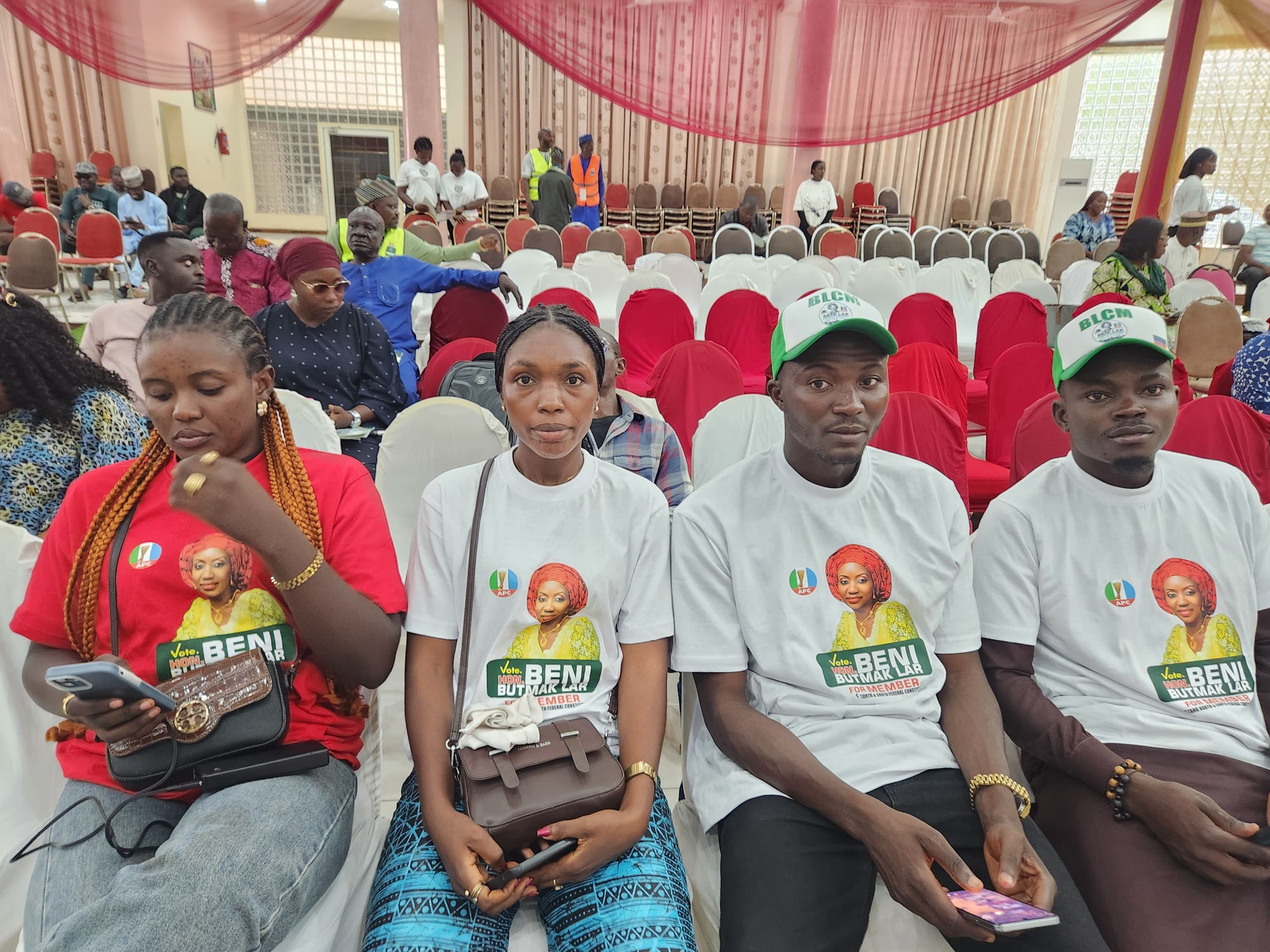
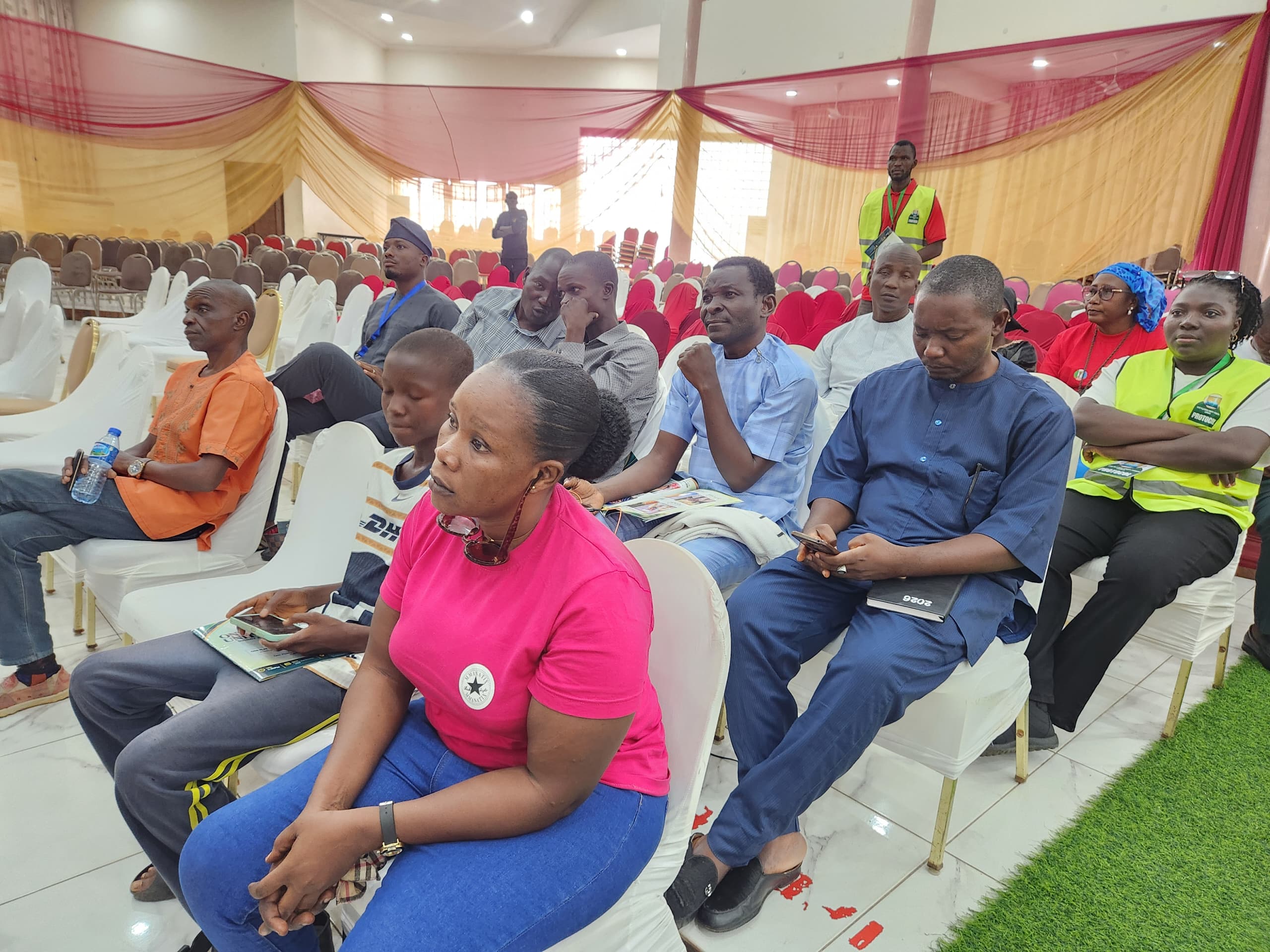
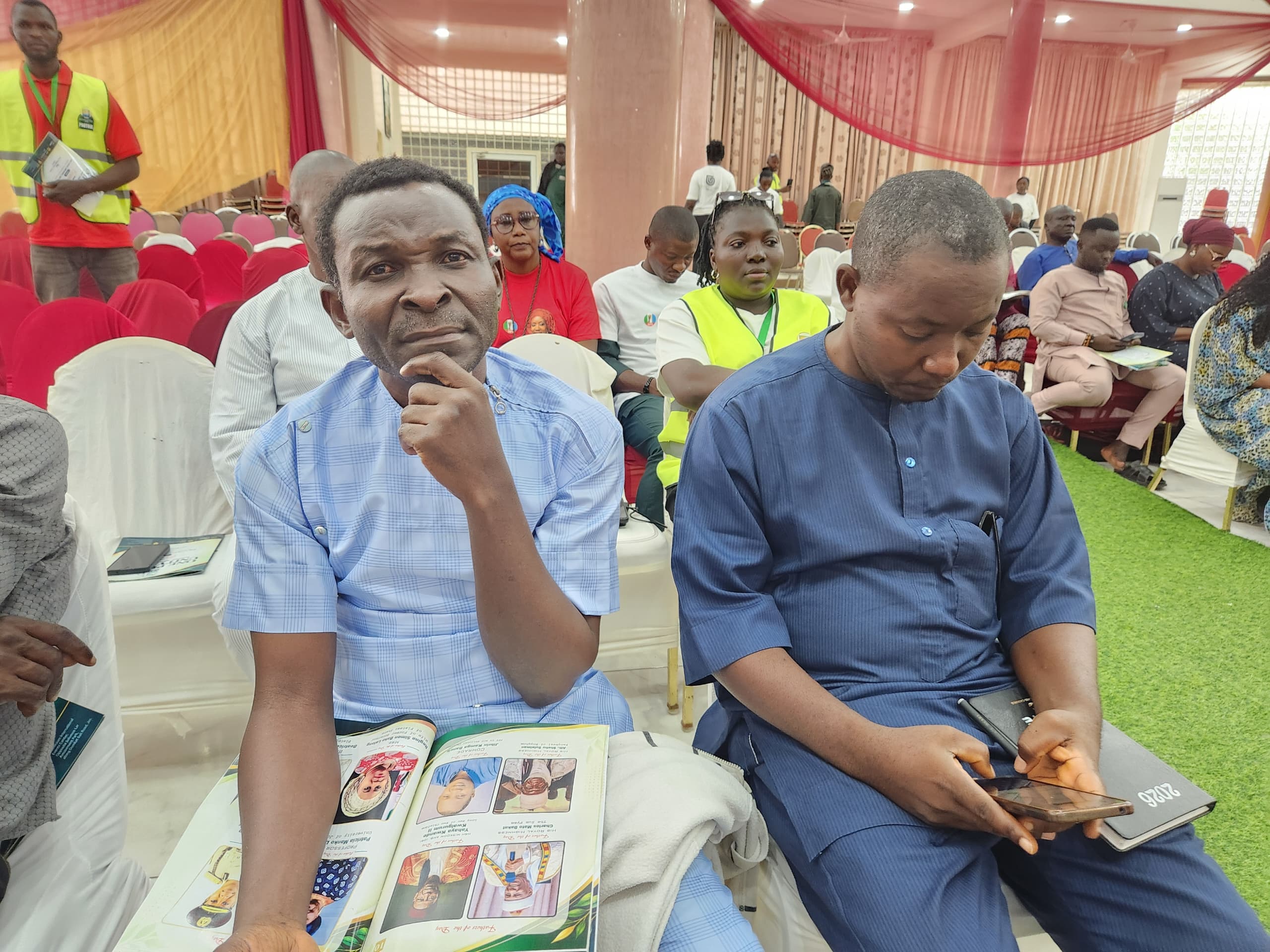
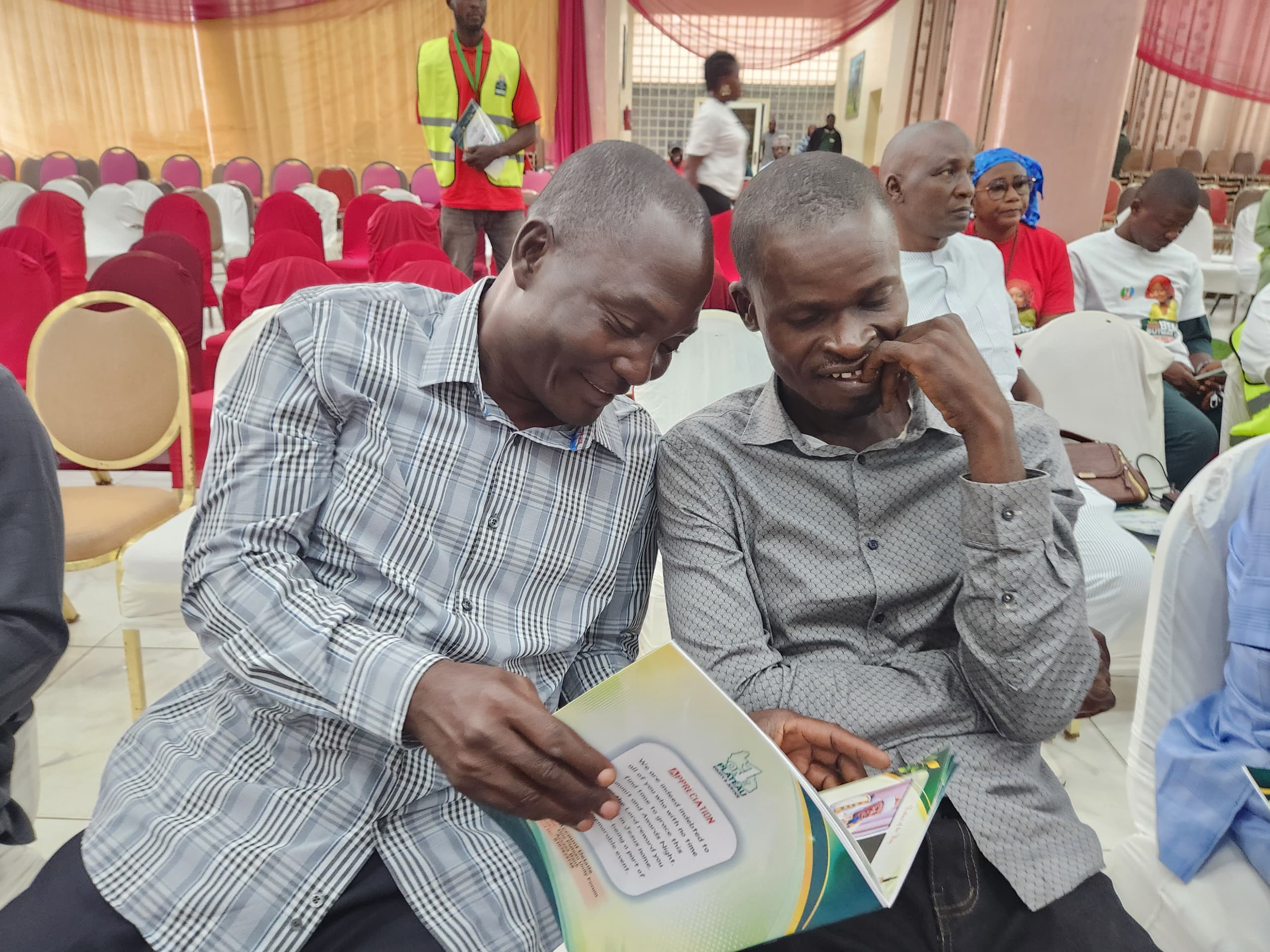
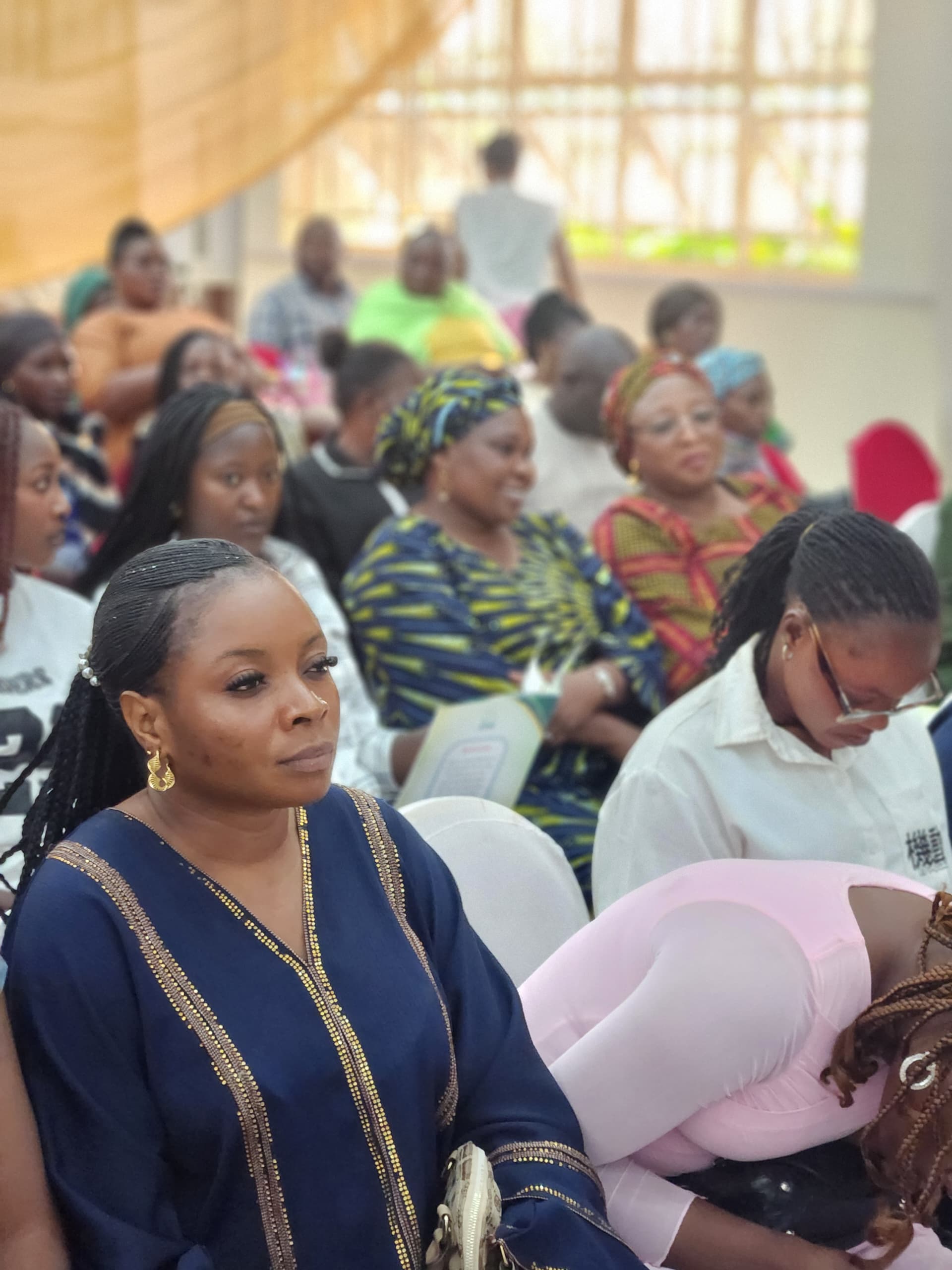
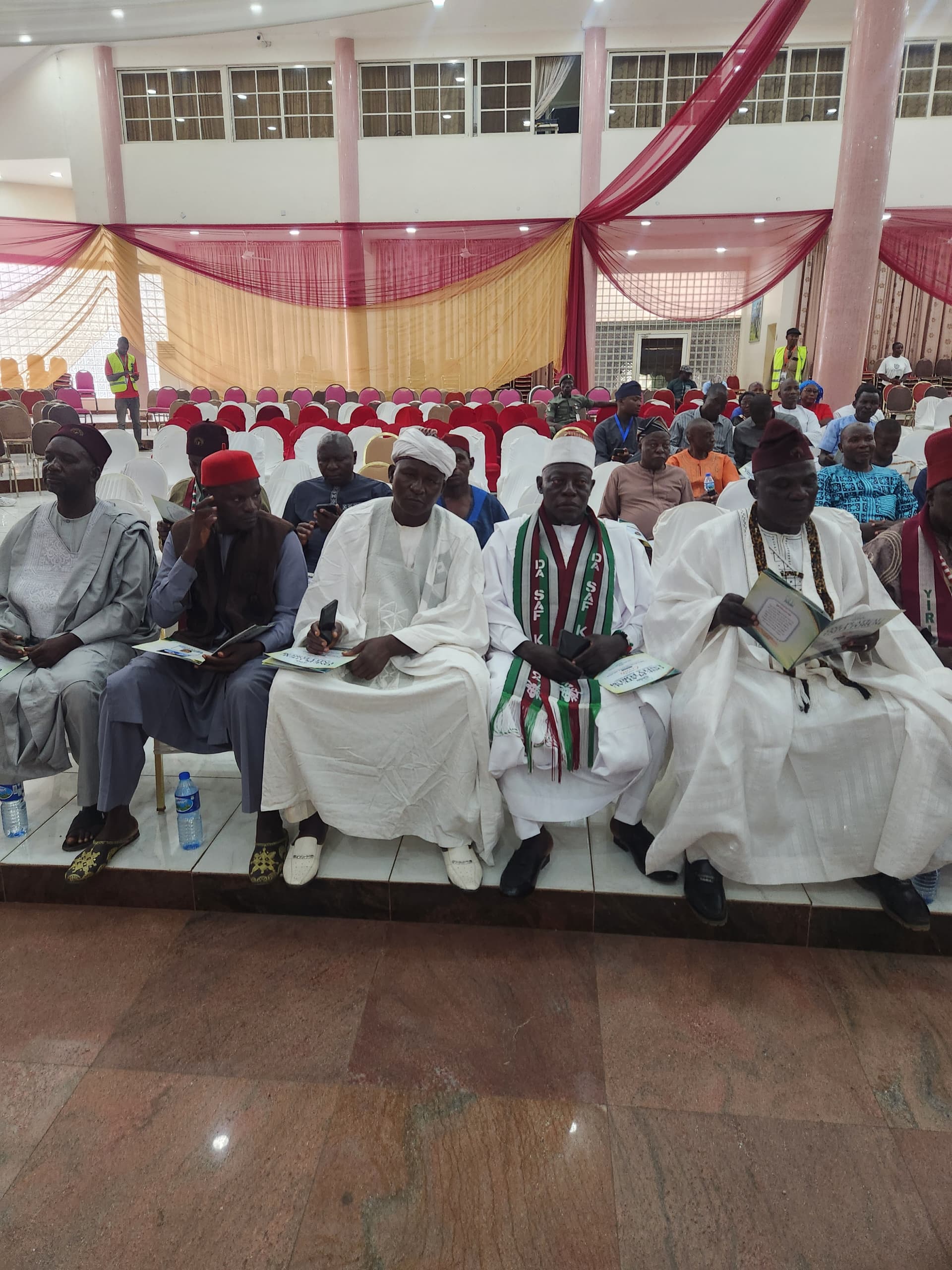
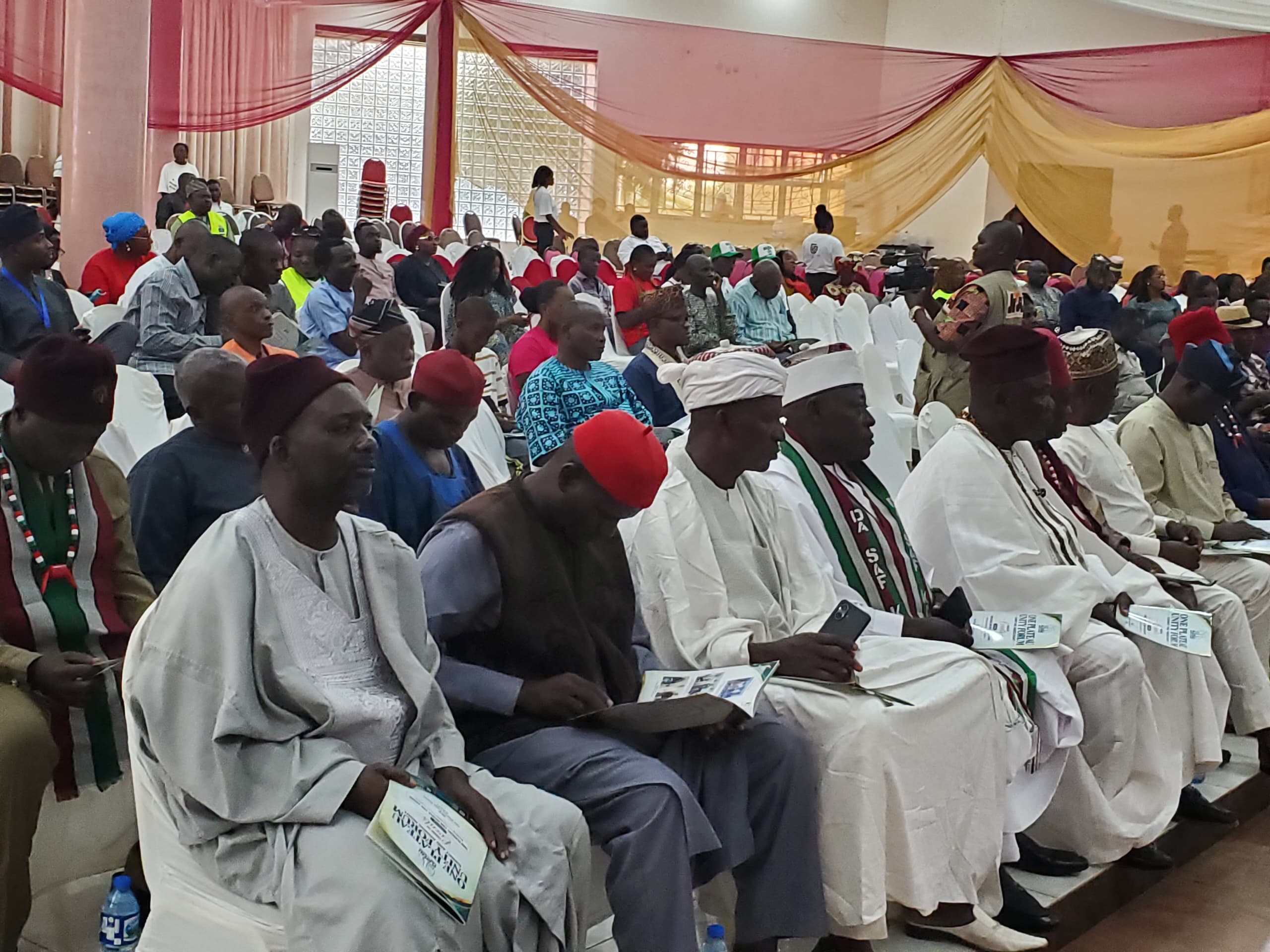
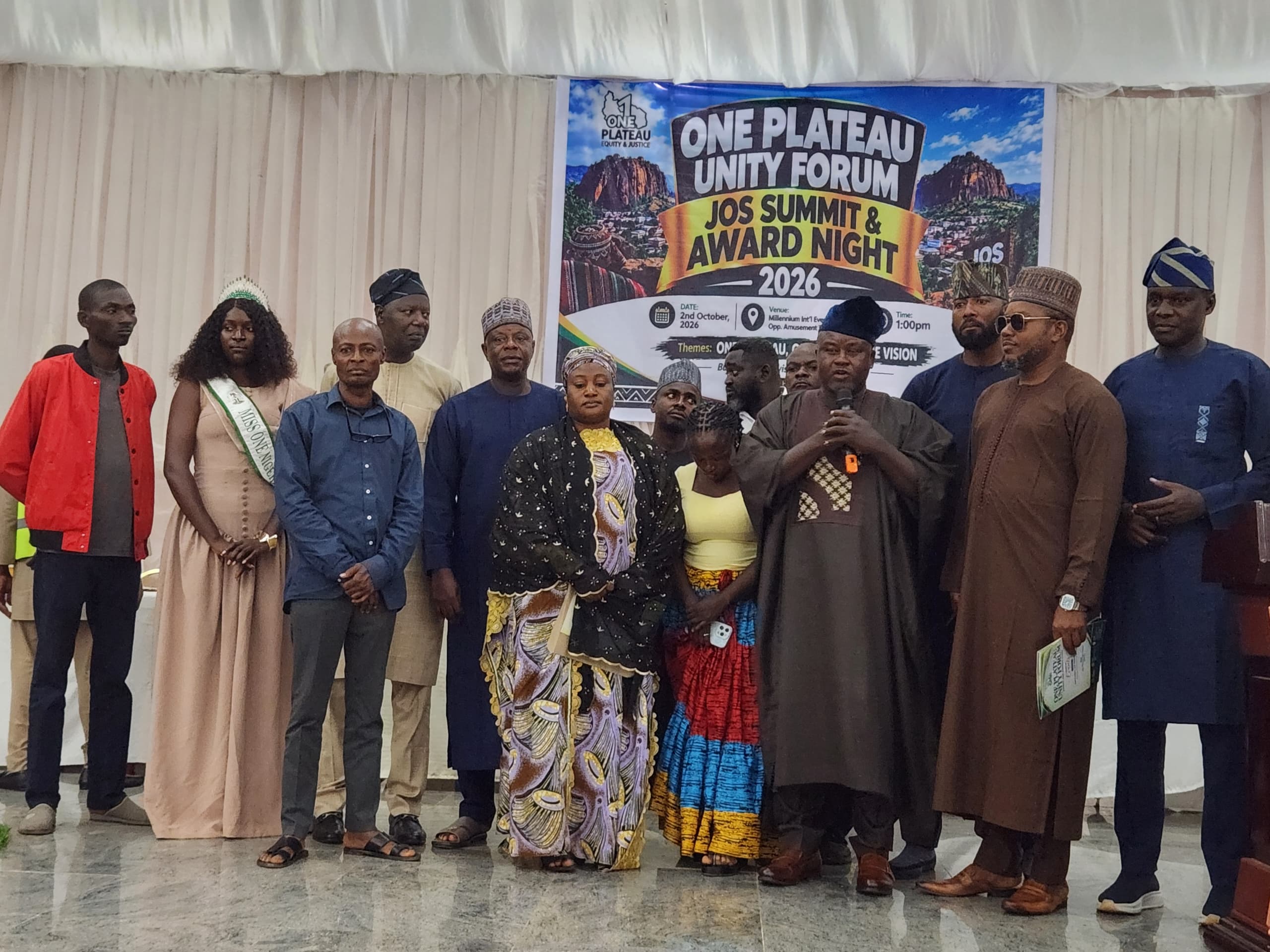
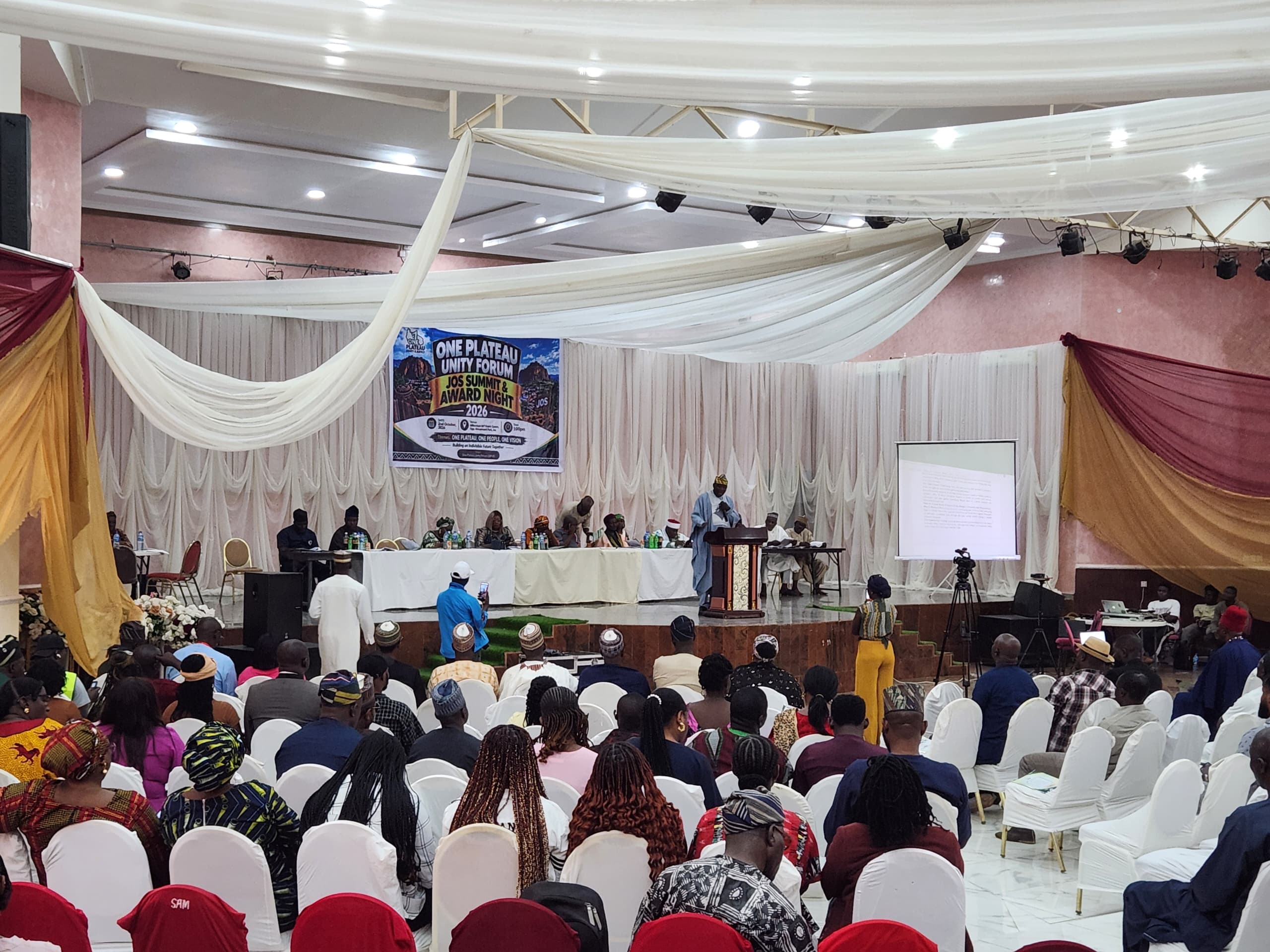
The call was made at the Jos Summit and Award Night 2026, held at the Millennium International Event Centre, Jos, with the theme, “One Plateau, One People, One Vision: Building an Indivisible Future Together.” The event attracted traditional leaders, politicians, professionals and other stakeholders.
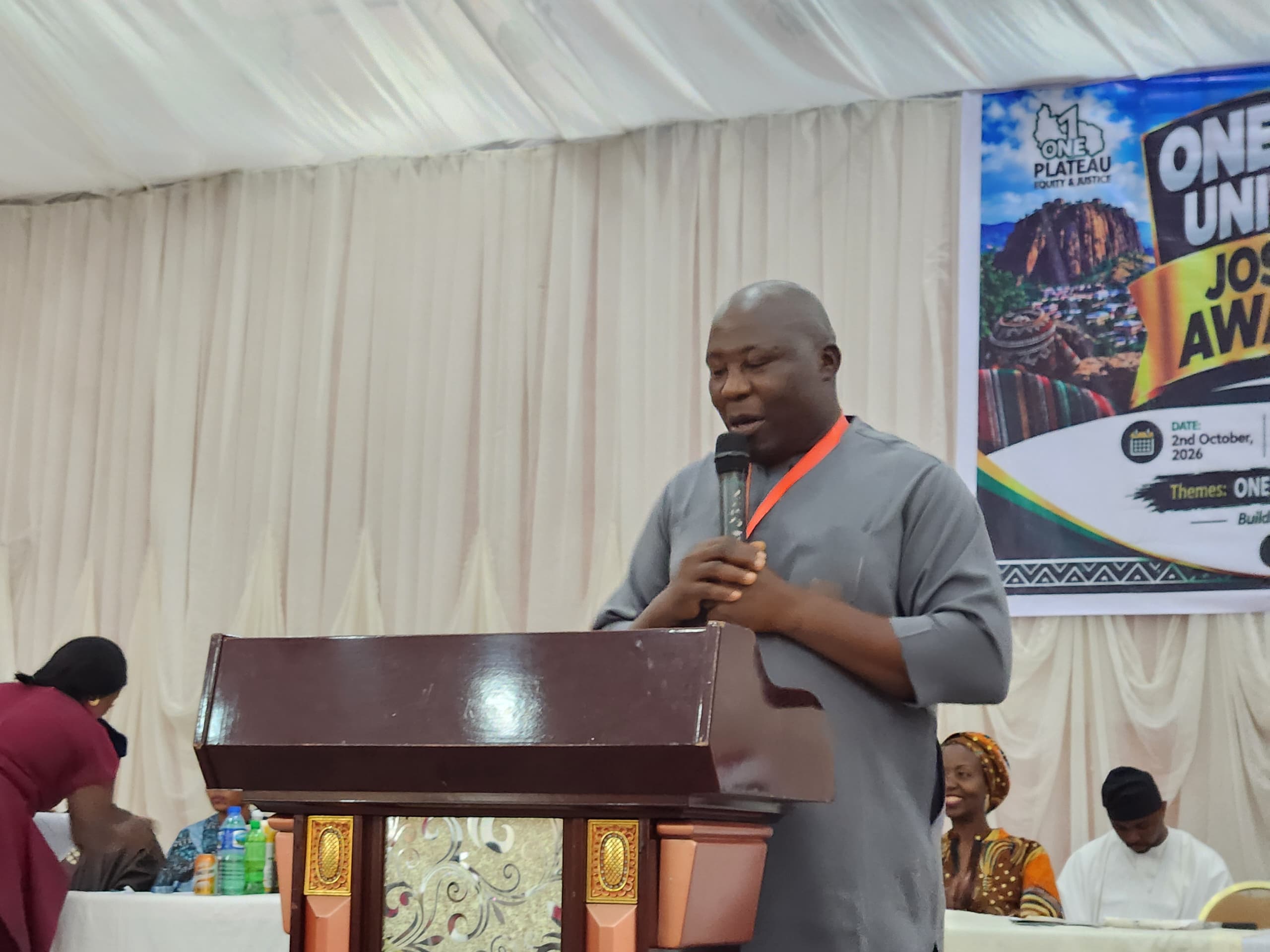
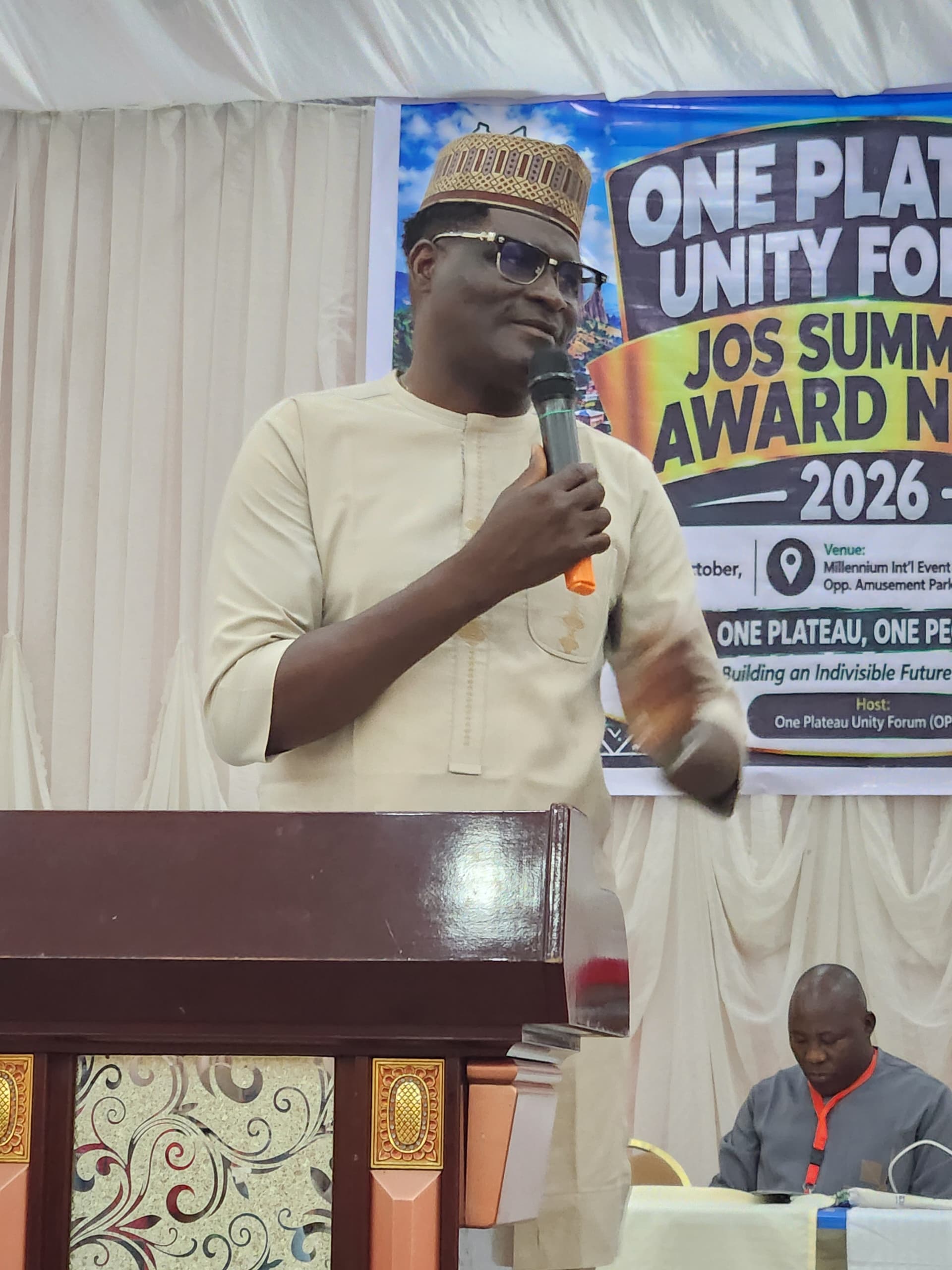
President of the forum, Dr. Longbap Dinfa, said the summit was organised to provide a platform for reconciliation and dialogue among Plateau people, urging citizens to rise above political, religious and ethnic differences.
According to him, “A tree cannot be in the forest alone. We need to leave our differences politically, religiously and ethnically and come together to speak with one voice to build a more united Plateau.”
Dinfa also called for stronger involvement of traditional rulers in addressing insecurity, saying community leaders should play a greater role in maintaining peace and ensuring accountability within their communities.
He said, “If the government can set up a machinery where they track people, especially those that are community leaders, and put them together that whatever thing happens in your community, you will be held responsible, I think the issue of killing, to some extent, will be reduced.”
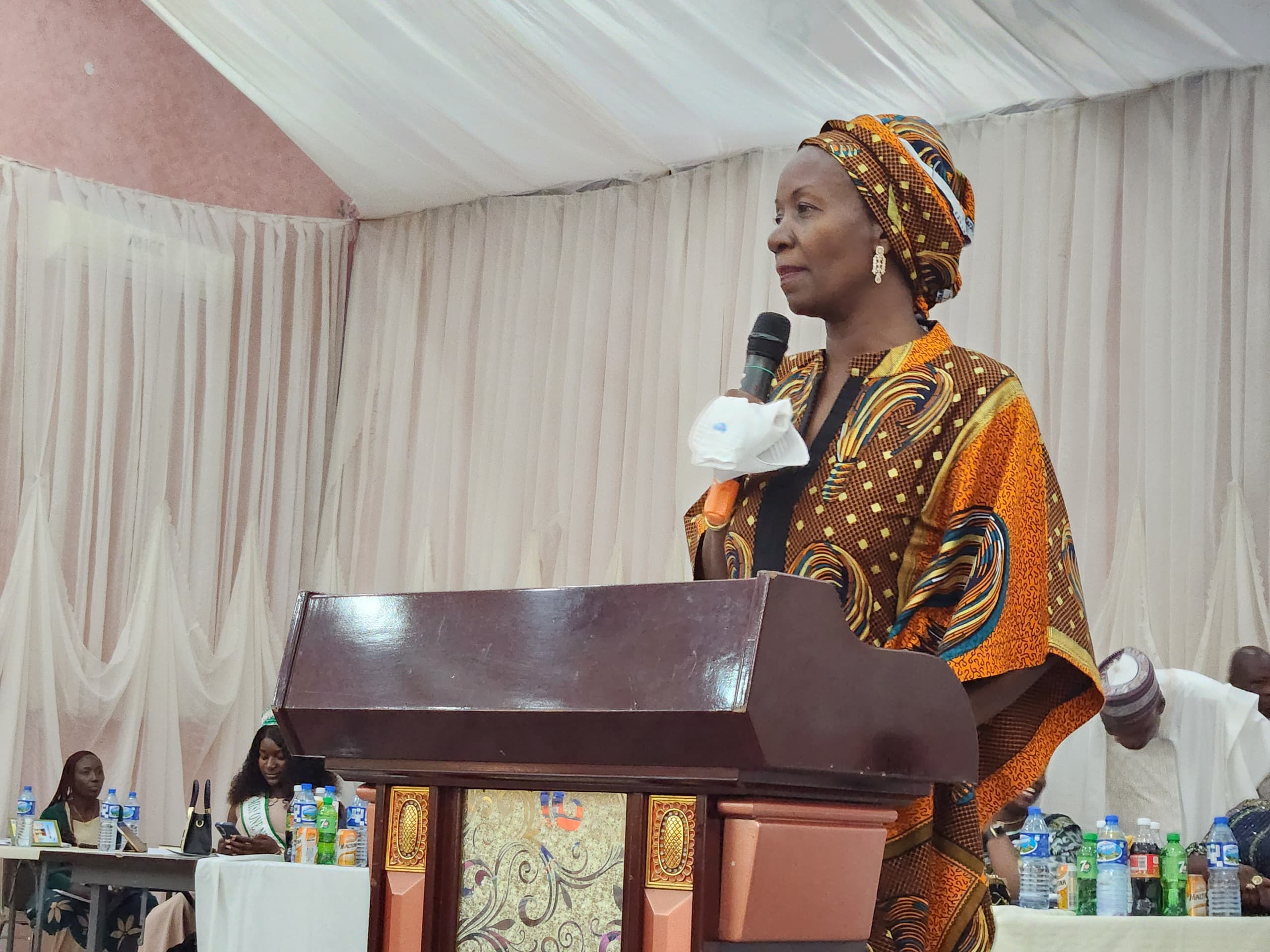
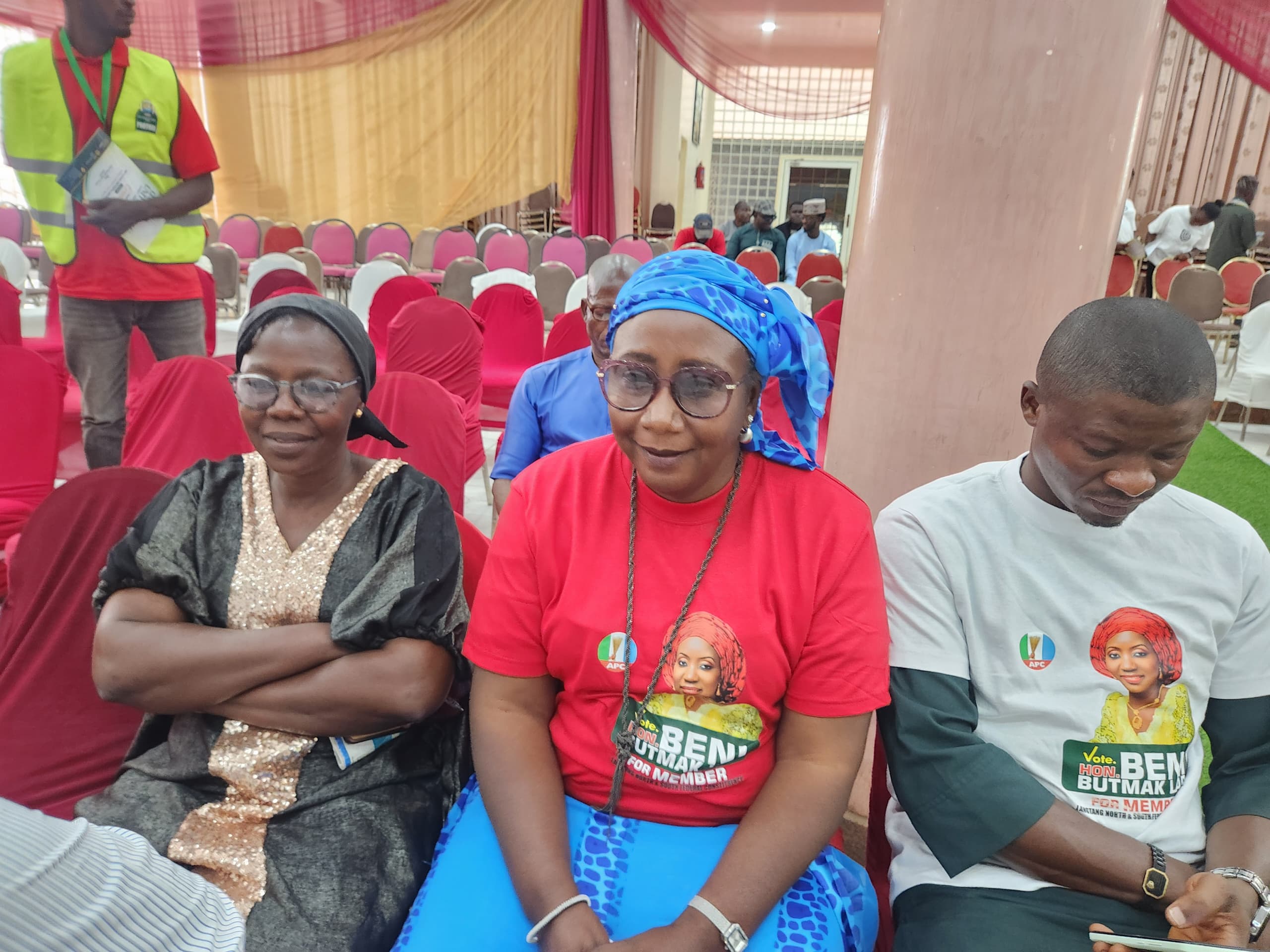
Former member of the House of Representatives and candidate for Langtang North/South Federal Constituency, Hon. Beni Lar, also called on Plateau people to embrace unity and peace, irrespective of ethnic, religious or political differences.
Lar said, “We must work towards the one indivisible Plateau where we believe that Plateau is greater than anybody.”
She also advocated greater attention to entrepreneurship and tourism, particularly as avenues for creating opportunities for young people and reducing idleness.
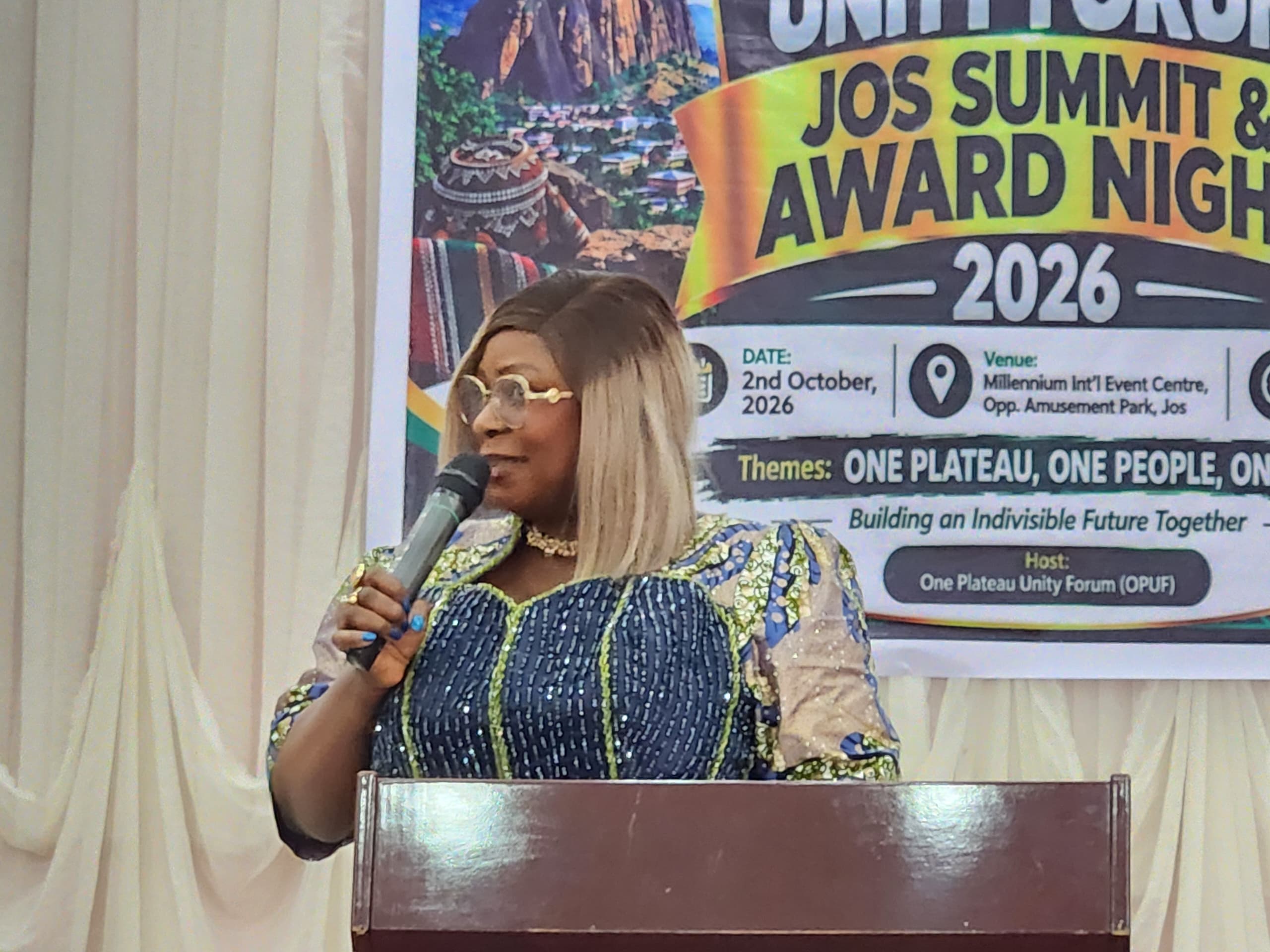
Speaking on “Skills Acquisition: Unlocking Opportunities for Young People,” De Sele of Jos, Ngo Sarah Dagah, said skills acquisition would only have meaningful impact when young people are able to progress from training to practical application, mentorship, access to finance, market opportunities and employment.
Dagah said the opportunity chain should move from “skill, practice, mentorship, finance, market access, growth and employment,” stressing that acquiring a skill without the determination to put it into practice would not achieve the desired result.
She urged Plateau youths and women to become self-sufficient rather than continually depending on politicians and other individuals for assistance.
According to her, “My call today to Plateau youth and to the women is: be self-sufficient, develop yourself. That is what I call capital development.”
Dagah also urged successful youths to support others, saying, “The one person that is doing well or has done well, may they continue to do well and identify others to do well, because if they do well and people see them doing well, the other youth will also be encouraged and determined to do better.”
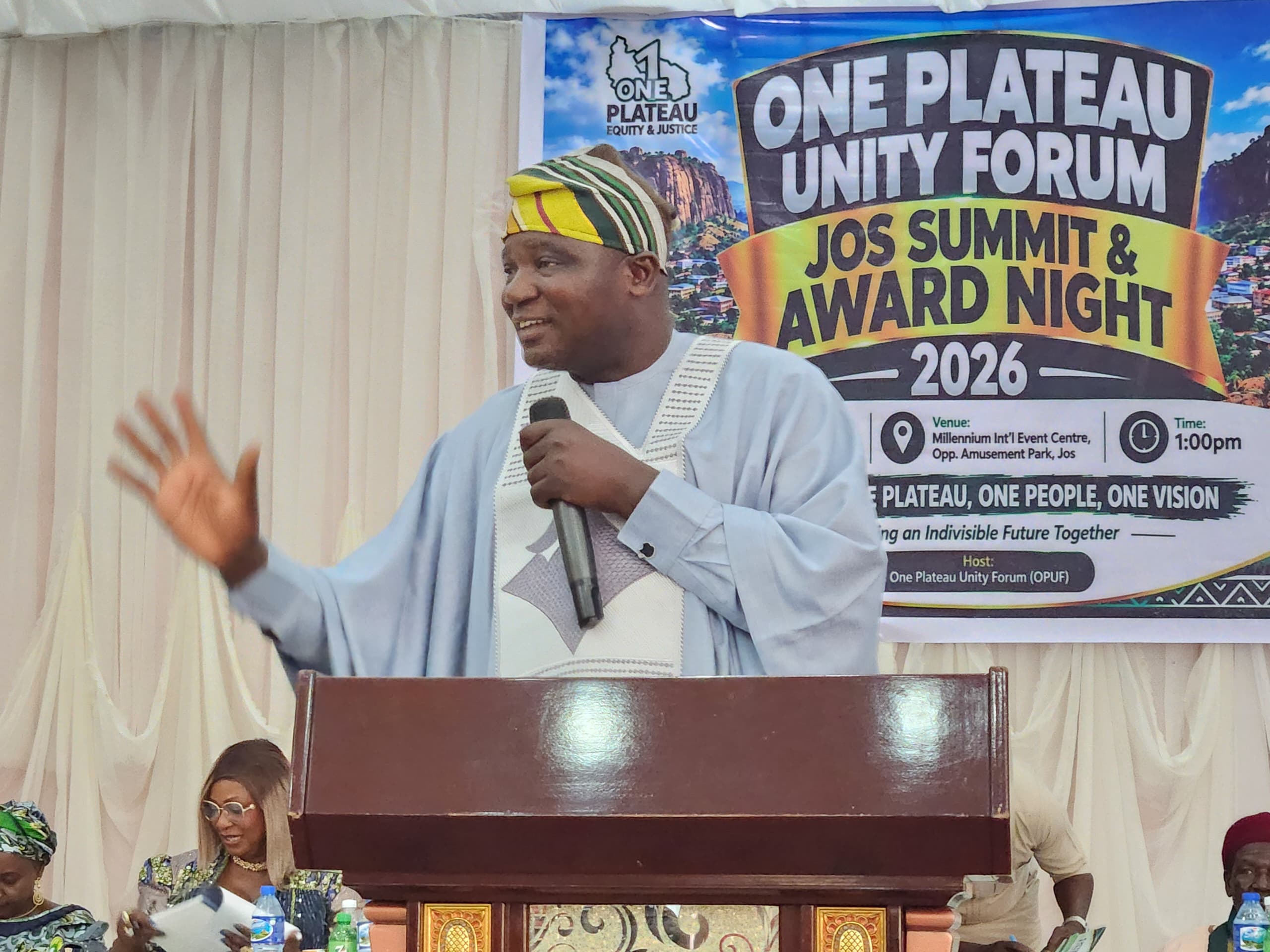
On infrastructure, Hon. Nanbol Listik identified good roads, hospitals, education and electricity as basic amenities needed to build stronger communities and improve the economic wellbeing of citizens.
Listik said, “Good roads, hospital, education, electricity — when these things are there, that is what builds a man. That is what builds a society. That is what builds a community.”
He particularly noted that poor roads make it difficult and expensive for farmers to transport their produce from rural communities to urban markets, with perishable agricultural products suffering the greatest consequences.
Listik, who noted that he is part of government, said the administration had made efforts to prioritise capital expenditure, but acknowledged that more needed to be done.
“Government has done what it can do, but we really need to improve and there is still room for improvement,” he said.
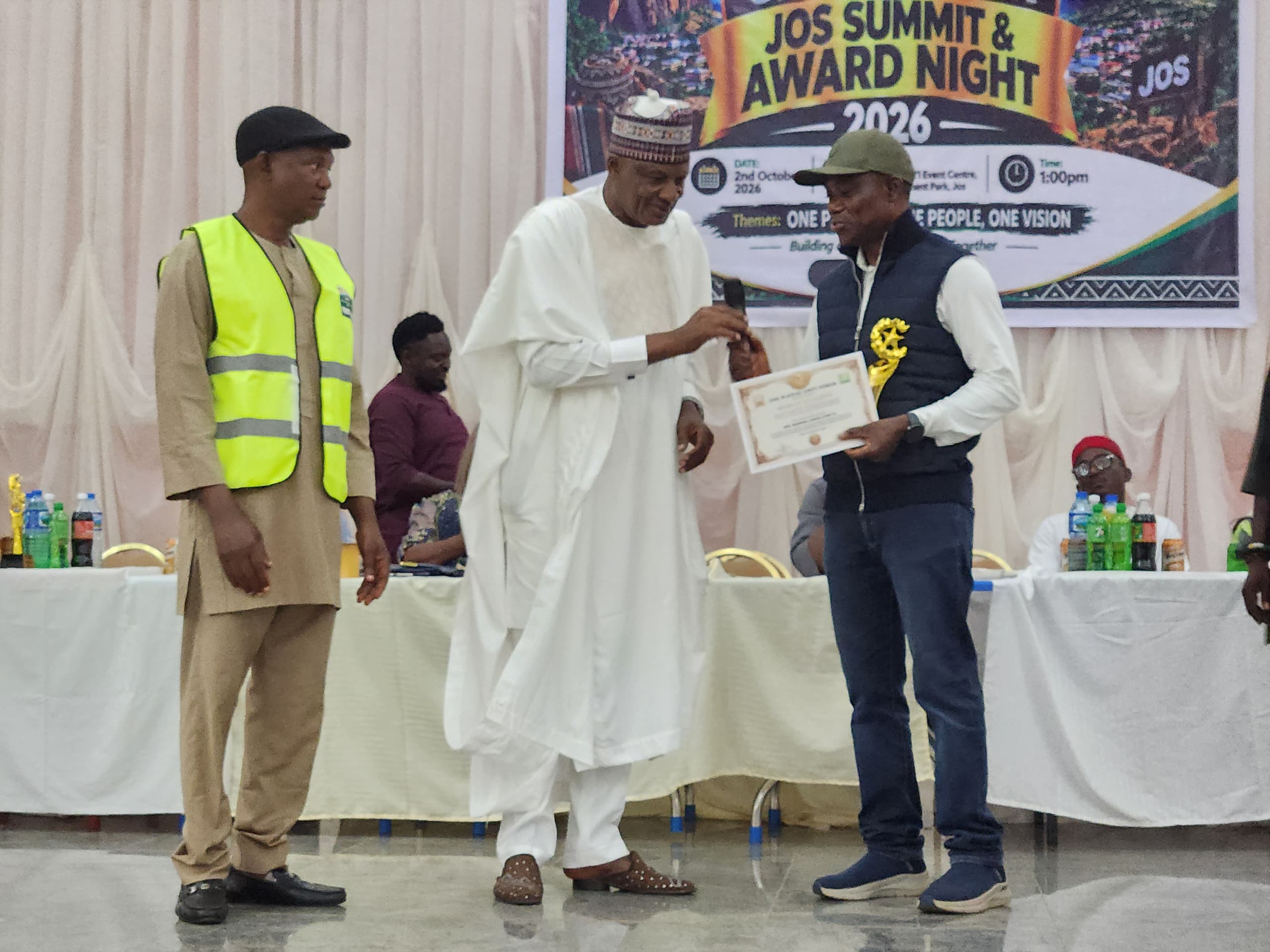
Meanwhile, Commissioner for Environment, Climate Change and Mineral Development, Hon. Ubandoma Laven, expressed appreciation to the organisers for honouring him with an Award of Excellence on his birthday.
Laven thanked the organisers for the recognition, saying, “I want to thank God for this privilege that He has given me. I think I commend you and thank you so much for the privilege that you have given me on this award.”
He also stressed the importance of teamwork and synergy among government ministries and agencies, noting that his experience across different ministries had helped him understand the interconnectedness of government responsibilities.
According to Laven, “We have to work as a team. All these things on the platform have been synergised in the long term.”
He said effective governance required ministries and agencies to understand their respective responsibilities and work together rather than operate in isolation.
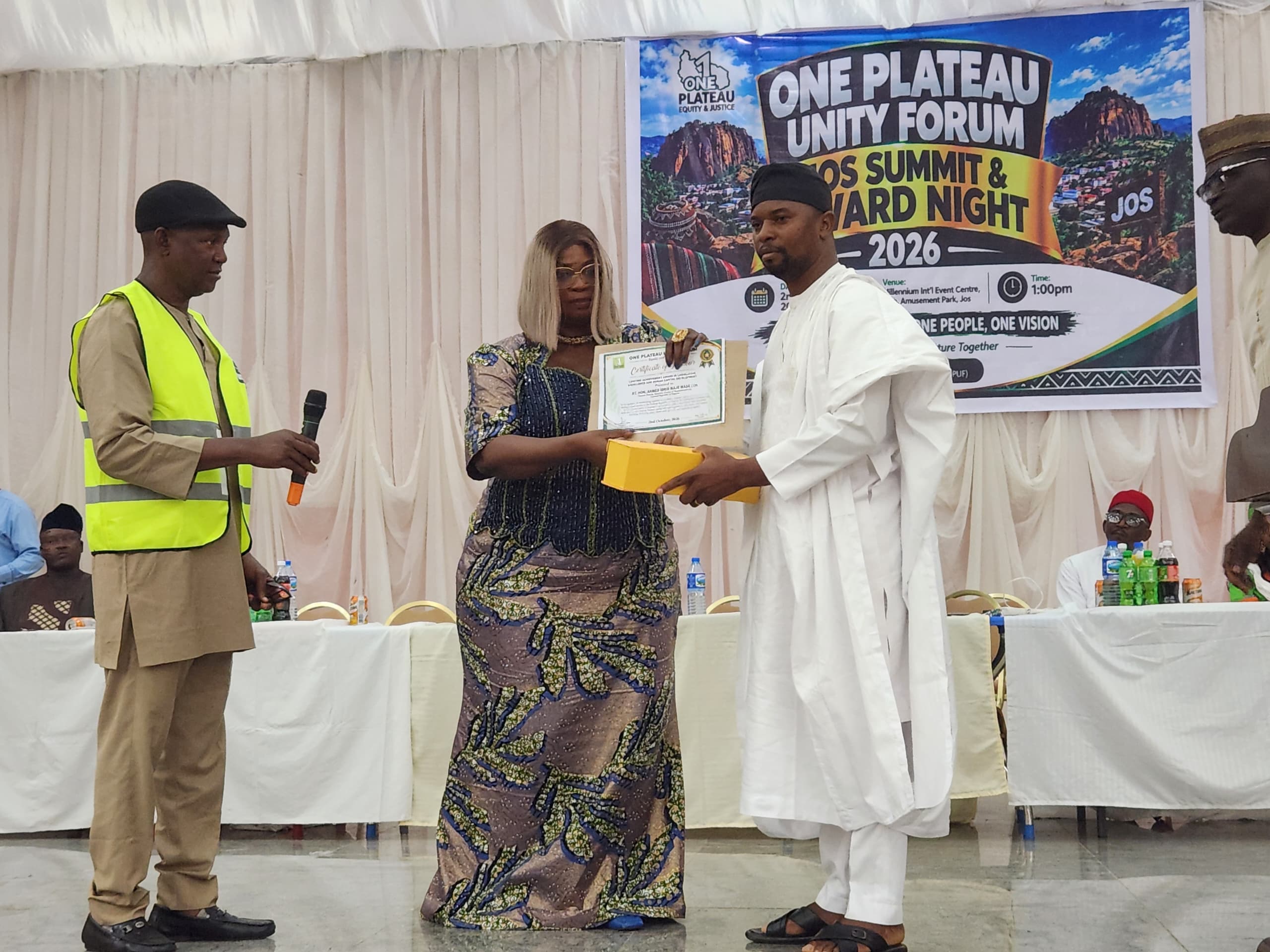
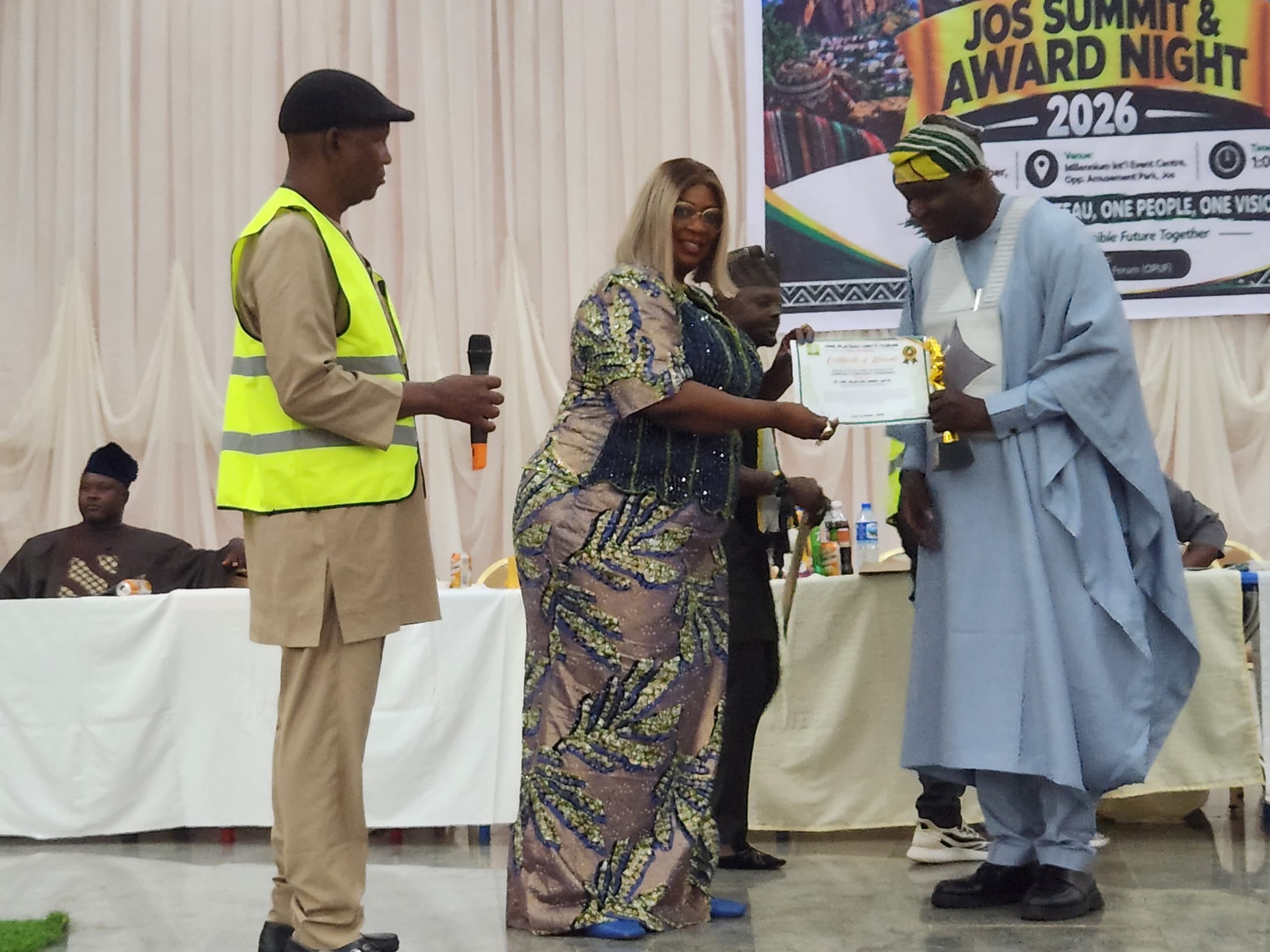
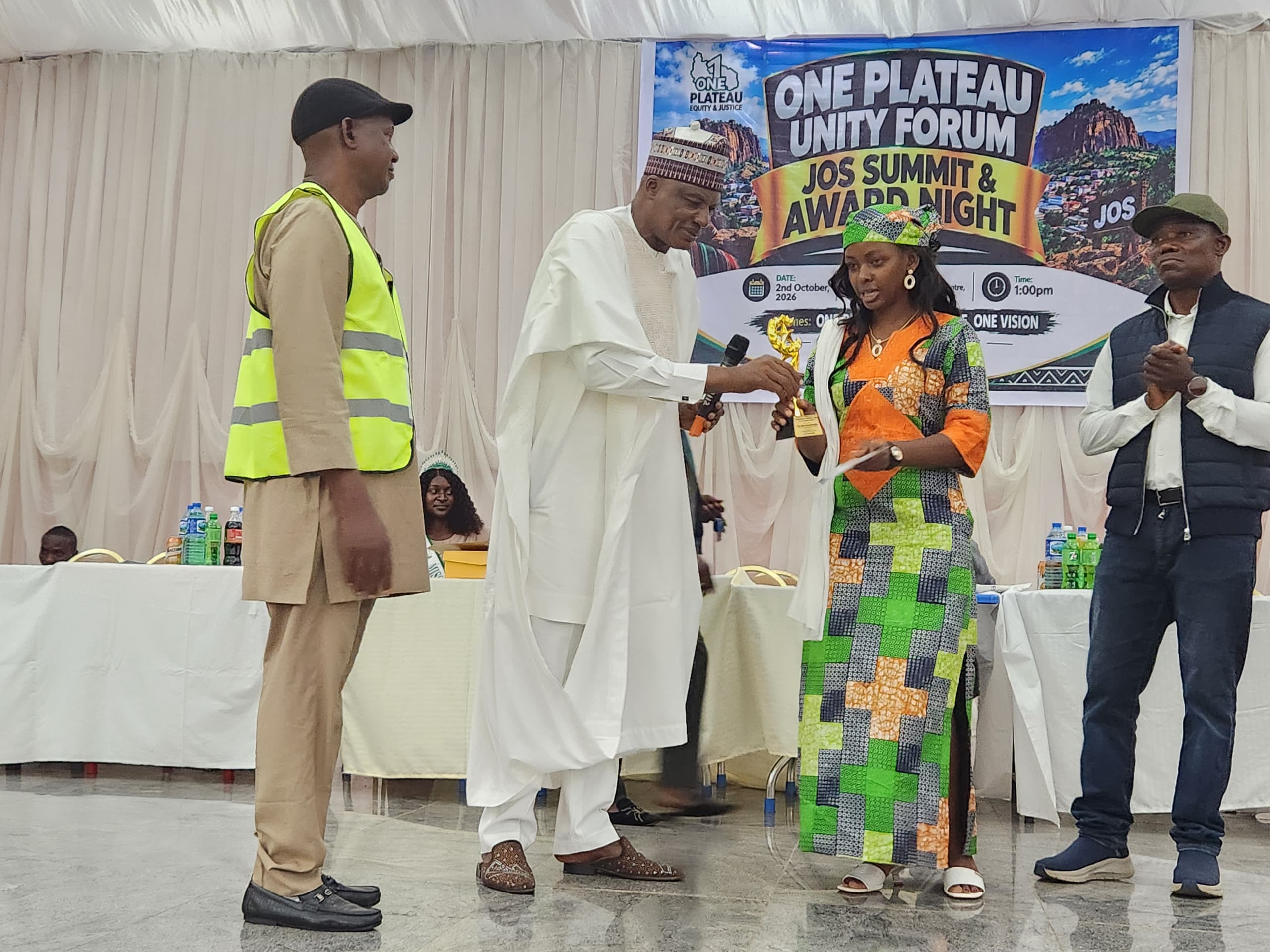
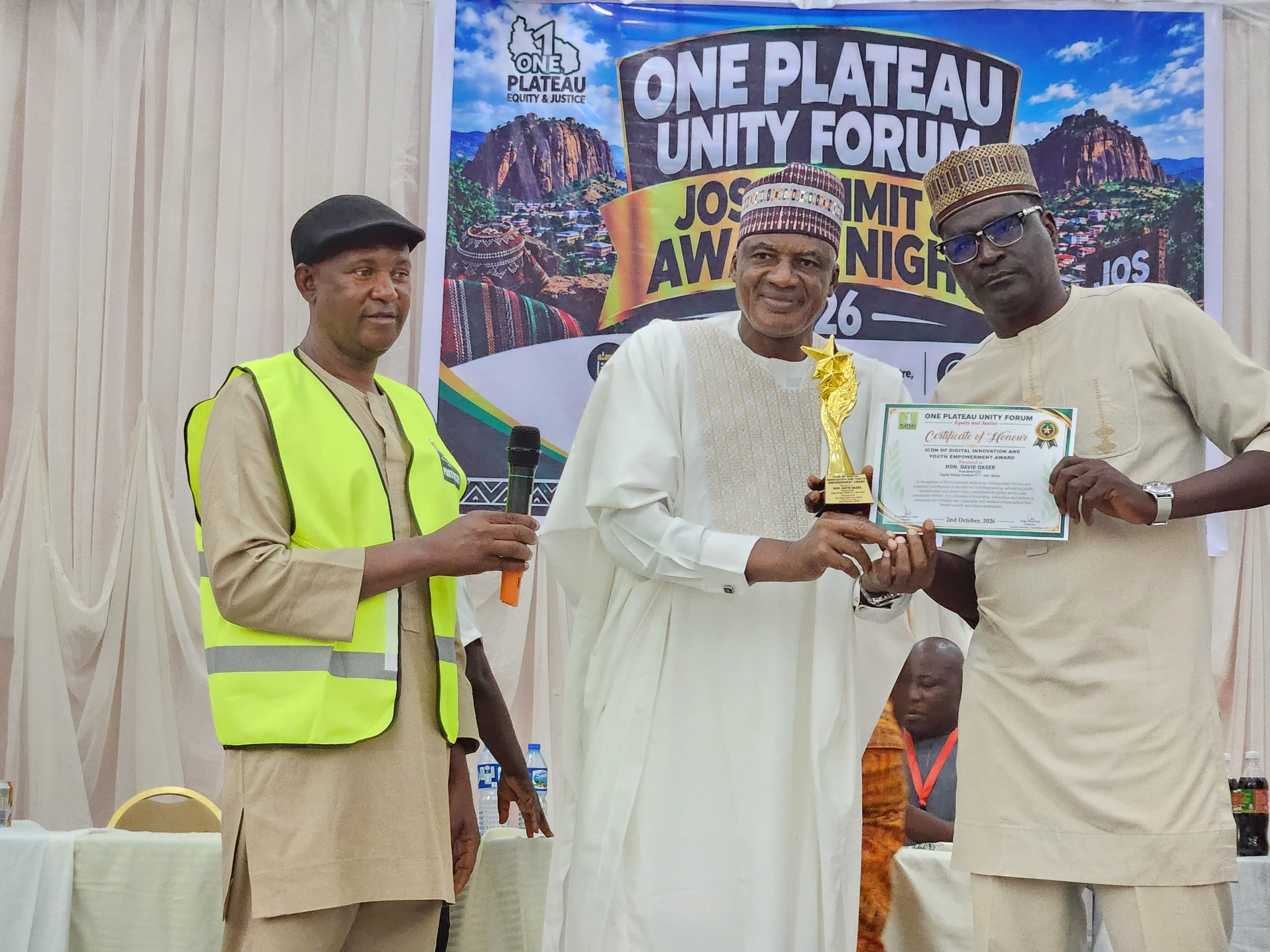
The summit also featured an award ceremony recognising Plateau indigenes who have distinguished themselves in public service and other fields.
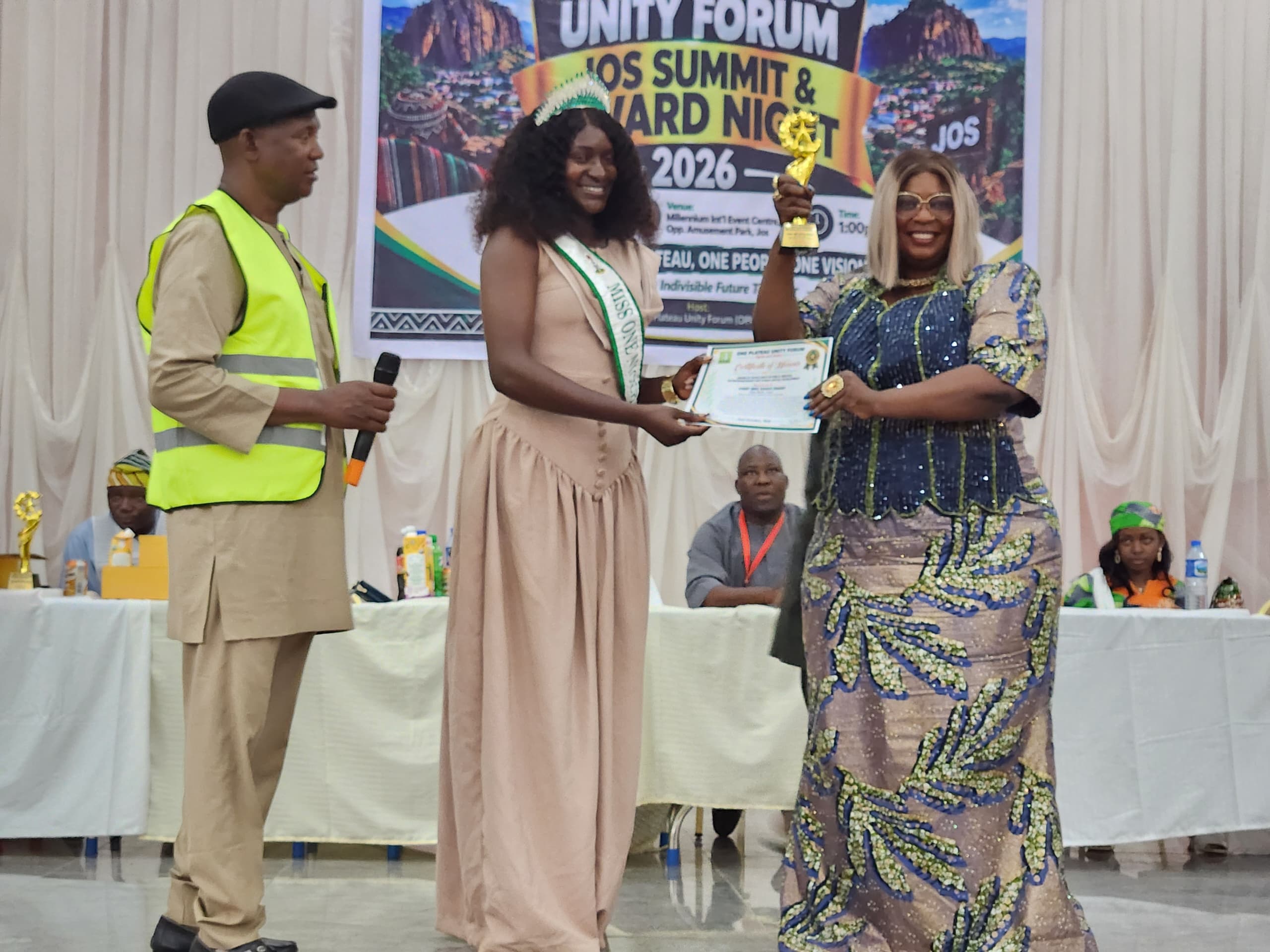
Among the award recipients were Rt. Hon. Idris Wase, Ngo Sarah Dagah, Hon. David Lalu, Hon. Nanbol Listik, Hon. Ubandoma Laven and Prince David Daser.
The forum said the recognition was part of efforts to encourage individuals who have contributed to the development of Plateau State and inspire others to make meaningful contributions to the state.