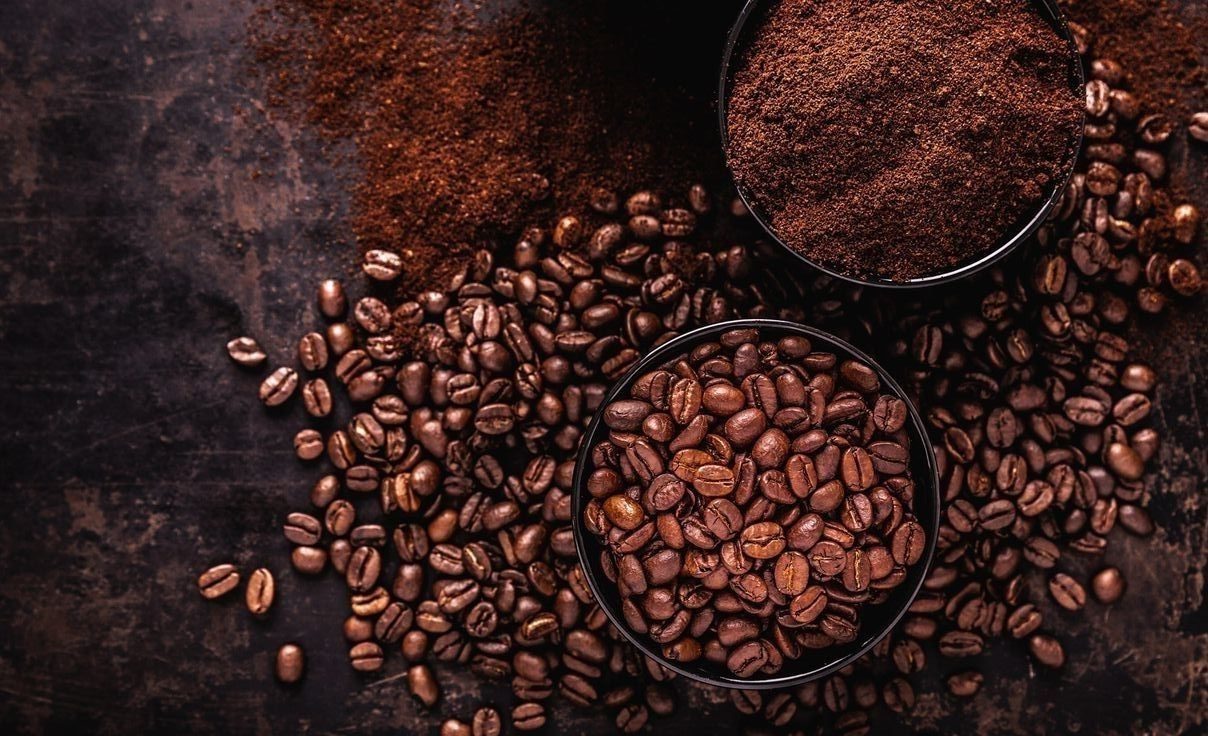
Plateau State is steadily emerging as one of Nigeria’s most promising coffee producing region, thanks to its favourable climate, rich volcanic soil and growing investment in the coffee value chain.
The state’s cool weather and high altitude provide ideal conditions for growing quality Arabica coffee, a variety widely sought after in the global market. With renewed interest from government, private investors and coffee stakeholders, Plateau is once again attracting attention as a potential leader in Nigeria’s coffee industry.
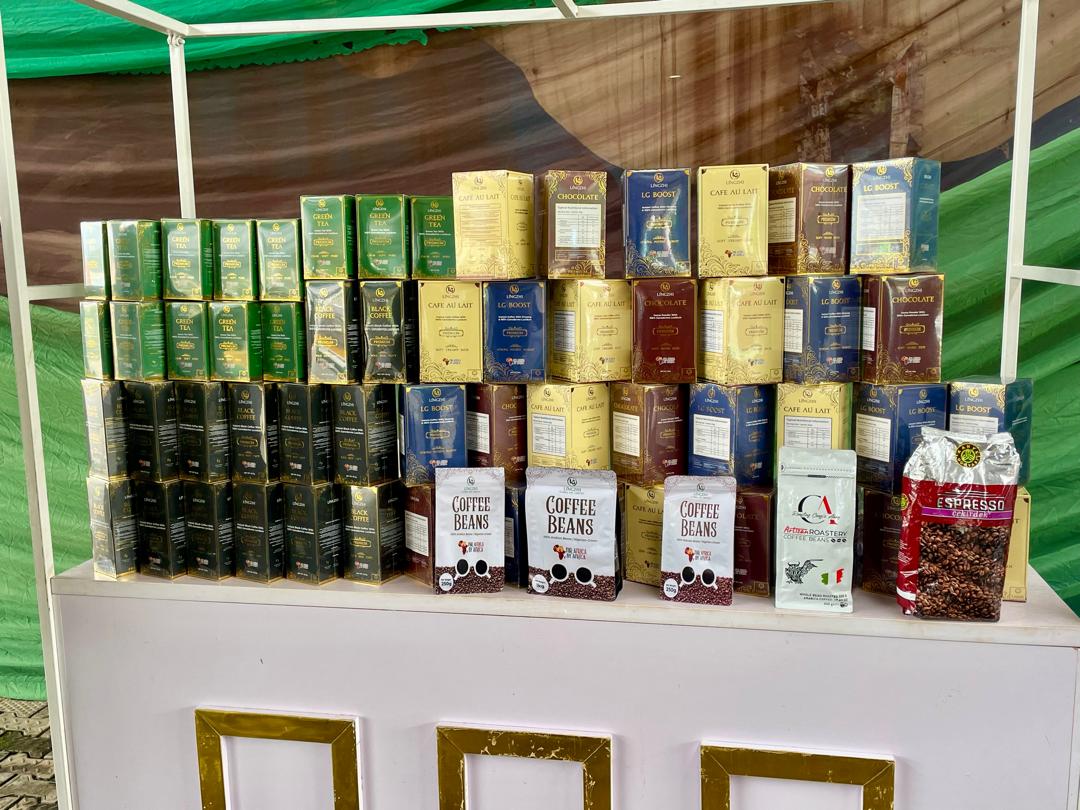
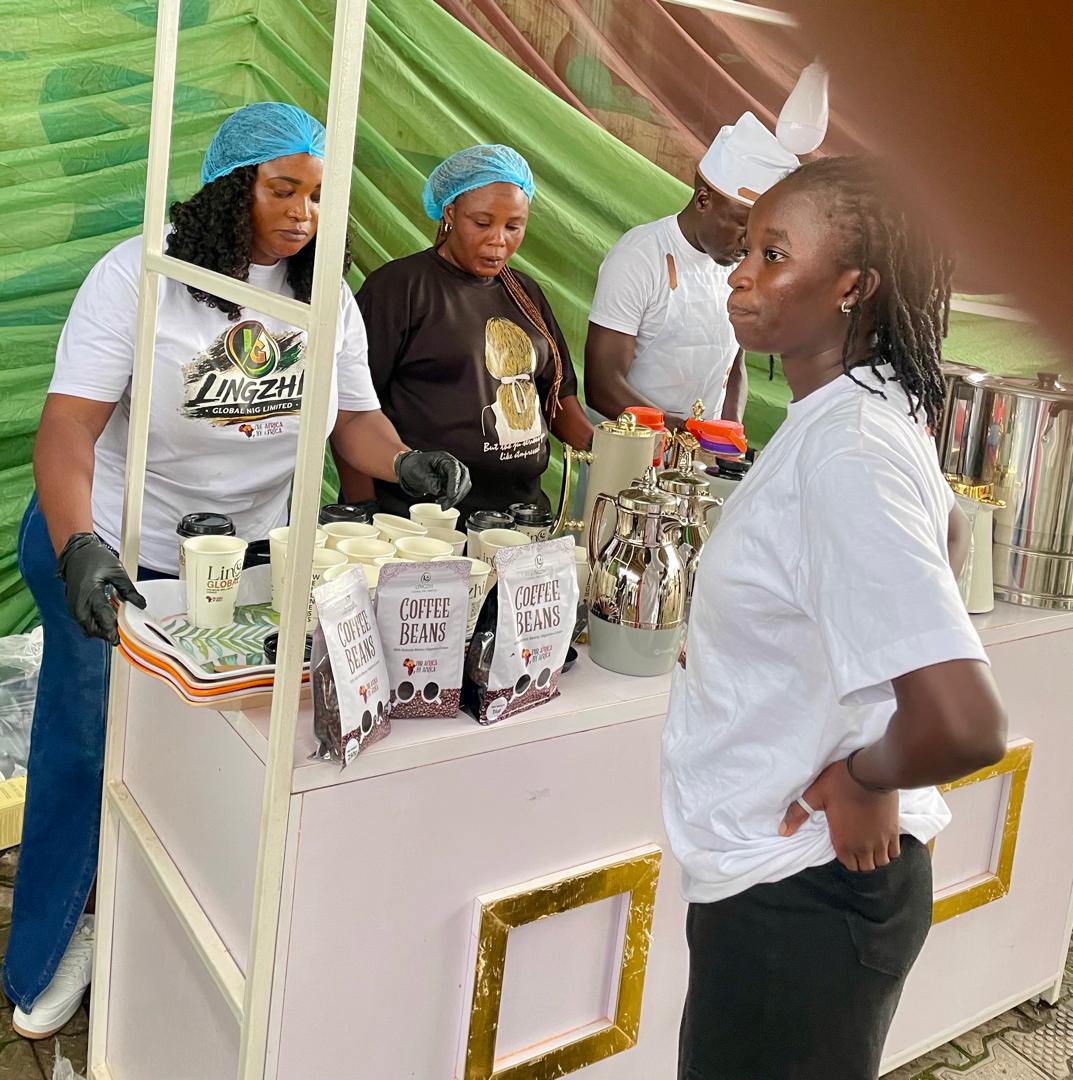
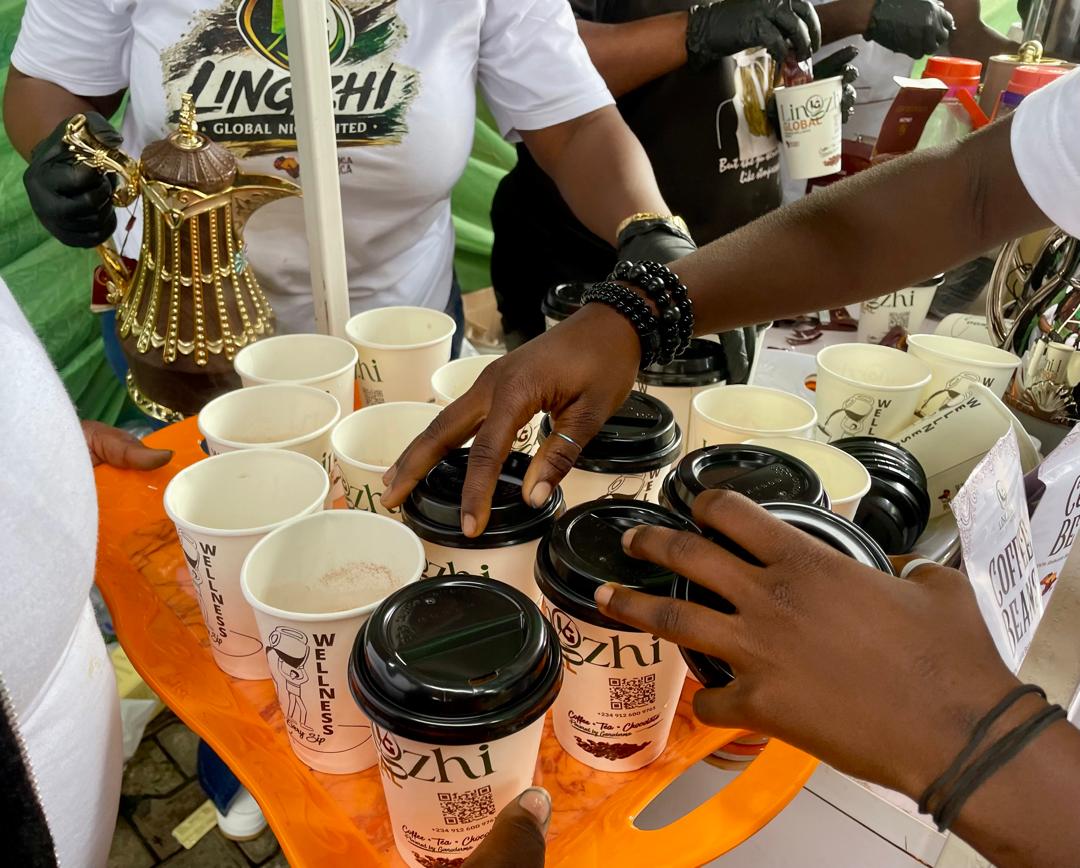
The successful hosting of the maiden Coffee Festival International Nigeria in Jos further strengthened Plateau’s position, bringing together coffee producers, experts and investors from countries including Brazil, Ethiopia, Rwanda, Ghana, South Africa, Tanzania among other countries.
Stakeholders believe the festival has opened new opportunities for local farmers by connecting them with international markets, modern farming techniques and potential investors.
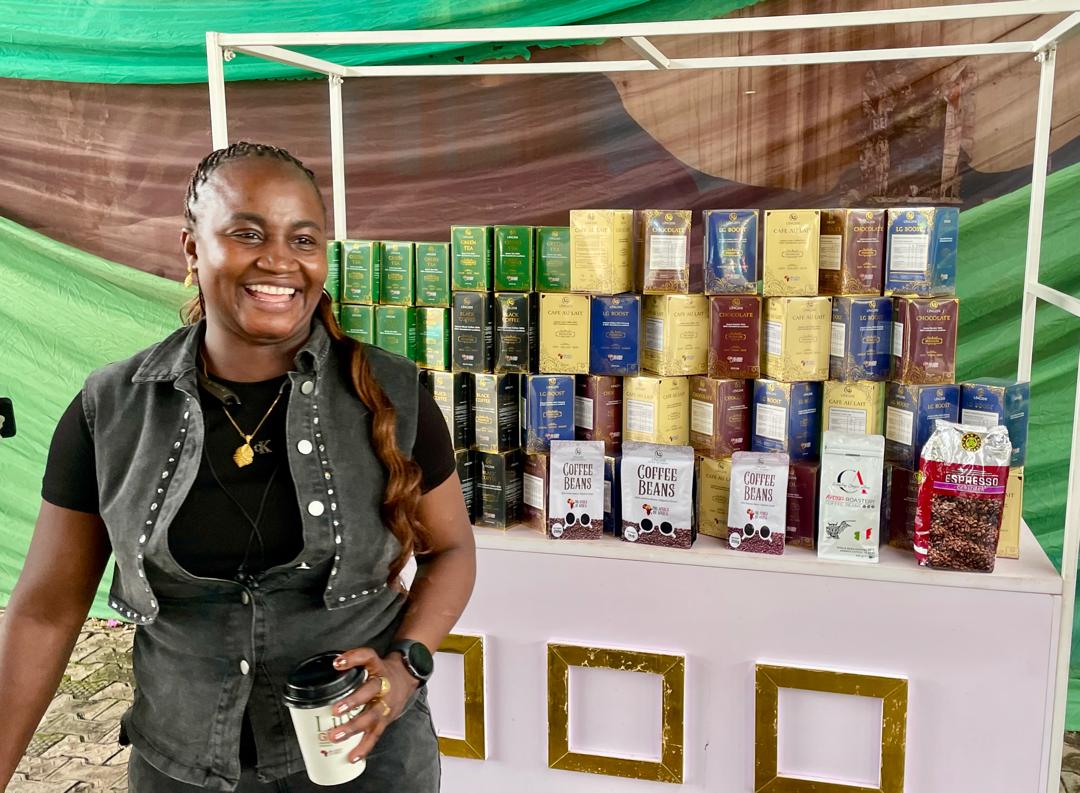
Chief Executive Officer of Lingzhi Global, Mrs. Blessing Nanman, said the future of coffee in Plateau lies beyond farming alone, stressing that the industry offers opportunities in processing, roasting, packaging, barista training, marketing and export.
According to her, many Nigerians have stayed away from coffee because of misconceptions, even though the sector offers opportunities for job creation, community development and skills acquisition.
“There is security in coffee, there is job creation in coffee.”
She explained that anyone could benefit from the coffee value chain, whether as a farmer, roaster, barista, marketer or distributor.
“If you cannot farm coffee, you can roast coffee. If you cannot roast coffee, you can be a coffee barista. If you cannot be a coffee barista, be a marketer.”
Nanman disclosed that Lingzhi Global has served over 20 million cups of coffee in less than one year, expanded its workforce from about 50 to more than 100 employees and built a distribution network with thousands of distributors across the country.
She said the company’s efforts have also created a reliable market for farmers, adding that many coffee growers who previously struggled to sell their harvests now have buyers following them to their communities to purchase coffee.
According to her, Plateau has the potential to become Nigeria’s coffee capital if government, investors, farmers and consumers continue to work together to strengthen the coffee value chain and increase local consumption.
Nanman said the company’s awareness campaign has helped change public perception about coffee, leading to increased interest among young people and farmers.
She recalled that one farmer, who only started drinking coffee after attending one of Lingzhi Global’s programmes, has now gone into commercial nursery production.
“Last year, somebody just took a cup of coffee, and this year he is farming coffee. We bought 10,000 of his nursery and he was empowered with over ₦7 million,” she said.
According to her, coffee is no longer just a beverage but a business capable of creating sustainable jobs and improving livelihoods across the country.
She noted that farmers who previously complained of having no buyers are now enjoying a ready market, as traders and processors visit communities to buy coffee directly from producers.
“This year, the farmers did not cry. They can testify that buyers are following us to our villages to collect coffee,” she added.
Nanman said Lingzhi Global will continue to promote coffee awareness across Nigeria, noting that after the successful maiden Coffee Festival International in Plateau State, the next edition will hold in Cross River State as part of efforts to grow the industry nationwide.
She urged governments, private investors and development partners to support coffee production, saying the sector has the potential to create thousands of jobs, improve rural incomes and position Nigeria as a major player in the global coffee industry.