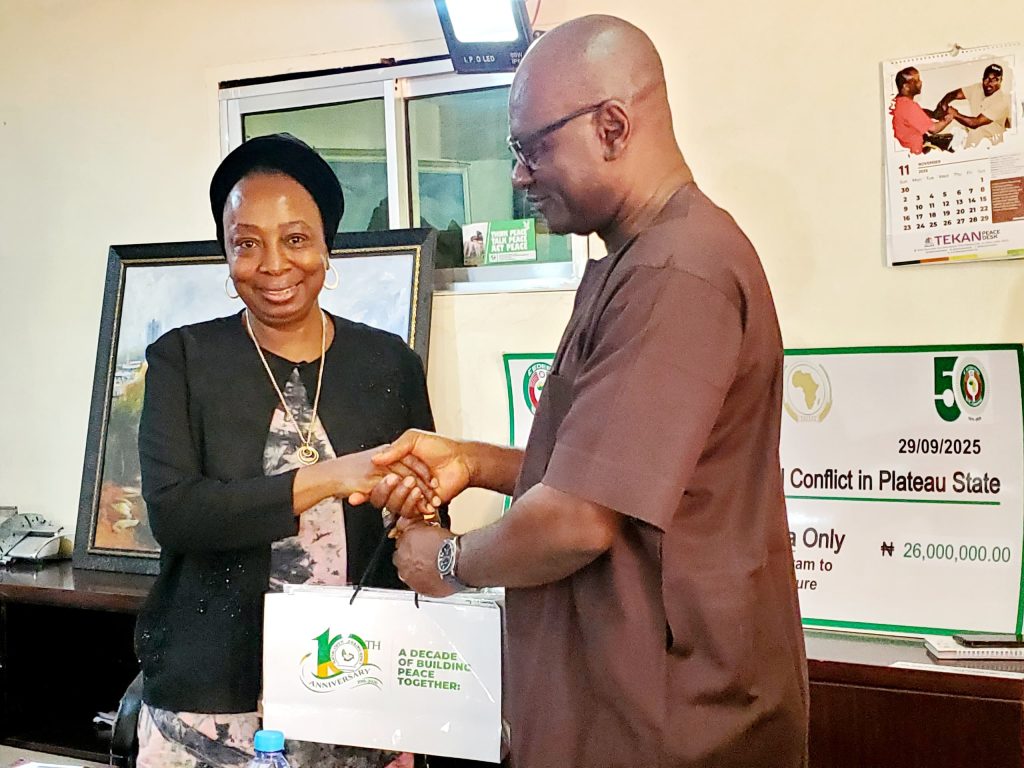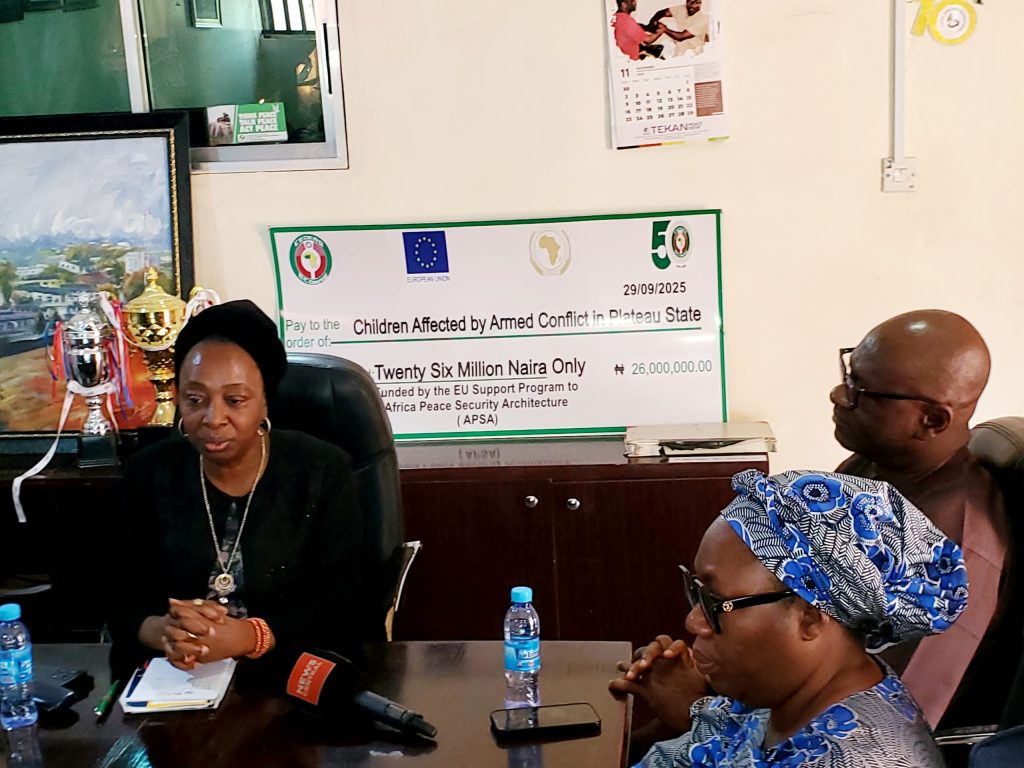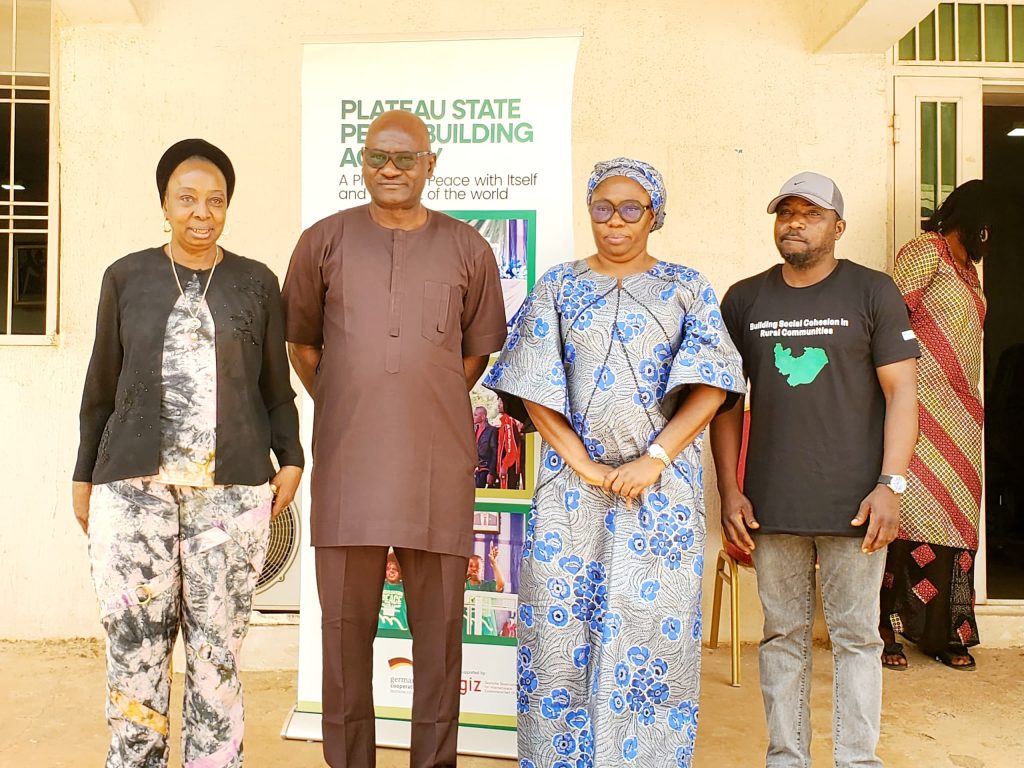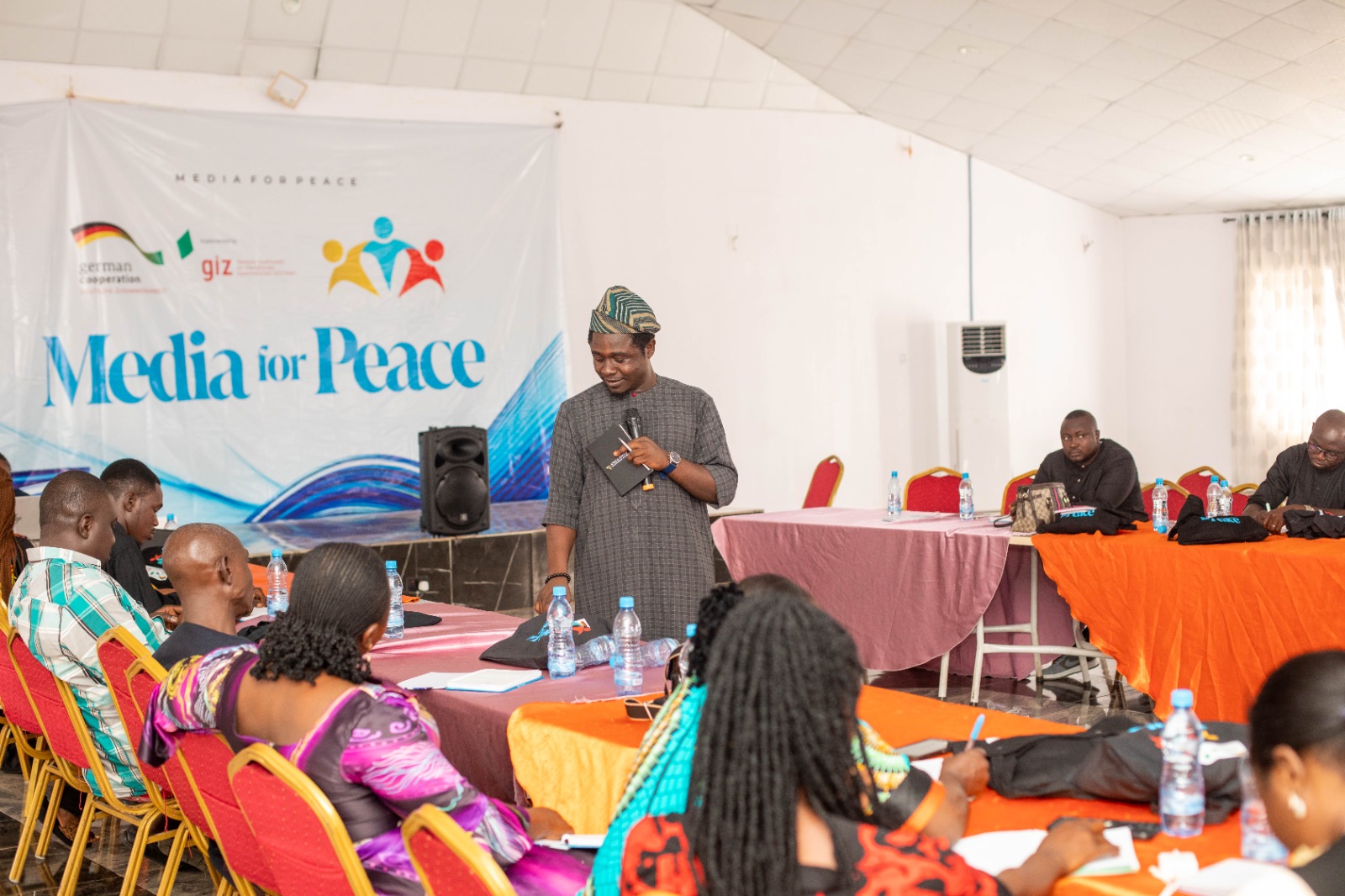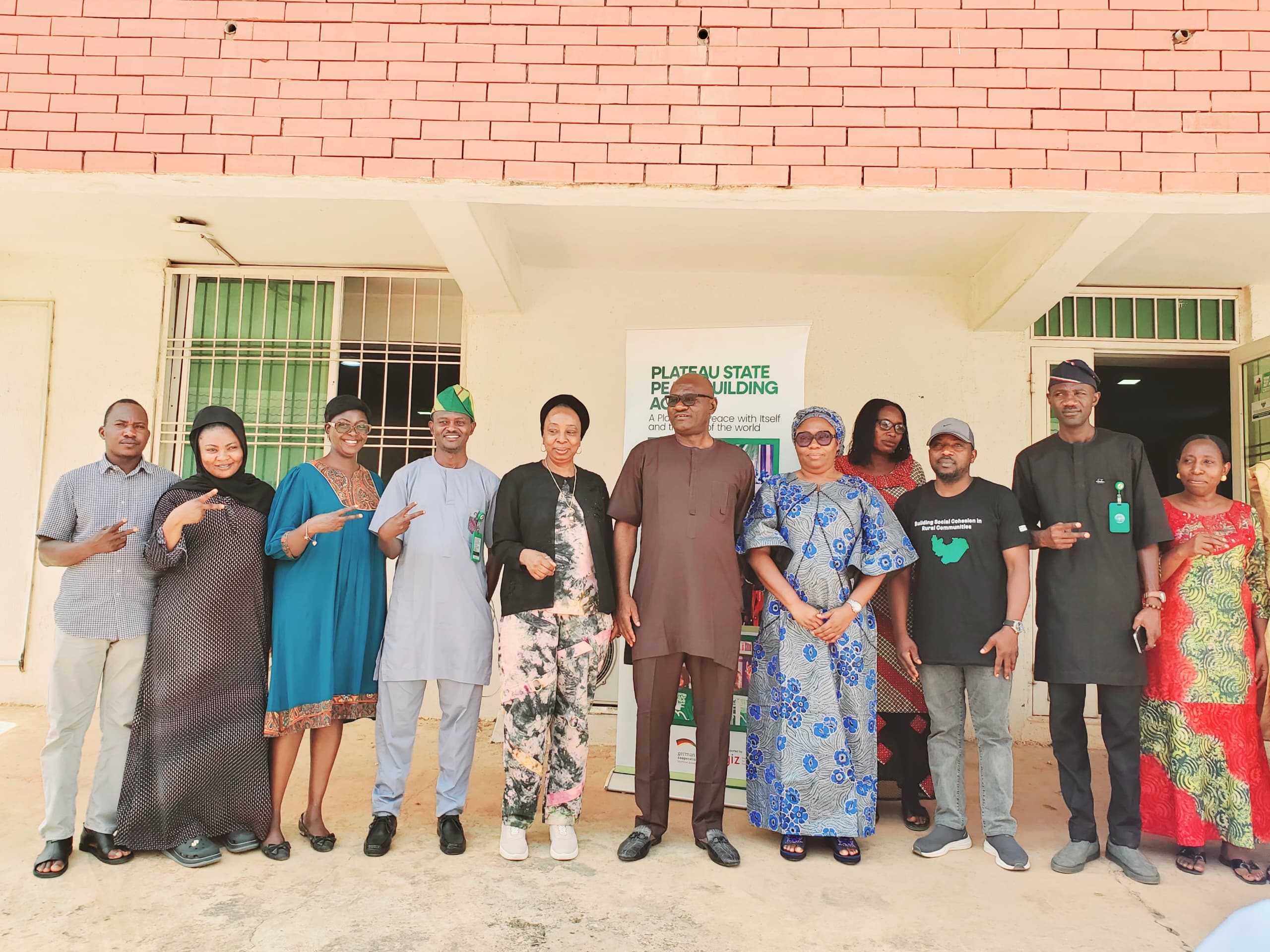
The Director-General of the Institute for Peace and Conflict Resolution (IPCR), Ministry of Foreign Affairs, Dr. Joseph Ochogwu, has paid a courtesy visit to Plateau State Peace Building Agency (PSPBA), as part of efforts to strengthen collaboration in promoting peace and security.
During the visit, Dr. Ochogwu emphasized the need to reinforce Nigeria’s National Conflict Early Warning and Early Response System, describing it as a proactive approach to preventing crises and managing tensions before they escalate into violence.
“We are strengthening our National Conflict Early Warning and Early Response System, which is a proactive and preventive mechanism for de-escalation of conflict and the prevention of violence in affected areas,” he stated.
He explained that the initiative is being implemented in Plateau, Benue, Katsina, Kaduna, and the Federal Capital Territory, with support from international partners, reflecting ongoing efforts to deepen cooperation in peacebuilding.
The IPCR Boss noted that the programme engages security agencies, civil society organisations, traditional institutions, youth groups, and persons with disabilities to build their capacity in identifying early warning signs and responding effectively.
“We are working with state security actors, civil society organisations, traditional institutions, youth groups, and persons with disabilities to ensure they have the skills to identify incidents that could lead to violence and respond appropriately,” he said.
Dr. Ochogwu further disclosed that over 600 Nigerians have been trained under the initiative, stressing the importance of inclusion in peacebuilding efforts.
“We have trained over 600 Nigerians across the states, with a strong focus on gender and social inclusion, ensuring that women and persons with disabilities are not left behind in our peacebuilding process,” he added.
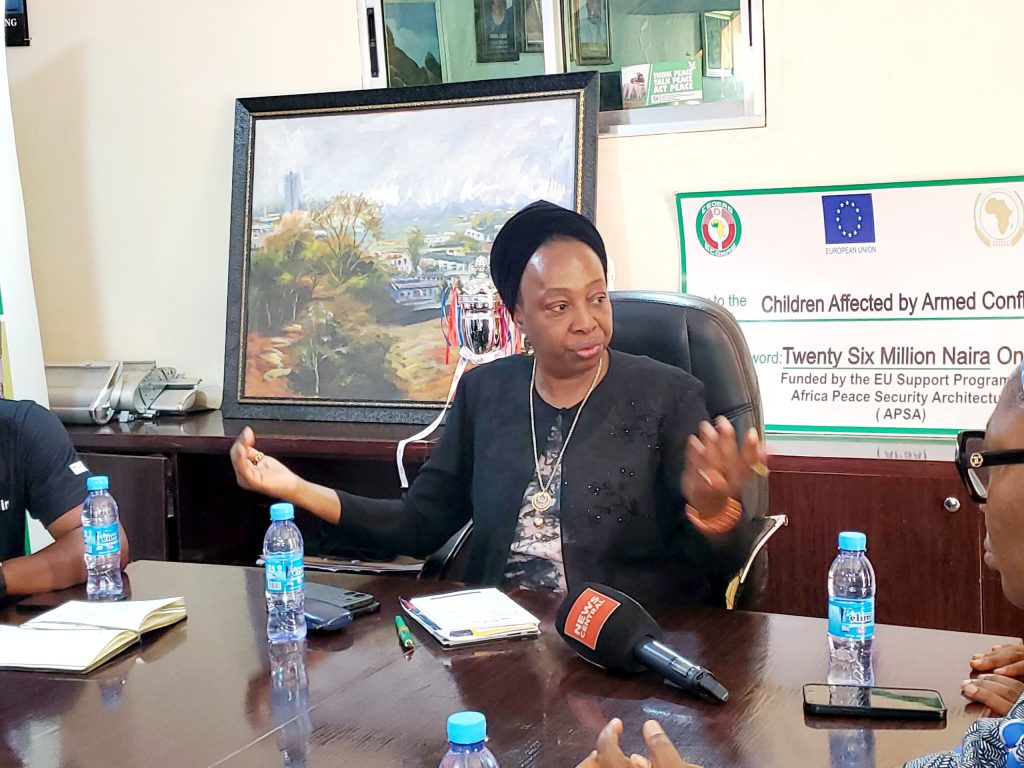
Responding, the Director-General of the Plateau State Peace Building Agency (PSPBA), Dr. Julie Sanda, highlighted the agency’s grassroots-driven approach to conflict prevention, noting that its Community Peace Architecture remains central to early warning and response efforts across the state.
She explained that while the agency previously focused on flashpoint areas, it has now expanded its structures to cover all communities, emphasizing that emerging security realities require a broader preventive strategy rather than reactive interventions.
“We have structures we call the Community Peace Architecture, and one of their core mandates is early warning. While we previously focused on flashpoint areas, we have now decided to establish these structures across all communities because a large part of this work is prevention, and you cannot always predict where conflict may arise,” she stated.
Dr. Sanda further stressed the importance of collaboration, noting that the agency works closely with stakeholders at all levels, including government institutions, civil society, and local communities, while encouraging citizens to take ownership of peacebuilding through active participation and timely reporting of threats.