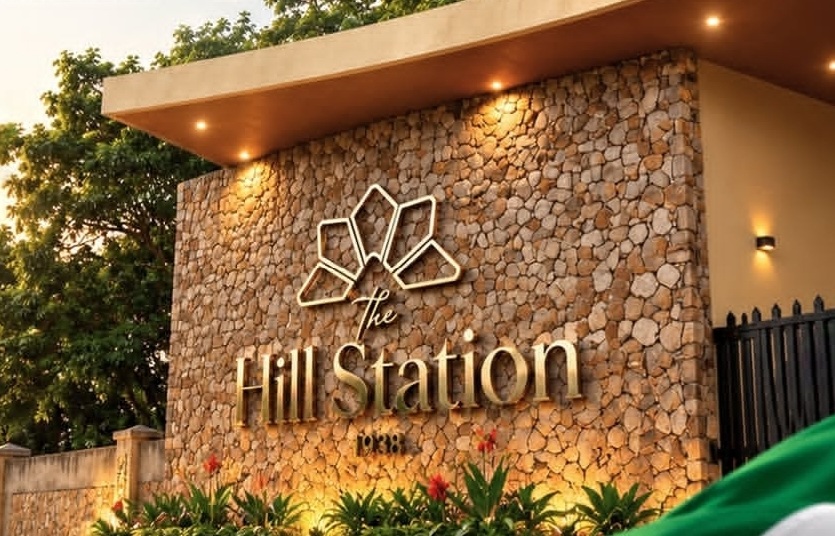
Concerned Plateau citizens in the diaspora have challenged the Plateau State Government to translate the revitalisation of Hill Station Hotel into a broader economic development strategy capable of creating sustainable jobs, attracting investment and strengthening public institutions.
The group, in a policy statement issued on October 9, 2026, welcomed the restoration of the historic hotel but urged the government to look beyond individual projects and establish measurable targets for employment generation and economic diversification.
It noted that the reported employment of 96 people by the hotel, including more than 85 Plateau indigenes, demonstrated the potential of private investment to support livelihoods and stimulate economic activities.
However, the group maintained that the achievement should serve as a starting point for a wider conversation about how similar opportunities could be created across agriculture, manufacturing, healthcare, education, technology and tourism.
According to the group, Plateau State needs a coordinated economic development framework backed by consistent policies, improved security, reliable infrastructure, access to finance and effective institutions to attract and sustain private investment.
It urged the government to communicate its economic priorities, investment plans, implementation timelines and measurable employment targets, stressing that development should be assessed by its impact on people’s lives rather than the number of projects commissioned.
The statement also raised questions about the mandate and performance of the Plateau State Diaspora Desk, calling for greater transparency regarding its activities, partnerships and contributions to the state’s development.
The group asked the government to clarify the office’s responsibilities, strategic work plan and documented achievements, particularly in mobilising the expertise of Plateau citizens abroad in public policy, healthcare, education, agriculture, technology and institutional development.
It stressed that effective diaspora engagement should go beyond appeals for remittances, charitable donations and investment capital to include knowledge transfer, professional collaboration, research partnerships and support for public institutions.
“The existence of an office or the appointment of an official does not, by itself, constitute an effective diaspora engagement strategy,” the group stated, calling for clear responsibilities and measurable contributions to the public good.
To strengthen collaboration, the diaspora citizens proposed a structured policy and development partnership framework through which qualified professionals abroad could work with government institutions, universities, civil society organisations and local experts.
They also called for transparent investment procedures, accessible information on viable business opportunities and safeguards that would enable diaspora investors to engage with the state without depending on political connections or informal arrangements.
Among its key recommendations, the group urged the government to initiate structured dialogue with recognised diaspora organisations within 90 days and establish a mechanism for periodic public reporting on partnerships, policy contributions, investment initiatives and development outcomes.
It cautioned, however, against creating additional bureaucratic structures, arguing that the priority should be to strengthen existing institutions and ensure that policies are implemented effectively.
“Plateau State does not necessarily need more offices or advisers. It needs institutions that function, policies that are implemented, and partnerships that produce results,” the statement said.
The group further identified insecurity as a major obstacle to sustainable economic development, noting that threats to lives, livelihoods, agricultural production and commercial activities could undermine investor confidence and restrict economic opportunities.
It called for stronger attention to the protection of communities, restoration of livelihoods and provision of essential services, particularly in areas affected by recurring violence and displacement.
While acknowledging the responsibility of government, the diaspora citizens also pledged their readiness to contribute professional expertise, research, mentorship, responsible investment and institutional partnerships to the state’s development.
They emphasised that diaspora engagement should complement local knowledge and expertise rather than displace professionals and institutions already working within Plateau State.
The group concluded that the revitalisation of Hill Station Hotel should be viewed not only as the restoration of a historic landmark but also as an opportunity to pursue a wider development agenda that expands businesses, creates jobs, strengthens communities and improves living standards across the state.