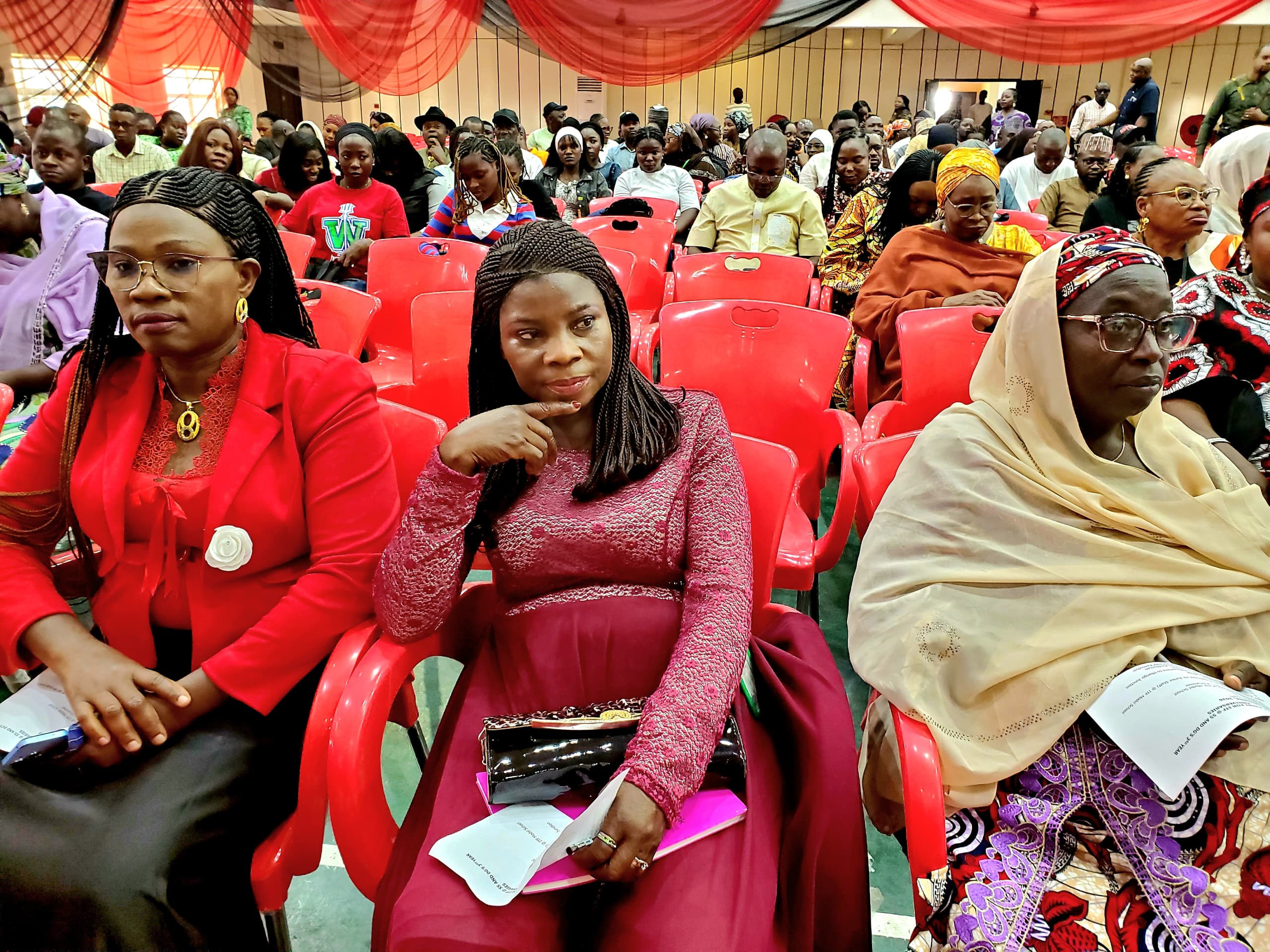
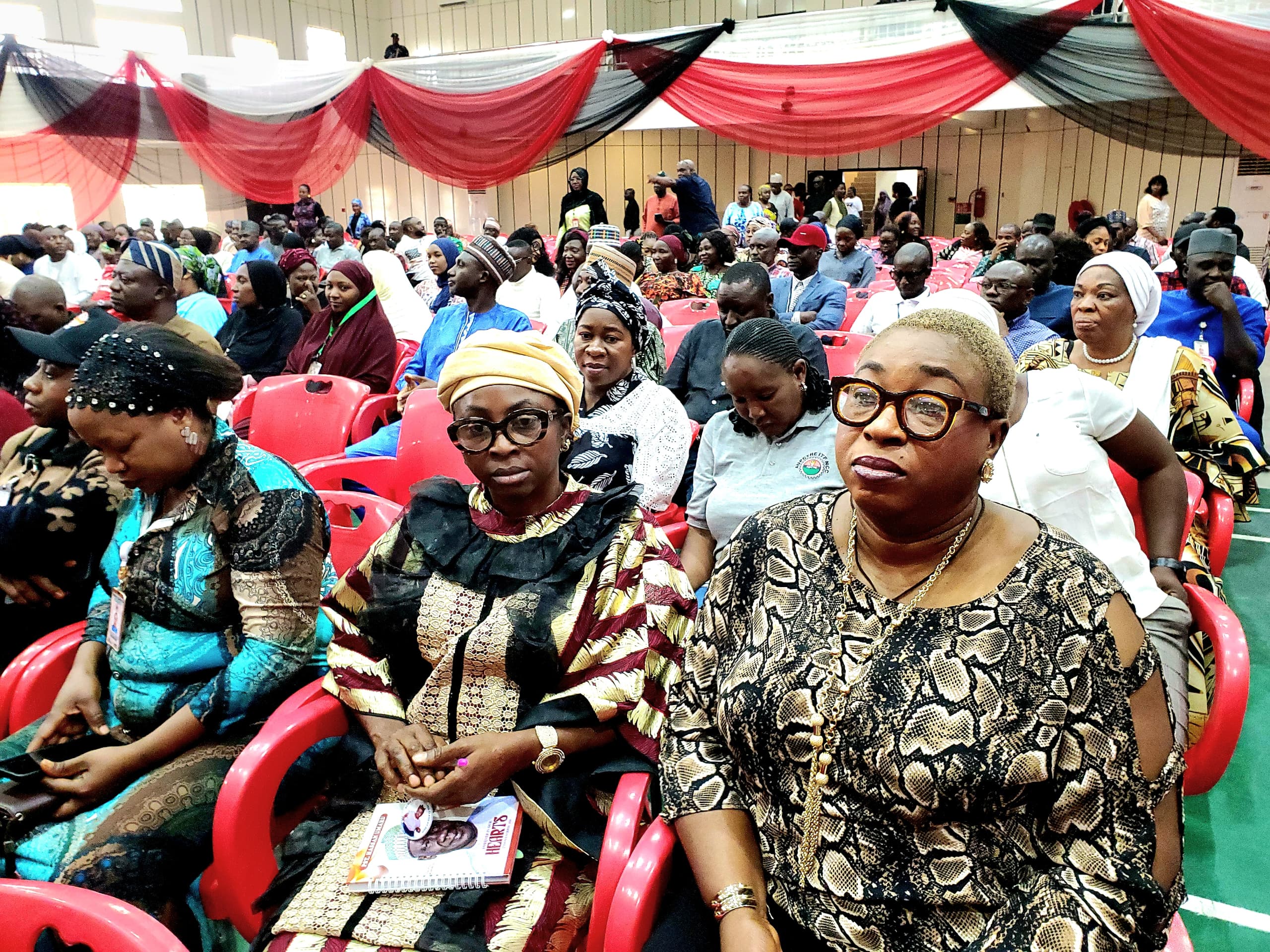
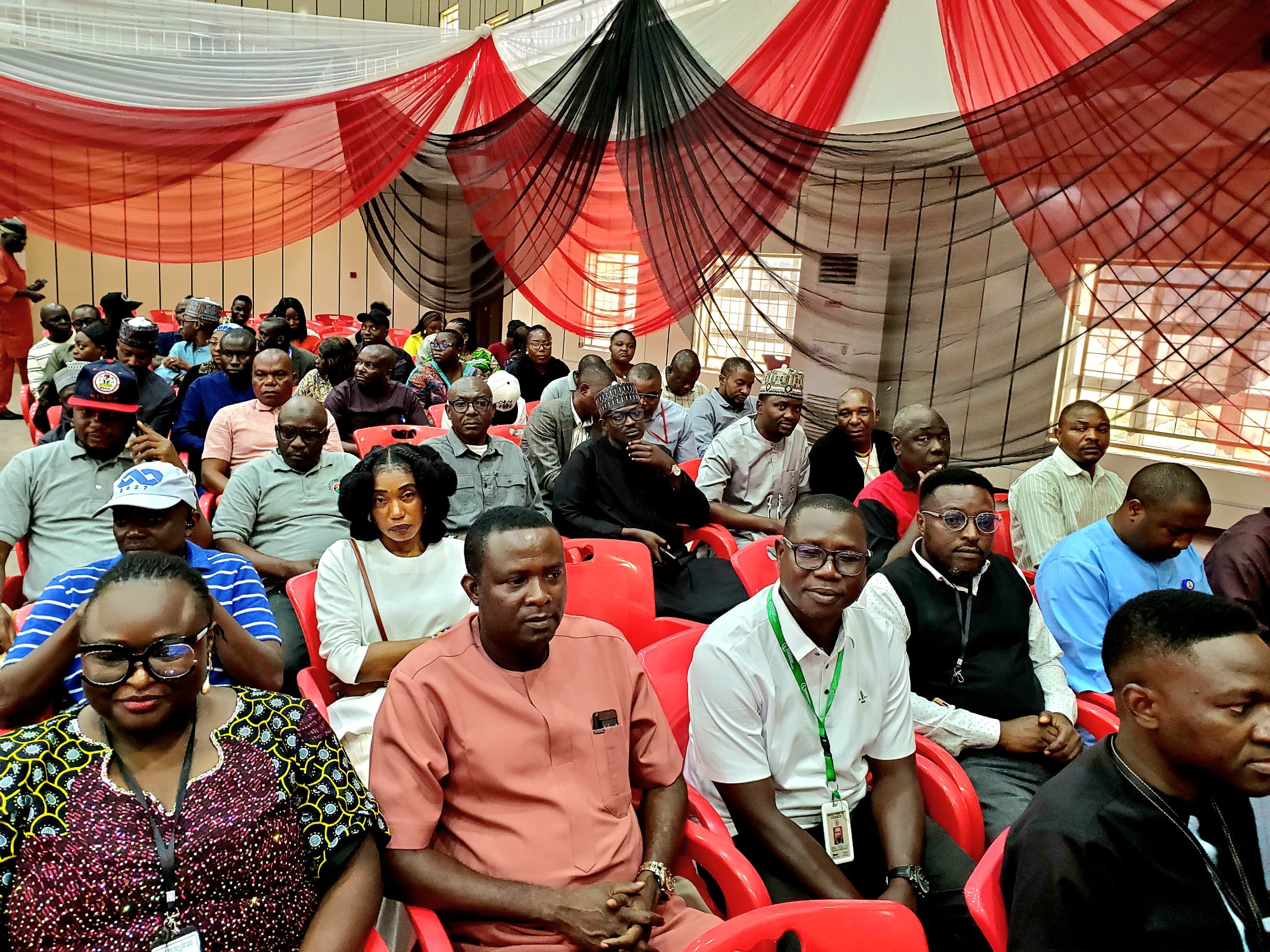
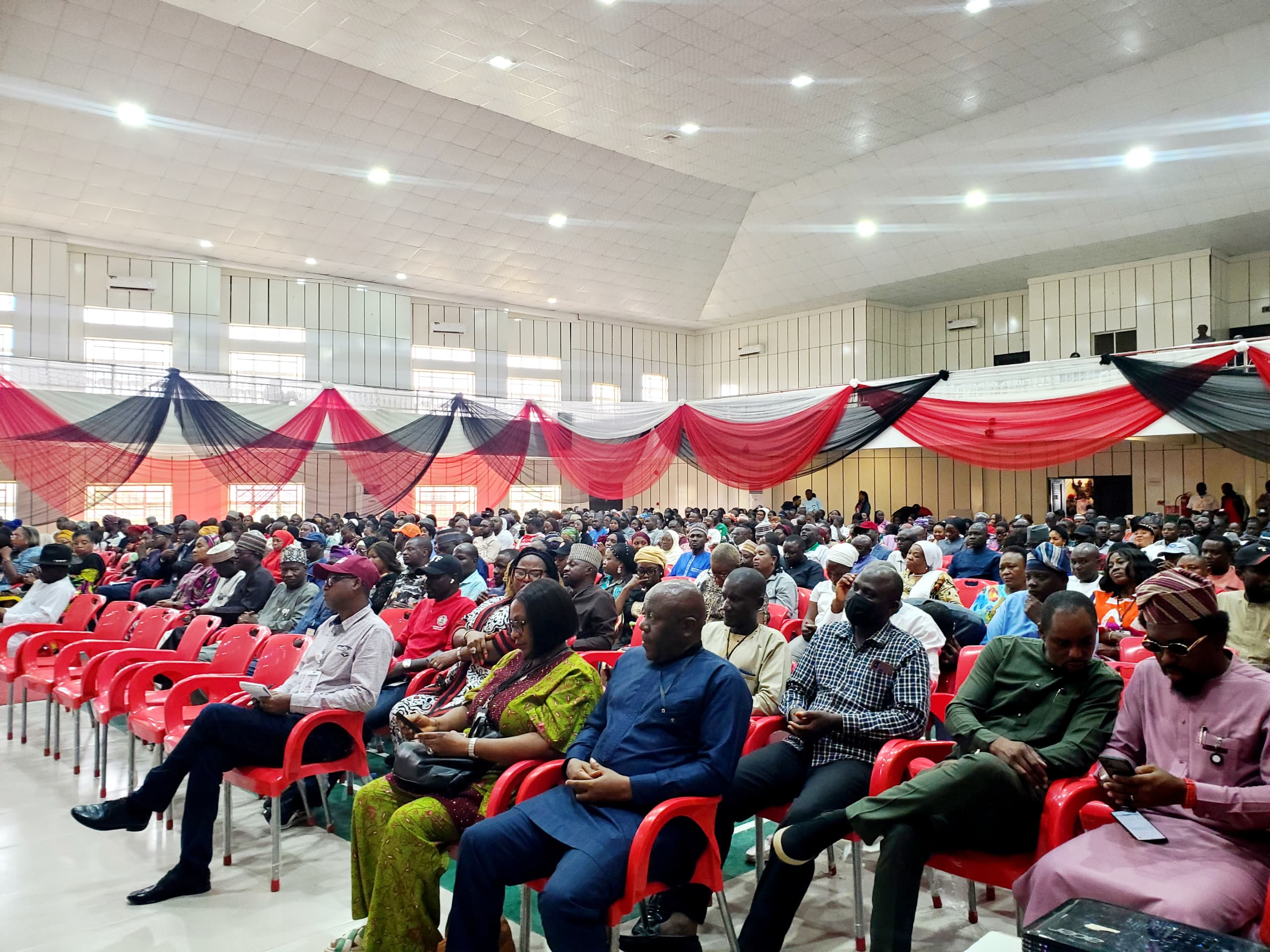
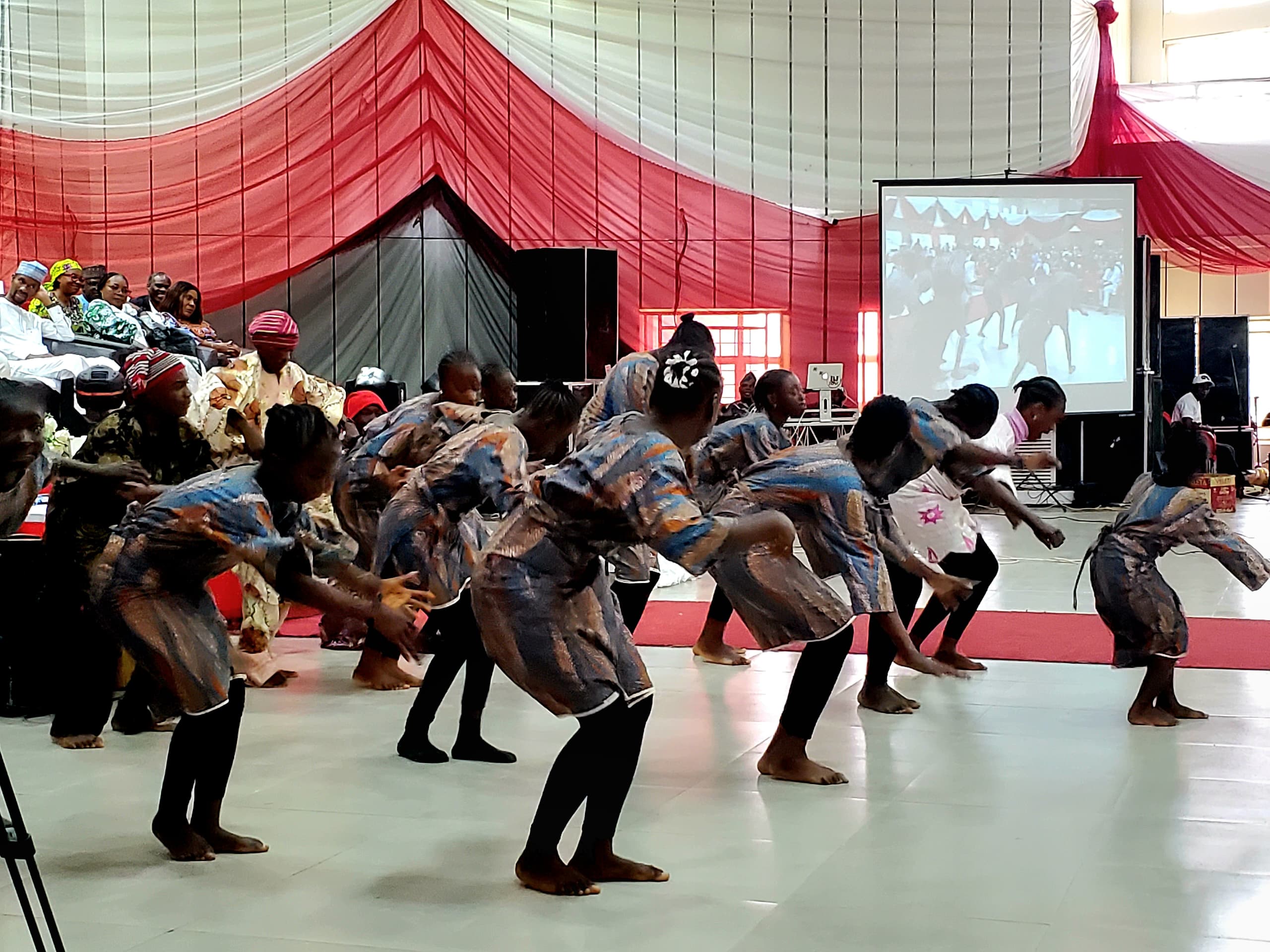
The Industrial Training Fund, ITF, is positioning itself to play a bigger role in tackling unemployment and converting Nigeria’s growing population into productive human capital through skills development and vocational training.
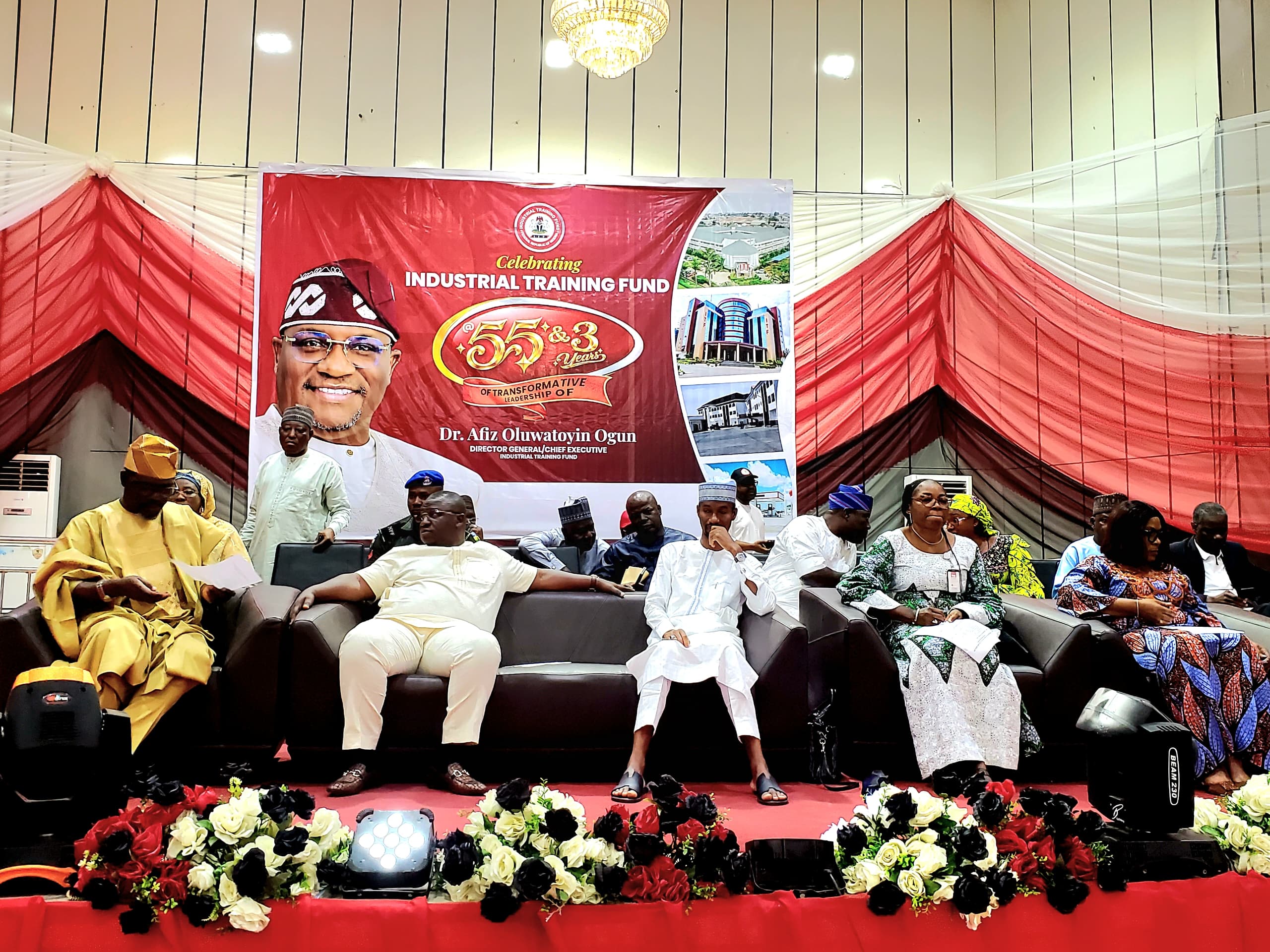
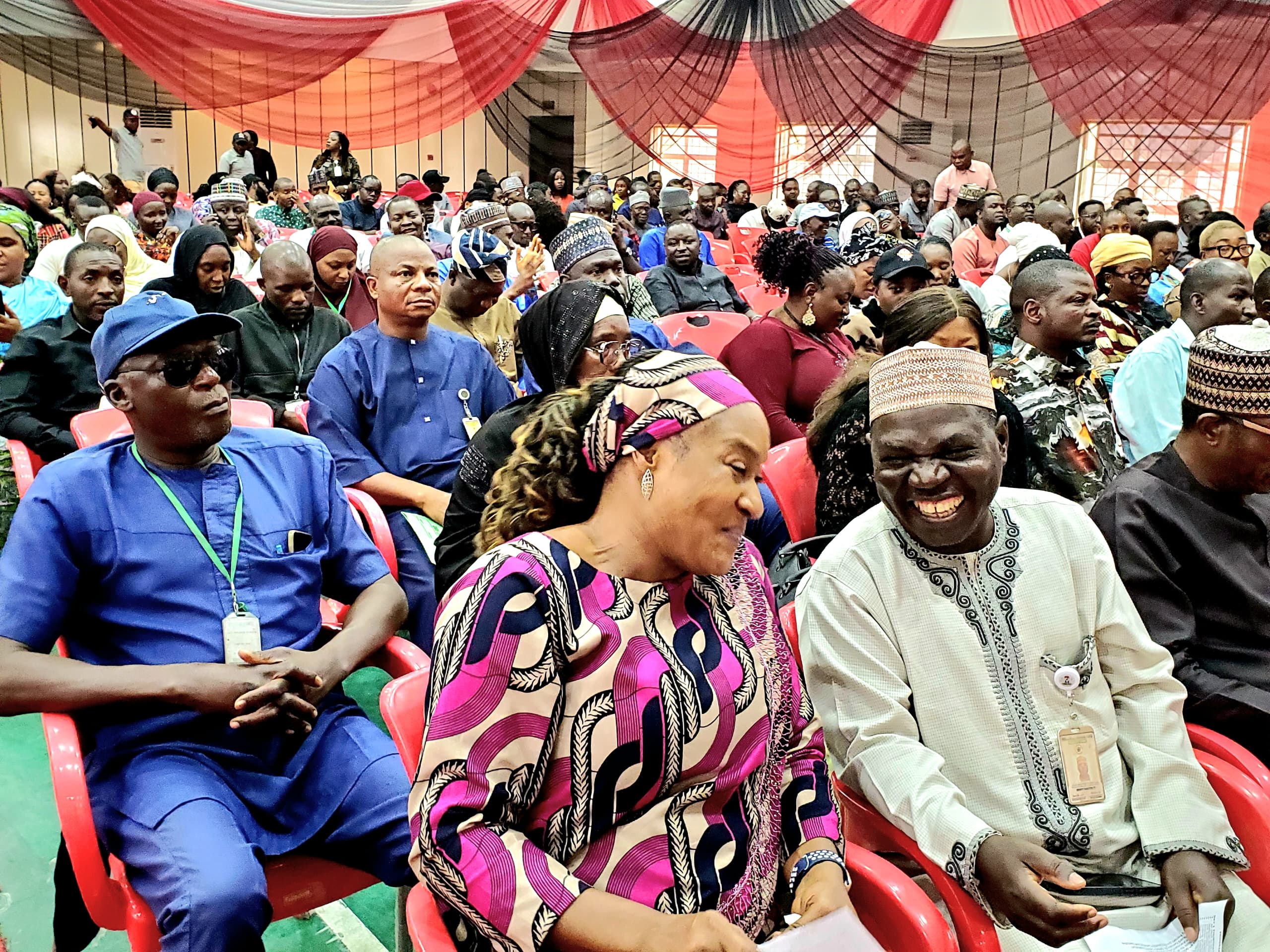
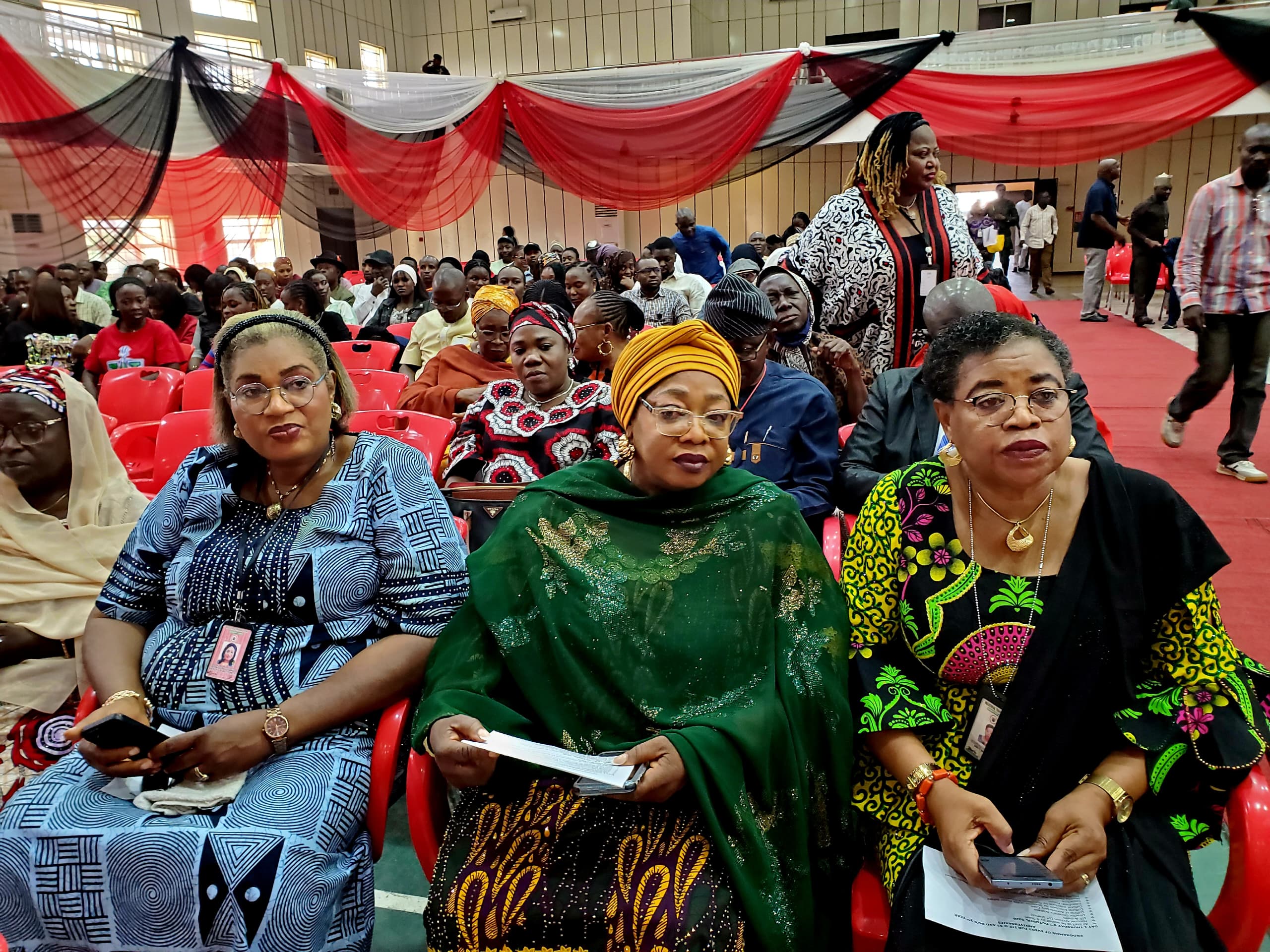
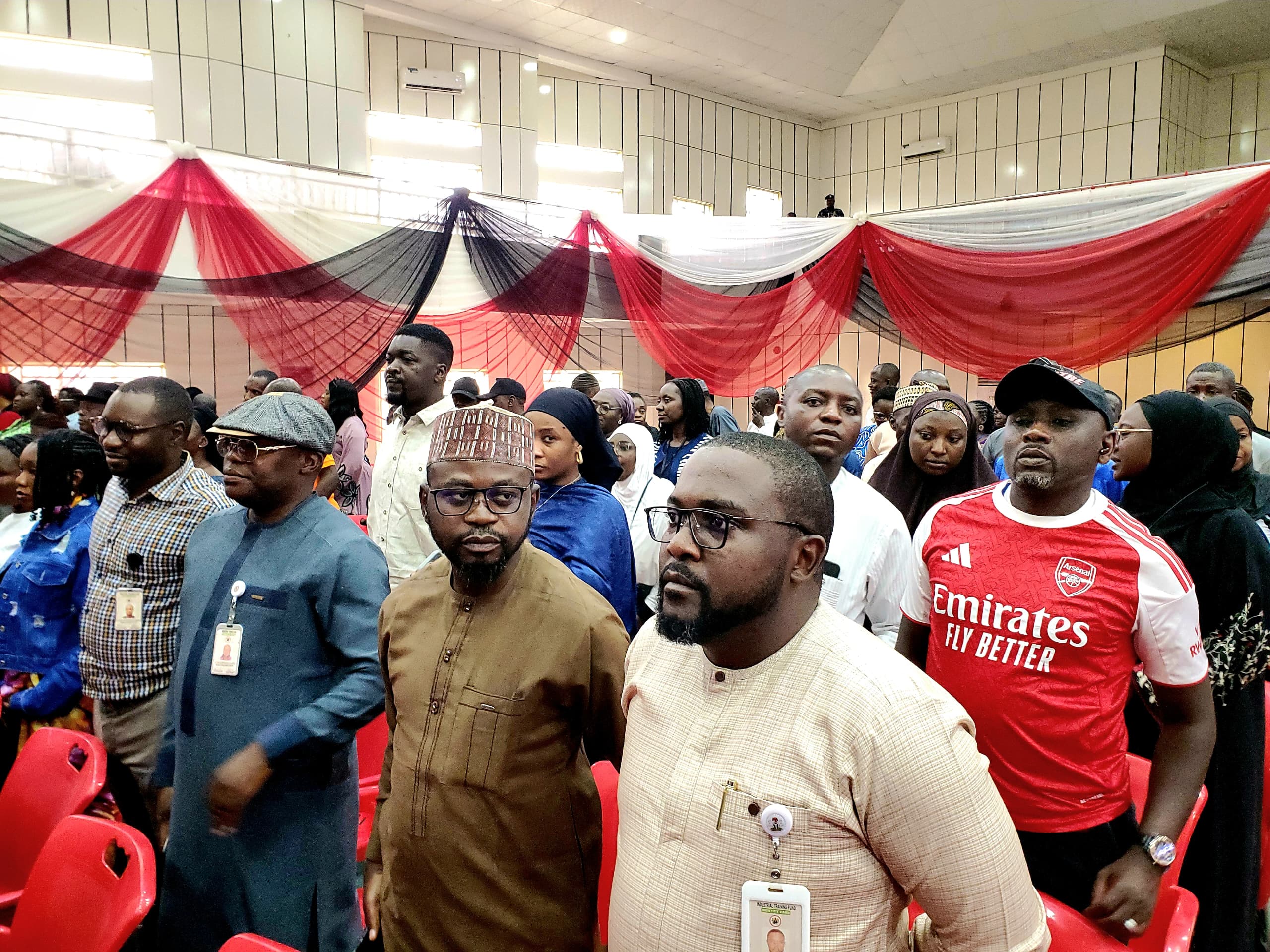
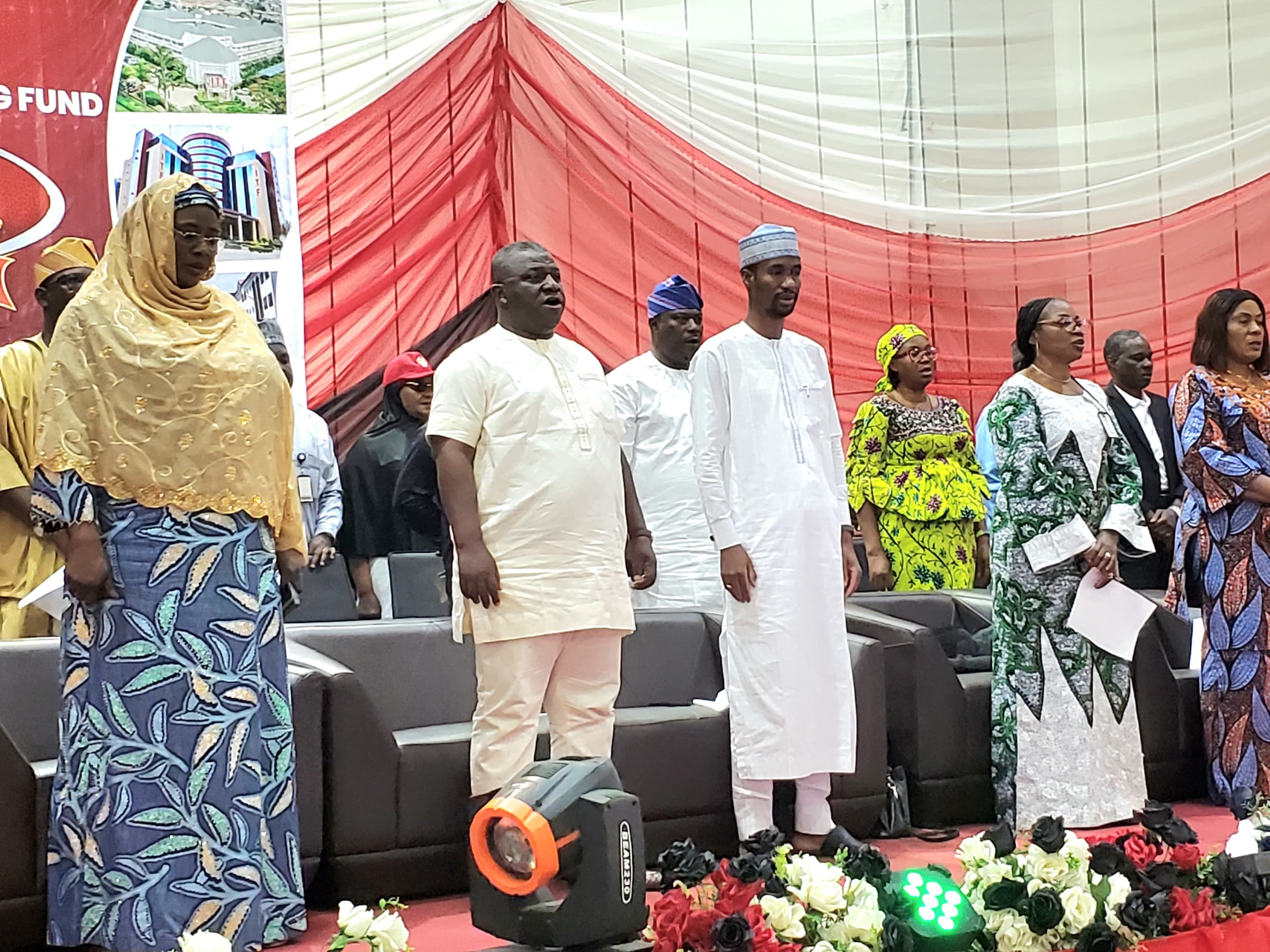
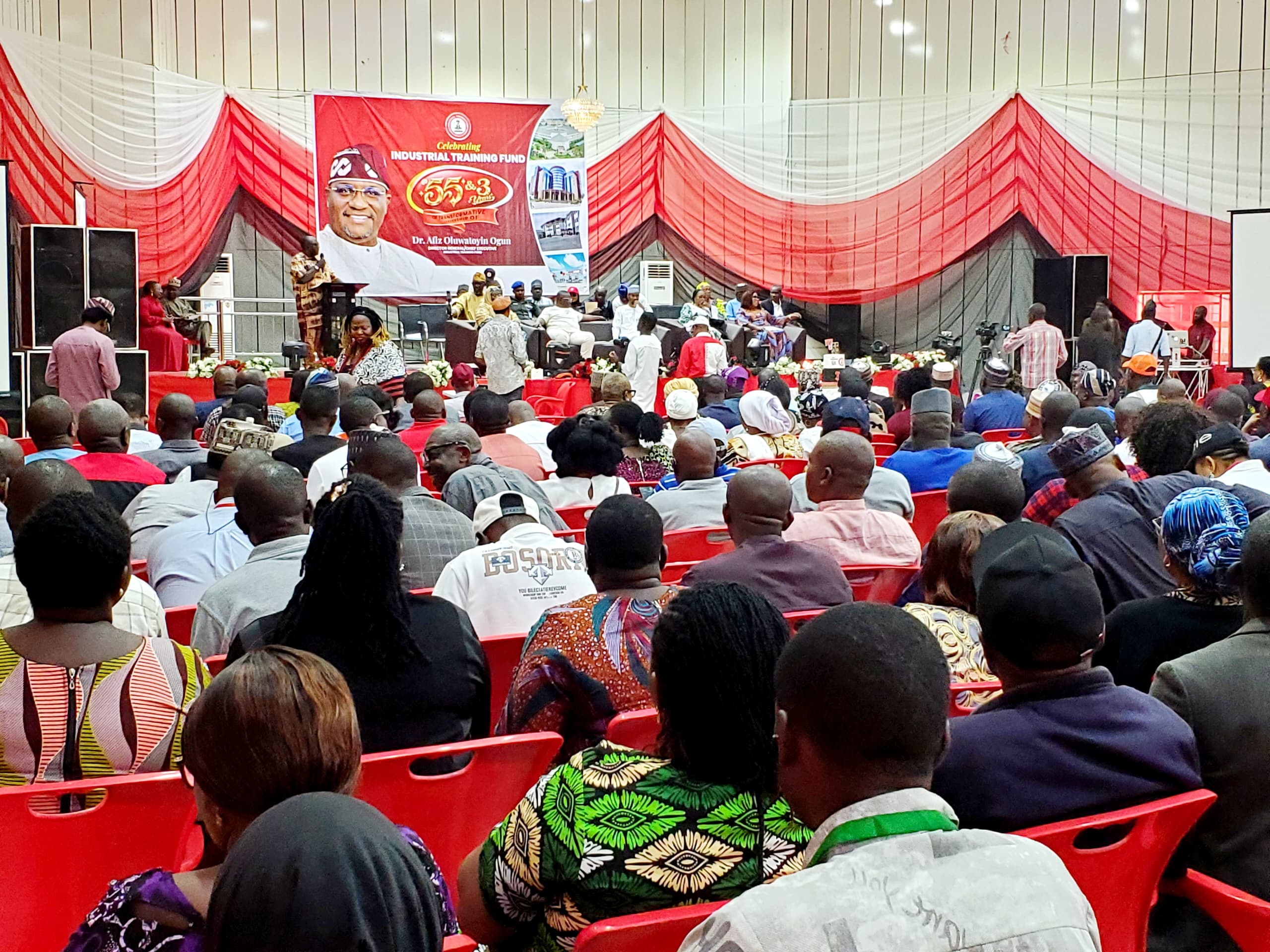
This was the central message at the Fund’s 55th anniversary celebration and the third anniversary of its Director-General and Chief Executive, Dr Afiz Oluwatoyin Ogun, held at the ITF headquarters in Jos, Plateau State.
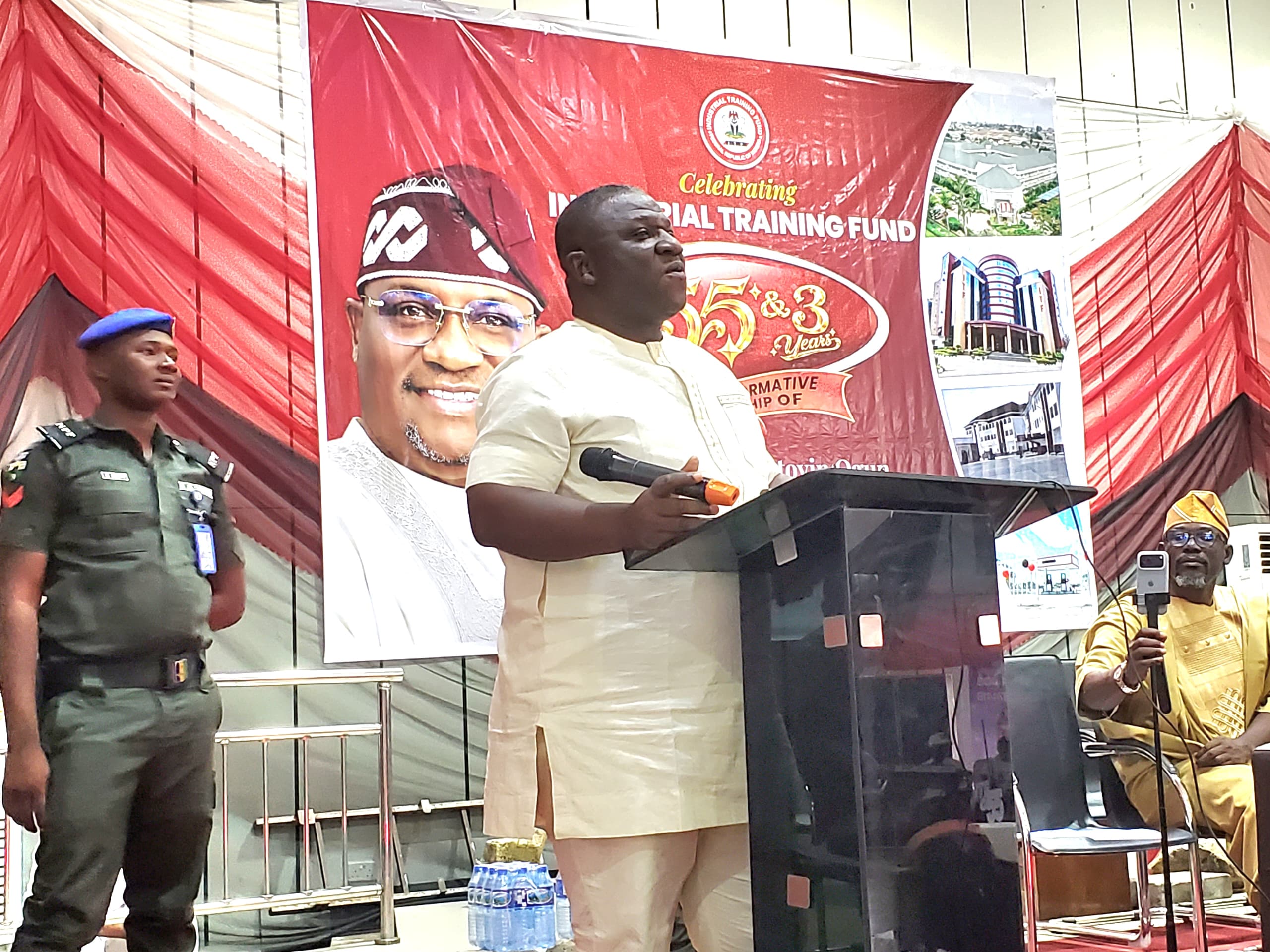
Ogun said his administration had in the last three years expanded the Fund’s reach, strengthened partnerships, introduced global standards in skills certification and accelerated digital transformation.
A major focus, he said, was the Skill-Up Artisans, SUPA, programme, which has trained hundreds of thousands of artisans, with another 200,000 targeted for training in 2026.
He added that over 7,000 artisans had undergone international certification examinations, while 1,308 training centres were assessed and 776 approved to provide quality vocational and technical training.
“Perhaps one of our most significant achievements is the positioning of Nigeria on the global skills map through the establishment of the WorldSkills Academy in Abuja and Nigeria’s admission as the 83rd member of WorldSkills International,” Ogun said.
He also listed staff welfare, infrastructure development and digitalisation among the administration’s achievements, including a 47,600-litre fuel station at the Jos headquarters, staff fuel-card scheme and the renovation and development of skills training facilities.
Ogun said his ambition was to build an ITF that would compete favourably with leading learning and development institutions globally.
“Personally, I want to see an ITF known across borders as the leading learning and development agency Nigerians can depend on to develop the national economy,” he said.
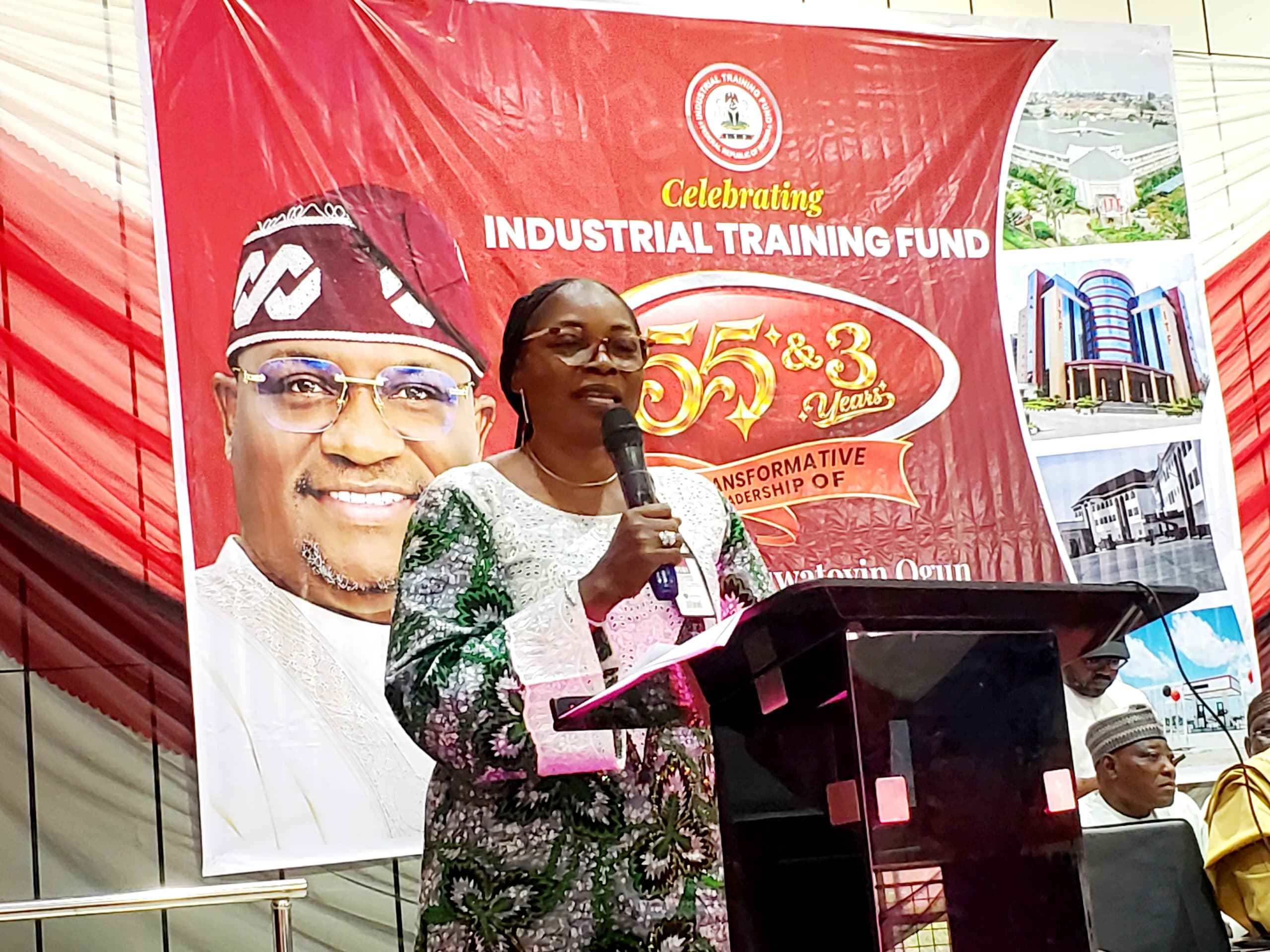
Also speaking, the Director of Standardisation, Certification and Compliance, Mrs Olayinka Sodunke, said the Fund’s transformation was creating new opportunities for Nigerians, particularly through practical skills and vocational education.
Sodunke described the Jos Model Skills Academy as a major achievement and said similar initiatives would be replicated in Lagos, the South-East and the Far North. “Skills is the currency of the 21st century,” she said.
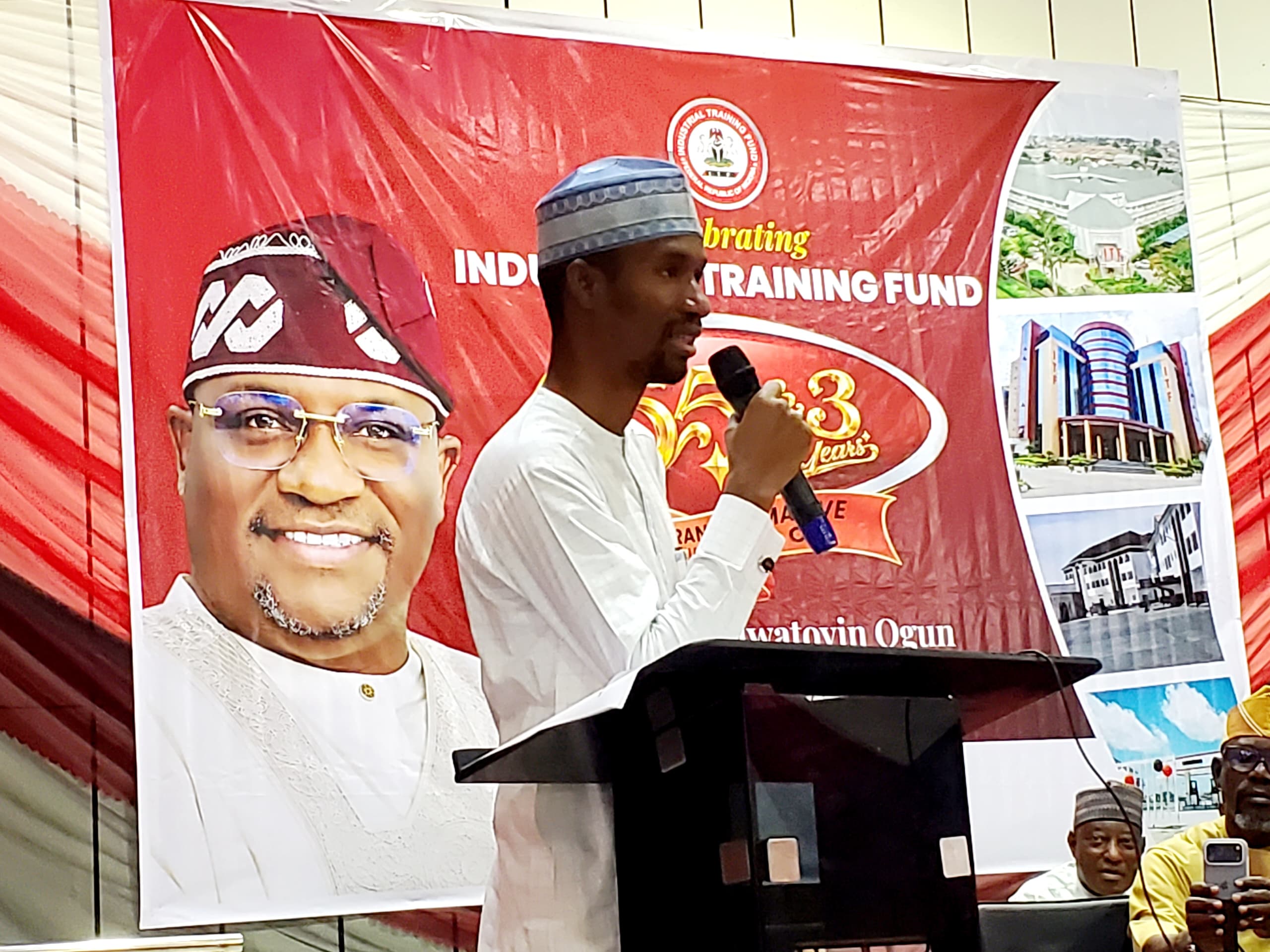
The Managing Director and Chief Executive Officer of the Oil and Gas Free Zone Authority, Alhaji Bamanga Usman Jada, also commended Ogun’s developmental strides, saying Nigeria’s population could become a major economic asset if properly equipped with skills.
“There is a difference between population and human capital. It is ideas that will help to convert our population into human capital,” Jada said, urging the ITF to sustain its transformation and strengthen the skilled workforce needed to drive Nigeria’s industrial growth.