A media advocacy group, Media for Peace Advocates, has defended the Plateau State Commissioner for Information and Communication, Rt. Hon. Joyce Ramnap, against allegations that some publishers were deliberately excluded from covering the groundbreaking ceremony of the state’s ultra-modern abattoir project in Heipang, Barkin Ladi Local Government Area.
In a statement titled “When Trust Breaks: Plateau Publishers Pass Vote of No Confidence on Commissioner Joyce Ramnap — The Facts of the Heipang Abattoir Groundbreaking,” the group said recent publications on the matter failed to present the full circumstances surrounding the incident.
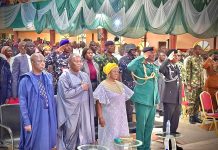
According to the group, the groundbreaking ceremony was a major state event attended by Governor Caleb Mutfwang, the Minister of Livestock Development, and other dignitaries, requiring extensive media coverage.
The group explained that transportation for journalists was arranged through two buses provided by the Ministry of Information and Communication, but the number of media practitioners who arrived at the departure point exceeded the available seating capacity.
It stated that the situation created an unexpected logistical challenge, forcing organizers to make decisions aimed at ensuring effective coverage of the event.
According to the statement, broadcast media organizations were given priority because of the need to transport technical equipment and personnel required for live radio and television transmissions.
“Broadcast media organizations were prioritized because they typically deploy larger crews and transport technical equipment required for radio and television live transmissions,” the group stated.
It added that scheduled live broadcasts had already secured airtime slots, making it necessary for the required personnel and equipment to arrive at the venue on time.
The group maintained that the decision was not intended to diminish the importance of any media platform but was strictly an operational measure.
“This was not a judgment on the importance of any media platform. It was simply an operational decision aimed at ensuring that audio, video, and live reporting capabilities were available at the venue,” the statement noted.
Media for Peace Advocates further said several print journalists and representatives of non-broadcast media organizations were accommodated on the buses and attended the ceremony.
It also claimed that journalists who could not be accommodated were not denied support, as arrangements were made for all accredited correspondents to receive the same honorarium and logistical benefits.
“Arrangements were made for all accredited correspondents to receive the same honorarium and logistical support regardless of whether they eventually travelled to the venue,” the group stated.
The advocacy group argued that the circumstances did not support allegations of deliberate exclusion, describing the incident as a transportation limitation resulting from a larger-than-expected turnout of journalists.
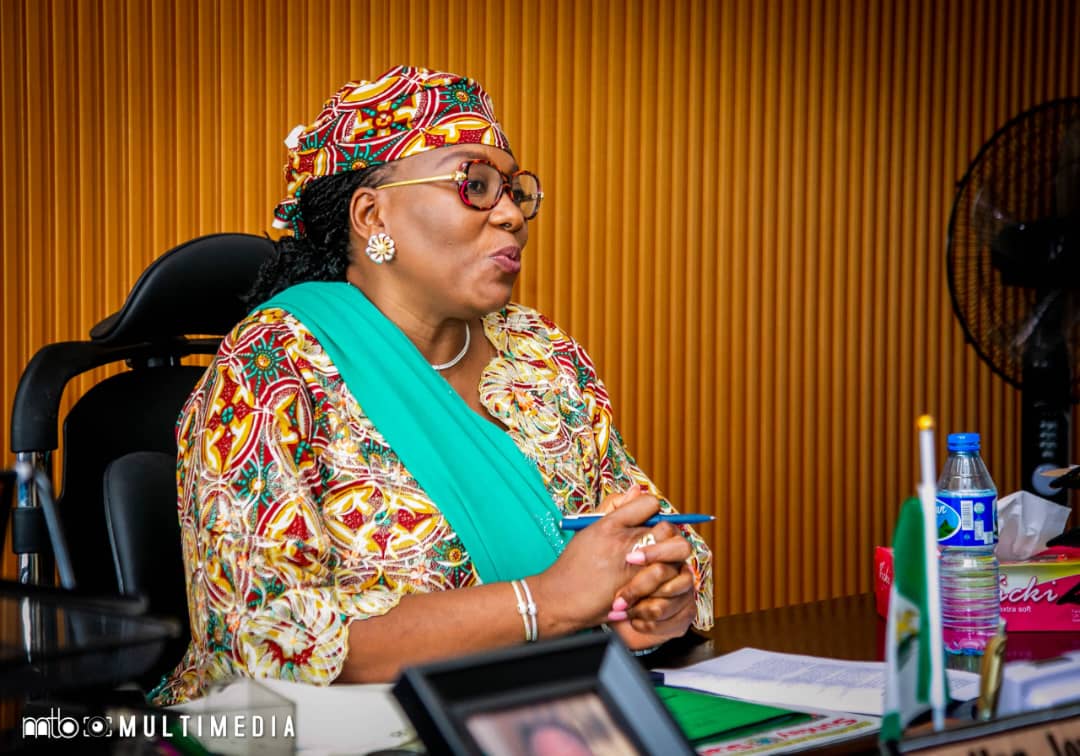
The statement also praised Commissioner Ramnap’s relationship with media practitioners, noting that she has maintained what it described as an open-door policy with journalists, publishers, broadcasters, and other stakeholders since assuming office.
While calling for dialogue and mutual understanding among stakeholders, the group stressed that the relationship between government and the media should not be defined by a single logistical challenge, urging all parties to focus on collaboration in the public interest.