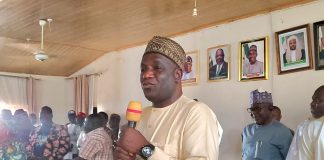
The Berom in Diaspora Coalition (BDC), alongside key Berom socio-cultural organisations, has raised fresh alarm over what it described as a “prolonged genocide” against the Berom people in Plateau State.
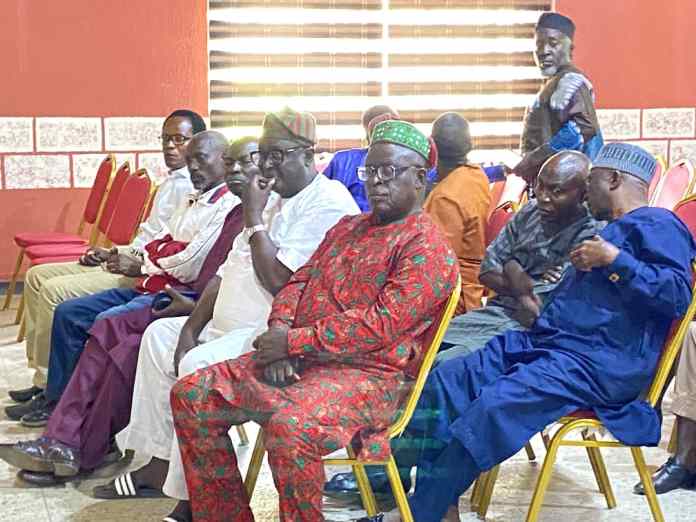
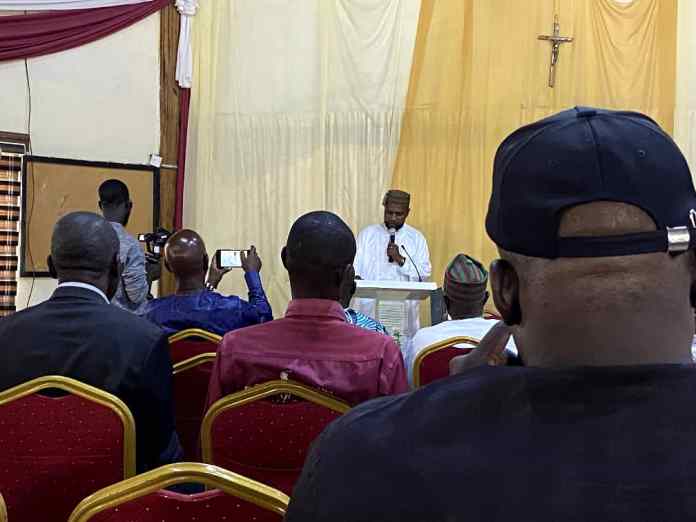
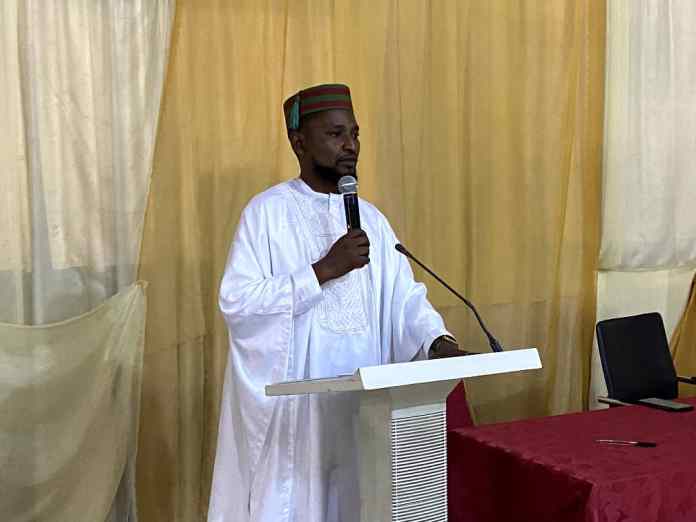
The coalition made the appeal during a world press conference held on Wednesday, November 12, 2025, at the Bishop’s Court Conference Hall in Jos, with members joining virtually from across the globe.
Representatives of BECO, BYM, BEWDA, and BEC were present at the briefing, where Barry Barnabas Dazih delivered the statement on behalf of the diaspora community.
“These attacks, which began in 2001, have seen homes razed, farmlands destroyed, and entire villages taken over by Fulani militias,” the statement read. “What we are witnessing is not random violence—it is a systematic attempt to exterminate the Berom people and occupy their lands.”
The BDC lamented that over 10,000 Berom people have been killed since 2001, with 151 communities displaced across Barkin Ladi, Riyom, Jos South, Jos North, and nearby LGAs such as Mangu, Bassa, and Bokkos.
The coalition also recalled major incidents such as the 2010 Dogo Na Hauwa massacre and the 2001 Nding attack in Fan District, describing them as part of a long pattern of targeted violence.
“The natural resources and fertile lands of the Plateau have made Berom territory a target of envy and aggression,” the group stated. “Entire settlements in Riyom and Barkin Ladi have been taken over, renamed, and occupied by Fulani militias without government intervention.”
The coalition raised concerns over alleged threats to the lives of three activists — Rev. Ezekiel Dachomo, journalist Masara Kim, and Barr. Dalyop Solomon Mwantiri — linking the threats to their advocacy on widespread killings in the Middle Belt.
The BDC further listed communities it claimed had been turned into strongholds by armed groups and urged governments at all levels to strengthen security in these areas.
“Our leaders are busy playing politics over corpses,” the statement read. “Nigeria does not rehabilitate victims—it rehabilitates killers. It empowers warlords instead of comforting widows.”
The coalition issued a nine-point demand to both the Nigerian government and international bodies, including the declaration of Fulani militants as terrorists, recovery of occupied lands, prosecution of perpetrators, and humanitarian support for displaced families.
It concluded by calling for unity across Nigeria, insisting that justice for the Berom people is part of a wider national struggle against selective justice and unchecked violence.