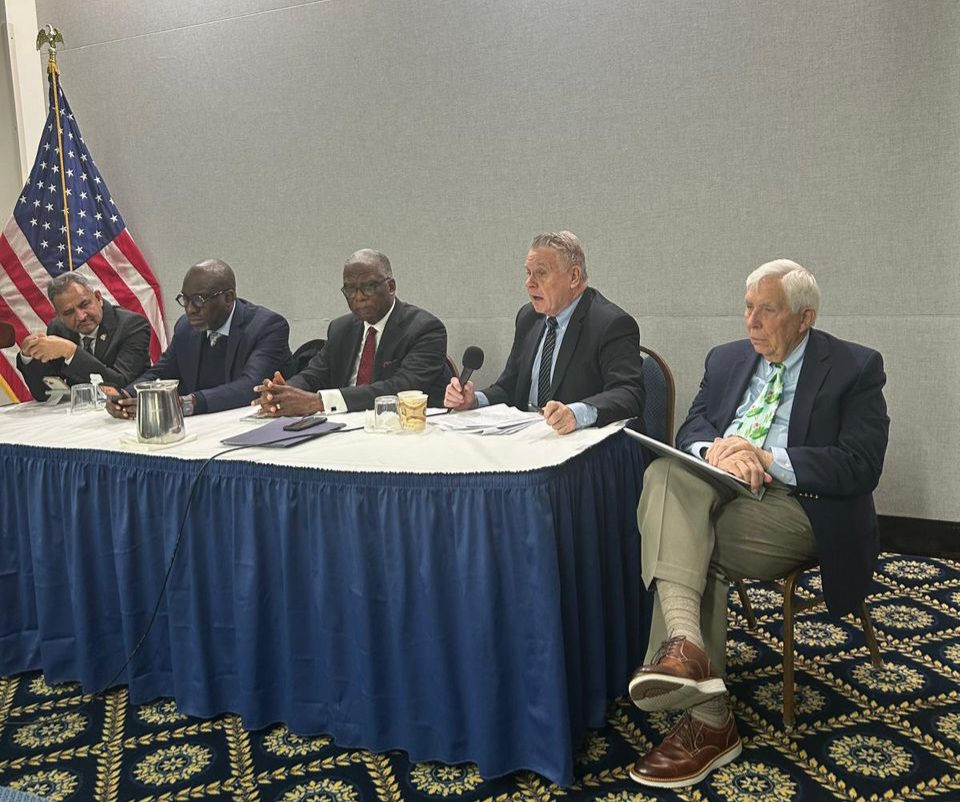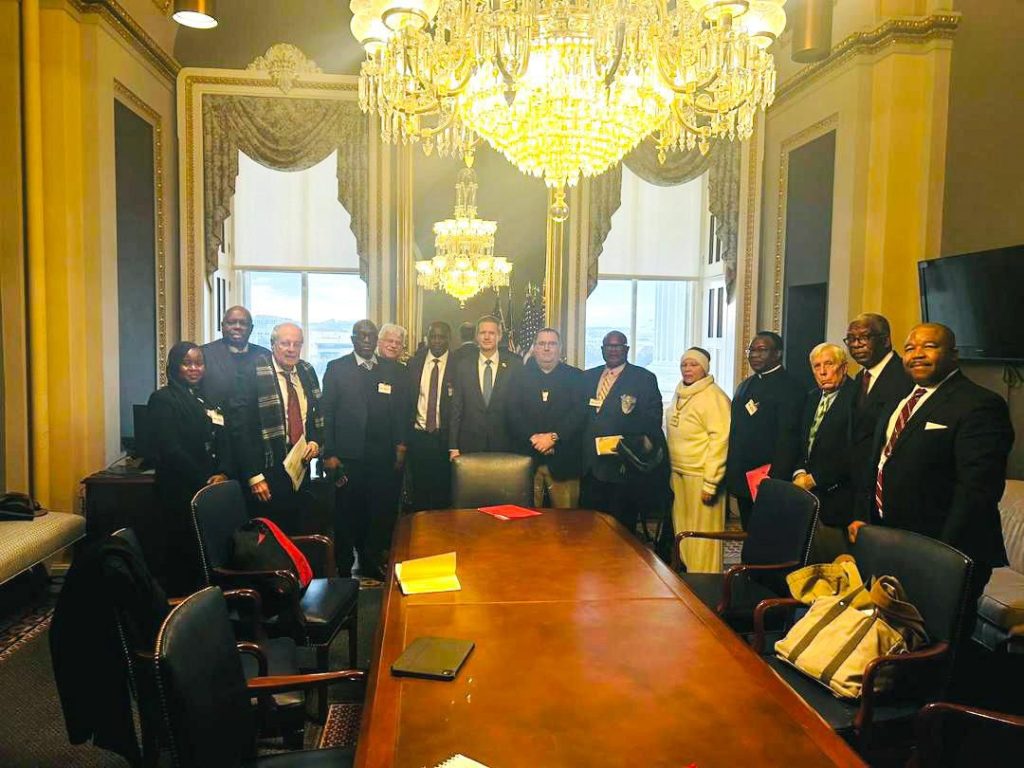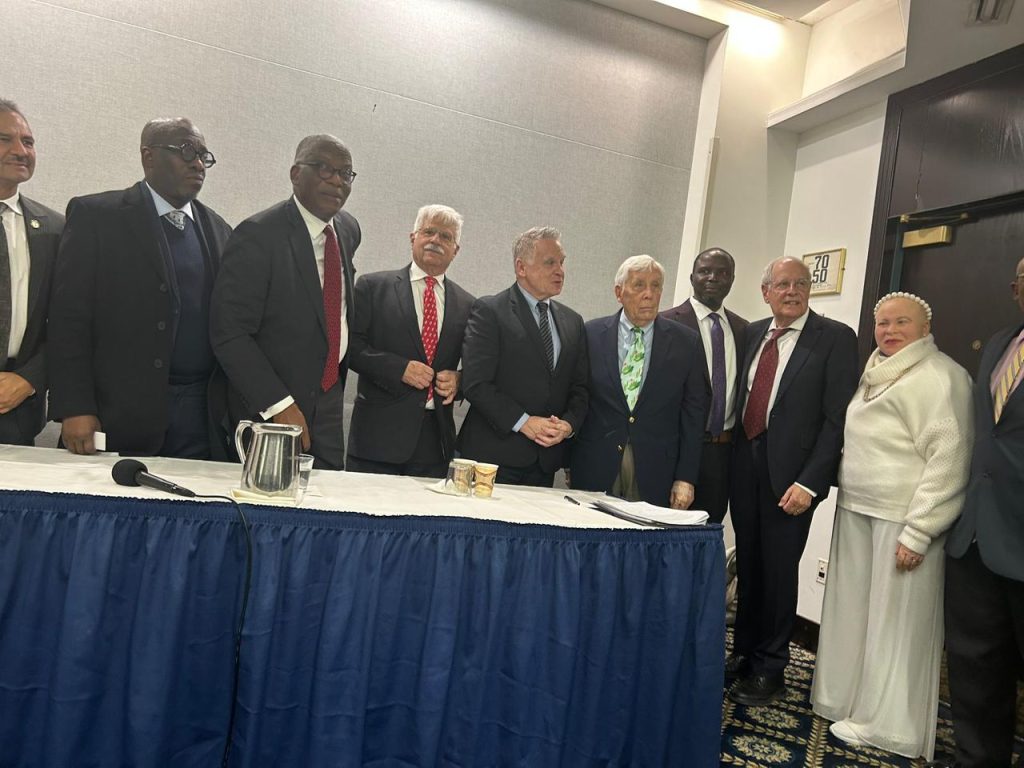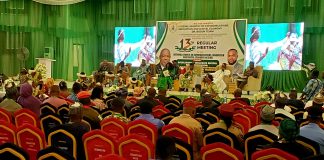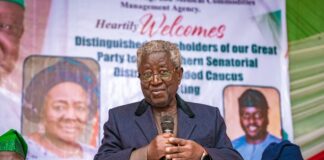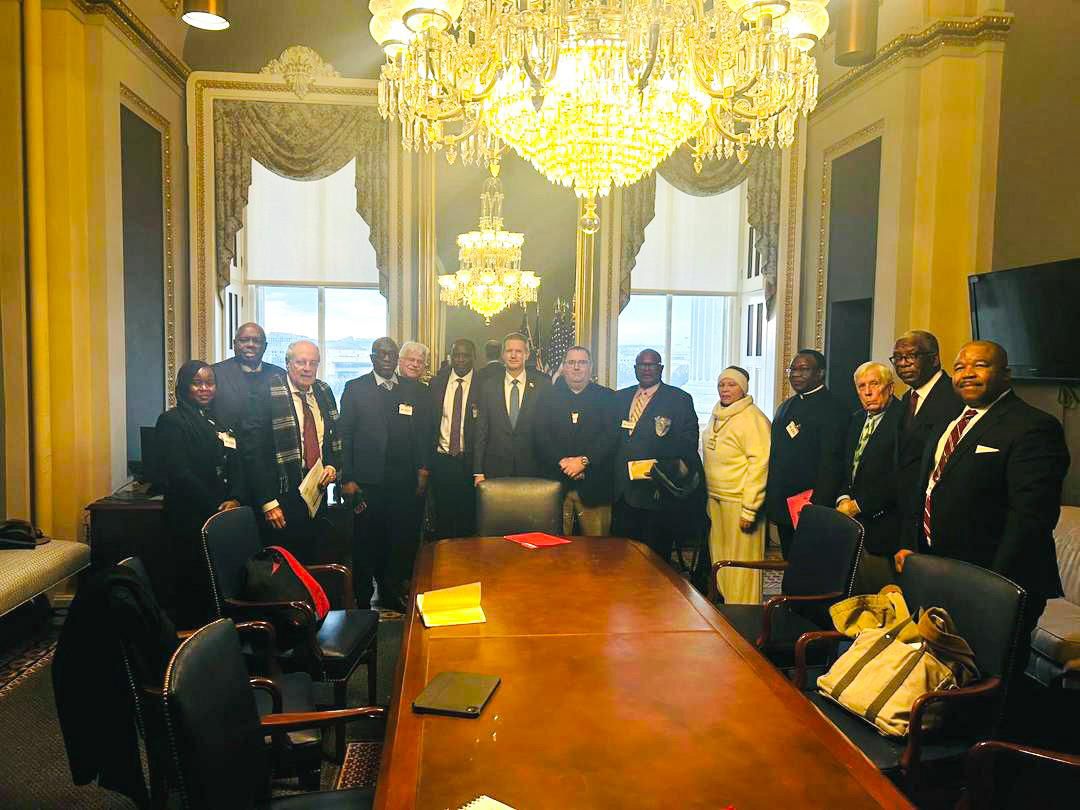
Otunba Segun Showunmi, Convener of The Alternative, has raised strong concerns over Nigeria’s worsening security and humanitarian situation following a high-level engagement with a senior U.S. congressional figure directly involved in shaping America’s policy toward Nigeria.
In an internal briefing note, Showunmi disclosed that the United States now views Nigeria’s internal crisis with unprecedented seriousness, describing Washington’s posture as “firm, focused, and deeply concerned.”
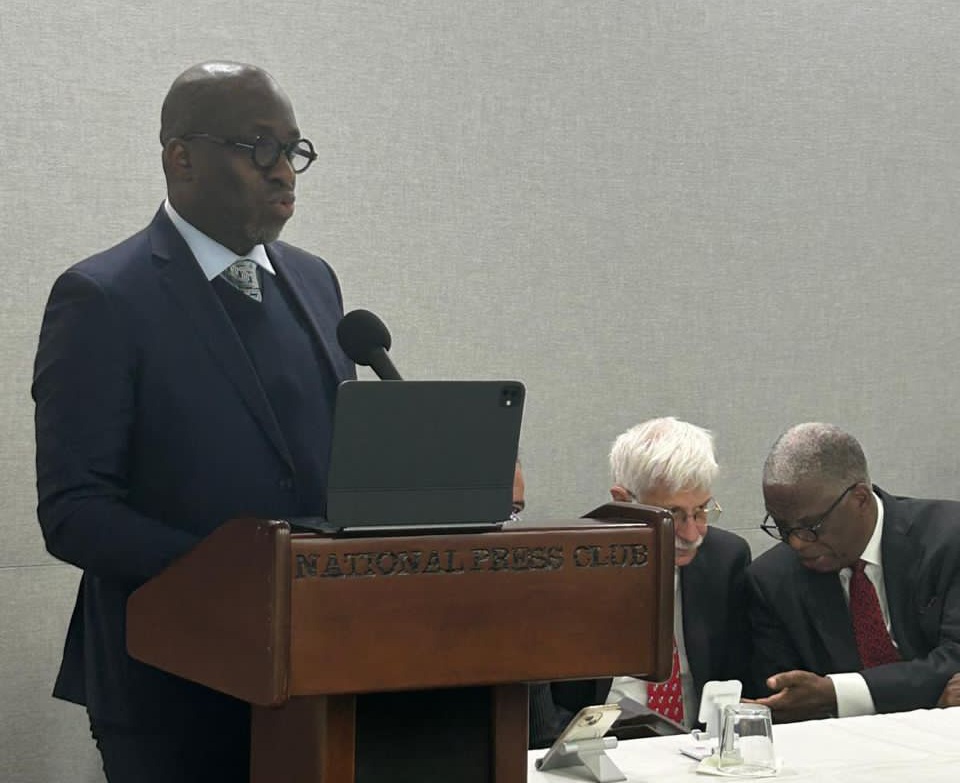
According to Showunmi, American authorities have conducted extensive consultations with government and civil society stakeholders both in Washington and in Nigeria. Their conclusion, he said, is that the situation in several regions—particularly Benue, Plateau, Southern Kaduna, the Middle Belt, and among moderate Muslim communities in the North—has escalated beyond normal security concerns.
He stated that the humanitarian impact of the violence has drawn significant global attention, with the U.S. no longer treating the matter as a political dispute but as a “structural crisis with far-reaching implications.”
Showunmi noted that the United States is willing to support Nigeria but expects the government to demonstrate sincerity and seriousness in addressing the crisis.
“They are not interested in political spin, denial, or internal blame-shifting,” he said, adding that Washington wants to see decisive action taken domestically.
He expressed concern that the Nigerian presidency may be underestimating the gravity of the situation, warning that current approaches are insufficient and could further widen the credibility gap between government messaging and the lived reality of citizens.
Showunmi stressed that the international community is increasingly aware of inconsistencies in Nigeria’s communication, noting that the real danger is “Nigeria losing control of its own narrative.”
The briefing also highlighted internal factors undermining national credibility, including fragmented messaging, avoidance of responsibility, rising ethnic rhetoric, and inconsistent communication. These issues, Showunmi warned, are eroding public trust and weakening Nigeria’s standing before the international community.
Showunmi urged the government to urgently recalibrate its communication strategy by adopting unified national messaging, acknowledging the crisis transparently, articulating a clear strategy, and reducing internal political noise. This, he said, is crucial to prevent misinformation from shaping foreign perceptions of Nigeria.
“If we lose control of the narrative and the reality on the ground continues to deteriorate, external actors will define the Nigerian situation for us,” he cautioned.
While expressing confidence in divine protection over the nation, Showunmi emphasized that faith must be matched with responsibility.
“This moment is more consequential than many realize,” he warned.
He called for clarity, unity, and decisive action in confronting Nigeria’s security and humanitarian challenges.