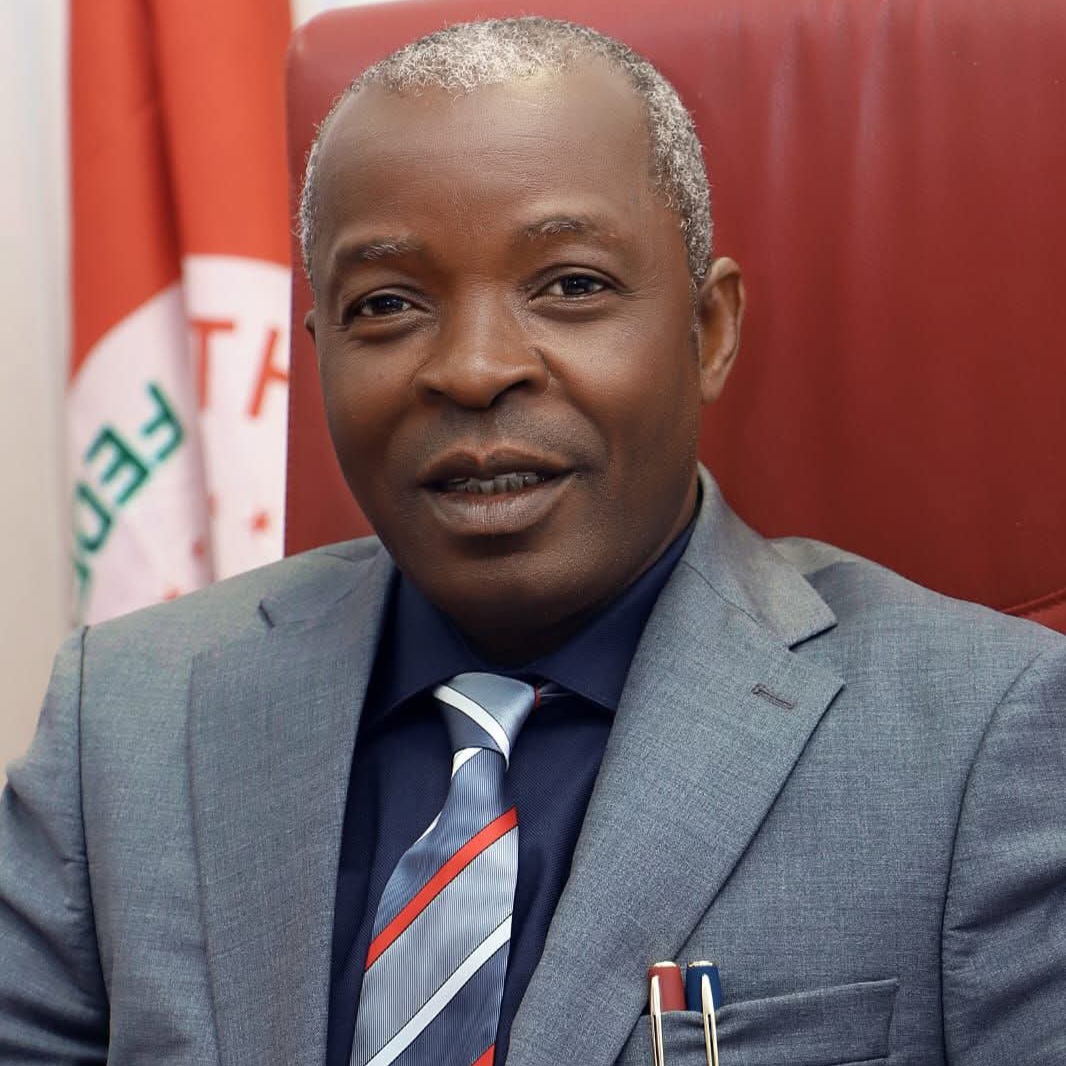
Senator Pam Mwadkon Dachungyang, who represents Plateau North Senatorial District, has faulted the Director-General of the National Institute for Policy and Strategic Studies (NIPSS), Kuru, Prof. Ayo Omotayo, over his alleged reference to the attackers of the institution as “Berom militias.”
The senator described the comment as reckless and capable of creating wrong impressions about the Berom ethnic nationality, insisting that the claim was unfounded and unacceptable.
Omotayo had, during a television interview on Friday, while speaking on the recent attacks on NIPSS, identified the assailants as “Berom militias,” a statement that has continued to generate reactions across Plateau State.
Reacting in a statement on Saturday, Dachungyang said branding the Berom people with such a label amounted to maligning an entire ethnic group that has remained known for peaceful coexistence and hospitality.
He maintained that the Berom people have, over the years, demonstrated commitment to peace and have themselves borne the brunt of violent attacks across Plateau communities.
According to him, portraying the ethnic group as operating a militia not only distorts the realities of the state’s security challenges but also diminishes the suffering of victims who have lost lives and property in repeated attacks.
The senator recalled that since NIPSS was established in Kuru in 1979, the host community has maintained a cordial relationship with the institution, with no history of violent confrontation.
He noted that successive Directors-General of the institute had always acknowledged the peaceful disposition and cooperation of the Kuru community, wondering why the current DG chose to make what he described as an inflammatory assertion.
Dachungyang also dismissed any attempt to link the community’s demand for compensation over acquired land to the attacks on the institution.
He explained that discussions over compensation have remained peaceful and lawful, stressing that the issue should not be twisted into a basis for criminalising the host community.
The lawmaker urged public office holders to exercise restraint in making public statements on sensitive security issues, warning that unverified claims capable of profiling ethnic groups could deepen tension instead of promoting peace.
He reaffirmed his support for efforts to apprehend those behind the attacks on NIPSS but insisted that investigations should be evidence-based and not founded on ethnic stereotypes.