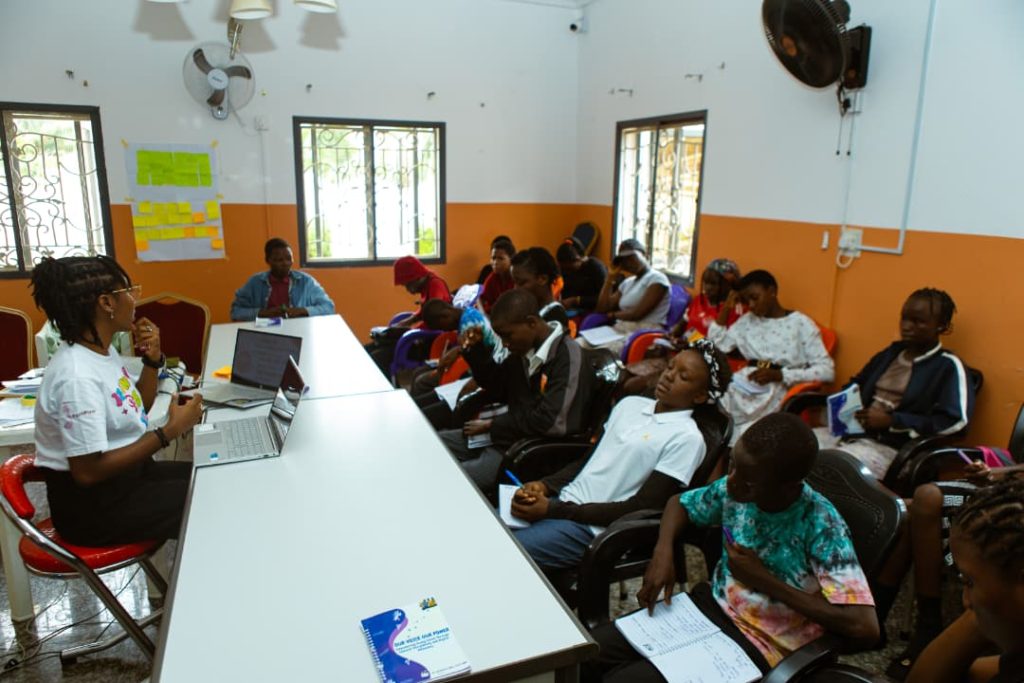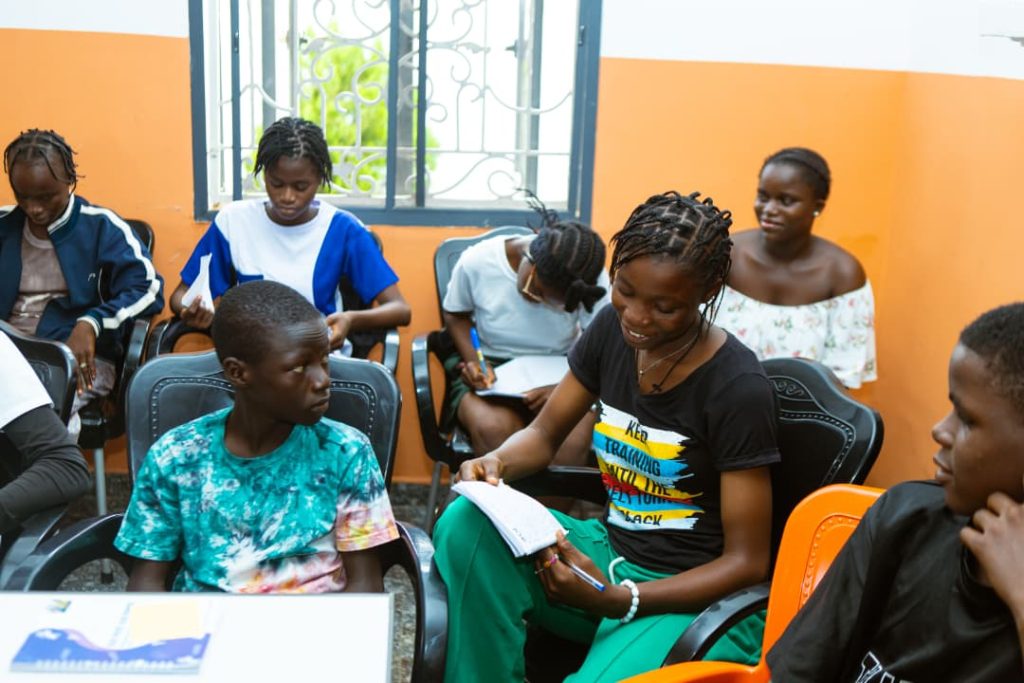
Young people in underrepresented communities and IDP camps across Abuja have participated in a gender justice initiative designed to strengthen their voices and sense of responsibility through storytelling and creative engagement.
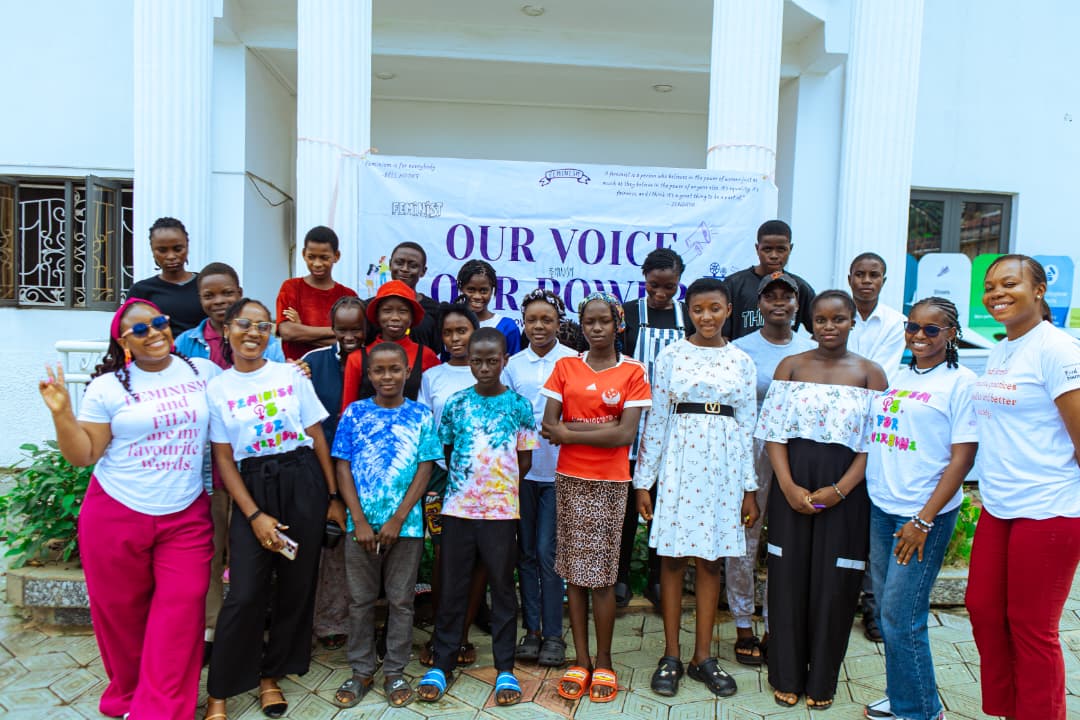
The project, titled Our Voice, Our Power, brought together adolescent girls and boys from Durumi and the New Kuchingoro IDP camp, offering them safe spaces to reflect on gender, identity, and social justice.
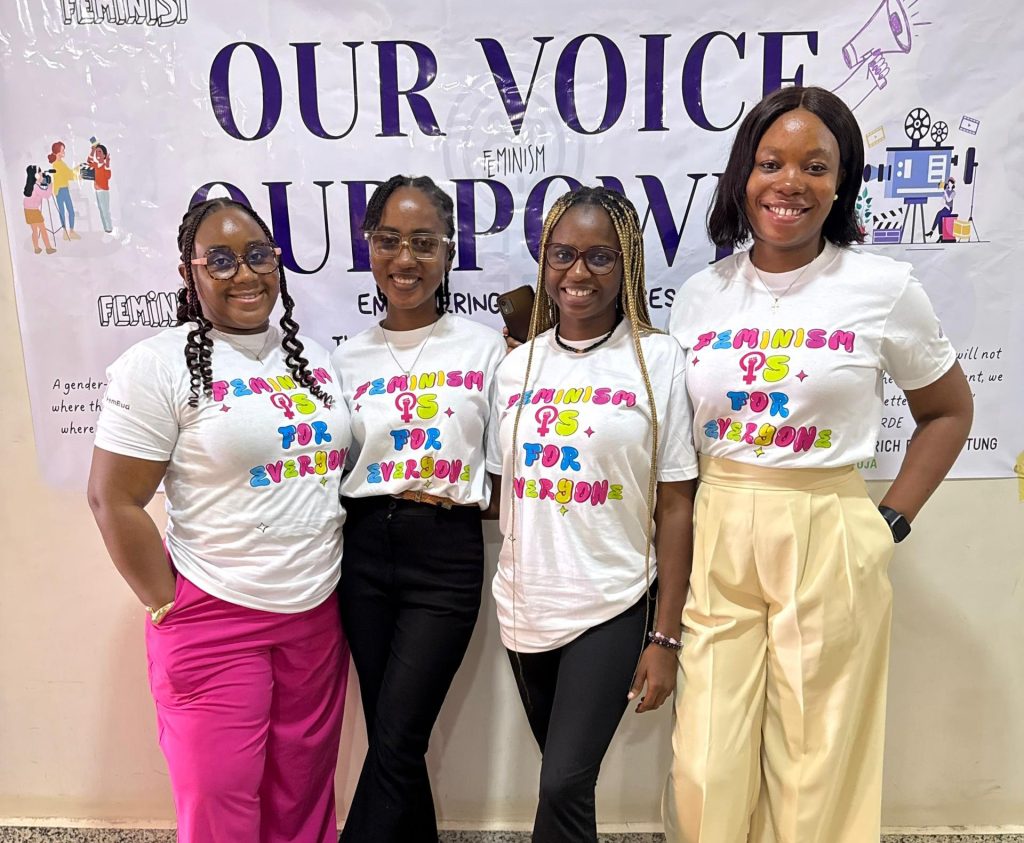
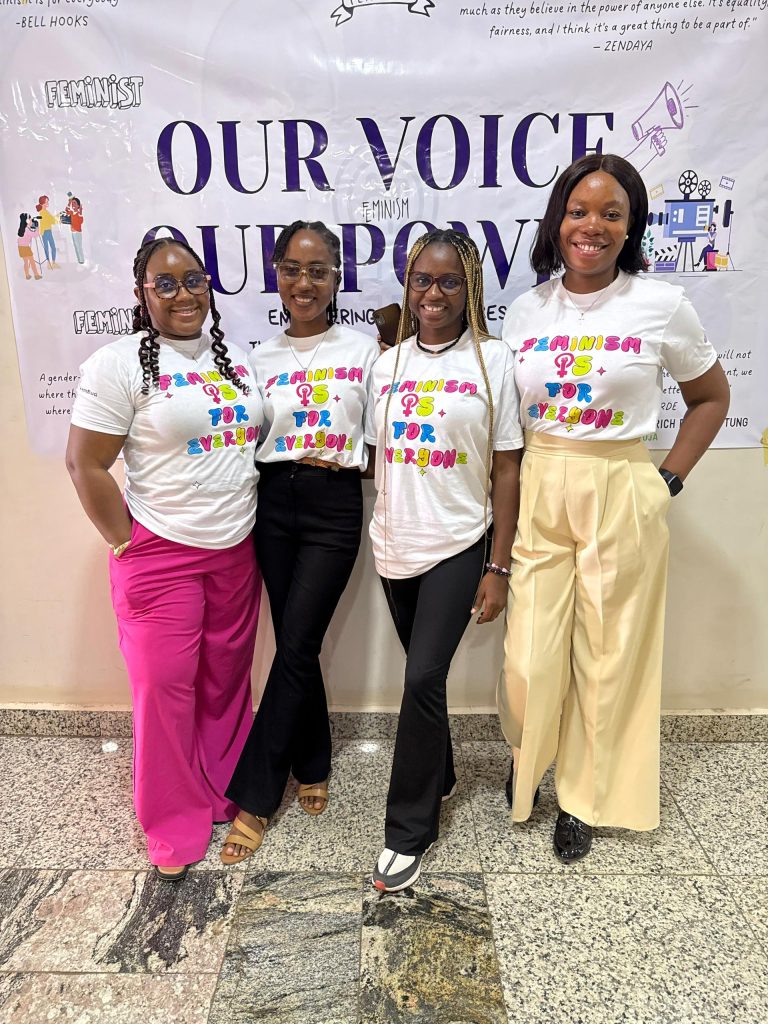
Implemented by Ogri Caro-Ann Aricha, Opeyemi Adenikan, Elizabeth Kedonojo Umoru, and Priye Diri, Fellows of the Nigerian Green Academy, the initiative combined film education, creative writing, and feminist mentorship, with support from Heinrich Böll Stiftung.
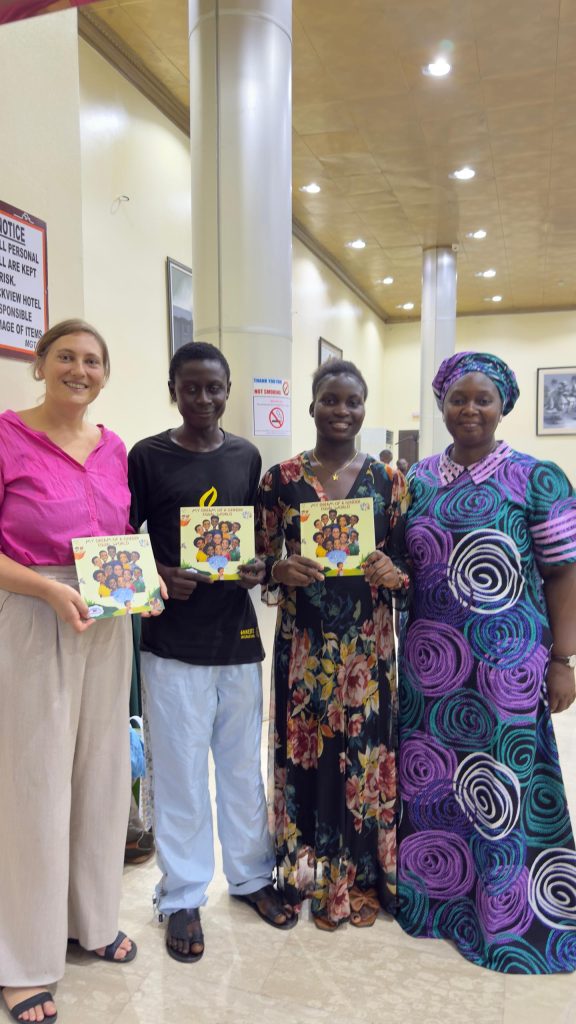
At the start of the programme, 20 adolescents aged 13 to 18 were selected through a reflection exercise titled “My Dream of a Gender Equal World,” which introduced participants to themes such as feminism, allyship, bodily autonomy, and ethical leadership.
According to the organisers, the aim was “to give young people the knowledge and confidence to identify inequalities and speak against them,” especially in communities where such conversations are often limited.
Learning sessions included documentary screenings on African women changemakers and positive masculinity, which opened discussions on challenges faced by girls and the social pressures affecting boys.
During reflection circles, girls raised concerns about safety, early marriage, and silencing, while boys examined ideas of dominance and accountability, creating honest and inclusive dialogue.
The sessions were supported by facilitators and feminist leaders, including Dorothy Njemanze, Nafisa Atiku, and Kenneth Kamah, allowing for intergenerational and peer-to-peer learning.
Participants were later guided through storytelling workshops, moving from journaling to scripting advocacy messages that highlighted real-life gender issues within their communities.
These scripts were transformed into short advocacy videos addressing themes such as girls’ education, menstrual hygiene, fairness in decision-making, positive masculinity, empathy, and inclusion.
The videos were launched online under the hashtag #HerVoiceHerPower, spotlighting girls while positioning boys as allies and drawing wider attention to youth-led gender justice conversations.
By the end of the project, participants had gained advocacy skills, leadership confidence, and a stronger sense of agency, reinforcing the project’s message that when young people find their voice, meaningful change becomes possible.