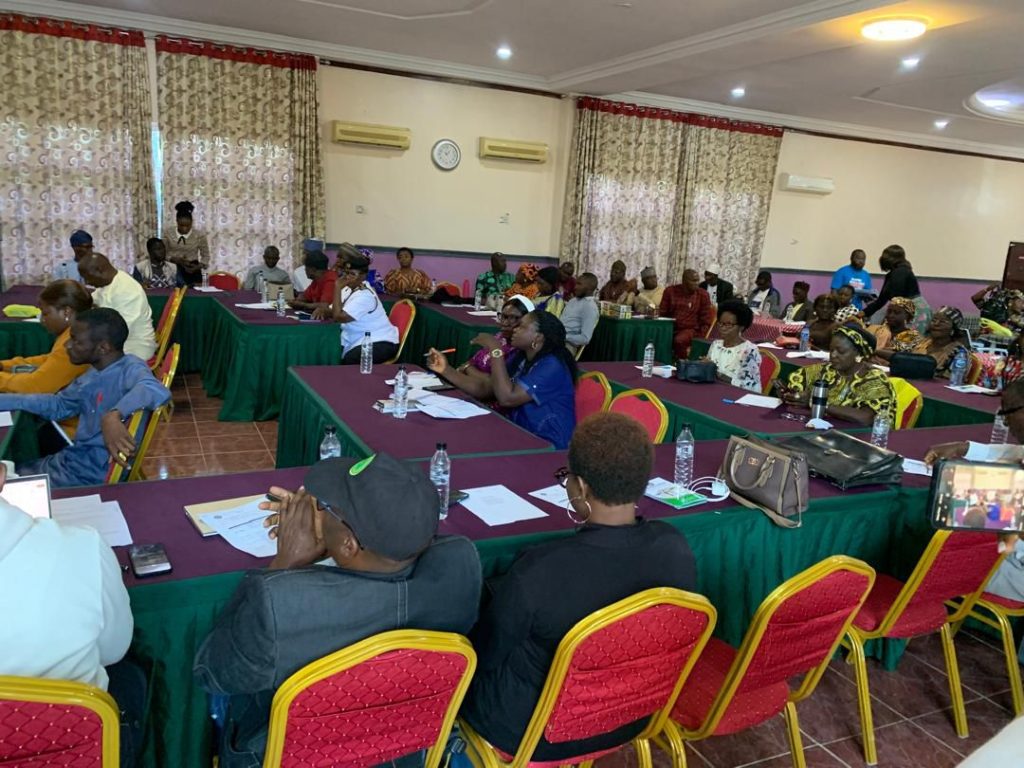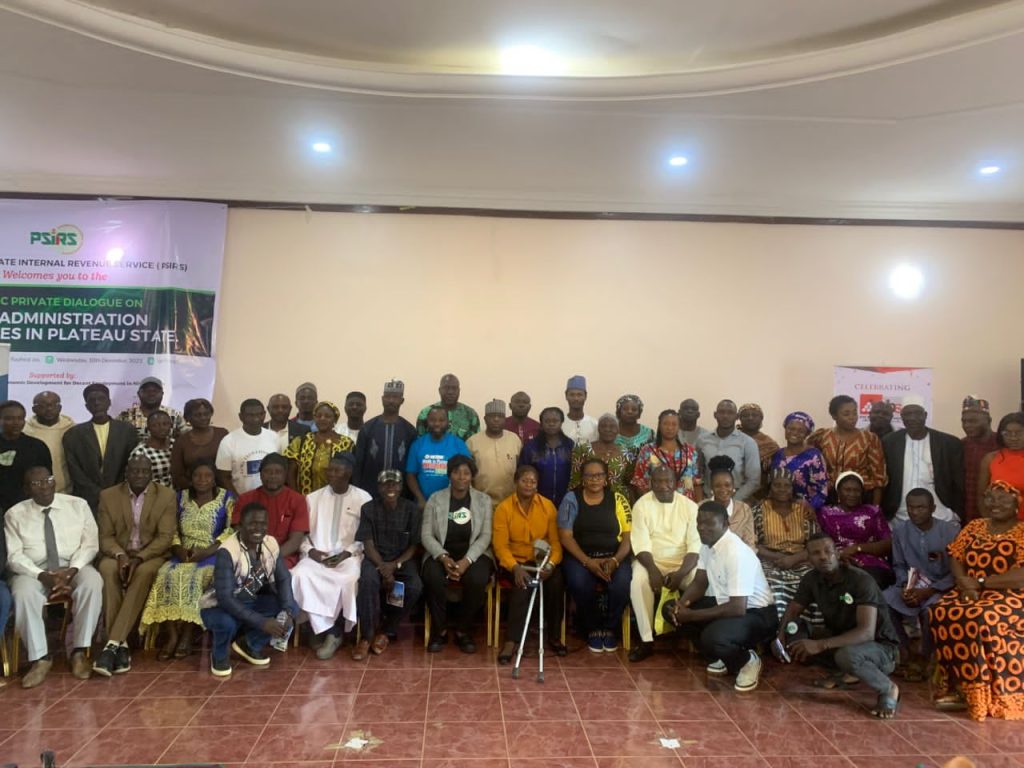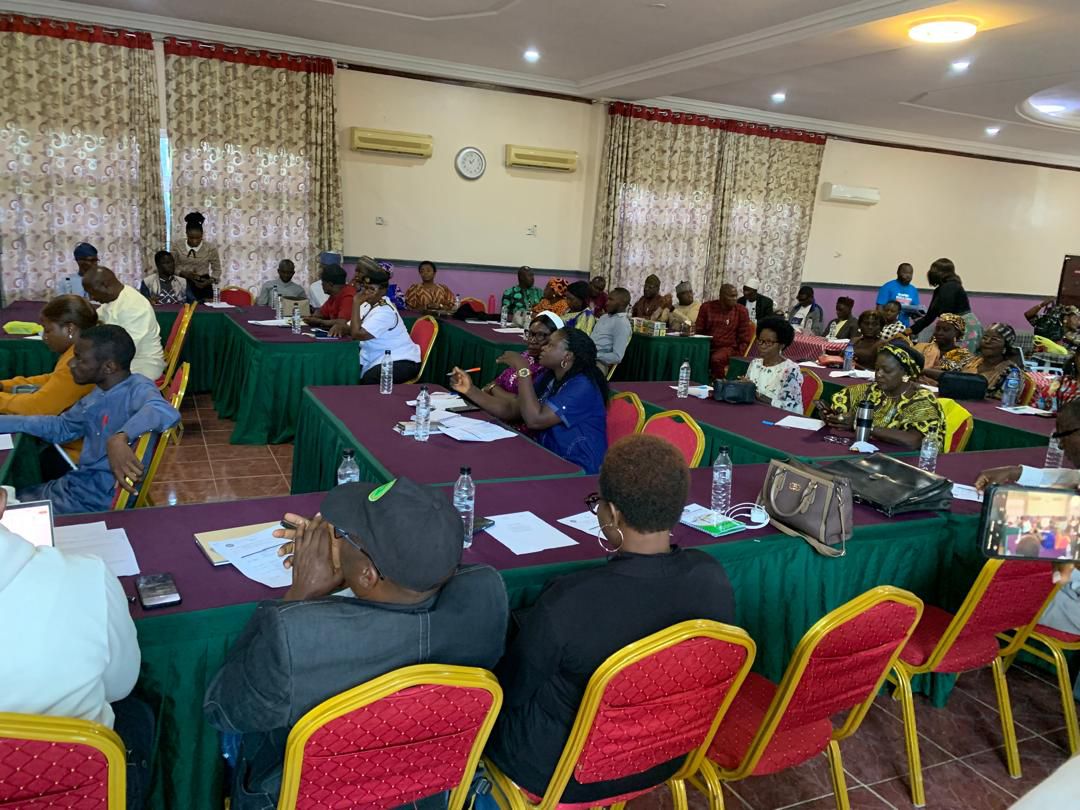
The Plateau State Internal Revenue Service (PSIRS), in collaboration with the Sustainable and Inclusive Economic Development for Decent Employment in Nigeria Programme (SEDIN) of GIZ, recently held a Public-Private Dialogue (PPD) on tax administration for Micro, Small, and Medium Enterprises (MSMEs) in Plateau State.
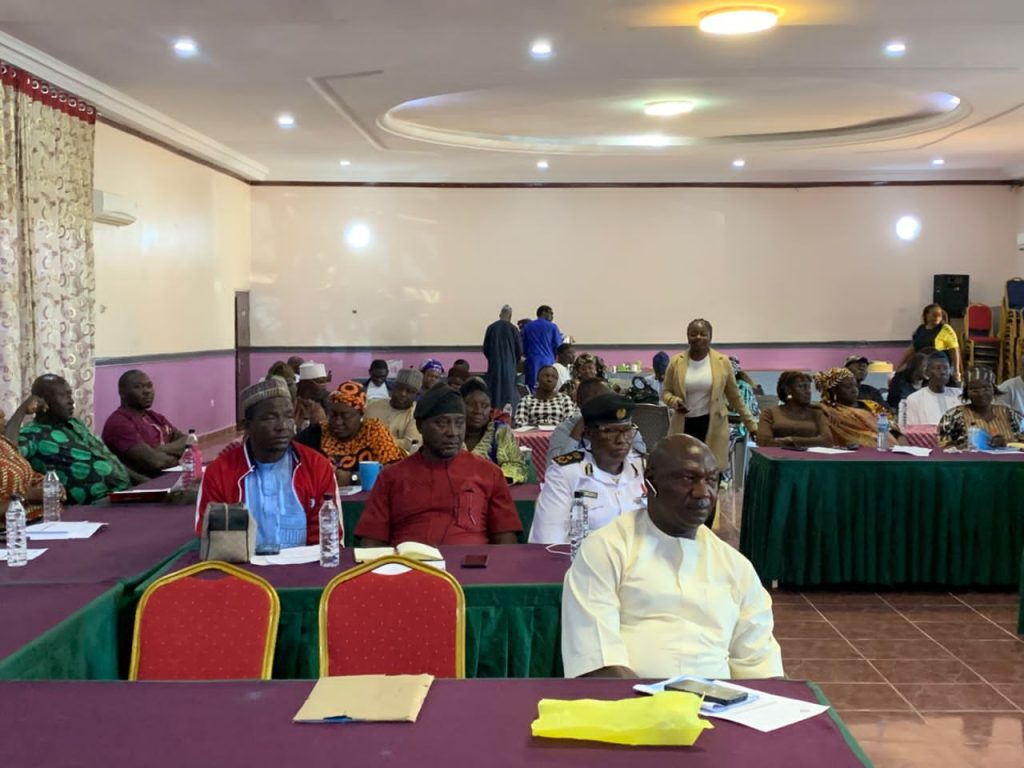
The event took place at the Jos Business School, Rayfield, and brought together business owners, government agencies, and professional groups to discuss key issues affecting small businesses. The dialogue provided a platform for open discussion on tax challenges, compliance requirements, and ongoing reforms.
Dr. Jim Pam Wayas, Executive Chairman of PSIRS, represented by the Coordinating Director Revenue Operations Group, PSIRS, Mrs. Emily Daboer, highlighted the importance of understanding current tax findings. He stressed that as Plateau State enters a new phase of tax reforms, stakeholders must grasp the implications to navigate the changing fiscal landscape effectively.
He emphasized that the reforms aim to improve efficiency, transparency, and fairness in tax administration while ensuring that taxpayers experience a balanced and accountable system. Dr. Wayas further noted that these changes are crucial for both policymakers and citizens in strengthening revenue administration.
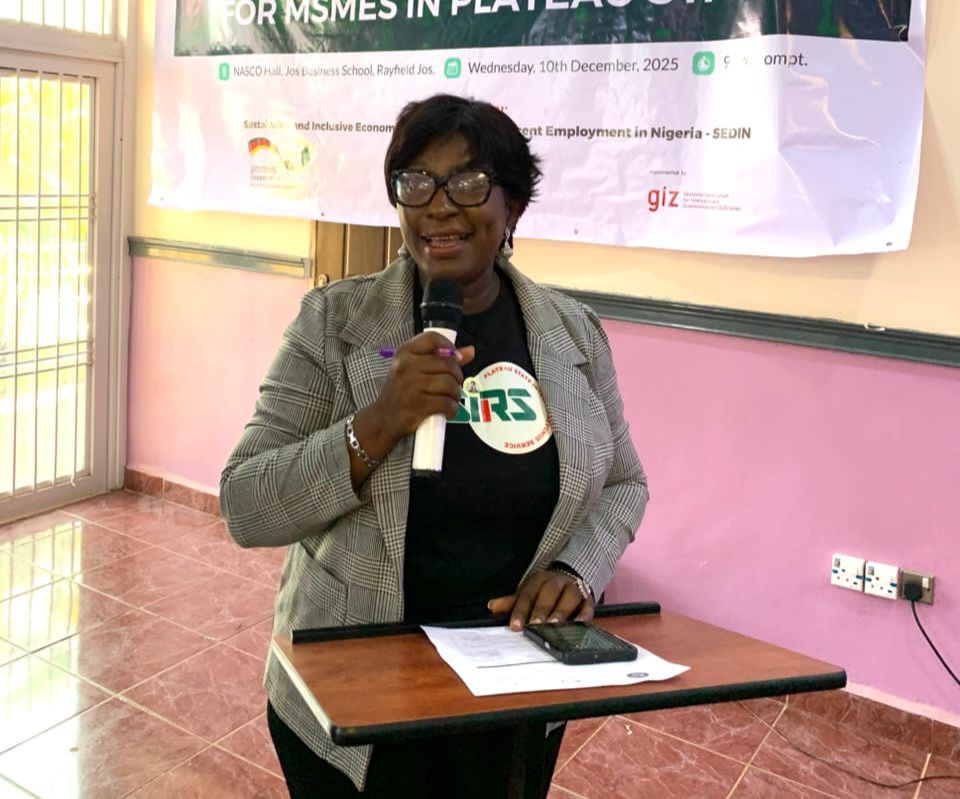
Mrs. Emily Daboer presented a comprehensive overview of tax administration in Plateau State. She highlighted the key processes connecting taxpayers, institutions, and regulatory bodies to ensure proper documentation, assessment, and remittance.
She also outlined challenges affecting the system, including gaps in data management, low compliance levels, and outdated practices. According to her, ongoing reforms aim to improve technology adoption, transparency, and service delivery across all tax operations.
Mr. Manlat Dariem gave a detailed presentation on tax penalties, explaining the various offences and their corresponding sanctions. He guided MSME operators on how timely compliance safeguards businesses from fines and enhances credibility with regulatory authorities. He stressed that understanding penalties is essential for MSMEs to operate within the acceptable tax framework.
Representatives from key institutions, including the Ministry of Lands, VIO, PLASMIDA, PICTDA, Business Membership Organizations, and LGA revenue directors, actively contributed to discussions. MSME representatives raised concerns about low tax awareness, multiple taxation, market-based registration challenges, and the need for guidance in local languages.
Other issues highlighted included the inclusion of persons with disabilities in tax communication efforts, provision of social amenities to show the value of taxes, and clearer instructions on payment points and procedures. These contributions emphasized the need for a more transparent and supportive tax system.
Mr. Yakubu Paul Arin, Director of Other Taxes at PSIRS, responded to the concerns raised by participants, offering detailed clarifications and reaffirming the Service’s commitment to improving tax processes. He assured MSME operators that the ongoing tax reforms are designed to address existing inefficiencies and create a more transparent, accessible, and business-friendly tax environment across Plateau State.
PSIRS commended the contributions of Mrs. Hauwa from GIZ and Mr. Yemi Adebo, the consultant who coordinated the assessment exercise, noting that their efforts ensured a smooth and effective participation process during dialogue.
Mr. Akinropo Omoware, Head of Components at GIZ-SEDIN, delivered the goodwill message, expressing optimism that the dialogue would generate impactful insights to benefit both policymakers and MSMEs in Plateau State.
The dialogue concluded with stakeholders agreeing that MSMEs remain central to Plateau State’s economic growth. Participants underscored that reforms must continue to reduce compliance burdens, promote voluntary tax payment, and strengthen the overall business climate in the state.